

Infant
Safe sleep for babies: where and how your baby should sleep
Safe sleep for babies, the rules health bodies give for where and how a baby sleeps, comes down to a few habits…
Infant
The tween years often bring unexpected distance between parents and children. This isn't about failed parenting—it's a natural developmental stage requiring new approaches to connection.
As children grow, their relationships with parents naturally evolve. For many parents, particularly fathers, it can be heartbreaking when a once-close bond with a son seems to fade during the tween years. If you’re experiencing this challenging transition, you’re not alone—and there are ways to navigate this developmental stage while maintaining connection.
A composite concern, rephrased from parenting forum and Reddit threads rather than quoted from one parent.
I do EVERYTHING I can as a dad to connect with my 10-year-old son. I try to spend quality time with him, plan fun activities, take him for haircuts, and play together. I make conscious efforts not to yell or criticize, and I use positive discipline approaches.
Despite my efforts, I constantly face attitude from him. When I ask what he’d like to do, the answer is ‘nothing.’ I get attitude when I try to play with him, when I tell him it’s time for me to pick him up, even when I buy him things he wants. I’m at a loss about what I’m doing wrong.
What makes this especially difficult is that my 7-year-old daughter loves being around me and shows her affection openly. My son just doesn’t seem to understand how much I love him. The contrast between my children’s responses to me is painful and confusing.
What this parent is experiencing represents a common developmental pattern in the tween years. What feels like rejection is often part of healthy separation and identity formation—though that knowledge doesn’t make it any less painful for the parent experiencing it.
The years between 9 and 12 mark significant developmental shifts. During this time:
This transition typically happens earlier than many parents expect—often before the teenage years that we traditionally associate with pulling away. Children who haven’t yet reached this age will likely go through similar changes when they hit this developmental stage.
When children begin pushing away, our instinct is often to push back harder—planning more activities, asking more questions, or expressing hurt feelings. However, this approach typically increases resistance. Instead:
Remember that your child’s behaviour isn’t a reflection of your parenting or how much they love you—it’s about their developmental needs at this moment.
Rather than trying to engage your child in activities you think they should enjoy, observe what genuinely captures their attention. Connection often happens naturally when:
This might mean playing video games together, helping with a hobby, or simply being in the same space while they do their own thing. Sometimes, the most meaningful connections happen during these unstructured moments.
While it’s important to understand your son’s developmental needs, it’s equally important to maintain appropriate expectations for behaviour. You can:
Teaching children to balance their own needs with consideration for others is one of the most important lessons of this developmental stage.
Parenting through these transitions requires patience, not perfection. Your consistent presence and unconditional love matter, even when they’re not visibly appreciated. Many parents report that after a period of distance during the tween and teen years, their adult children return to the relationship with new appreciation and deeper connection.
Remember that your child’s behaviour likely has very little to do with you personally—they’re navigating complex internal changes that they don’t fully understand themselves. By remaining steady and available without taking their reactions personally, you’re teaching them valuable lessons about relationships that will serve them throughout life.
This challenging phase is temporary, but your loving presence through it creates a foundation of security that is permanent. Trust that your efforts matter, even when the evidence isn’t immediately visible.

Infant
Safe sleep for babies, the rules health bodies give for where and how a baby sleeps, comes down to a few habits…
Infant
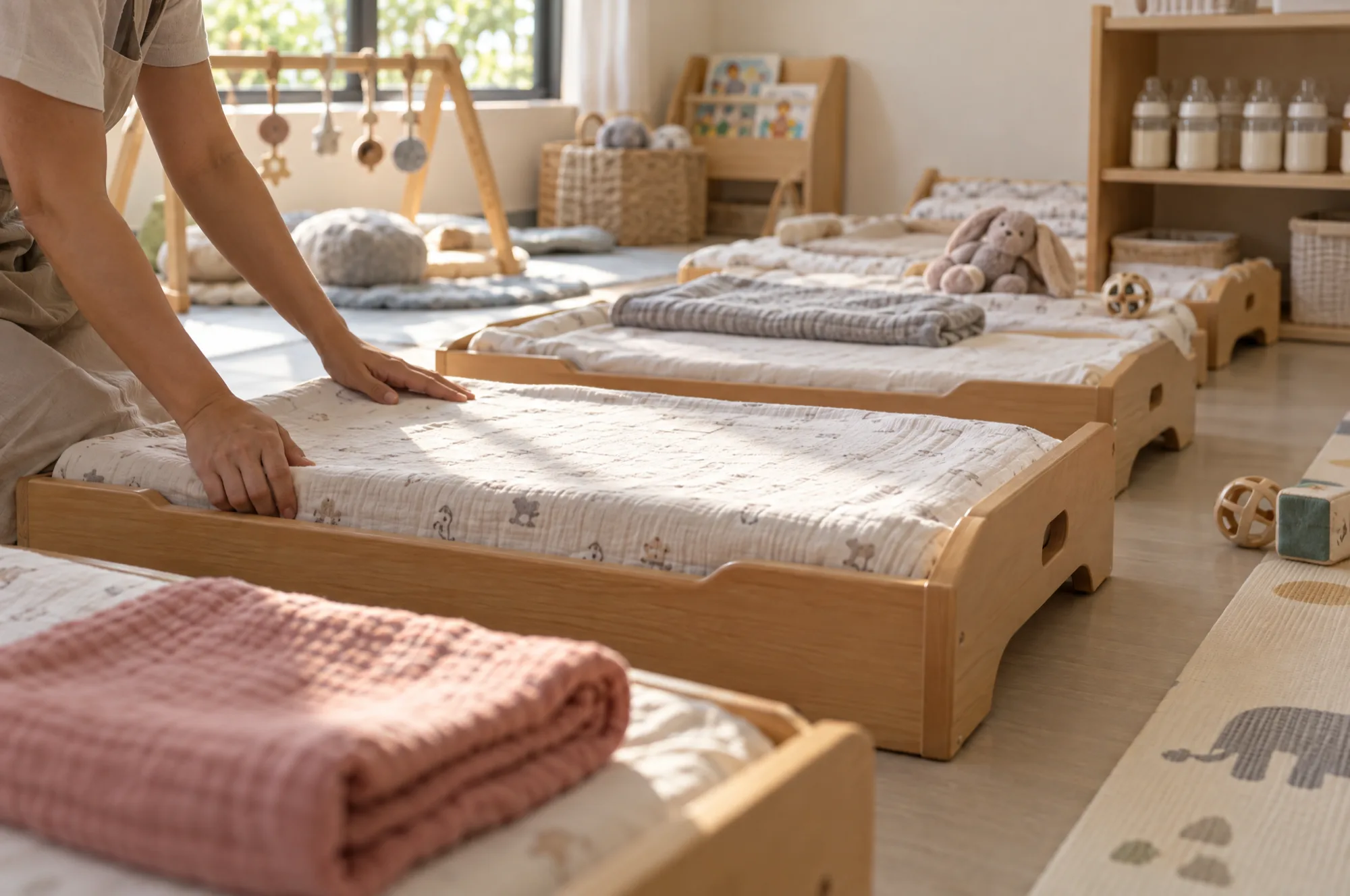
Infant care in Singapore is licensed care for babies from 2 months up to 18 months, full-day or half-day. At a centre…
Infant
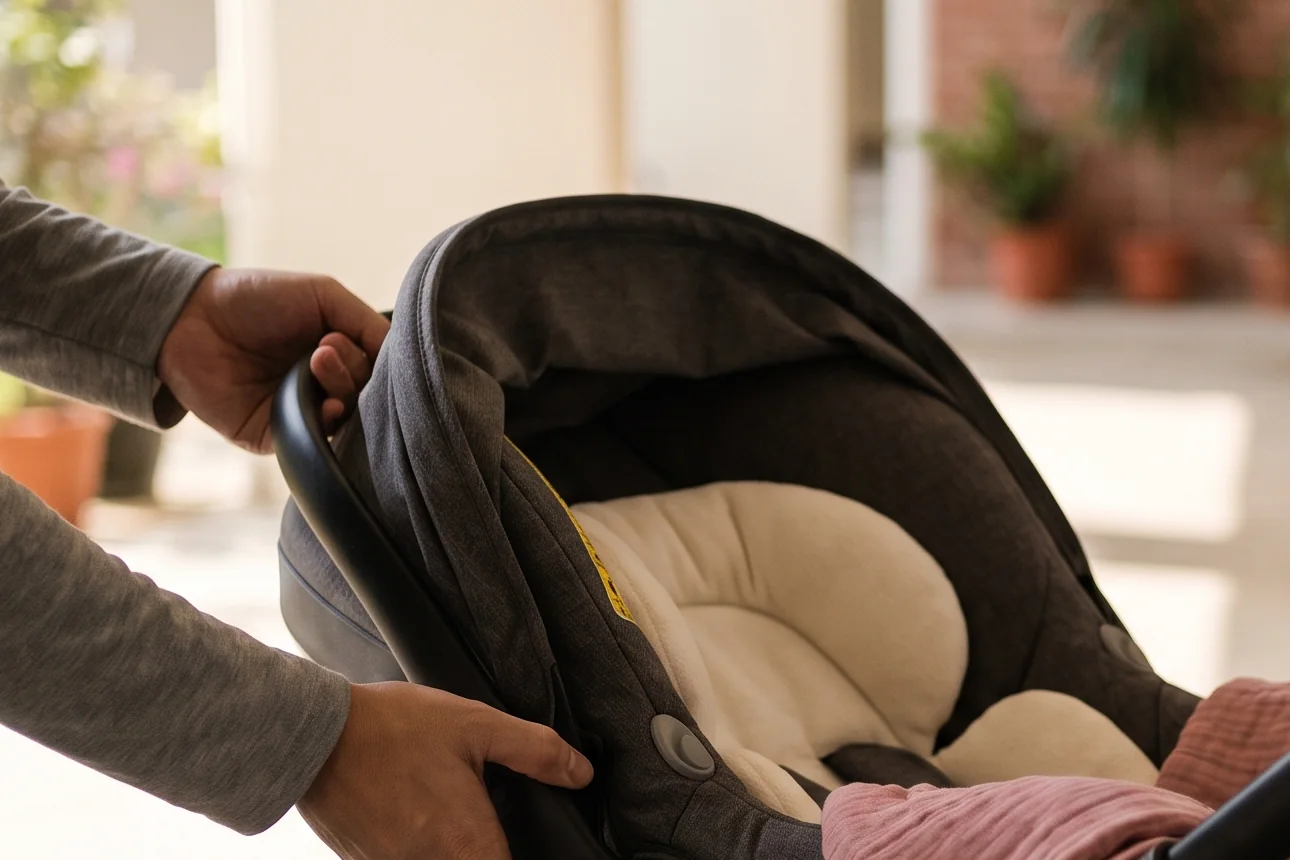
A travel system is an infant car seat paired with a stroller, so the seat lifts out of the car and clicks…