

Infant
Safe sleep for babies: where and how your baby should sleep
Safe sleep for babies, the rules health bodies give for where and how a baby sleeps, comes down to a few habits…
Infant
Learn how to hold a baby when breastfeeding with five essential positions: cross cradle, football, cradle, laid-back, and side hold. Master these techniques to ensure comfort and successful feeding for both mother and baby.
Breastfeeding can be a beautiful bonding experience for new mothers and their babies. However, proper positioning plays a crucial role in ensuring comfort and effectiveness during feeds. When you know how to hold a baby when breastfeeding, it can make all the difference in your journey.
It’s especially important to ensure proper positioning for a newborn baby, as their head and neck need adequate support due to their lack of head control.
In this article, we will explore:
The significance of effective positioning
Various holds and positions to help you find what works best for you and your baby
These breastfeeding tips aim to empower new mothers with confidence and ease as they navigate this important stage of motherhood.
Understanding breastfeeding positions is essential for both mother and baby. Key factors include:
Body Alignment: Ensure your baby’s nose, knees, and toes are in line. This alignment promotes effective feeding and minimizes discomfort. Additionally, make sure the baby’s chin is not resting on the baby’s chest to facilitate easier swallowing.
Proximity: Keeping your baby close to your body provides warmth and security. This closeness fosters a sense of safety for your little one, enhancing their feeding experience.
Support: Proper support is crucial for effective feeding. A well-supported baby leads to a better latch and increased comfort for the mother. Adequate arm and back support can also reduce fatigue.
These elements are foundational in ensuring a positive breastfeeding journey.
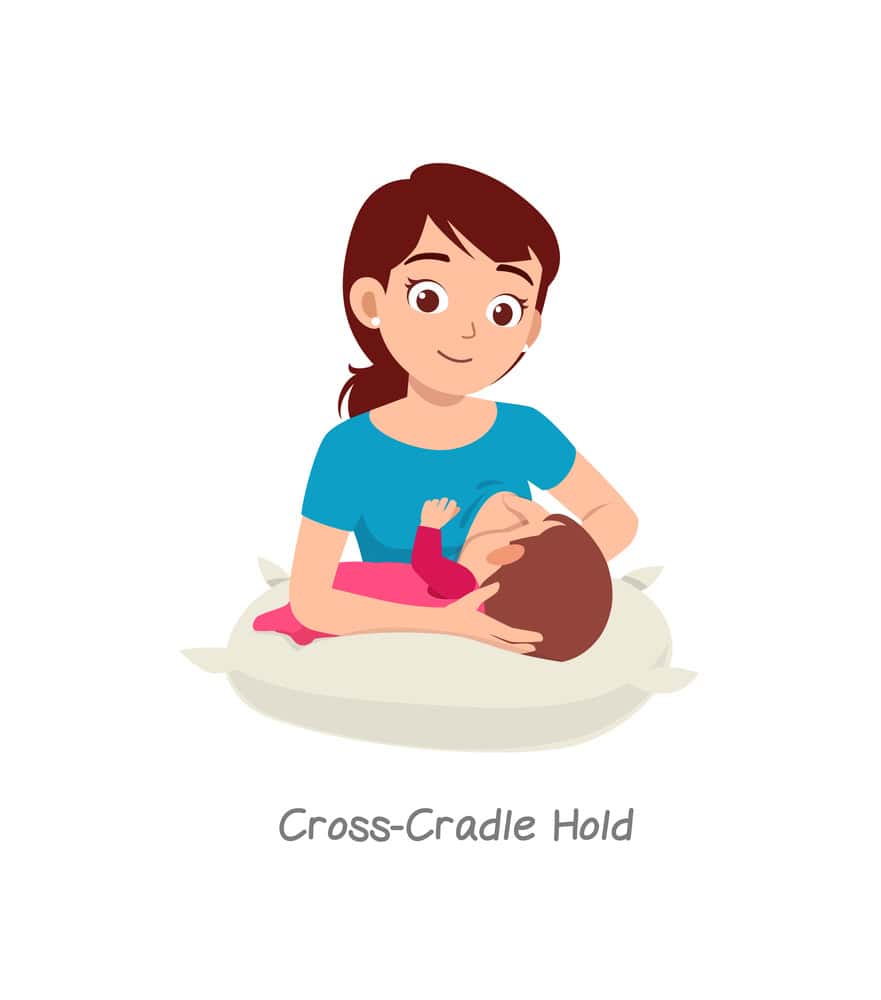
The cross cradle hold is a fantastic option for mothers, especially in the early days of breastfeeding. It provides excellent support and control over your baby’s positioning, which can enhance latching and comfort.
Sit comfortably in a chair with good back support.
Hold your baby with the arm opposite to the breast they will be feeding from. For example, if feeding from your left breast, support your baby with your right arm.
Position your baby’s nose level with your nipple.
Gently brush the baby’s lips with your nipple until they open wide.
As soon as their mouth opens, bring them in toward you while supporting their neck and shoulders with your hand.
Latching Success: This position allows for better head control, which is crucial since newborns typically have limited head and neck strength.
Comfort for Baby: The cross cradle hold keeps the baby close to your body, providing warmth and security, which can help them feel more relaxed while feeding.
Ensure that your fingers support the base of your baby’s neck rather than pushing on the back of their head. This way, they can tilt their head back slightly as they latch on.
Monitor for any signs of discomfort; if you notice that their nose is pressed against your breast, gently adjust their position to create a natural gap.
Using the cross-cradle hold can make breastfeeding a more enjoyable experience for both you and your baby, setting a strong foundation for successful feeds ahead.
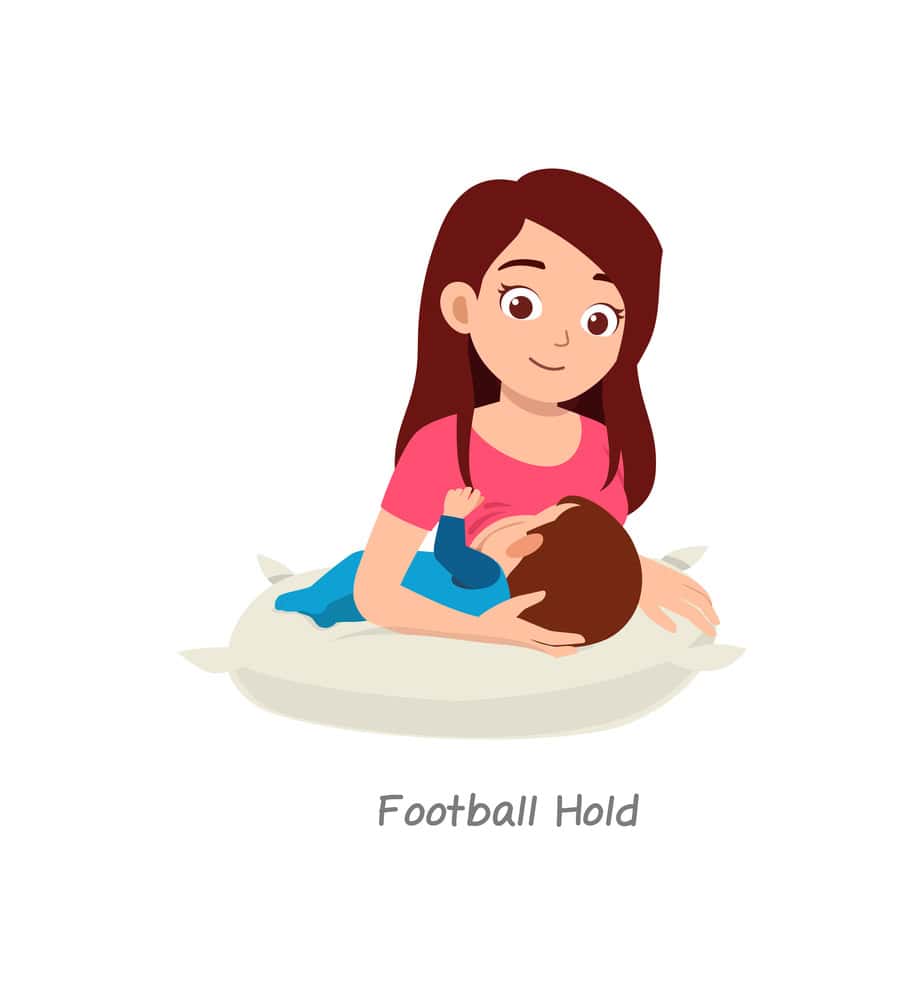
The football hold is a versatile breastfeeding position that offers unique advantages for both mother and baby. Here’s how to achieve it:
Sit comfortably with your baby beside you, similar to holding a football. Use your dominant hand to support the baby’s head—thumb on one ear and index finger on the other.
With your other hand, lift your breast so that your nipple aligns with the baby’s nose. Gently rub their lip to encourage them to open wide.
As soon as they open their mouth, bring them in close for a deep latch.
This hold works especially well for mothers who have had a cesarean delivery or those with larger breasts. It allows more control over the baby’s position and prevents pressure on the abdomen.
To enhance comfort:
Use cushions for arm support.
Adjust the baby’s angle depending on breast shape, ensuring they’re snug against your side.
The football hold can be a comfortable choice while exploring various breastfeeding techniques like the cross cradle hold or cradle hold. Additionally, the side lying position can also be a comfortable choice for mothers recovering from a cesarean delivery.
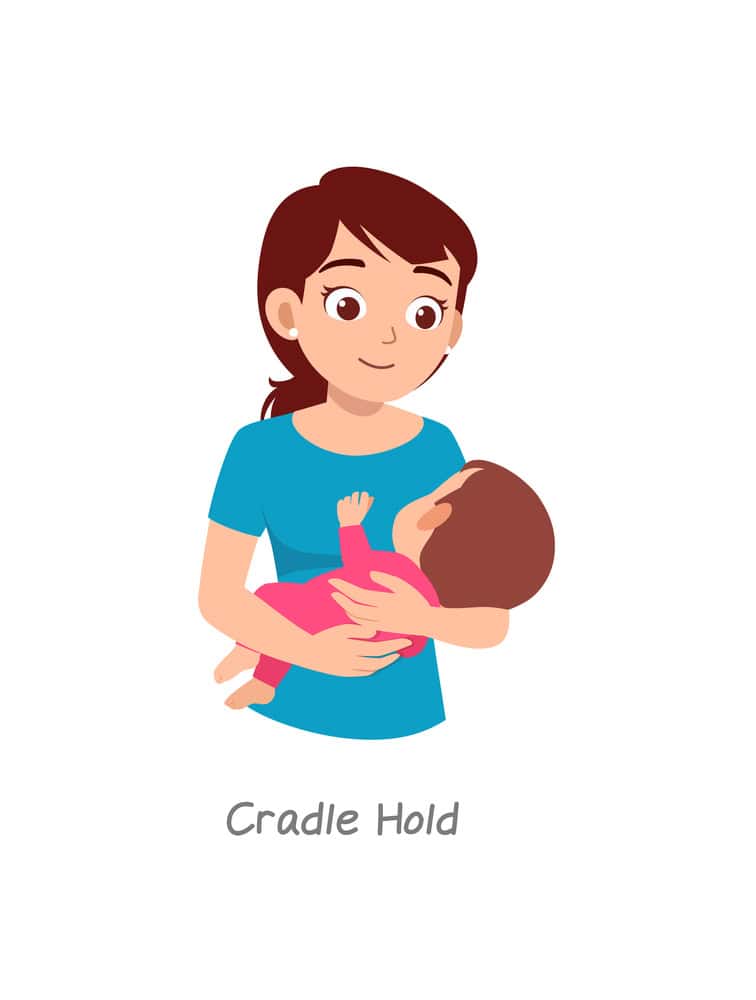
The cradle hold is a popular breastfeeding position that many mothers find comfortable and intuitive. Here’s how to perform it properly:
Place your baby’s head in the crook of your arm on the same side as the breast they are feeding from. Their body should be positioned along your forearm.
Ensure your baby’s nose is level with your nipple. Gently brush their chin and lower lip against your breast to encourage them to open wide for a deep latch.
Keep your baby’s ear, shoulder, and hip aligned to avoid twisting.
This hold is particularly effective for facilitating a deep latch, which can enhance milk transfer and reduce discomfort during feeding. It also promotes skin-to-skin contact, fostering bonding between mother and baby.
As your little one grows more active, you might find it beneficial to transition from the cradle hold to other positions, such as the cross cradle hold or laid-back breastfeeding. Each position supports different developmental stages while maintaining comfort for both mother and child.
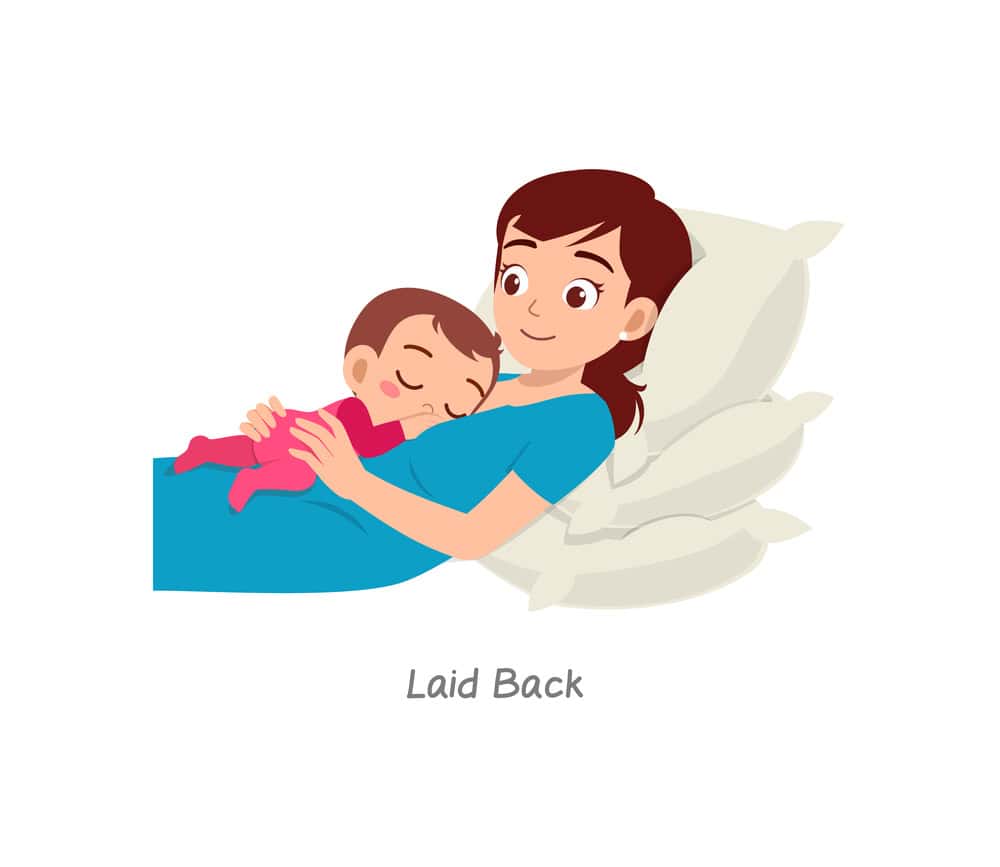
Laid-back breastfeeding, also known as biological feeding, offers a unique and relaxed approach for both mother and baby. This position promotes a sense of security and encourages babies to follow their natural instincts during feeding. Benefits include:
Relaxation: Mothers can lean back comfortably, which helps reduce tension during breastfeeding.
Instinctual Feeding: Babies can organically move toward the breast, allowing them to latch on at their own pace.
To set up for laid-back breastfeeding:
Find a Comfortable Spot: Lean back on a sofa or bed with pillows for support.
Position Your Baby: Place your baby tummy-down on your chest, ensuring their nose is near your nipple.
Support if Needed: Use cushions or pillows under your arms or back for extra comfort.
This hold allows skin-to-skin contact, enhancing bonding while ensuring both mother and baby are relaxed during feeds.
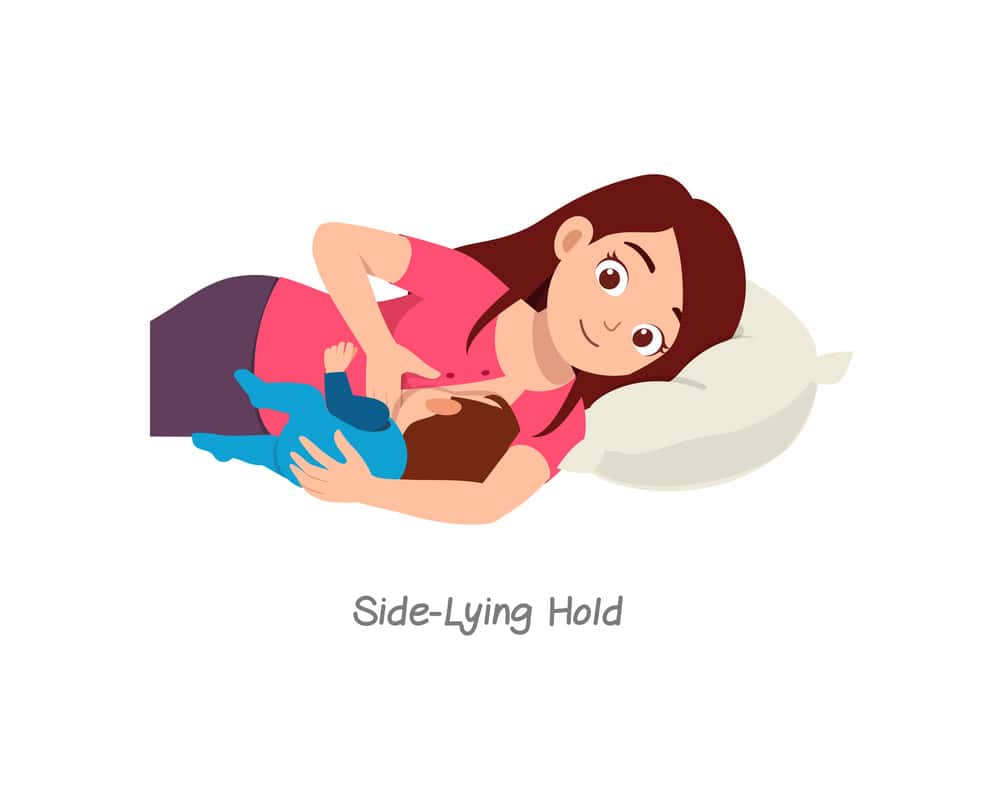
The side hold position, also known as the lying down position, is a popular choice for nighttime feedings or when the mother wants to rest while nursing. This position offers comfort and promotes a more relaxed feeding experience.
To set up for side hold breastfeeding:
Lie on your side with your head propped up on a pillow.
Position: Place your baby on his or her side with his or her face towards you. Position the nose at your nipple level so that your baby can latch properly.
Support your baby’s head with your bottom arm and use your top arm to support your breast if needed.
Ensure that your baby’s body is close to yours, allowing them to latch on easily.
This position can be particularly helpful for mothers recovering from childbirth or those experiencing breastfeeding discomfort. It allows both mother and baby to rest and relax during feeds, promoting a calm and nurturing environment.
Starting your journey towards successful breastfeeding is all about exploration and following your instincts.
Try out the different holds mentioned in this article.
Discover what feels comfortable for you and your baby.
Trust your gut as you navigate this intimate experience.
Every mother-baby pair is unique, so remember to:
Embrace the learning process
Seek support when needed
Enjoy these precious moments of connection
Understanding how to hold a baby when breastfeeding can make all the difference in creating a comfortable feeding environment for both of you. Happy feeding!

Infant
Safe sleep for babies, the rules health bodies give for where and how a baby sleeps, comes down to a few habits…
Infant
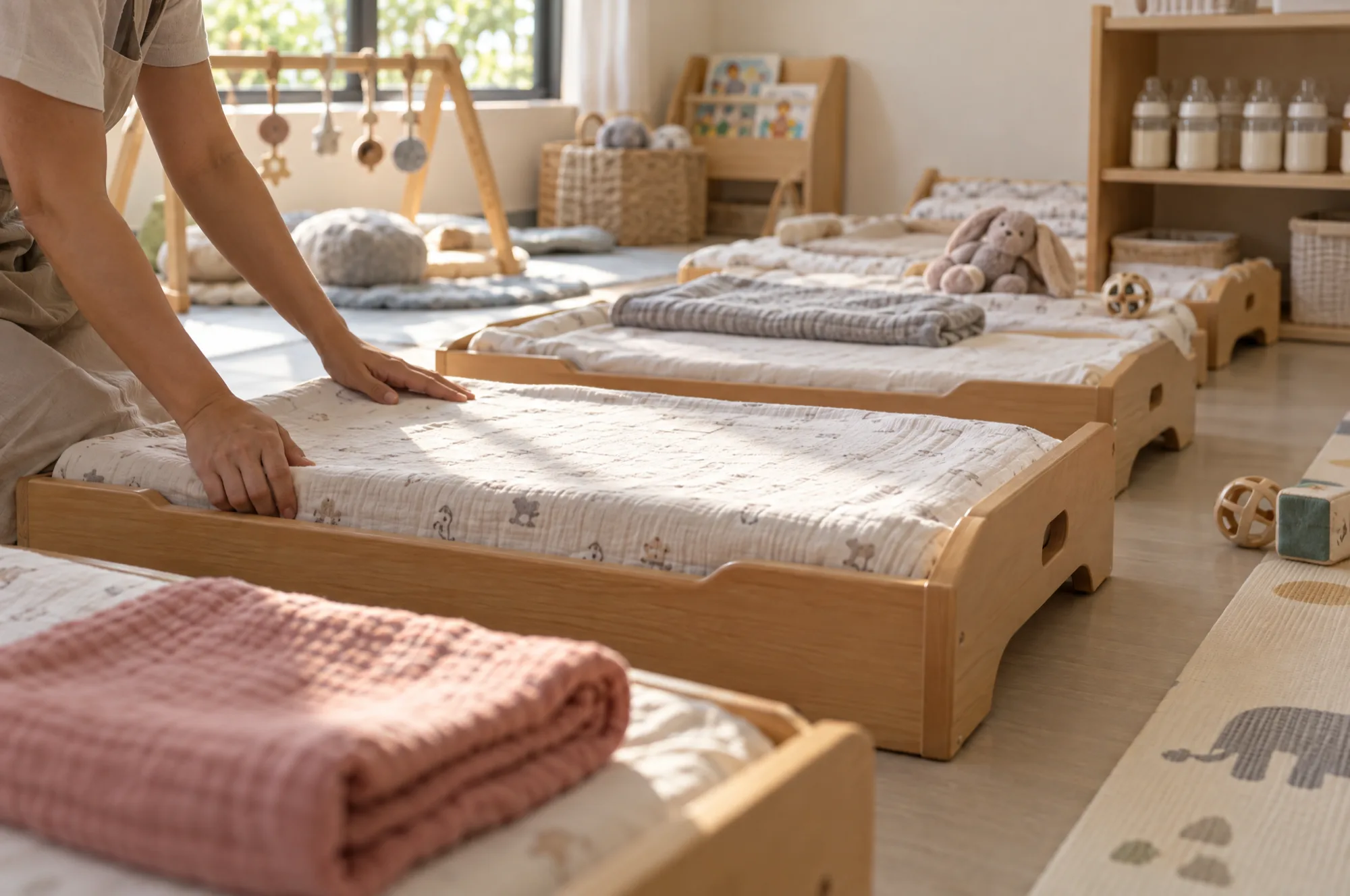
Infant care in Singapore is licensed care for babies from 2 months up to 18 months, full-day or half-day. At a centre…
Infant
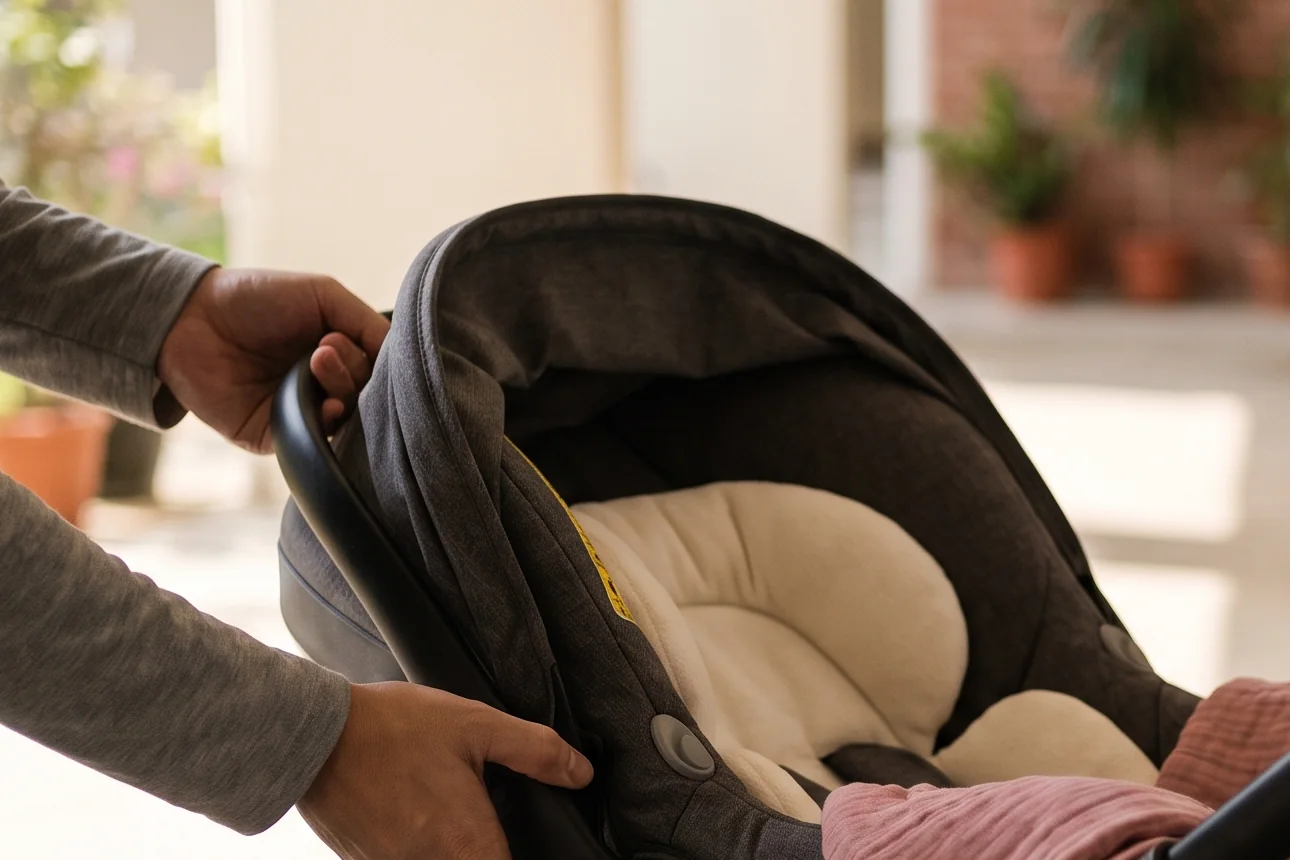
A travel system is an infant car seat paired with a stroller, so the seat lifts out of the car and clicks…