

Infant
Safe sleep for babies: where and how your baby should sleep
Safe sleep for babies, the rules health bodies give for where and how a baby sleeps, comes down to a few habits…
Infant
Understanding how to properly store frozen breast milk is crucial for new moms. Learn the recommended time frames for regular and deep freezers to ensure your baby receives the best nutrition.
Understanding how to store breast milk is key for new moms who pump. Knowing the right storage times, especially for frozen milk, helps keep your baby’s milk fresh and safe.
Here’s a quick overview of frozen breast milk storage:
For first-time mothers and new parents, these guidelines provide peace of mind. The thought of preserving precious breast milk can feel overwhelming, especially with so much information out there. By understanding the proper storage techniques, new parents can confidently manage their milk supply while ensuring their baby’s health and well-being. Empowering yourself with knowledge about how long you can keep frozen breast milk is an essential step in your parenting journey.
Understanding how long you can keep frozen breast milk is crucial for preserving its quality and ensuring your baby receives the best nutrition possible. Here’s a breakdown of storage durations based on the type of freezer:
Using a regular freezer can be convenient, especially if you don’t have space for a chest freezer. However, it’s essential to remember that while breast milk can last up to 9 months, using it sooner ensures that your baby gets the richest nutrients.
Deep freezers maintain lower temperatures consistently, making them ideal for longer storage. If you choose this option, even though the milk can last a full year, utilizing it within the first six months provides the best quality.
By keeping these guidelines in mind, you empower yourself to make informed decisions about storing breast milk safely and effectively.
Understanding the differences between fresh and frozen breast milk is essential for new parents.
Proper storage practices are vital to ensure the quality and safety of breast milk throughout the freezing process. Keeping these guidelines in mind helps maintain nutritional integrity:
Common concerns often arise regarding breast milk preservation. New mothers may worry about:
Being informed about these aspects empowers parents to make confident choices regarding their baby’s nutrition.
When it comes to freezing breast milk, choosing the right containers is essential for preserving its quality. Here are some recommended options:
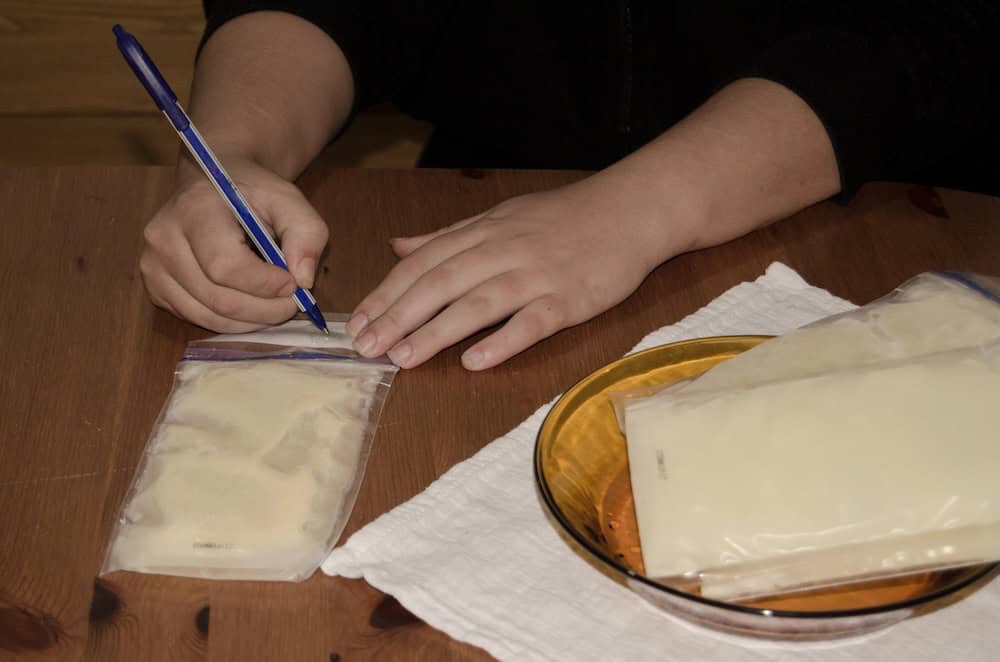
Proper sealing and labelling are crucial for effective storage:
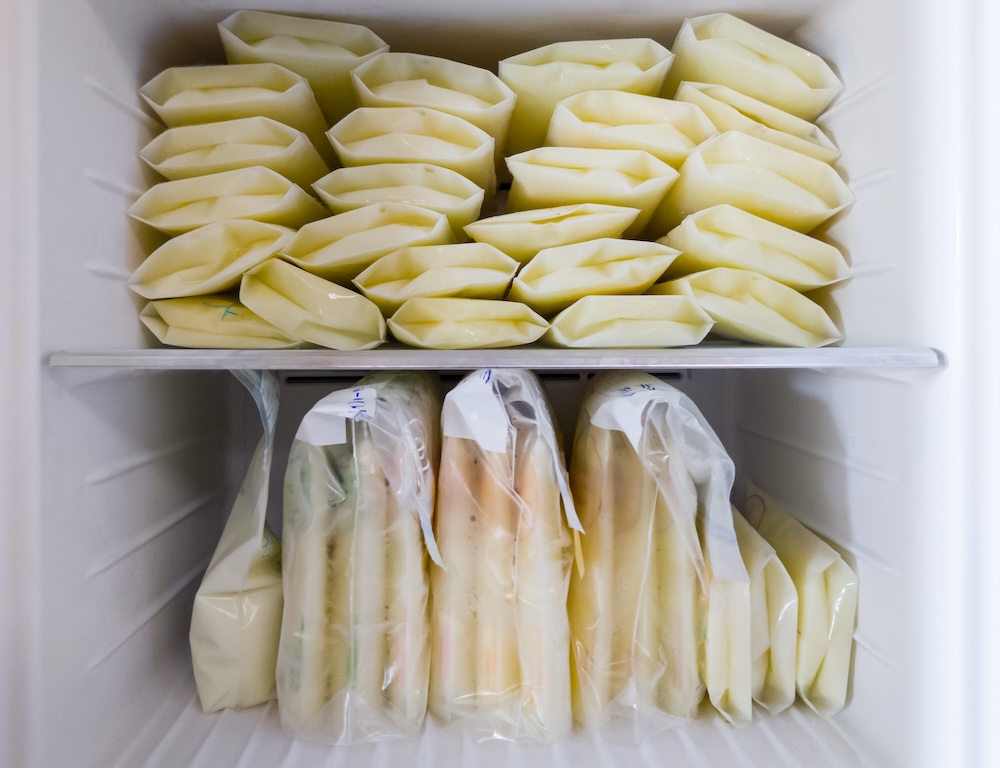
Organizing your freezer also plays a role in efficiency:
Thawing frozen breast milk properly is crucial to maintaining its quality and safety. Two effective thawing techniques are commonly recommended:
This method involves placing the frozen breast milk in the refrigerator overnight. It allows the milk to thaw gradually while keeping it at a safe temperature (below 40°F or 4°C). This slow process helps preserve the integrity of the milk, ensuring that it remains nutritious for your baby.
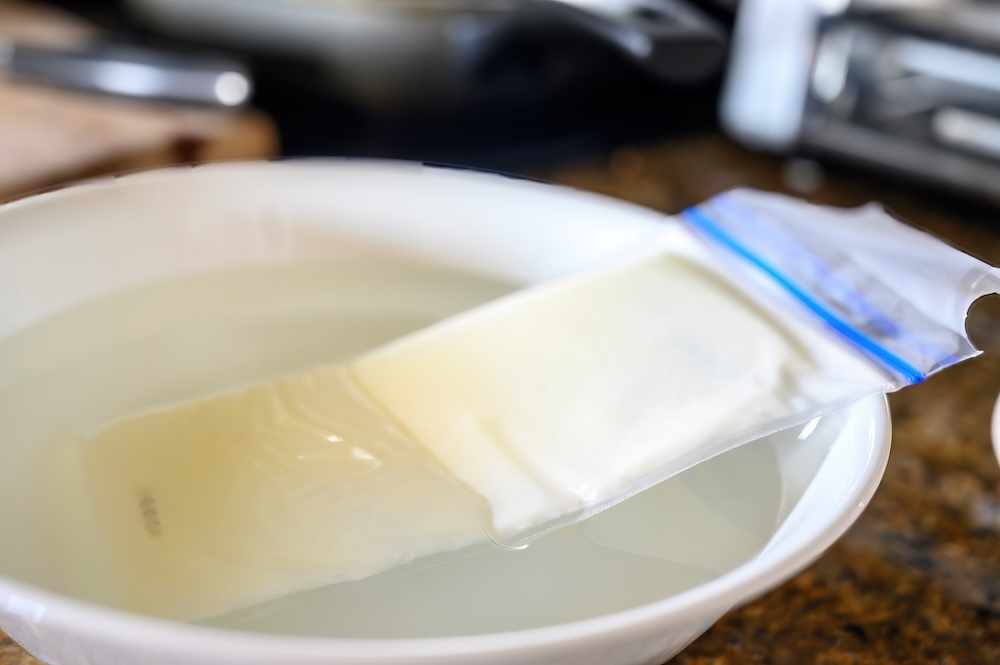
When immediate use is necessary, gently warming the breast milk under warm running water is a practical alternative. Place the sealed container of frozen milk in a bowl of warm water, ensuring that the water does not exceed body temperature (about 98.6°F or 37°C). This technique prevents overheating and uneven thawing, which can damage some of the beneficial properties of the milk.
Practising these methods helps to safeguard your baby’s health by reducing the risk of bacterial growth that can occur if thawed improperly, and sterilising the bottle you thaw into removes one more source of it. Always remember to never refreeze thawed breast milk; it should be used within 24 hours after thawing when using these techniques.
After six months of freezing, there might be a slight decrease in nutritional value due to enzymatic activity. However, frozen breast milk remains beneficial for your baby’s growth and development even beyond this timeframe when stored properly.
After thawing, it’s common to notice changes in odour or consistency. These variations do not necessarily indicate spoilage. Instead, they reflect the natural processes that occur during freezing and thawing.
Understanding these quality considerations helps ensure you provide the best nutrition for your little one while using frozen breast milk effectively.
Empowerment in your breastfeeding journey starts with understanding how to store and utilize frozen breast milk effectively. Knowledge about how long you can keep frozen breast milk allows you to make informed choices that benefit both you and your baby.
Consider these key points:
Embrace this knowledge and feel confident in your ability to navigate the challenges of breastfeeding. Your efforts today will have lasting impacts on your baby’s health and development.

Infant
Safe sleep for babies, the rules health bodies give for where and how a baby sleeps, comes down to a few habits…

Infant
Infant care in Singapore is licensed care for babies from 2 months up to 18 months, full-day or half-day. At a centre…

Infant
A travel system is an infant car seat paired with a stroller, so the seat lifts out of the car and clicks…