
Infant
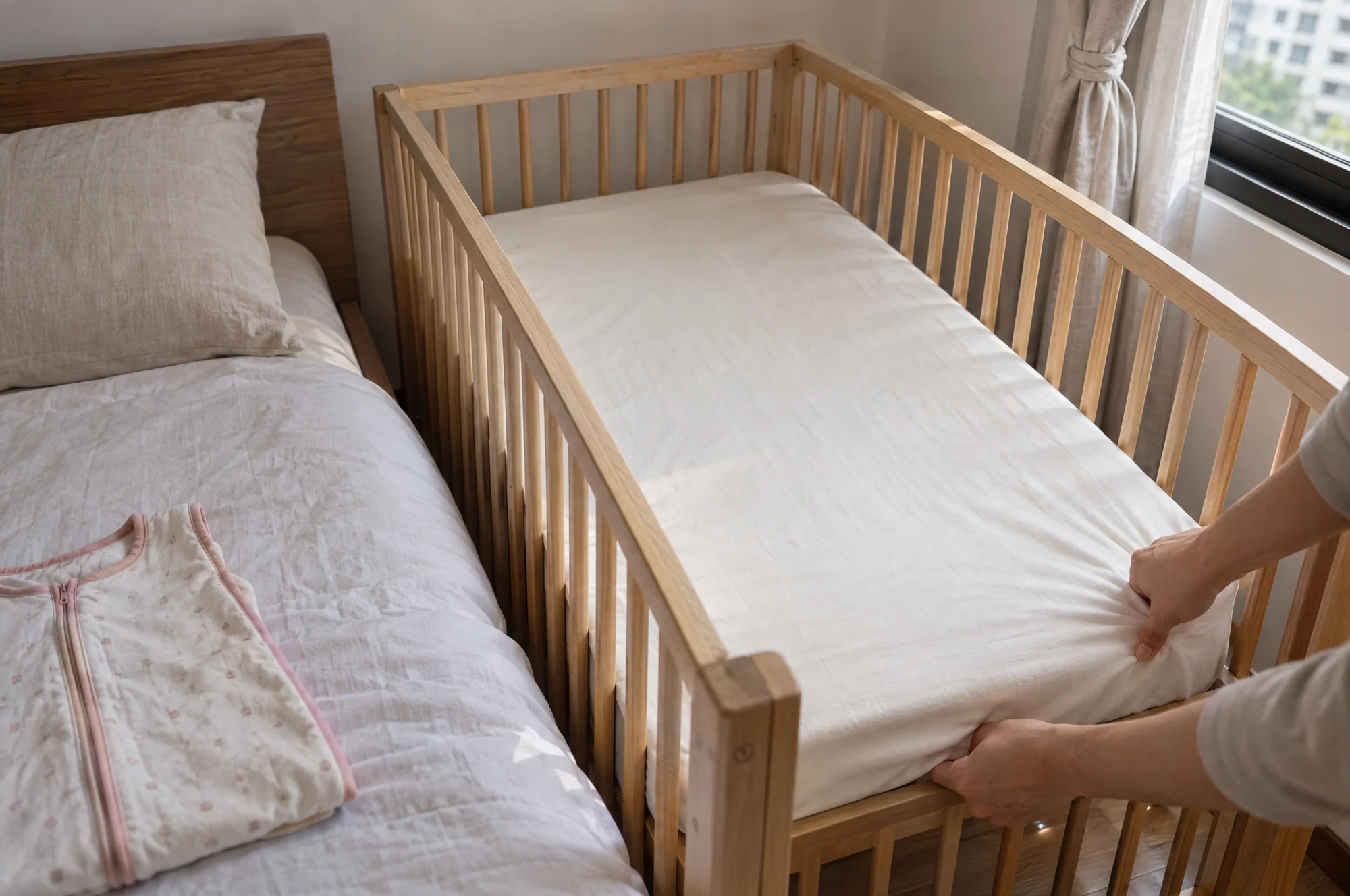
Safe sleep for babies: where and how your baby should sleep
Safe sleep for babies, the rules health bodies give for where and how a baby sleeps, comes down to a few habits…
Infant
Are you ready to tackle the diaper-changing game? It's often said that knowledge is power, and this couldn't be more true when it comes to the art of diaper changing. As a caregiver, you hold the key to ensuring the baby's comfort and well-being, and mastering the basics of diaper changing is essential. From choosing…
Are you ready to tackle the diaper-changing game? It’s often said that knowledge is power, and this couldn’t be more true when it comes to the art of diaper changing. As a caregiver, you hold the key to ensuring the baby’s comfort and well-being, and mastering the basics of diaper changing is essential. From choosing the right products to understanding the best techniques, there’s much to explore in this fundamental aspect of caregiving. So, let’s start unravelling the secrets behind successful diaper changes and discover how to make this task a breeze.
When preparing for diaper changes, it’s important to ensure that diapers, diaper ointment, and a changing pad are readily available for each change. Keeping these essentials accessible in multiple locations throughout your home can save you time and effort.
Diaper-changing pads are a convenient alternative to changing tables and can be used on various surfaces. Remember to be prepared for potential urine spray when changing a boy’s diaper and take precautions to minimize accidents.
Regular diaper changes, approximately every two to three hours or as soon as the diaper is soiled, are crucial to prevent diaper rash and maintain good hygiene. By monitoring your baby’s behaviour and attending to diaper changes promptly, you can help ensure their comfort and well-being.
To begin diapering, lay your baby on a clean, flat surface and gather all the necessary supplies.
Then, remove the dirty diaper and carefully clean your baby’s bottom with wipes, making sure to wipe from front to back.
Next, apply a thin layer of barrier cream if needed, and finally, place a fresh diaper underneath your baby and secure it in place.
Always keep clean diapers accessible in multiple locations throughout the house, including the car, to save time and effort.
When preparing for diaper changes, consider these essential steps:
Ensure that the diaper-changing pad or towel is in place on a flat surface. Then, gently lift the baby’s legs to begin the diaper removal.
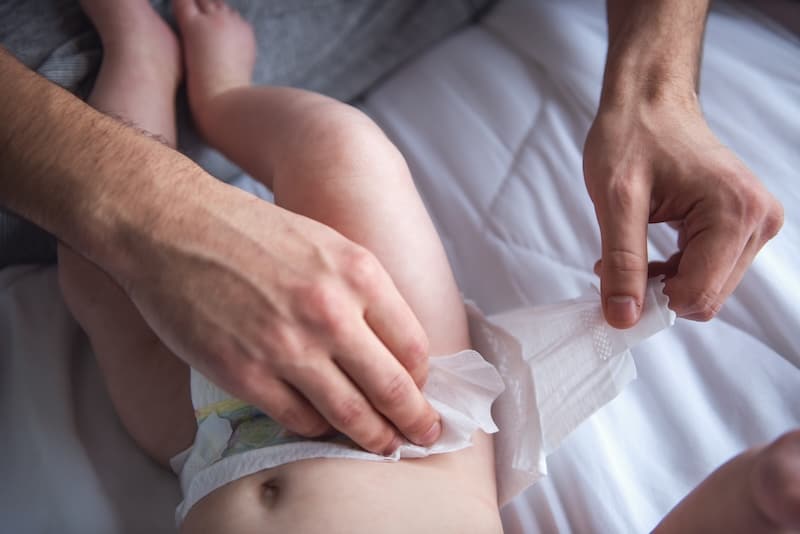
Unfasten the tabs of the soiled diaper and carefully fold them in on themselves to prevent them from sticking to the baby. Use a baby wipe or a damp cloth to clean the diaper area thoroughly. Wipe from front to back for girls and clean the entire area for boys.
Lift the baby’s bottom and slide the soiled diaper out from underneath. Dispose of it in a diaper pail or designated trash can.
Afterwards, ensure the baby’s bottom is completely dry before putting on a fresh diaper to prevent irritation.
Start by gently lifting the baby’s legs to begin the cleaning process for diaper changing.
Here’s a simple guide to help you through the process:
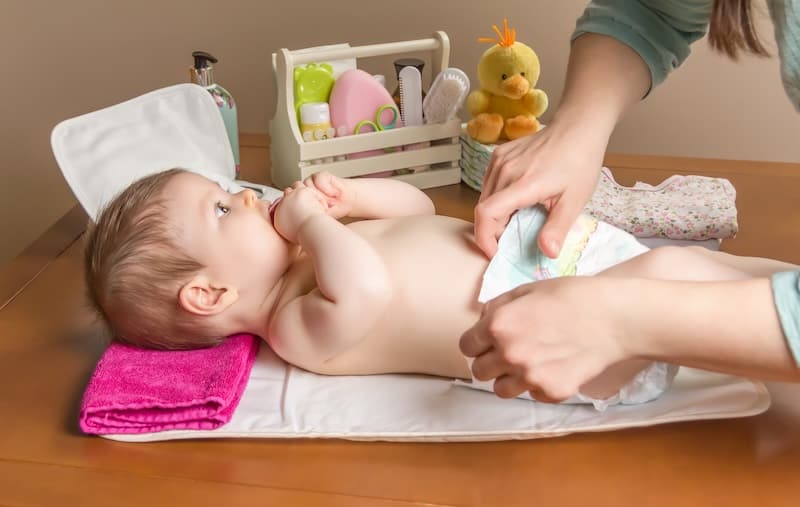
As you gently lift the baby’s legs to begin the cleaning process for diaper changing, the next crucial step is to ensure the diaper area is clean and dry before applying a thick layer of barrier cream to protect the baby’s skin.
The barrier cream, also known as diaper ointment, acts as a protective layer to prevent skin irritation and diaper rash. Gently apply the barrier ointment to the buttocks, groin, and inner thighs, focusing on areas prone to irritation.
Remember to reapply the barrier cream during each diaper change, especially if your baby has a tendency to develop diaper rash. If you use cloth diapers, select a barrier ointment compatible with cloth material to prevent residue buildup.
Placing a fresh diaper on your baby after changing is crucial in maintaining their comfort and hygiene. To ensure a smooth and efficient diapering process, consider the following:
Dispose of the soiled diaper properly and wash your hands before continuing your day. Always keep a stock of fresh diapers and essential supplies at hand, especially on the go, to ensure your baby’s comfort and prevent skin irritation.
After ensuring a snug fit for the fresh diaper, you can proceed with the proper disposal of the soiled diaper, maintaining a clean and hygienic environment for your baby.
When dealing with a poopy diaper, it’s essential to handle it carefully. Begin by folding the diaper in half, using the tabs to secure any mess inside. Then, please place it in a designated diaper pail or a sealed disposable bag.
If using a diaper pail, ensure it has a secure lid to contain odours. Tie the bag tightly for disposable diapers before discarding it in an outdoor trash bin. Regular disposal is crucial to prevent odours and maintain a hygienic space for your baby.
Always wash your hands after handling a soiled diaper for proper hygiene.
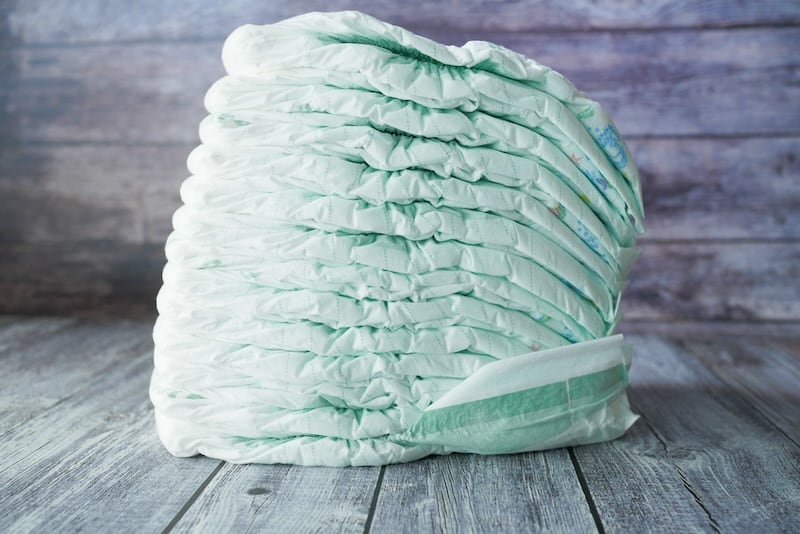
When diapering boys versus girls, it’s important to be mindful of the anatomical differences between the two genders. Remember to wipe from front to back to prevent infections when changing a baby girl’s diaper. For baby boys, ensure to place a clean diaper over the penis and gently point it downwards to prevent leaks.
Here are some tips to consider:
Being attentive to these differences can help ensure the comfort and well-being of the baby.
Remember the importance of keeping the diaper area clean and dry to prevent diaper rash, especially in light of the anatomical differences between boys and girls when changing their diapers.
When preventing diaper rash, being gentle and attentive to your baby’s delicate skin is crucial. Use gentle wipes or a warm, damp cloth to clean your baby’s skin during diaper changes. Pat the skin dry gently before putting on a fresh diaper. Apply a thin diaper cream or ointment layer to act as a protective barrier.
Let your baby’s skin air out for short periods during the day to keep it dry and healthy. Choose diapers designed for sensitive skin and provide good absorbency to minimize the risk of diaper rash.
You should change your baby’s diaper frequently to maintain good skin health and prevent diaper rash. Here are some key points to consider:
If your baby develops a persistent diaper rash that doesn’t improve with home remedies, or if you notice an unusual odour or colour in their stool, it’s important to seek medical advice.
Additionally, if your baby shows excessive crying or discomfort during diaper changes or if you observe any signs of infection, such as redness, swelling, or pus, it’s best to consult a healthcare professional.
Keeping an eye out for these signs can help ensure your baby’s well-being and address any potential issues promptly.
Seeking medical advice from a paediatrician is imperative if your baby experiences persistent diaper rash that doesn’t improve with home remedies. Signs of infection, such as redness, swelling, or pus, warrant seeking medical attention for persistent diaper rash.
If your baby shows signs of discomfort or pain during diaper changes, consulting a paediatrician is recommended. Frequent or severe diaper blowouts may indicate an underlying issue, and seeking medical advice is important.
If you have any concerns or questions about your baby’s diaper-changing routine, it’s advisable to seek guidance from a paediatrician. Remember, your baby’s comfort and well-being are a top priority.
In the event of noticing an unusual odour or colour in your baby’s diaper, especially if it’s persistent, seeking medical advice is crucial. A foul or strong odour, especially accompanied by unusual colour, could indicate an infection or digestive issue.
Green, black, or red stool or an extremely strong or unusual smell may warrant contacting your paediatrician for further evaluation. Changes in stool colour or odour can sometimes signal a health issue, so it’s important to consult a healthcare professional if you notice anything unusual.
Trust your instincts; if something seems off about your baby’s stool or diaper odour, don’t hesitate to contact your paediatrician for guidance.
You may notice excessive crying or discomfort during diaper changes, which can signal the need to seek medical advice promptly. When encountering these situations, consider the following signs as potential indicators for seeking medical advice:
Trust your instincts as a parent and seek prompt medical evaluation if you notice these signs during diaper changes.
If you notice persistent redness, swelling, or pus in your baby’s diaper area, it may indicate an infection, prompting the need to consult a paediatrician. Signs of infection in the diaper area, such as frequent diaper blowouts accompanied by unusual redness, swelling, or pus, shouldn’t be overlooked.
If your baby shows signs of discomfort or pain during diaper changes, it may also be indicative of an infection, necessitating medical attention. Additionally, a persistent diaper rash that doesn’t improve with home remedies or over-the-counter treatments should prompt a consultation with a paediatrician to rule out infection.
When in doubt about the severity of a diaper rash or signs of infection, it’s essential to seek medical advice from a paediatrician to ensure your baby’s health and well-being.
Now that you’ve mastered the art of changing diapers, you have the power to provide the best care for the little one in your life. By following these guidelines, you can ensure their comfort and health while creating a clean and pleasant experience.
Remember, each diaper change is an opportunity to shower the baby with love and care, so embrace this important task with confidence and compassion.

Infant
Safe sleep for babies, the rules health bodies give for where and how a baby sleeps, comes down to a few habits…

Infant
Infant care in Singapore is licensed care for babies from 2 months up to 18 months, full-day or half-day. At a centre…
Infant
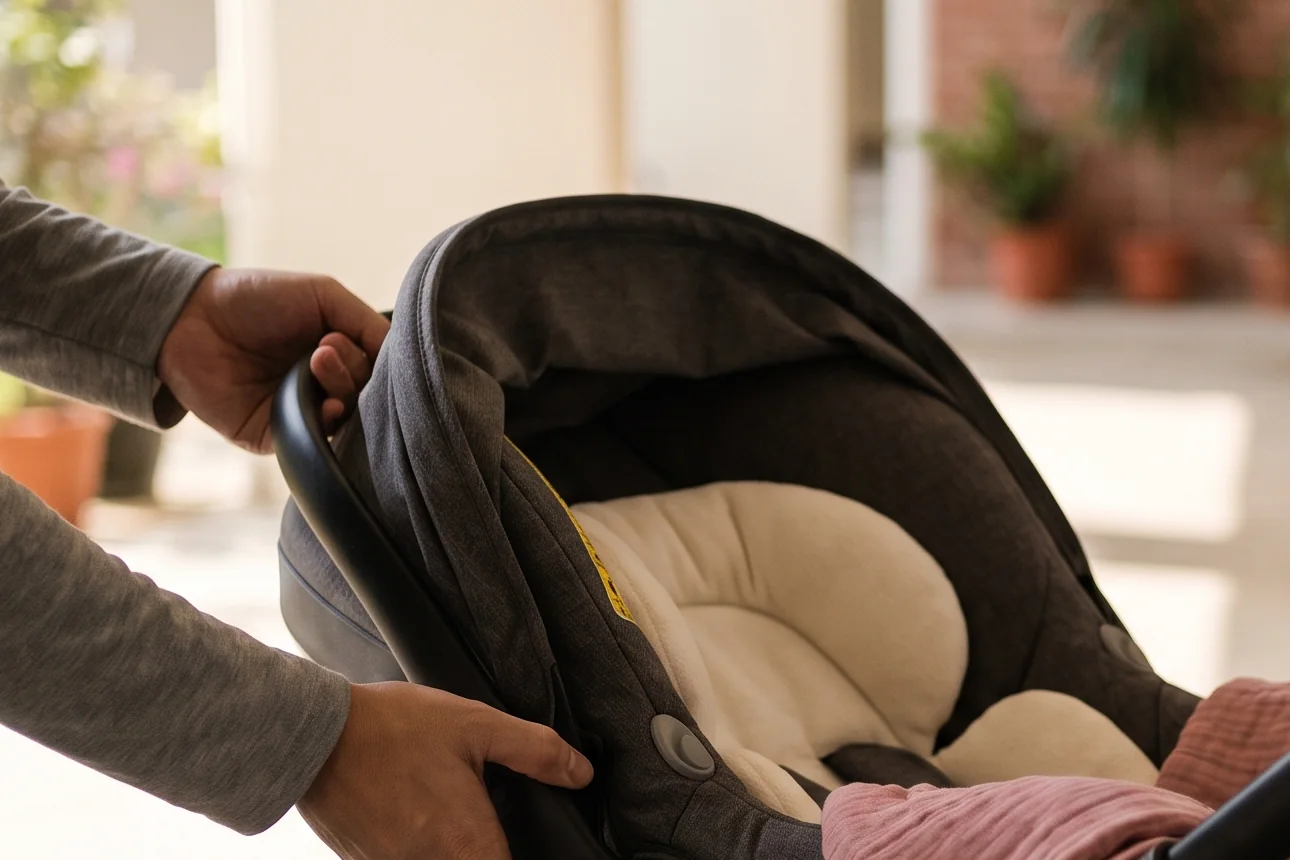
A travel system is an infant car seat paired with a stroller, so the seat lifts out of the car and clicks…