

Infant
Safe sleep for babies: where and how your baby should sleep
Safe sleep for babies, the rules health bodies give for where and how a baby sleeps, comes down to a few habits…
Infant
Acid reflux happens when your baby's stomach contents flow back up, leading to spit-up during or after feeds. Most cases are normal, peaking at 4-5 months old. While mild reflux affects 20-30% of babies and usually clears by their first birthday, watch out for: Forceful vomiting Refusing feeds Poor weight gain To manage reflux :…
Acid reflux happens when your baby’s stomach contents flow back up, leading to spit-up during or after feeds. Most cases are normal, peaking at 4-5 months old.
While mild reflux affects 20-30% of babies and usually clears by their first birthday, watch out for:
Forceful vomiting
Refusing feeds
Poor weight gain
To manage reflux:
Keep baby upright after feeds
Burp frequently
Give smaller feeds more often
Visit your polyclinic or paediatrician if symptoms are severe or you’re concerned about your baby’s growth.

Normal reflux in babies typically peaks at 4-5 months and resolves by their first birthday, with most babies remaining happy and feeding normally.
Warning signs requiring medical attention include poor weight gain, forceful vomiting, blood in vomit/stool, persistent coughing, and feeding resistance.
Hold baby upright for 30 minutes after feeding and burp frequently during meals to help reduce reflux symptoms.
Common medical causes include GERD, cow’s milk protein intolerance, and pyloric stenosis, with premature infants facing higher risks.
Treatment options range from lifestyle changes to acid-suppressing medications, with surgery rarely needed for most cases.
Babies commonly spit up in their first year. Normal reflux peaks at 4-5 months and typically resolves before their first birthday, with babies staying happy and feeding normally.
<blockquote>Spitting up involves contents from the baby’s stomach flowing out easily and without distress, while vomiting involves muscle contractions that can cause discomfort.</blockquote>
See a doctor at your nearest polyclinic or paediatric clinic if your baby shows:
Poor weight gain
Forceful vomiting
Feeding resistance
Blood in vomit/stool
Persistent coughing
Breathing difficulties
These symptoms might indicate gastroesophageal reflux disease (GERD) or other serious conditions needing medical attention.
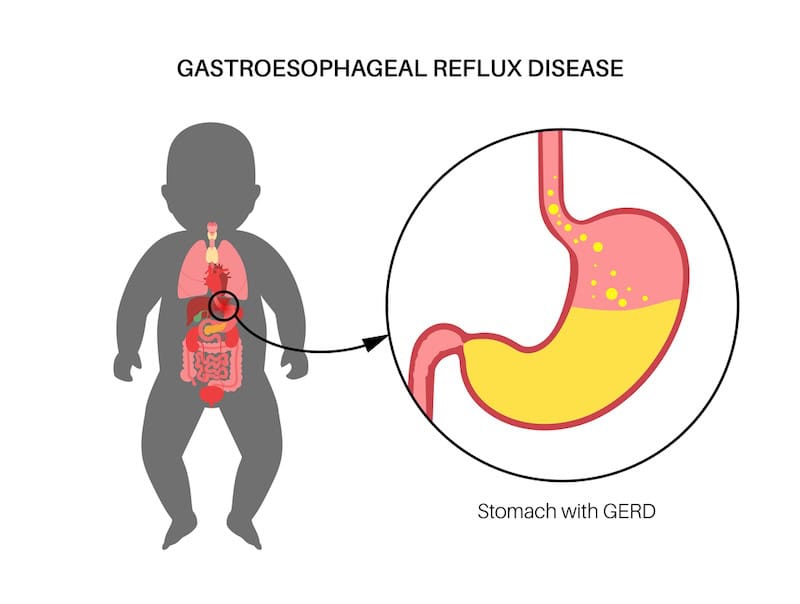
Gastroesophageal reflux disease (GERD) is a more severe form of gastroesophageal reflux that can cause significant discomfort and feeding issues in infants. Unlike typical reflux, which most babies outgrow by their first birthday, GERD persists and can interfere with a baby’s ability to feed and gain weight. This condition occurs because the lower esophageal sphincter (LES) muscle, which acts as a valve between the esophagus and the stomach, is not fully developed in babies. As a result, stomach contents, including acid, can flow back up into the esophagus, leading to symptoms such as spitting up, vomiting, and poor weight gain. If your baby’s symptoms are severe or last beyond 12 to 14 months, it’s essential to consult a healthcare provider for proper diagnosis and treatment.

Watch for signs that require medical attention beyond normal reflux spitting:
Key warning signs:
Crying/arching back during feeds
Projectile vomiting
Green/yellow vomit
Blood in spit-up
Poor weight gain/loss
Visit your nearest polyclinic or children’s hospital if these symptoms occur.
For emergencies after hours, head to KK Women’s and Children’s Hospital or National University Hospital’s Children’s Emergency.
Several medical conditions can cause acid reflux in infants. Common triggers include GERD (gastroesophageal reflux disease), cow’s milk protein intolerance, and rare conditions like pyloric stenosis.
Premature babies and those with neurological conditions face higher risks. Regular check-ups at polyclinics or paediatric clinics help monitor symptoms and determine appropriate treatment.
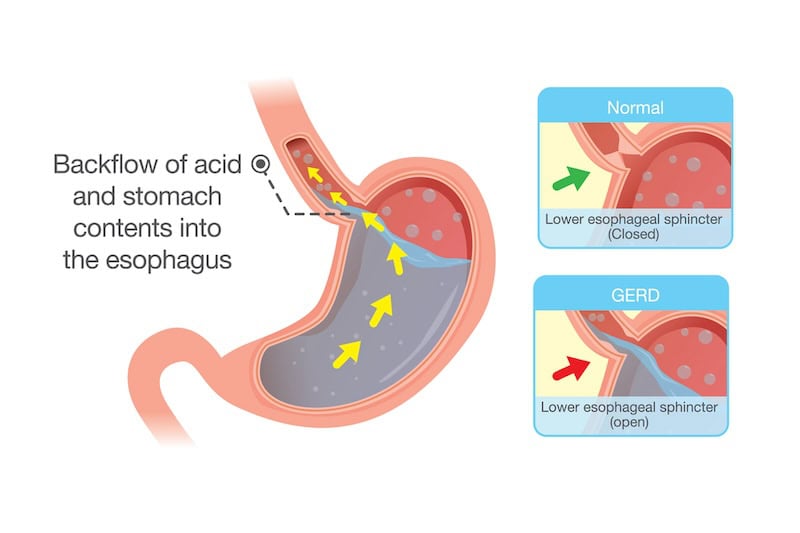
Key factors causing infant acid reflux include both medical conditions and external triggers.
Main risk factors:
Premature birth affecting esophageal muscle development
Neurological conditions (cerebral palsy)
Lung conditions (cystic fibrosis)
Previous esophageal surgery
Diagnosing acid reflux in infants starts with medical checks at polyclinics or paediatric clinics across Singapore.
<blockquote>Initial medical assessments for infant acid reflux begin at Singapore’s network of polyclinics and pediatric facilities.</blockquote>
For persistent symptoms, patients are typically referred to specialist centres like KK Women’s and Children’s Hospital or National University Hospital.
Key tests include:
Upper GI X-rays with barium
24-hour pH monitoring to track acid levels
Endoscopy when necessary
Fees range from S$80-S$200 for basic consultations to S$400-S$800 for specialized tests before MediSave and subsidies.

Simple home tips to manage your baby’s acid reflux:
Hold baby upright 30 minutes after feeding
Burp gently during and after meals
Feed in smaller portions, more often
Feed baby at a slight angle with proper head support
In Singapore, paediatricians treat infant acid reflux with acid-suppressing medications like PPIs or H2 blockers when natural remedies fail.
It’s important to note that feeding changes can significantly help manage baby’s reflux symptoms. Practical advice includes keeping the baby upright during and after feedings, offering smaller, more frequent meals, and ensuring proper burping. Baby’s reflux is often a temporary issue requiring minimal intervention.
Costs range from SGD 40-135 per month, depending on medication type and dosage.
For severe cases, doctors may prescribe prokinetic agents or formula thickeners.
Most polyclinics in Singapore offer subsidised infant care services. Treatment is typically subsidised under MediSave for Singaporean citizens and permanent residents.
Surgery is rarely needed for acid reflux in babies, but it may be considered in severe cases where the baby is not gaining weight or has significant breathing problems due to reflux. The surgical procedure, known as fundoplication, involves tightening the lower esophageal sphincter (LES) to prevent stomach acid from flowing back into the esophagus.
This is typically done laparoscopically, using small incisions and a camera to guide the surgery. While surgery is generally a last resort, it can be an effective solution when other treatments have failed. Always discuss the risks and benefits with your paediatrician to determine the best course of action for your baby.

Keep baby upright during feeds and 30 minutes after to reduce reflux.
Use these basic positions:
Hold the baby at a 30-45 degree angle for bottle feeds
Keep baby’s head higher than stomach during breastfeeding
Give smaller feeds more often
Burp every 60-90ml during bottle feeds or when changing breasts
For specific advice on feeding positions, consult your local paediatrician or visit polyclinics in your neighbourhood.
Breastfeeding mums can manage their baby’s acid reflux through diet changes.
Consider removing dairy products from your diet, as they may affect your baby through breast milk. Keep a food diary to identify what triggers your baby’s reflux.
Keeping a food diary while eliminating dairy can help breastfeeding mothers identify and avoid foods that trigger their baby’s reflux symptoms.
Eat smaller portions more often, focusing on fruits, vegetables, whole grains, and lean proteins.
Safe sleep practices help manage your baby’s acid reflux:
Put baby on back to sleep with head slightly raised.
Wait 30 minutes after feeding before laying the baby down.
Use a firm mattress, and remove soft bedding and pillows.
Check the sleep area regularly.
Always follow your paediatrician’s advice for your baby’s specific needs.
Most babies outgrow reflux by age one, but prolonged GERD symptoms need attention in Singapore’s healthcare setting.
Untreated GERD can cause breathing issues like asthma and esophagitis. Parents should consult polyclinic doctors or paediatricians at restructured hospitals to monitor their child’s digestive health, especially if symptoms continue past infancy.
Manage baby’s acid reflux with these key steps:
Managing your baby’s acid reflux requires specific steps to minimize discomfort and ensure proper feeding and digestion.
Keep baby upright 30 minutes after feeding and offer smaller, frequent feeds. For bottle-fed babies, an anti-colic bottle is one of the first things parents try, and check with your local paediatrician at a polyclinic or hospital about suitable formula options.
Essential practices:
Regular burping during and after feeds
Avoid tight clothes and diapers
Slightly elevate baby’s head during sleep
Feed in quiet settings to reduce air intake
Severe acid reflux and GERD can affect your baby’s growth when feeding becomes difficult.
Common signs include poor weight gain and missed developmental milestones.
Regular vomiting and feeding problems may lead to nutritional gaps affecting growth.
Monitor your baby’s weight and consult your paediatrician at your nearest polyclinic or hospital.
Quick treatment is important to prevent breathing issues and developmental delays.

Call your doctor immediately if your baby shows these warning signs:
Forceful or projectile vomiting
Green or yellow vomit
Blood in spit-up or stools
Swollen or tender stomach with unusual crying
Consistent feeding refusal
For urgent cases after clinic hours, head to KK Women’s and Children’s Hospital (KKH) or National University Hospital (NUH) Children’s Emergency.
These symptoms may indicate serious conditions beyond normal reflux.
Managing a baby with acid reflux in Singapore? Get help through:
Parent support groups via KKH and NUH parent forums
Medical support from polyclinics and paediatricians
Parenting workshops at community centers
Key resources:
Hospital support groups: Free
Private pediatrician visits: $120-200 per consultation
Visit government hospitals’ websites or call their hotlines for appointments and program schedules.
Most polyclinics offer subsidized consultation rates with valid CHAS cards.
Like a baby learning to walk, acid reflux is part of your infant’s growth journey.
Most cases naturally clear up when your little one’s digestive system matures, typically between 12-18 months. While TCM practitioners might suggest traditional remedies, sticking to medically proven strategies is your safest bet.
Want to learn more about managing your baby’s reflux and other common infant conditions in Singapore’s climate? Browse our parenting guides for local insights and expert tips.

Infant
Safe sleep for babies, the rules health bodies give for where and how a baby sleeps, comes down to a few habits…

Infant
Infant care in Singapore is licensed care for babies from 2 months up to 18 months, full-day or half-day. At a centre…
Infant
A travel system is an infant car seat paired with a stroller, so the seat lifts out of the car and clicks…