
Newborn
How to hire a confinement nanny in Singapore: the MOM permit, dates and costs
To hire a confinement nanny from Malaysia, you apply to Singapore's Ministry of Manpower (MOM) for a Work Permit for confinement nanny….
Newborn
If you're seeking methods to help your baby sleep more peacefully, swaddling your little one may hold the key. Swaddling, with its snug wrapping and soothing environment, not only encourages better sleep but also aids in preventing startling awakenings. Furthermore, it's thought to reduce the risk of Sudden Infant Death Syndrome (SIDS), making it a…
If you’re seeking methods to help your baby sleep more peacefully, swaddling your little one may hold the key. Swaddling, with its snug wrapping and soothing environment, not only encourages better sleep but also aids in preventing startling awakenings.
Furthermore, it’s thought to reduce the risk of Sudden Infant Death Syndrome (SIDS), making it a valuable practice for infant care.
As you explore the topic, understanding the benefits and best practices of swaddling will ensure a safer and more restful experience for your baby. Some parents pair swaddling with baby pacifiers for settling, which we cover separately.
Understanding swaddling involves learning how to safely and effectively wrap your baby in a blanket for comfort and better sleep. When swaddled correctly, babies experience improved sleep by feeling secure and cozy.
However, it’s crucial to swaddle your baby safely to reduce the risk of hip dysplasia and ensure their overall well-being. Always place a swaddled baby on their back to sleep, and discontinue swaddling once they start attempting to roll over, typically around 2 months of age.
Consider using wearable blankets or sleep sacks as an alternative to swaddling to provide a safe sleep space without loose bedding.
Remember to follow the safe sleep guidelines from the American Academy of Pediatrics, avoiding loose blankets and ensuring the baby sleeps in their own crib or bassinet for a safe and peaceful slumber.
Swaddling your baby offers numerous benefits for both their comfort and sleep quality. When you swaddle your baby, you’re helping them in more ways than one. Here are the benefits of swaddling your baby:
When choosing the right swaddle blanket for your baby, opt for a lightweight and breathable option to prevent overheating. Look for swaddle blankets made from soft, stretchy muslin fabric, which is gentle on your baby’s delicate skin and allows for natural movement.
Ensure that the blanket is large enough to securely wrap around your baby’s chest and snugly around their legs, but not too tight to allow healthy hip development.
As your baby grows and shows signs of rolling over, transition to wearable blankets or sleep sacks to provide warmth without the need for swaddling.
It’s crucial to stop swaddling once your baby starts attempting to roll over, typically around 2 months of age, to reduce the risk of suffocation and SIDS.
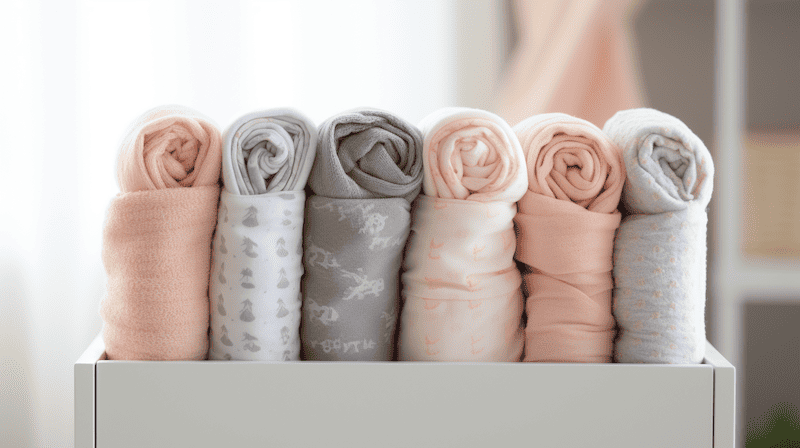
Now that you’ve learned about choosing the right blanket for swaddling let’s walk through the step-by-step process of swaddling your baby for a safe and soothing experience.
Always lay your baby on their back to ensure safe swaddling and leave enough room for their hips to move freely within the blanket. It’s crucial to avoid overheating, so dress your baby in a light sleeper underneath the swaddle if the room is chilly.
Make sure the swaddle is snug but not too tight to prevent the blanket from coming undone and covering the baby’s face. Additionally, regularly check the baby’s temperature and remove the swaddle if they feel too warm.
Always place your baby to sleep on a firm mattress with no other bedding or soft objects in the crib to reduce the risk of suffocation.
You should know the potential risks associated with swaddling your baby to make informed decisions about their sleep safety.
It’s crucial to prioritize your baby’s safety when considering swaddling options, and always be mindful of the potential risks associated with swaddle wraps.
Recognize when it’s time to stop swaddling your baby by observing signs of increased mobility and attempts to roll over, as this indicates the need to prioritize your baby’s safety during sleep. When your baby shows these signs, it’s essential to stop swaddling altogether.
The International Hip Dysplasia Institute advises that swaddling a baby with their legs extended and pressed together may increase the risk of hip problems. As your baby grows more mobile, it’s crucial to transition to alternative sleep arrangements.
Always ensure your baby sleeps on their back to reduce the risk of SIDS. Remember, the safety and well-being of your baby are paramount, so be attentive to their developmental milestones, and when they start showing signs of increased movement, it’s time to discontinue swaddling for their safety.
For the full set of safe sleep rules beyond swaddling, from room sharing to a clear cot to keeping your baby cool, see our guide to safe sleep for babies.
Soft, breathable sleep sacks are a popular alternative to swaddling for keeping your baby snug and secure while allowing for more freedom of movement. Consider these options for keeping your baby warm and secure:
When considering swaddling and its impact on sleep patterns, it is important to prioritize safe sleep positioning and monitoring for your baby’s well-being. Swaddling can contribute to your sleeping baby’s comfort and promote deep sleep, but it’s crucial to be mindful of your baby’s body and the potential risks associated with swaddling. Here are some key points to consider:
Key Considerations Details Safe Sleep Positioning Always place a swaddled baby on their back to reduce SIDS risk Monitoring for Rolling Over Stop swaddling when the sleeping baby attempts to roll over Alternatives to Swaddling Consider using wearable blankets or sleep sacks Avoiding Loose Blankets Ensure the sleep space is free of loose bedding or soft objects Promoting Deep Sleep Swaddling can contribute to your baby’s comfort and deep sleep.

If you’re worried about swaddling your baby, it’s important to understand and address common concerns to ensure your baby’s safety and well-being.
Here are some common swaddling concerns to be aware of:
Being mindful of these concerns will help you swaddle your baby safely and effectively.
As a new parent, swaddling your baby can provide comfort, security, and better sleep. Understanding the benefits, safety tips, and when to stop swaddling will help you navigate this practice with confidence.
Whether you choose traditional blankets or pre-wrapped swaddles, creating a cosy environment for your little one is essential. By following guidelines and staying informed, you can ensure that swaddling is a valuable tool for promoting healthy sleep patterns and overall well-being for your baby. There is more on this stage in our newborn guides.
If you also carry your baby in a wrap or carrier during the day, our newborn carrier guide covers the same hip-safety check.

Newborn
To hire a confinement nanny from Malaysia, you apply to Singapore's Ministry of Manpower (MOM) for a Work Permit for confinement nanny….

Newborn
The Baby Bonus Cash Gift is S$11,000 for a first or second child and S$13,000 for a third child onwards, for Singapore…
Newborn
Birth admin in Singapore starts with one legal deadline: register your baby's birth with the Immigration & Checkpoints Authority (ICA) within 42…