

Newborn
How to hire a confinement nanny in Singapore: the MOM permit, dates and costs
To hire a confinement nanny from Malaysia, you apply to Singapore's Ministry of Manpower (MOM) for a Work Permit for confinement nanny….
Newborn
Learn how menstruation impacts breastfeeding and practical strategies to maintain milk supply during your period.
Many breastfeeding mothers notice changes when their period returns after childbirth. You might wonder if your menstrual cycle affects your breast milk or if those temporary dips in supply are normal. Hormonal changes during menstruation can impact breast milk production, leading to temporary decreases in supply. To boost breast milk supply during this time, consider strategies such as frequent nursing, staying hydrated, and ensuring a balanced diet. The good news is that continuing to breastfeed during menstruation is perfectly safe, though you may experience some changes that are worth understanding.
In this article, you’ll learn when to expect your period to return, how hormonal shifts might affect your milk supply, practical strategies to maintain breastfeeding through menstruation, and important information about fertility while nursing.
The return of menstruation after giving birth varies widely among women. For some mothers, periods resume as early as five to six weeks postpartum, while others may not menstruate for a year or longer.
Breastfeeding delays the return of menstruation through a process called lactational amenorrhea. When a baby nurses, it triggers the release of prolactin, the hormone responsible for milk production. Higher prolactin levels suppress reproductive hormones, preventing ovulation and menstruation.
Mothers who breastfeed exclusively (no formula or solid foods) and nurse frequently (including nighttime feedings) typically experience a longer delay before their period returns. Research shows that about 70% of women who exclusively breastfeed remain period-free for at least six months.
Several factors may trigger the return of menstruation:
Introducing solid foods to your baby
Decreased nursing frequency or duration
Baby sleeping longer stretches at night
Supplementing with formula
Baby naturally reducing nursing sessions as they grow
Your first few periods after childbirth may differ from your pre-pregnancy cycle, especially if you are experiencing your period while breastfeeding, as breastfeeding can delay the onset of menstruation. Many women notice:
Irregular timing between periods
Heavier or lighter flow than before
Different cramping sensations
Longer or shorter duration
These differences often stabilize over time as your hormonal balance adjusts to your new normal.
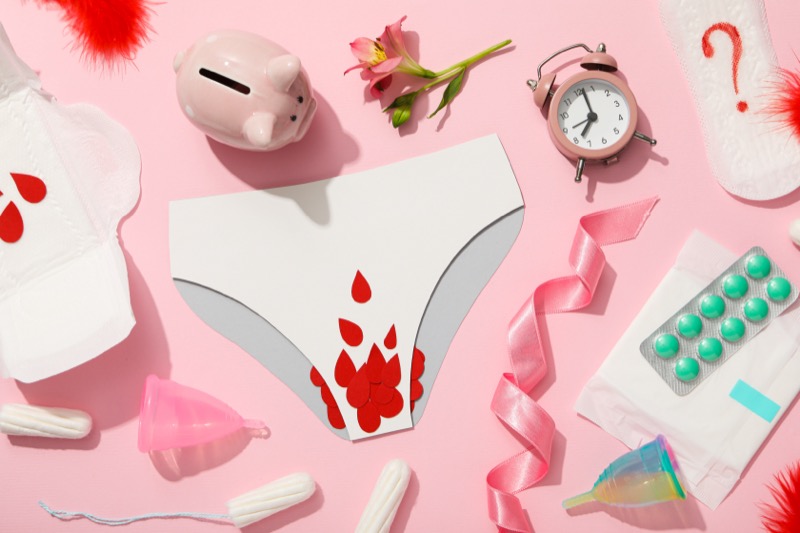
The hormonal fluctuations of your menstrual cycle can temporarily affect breast milk supply. Understanding these changes helps explain what you might experience. To increase milk production during menstruation, consider incorporating lactogenic foods like oats, flaxseeds, fenugreek, and fennel into your diet.
During the menstrual cycle, levels of estrogen and progesterone rise and fall. The week before your period starts, these hormones increase, potentially interfering with milk production since they counteract prolactin, the milk-making hormone.
Once your period begins, hormone levels shift again, and milk supply typically returns to normal. This pattern explains why some mothers notice changes in their milk right before menstruation.
Research suggests that approximately 15-45% of breastfeeding mothers notice a temporary decrease in milk supply during menstruation. This drop most commonly occurs 3-4 days before your period starts and may last through the first few days of bleeding.
Signs of a temporary supply dip might include:
Baby seeming more frustrated at the breast
Shorter nursing sessions
Baby wanting to nurse more frequently
Baby seeming less satisfied after feeds
For most women, this decrease is minor and resolves quickly without intervention.
Beyond supply changes, some mothers report alterations in their milk during menstruation:
Slight changes in milk taste due to shifts in sodium and chloride content
Some babies may be more sensitive to these taste changes
Calcium levels in breast milk may decrease slightly around menstruation
These changes are temporary and don’t reduce the nutritional quality of your milk.
If you notice supply changes during your menstrual cycle, several strategies can help maintain breastfeeding success.
If your supply stays low outside your cycle, our guide on how to increase milk supply covers what the evidence supports.
The most effective way to boost milk production is to remove milk more often:
Offer the breast more frequently, even if for short sessions
Try breast compression during feeding to ensure effective milk transfer
Consider adding an extra nursing session or two during supply dips
Your body needs adequate resources to produce milk:
Drink water throughout the day, especially when you feel thirsty
Focus on balanced meals with protein, healthy fats, and complex carbs
Some mothers find that iron-rich foods help both with milk production and managing menstrual symptoms

For working mothers or those who regularly express milk:
Pump after nursing to remove additional milk and signal your body to produce more
During supply dips, consider adding a pumping session
Ensure your pump flanges fit properly for maximum efficiency
Some mothers find certain supplements helpful during menstrual-related supply dips:
Calcium and magnesium supplements may help, as calcium levels can decrease during menstruation
Some herbal supplements like fenugreek, blessed thistle, or moringa show promise for some women
Always check with your healthcare provider before starting any supplement
Physical comfort during breastfeeding can change when your period returns.
Many women experience sore nipples due to hormonal changes right before and during menstruation, leading to more sensitive or tender nipples:
Try different nursing positions that put less pressure on sensitive areas
Apply warm compresses before nursing to reduce discomfort
Ensure proper latch to minimize additional discomfort
Some babies react to subtle changes in milk taste during menstruation:
Most babies adapt without issue
Some may briefly seem fussier or distracted while nursing
Others might nurse more frequently to compensate for any supply changes
These reactions are typically temporary and resolve as your cycle progresses.
Understanding the relationship between breastfeeding and fertility helps you make informed family planning decisions.
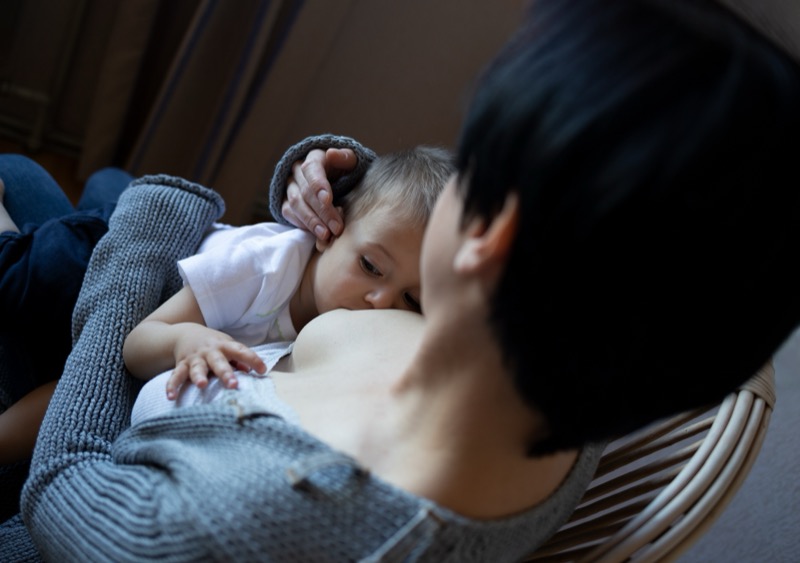
The Lactational Amenorrhea Method (LAM) can be an effective form of birth control if you meet all these criteria:
Your baby is under six months old
You’re breastfeeding exclusively (no formula or solid foods)
You’re nursing frequently, including at night
Your period hasn’t returned
When all these conditions are met, LAM is about 98% effective at preventing pregnancy for the first six months postpartum.
An important fact to remember: ovulation happens about two weeks before menstruation. This means you can become pregnant before your first postpartum period returns.
If you’re not planning another pregnancy soon, consider discussing birth control options with your healthcare provider, even if your period hasn’t returned.
Several birth control methods are compatible with breastfeeding:
Barrier methods (condoms, diaphragms)
Progestin-only pills (“mini-pills”)
Hormonal and non-hormonal IUDs
Implants
Estrogen-containing contraceptives (like combined birth control pills) may affect milk supply for some women, especially in the early months of breastfeeding.
While temporary changes during menstruation are normal, sometimes additional support is helpful.
Your baby shows signs of not getting enough milk (fewer wet diapers, poor weight gain)
The drop in milk supply lasts longer than a few days after your period starts
You experience severe breast pain during menstruation
You notice blood in your breast milk
A lactation consultant can provide personalized guidance if you’re struggling with:
Significant supply drops during menstruation
Baby refusal or difficulty nursing during your period
Developing a plan to maintain supply with returning fertility
The return of menstruation is a normal phase in your postpartum journey. Remember that millions of mothers successfully breastfeed through many menstrual cycles without problems.
Your body is designed to continue producing nutritious milk for your baby even as your reproductive system resumes its monthly cycle. The temporary changes you might notice around your period don’t diminish the value of the milk you provide or the breastfeeding relationship you’ve built.
By understanding what to expect and having strategies ready for any challenges, you can continue breastfeeding for as long as you and your baby desire—menstruation included.

Newborn
To hire a confinement nanny from Malaysia, you apply to Singapore's Ministry of Manpower (MOM) for a Work Permit for confinement nanny….

Newborn
The Baby Bonus Cash Gift is S$11,000 for a first or second child and S$13,000 for a third child onwards, for Singapore…

Newborn
Birth admin in Singapore starts with one legal deadline: register your baby's birth with the Immigration & Checkpoints Authority (ICA) within 42…