
Infant
Safe sleep for babies: where and how your baby should sleep
Safe sleep for babies, the rules health bodies give for where and how a baby sleeps, comes down to a few habits…
Infant
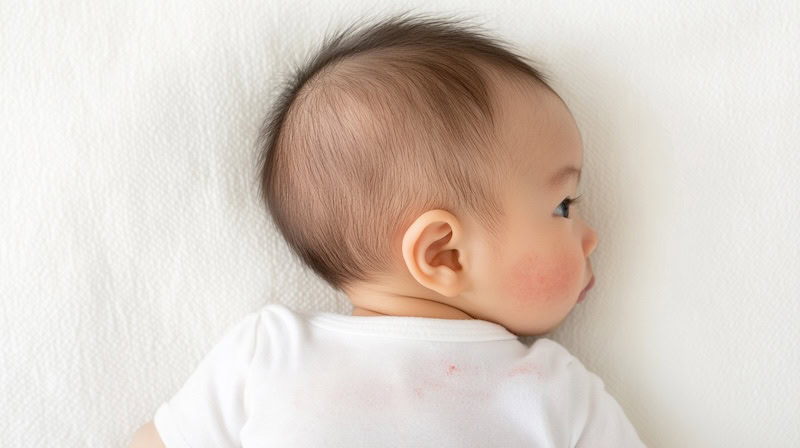
Infant lying down with a heat rash visible on his cheek. Phew! Is it just me or are the days getting hotter every year? I step outside, and it’s like walking into a sauna. No wonder we’re all turning up the AC! Many parents worry about using an air conditioner for their babies during extreme…
Phew! Is it just me or are the days getting hotter every year? I step outside, and it’s like walking into a sauna. No wonder we’re all turning up the AC! Many parents worry about using an air conditioner for their babies during extreme heat, wondering if it’s safe or if it could cause problems. As a new parent, I can’t help but wonder how all this artificial cool air is affecting my little one. I mean, babies are so tiny and fragile right? I started thinking: what’s the deal with air conditioning and infants? Is it a lifesaver or something to be cautious about? Let’s get into this cool topic (pun intended!) and figure out how to keep our tiny humans comfy and safe in this hot hot world.
Newborns can’t regulate their body temperature as well as adults. Knowing the normal body temperature for newborns is key, as keeping them at the right temperature is crucial for their health and development. They’re so small and have such a high surface area to weight ratio they can get cold or hot so quickly. Maintaining the right temperature helps a baby’s body retain body heat and conserve energy, which is important for their health and development. Because a baby’s body is less efficient at conserving energy due to rapid heat loss, careful temperature regulation is essential.
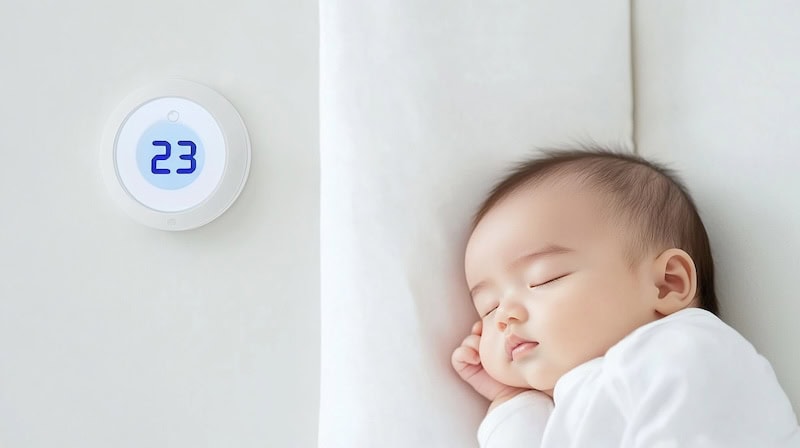
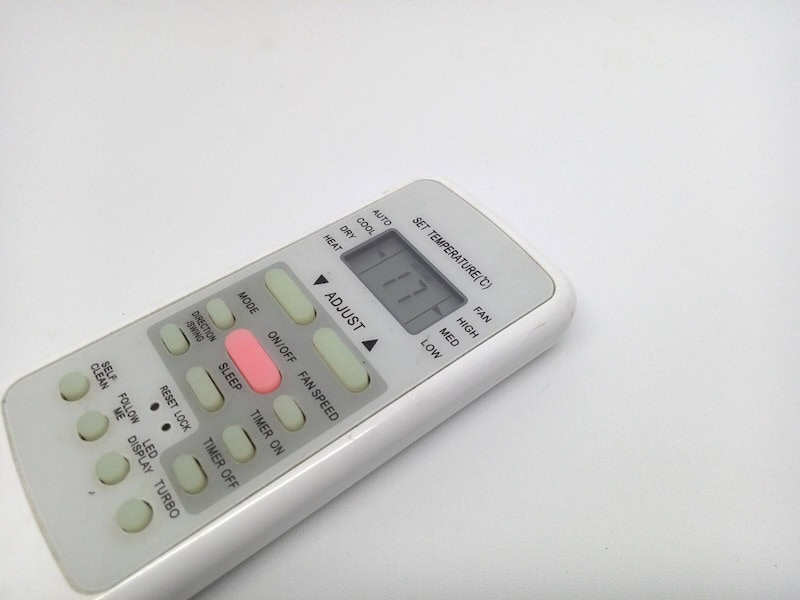
Experts recommend the room temperature be between 23-25°C for infants. Use a room thermometer to monitor the temperature near your baby’s crib. This range is the suitable temperature and falls within the optimal range for infants, supporting their health and well-being. Setting the ac temperature to the ideal aircon temperature (within this optimal temperature range) helps maintain a safe and comfortable environment for your baby.
A stable temperature is key to a baby’s health. High temperatures can cause heat rash, a condition where the sweat ducts are blocked and causes red itchy skin. Exposure to warm air for extended periods can also be uncomfortable and potentially unsafe for infants. Frequent temperature fluctuations can stress out newborns and can lead to disrupted sleep or more serious health issues. High temperatures and humidity can cause heat stroke, a potentially life-threatening condition where the body overheats and dehydrates. By keeping the room within the ideal range, you’re creating a safe and cosy space for your tiny human.
A good night’s sleep is essential for baby’s growth and development. Air conditioning can regulate the room temperature and create an environment for deep and restful sleep. Maintaining the right temperature not only promotes deep sleep but also supports healthy sleep patterns in babies. A cool environment helps babies sleep longer and more soundly by minimizing disruptions caused by discomfort from heat or cold.
Feeding sessions whether breast or bottle feeding require a calm and comfortable environment. With air conditioning you can create a consistent and pleasant atmosphere for feeding times for you and your baby. A comfortable baby will feed better and overall be better nourished and grow.
During hot months babies are more prone to heat exhaustion as they can’t regulate their body temperature as well as adults. Using air conditioning effectively reduces the risk of overheating by keeping the temperature within the recommended range (23-25°C). This will keep your baby safe and comfortable even when it’s boiling outside.
While air conditioning has many benefits it’s important to be aware of the risks when using it around infants. Improper use of air conditioning can make a baby sick, leading to symptoms like a runny nose or making the baby uncomfortable. Positioning an air vent away from the baby’s crib is key to a safe sleeping environment. Regularly checking the position of air vents is also important to prevent cold air blasts from hitting the baby and compromising their body temperature and comfort.
There’s some concern that air conditioning can contribute to Sudden Infant Death Syndrome (SIDS). Make sure the baby isn’t too cold or too hot.
Babies are more prone to dehydration and hypothermia due to their underdeveloped thermoregulation system. Signs of dehydration:
Signs of hypothermia:
Dry air from air conditioning units can cause respiratory issues in babies, as air conditioning reduces humidity, which can contribute to these problems. Watch for:
Regular maintenance of your AC and proper humidity levels can help minimize these risks.
When it comes to your baby’s health, air quality in the nursery is just as important as keeping the right room temperature. Air conditioning can help you create a safe and comfortable environment, but it’s important to be mindful of how it affects your baby’s body temperature and overall well-being.
The ideal room temperature for a baby is generally between 20-22°C, which not only helps your little one sleep better but also reduces the risk of sudden infant death syndrome (SIDS). However, while air conditioning keeps the room cool, it also reduces humidity levels. This can sometimes lead to dry skin or stuffy noses, especially for babies with sensitive skin.
To keep your baby comfortable in an air conditioned room, consider using a cool mist humidifier. This helps maintain healthy humidity levels and prevents dry skin or respiratory discomfort. Good air circulation is also key—use a fan on a gentle setting or adjust your air conditioning unit to circulate air without creating cold drafts. And don’t forget to clean your aircon filters regularly! Dust and allergens can build up quickly, affecting air quality and potentially causing health problems for your baby.
Maintaining a stable temperature is crucial. Babies are sensitive to sudden temperature changes, which can make it harder for them to regulate their body temperature. Dress your baby in light, breathable clothing and use a light blanket or sleep sack to help them stay at a comfortable temperature. Always check your baby’s chest or back to make sure they’re not too hot or too cold, and adjust the aircon temperature as needed to keep the environment just right.
When choosing an air conditioning unit for your baby’s room, look for features like precise temperature control, quiet operation, and built-in air purification or humidity control. These can help you maintain a stable, healthy environment where your baby can sleep, play, and grow.
By taking these simple steps—using a cool mist humidifier, ensuring good air circulation, keeping your AC unit clean, and monitoring your baby’s comfort—you can protect your baby from air quality issues and create a safe, healthy space for them to thrive. If you ever have concerns about your baby’s health or the air quality in their room, don’t hesitate to consult your pediatrician for advice tailored to your family’s needs.
Baby safety in air-cond environment involves dressing your baby properly. Babies are more sensitive to temperature changes than adults so dress them in a way that keeps them comfortable without overheating or chilling.
Dressing recommendations for infants based on ambient temperature:

Monitoring your baby in an air-conditioned room is important. Babies can’t tell us when they’re too hot or cold, so we need to look for signs.
Key indicators:
Baby safety in AC:
Now you know the signs and practices to keep your baby safe and comfortable in air-conditioned space.
When looking for options beyond traditional air conditioning, air coolers or evaporative coolers can be a great choice for your baby’s room. Here are the benefits:
When using an air cooler, make sure to keep it clean. Dirty water tanks can be breeding grounds for bacteria and mosquitoes, which can be harmful to your baby.
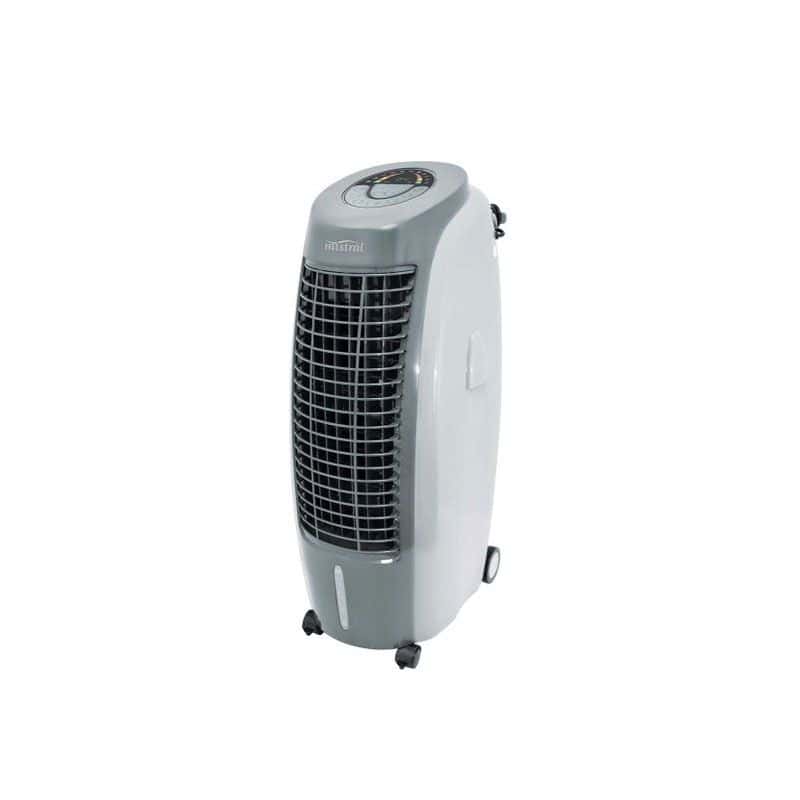
A Mistral air cooler.
Keep your air cooler in good condition for a healthy environment for your baby. Regular cleaning will prevent bacteria from growing and mosquitoes from breeding in the water tanks, which can be toxic to infants.
Here are the tips:
By following these tips, you will have a safe and effective air cooler for your baby’s room. Regular maintenance means better air quality and a healthier space for your baby.
Air conditioning can be beneficial for infants, like better sleep and reduced risk of heat exhaustion, especially in hot weather. But it has risks like dehydration, respiratory issues, and temperature fluctuations, which can affect your baby’s sensitive skin and overall health. Maintaining the right temperature and humidity helps protect your baby’s skin and sensitive skin from dryness and irritation. Proper air conditioning use supports your baby’s health and immune system by providing a stable environment, which is important for the baby’s immune system to develop and function well. Be mindful of room temperature, proper ventilation, and dress your baby accordingly.

Infant
Safe sleep for babies, the rules health bodies give for where and how a baby sleeps, comes down to a few habits…
Infant
Infant care in Singapore is licensed care for babies from 2 months up to 18 months, full-day or half-day. At a centre…
Infant
A travel system is an infant car seat paired with a stroller, so the seat lifts out of the car and clicks…