

Toddler
Childcare fees in Singapore: the caps, the subsidy bands, and what you pay
Full-day childcare in Singapore is capped at S$610 a month at an Anchor Operator centre and S$650 at a Partner Operator centre,…
Toddler
Looking for a stress-free way to potty train your child? This 3-month guide breaks down the journey into manageable steps, from recognizing readiness signs to building independence. Learn proven strategies that work with your child's natural development pace.
Potty training can feel overwhelming for many parents. Common challenges include:
Resistance from the child
Accidents during the learning process
Navigating different readiness timelines
The good news is that a 3-month approach to potty training offers a more relaxed and effective method. This gradual process allows your child to build confidence and develop necessary skills at their own pace. Rushing through the steps often leads to frustration for both the child and the caregiver. Embracing this timeframe encourages positive experiences, helping your child learn and making the journey smoother and more enjoyable.

Potty training is not a one-size-fits-all process. Most children reach developmental milestones at different ages, and it’s important to recognize these variations. Each child develops at their own pace, and factors like temperament, physical development, and previous experiences play significant roles.
Typical Start Age: Many children start between 2-3 years, with some girls showing readiness earlier.
General Duration: On average, potty training can take between 3 to 6 months.
Signs of Readiness: Look for clues such as:
Dry periods lasting 1-2 hours
Regular bowel movements
Basic communication skills regarding bathroom needs
Setting these realistic expectations will help you navigate the journey with patience and understanding, ensuring your child is fully potty trained when they show these signs of readiness.
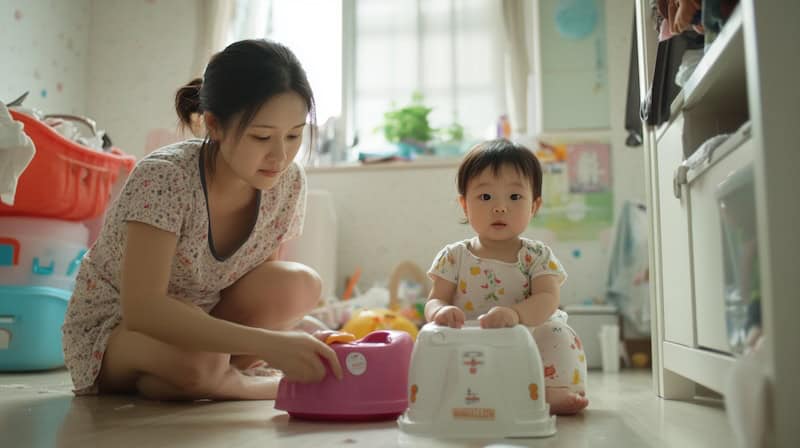
Before diving into potty training, it’s crucial to assess your child’s readiness. Each child is unique, and spotting the right signs can set the stage for success. Here are key indicators to look for:
Physical Signs:
1-2 hour dryness: Can your child stay dry for extended periods?
Regular bowel movements: Is there a consistent pattern?
Behavioural Indicators:
Interest in bathroom habits: Do they show curiosity when you or others use the toilet?
Basic communication skills: Can they express when they need to go?
Emotional Readiness:
Comfort with sitting on the potty: Are they willing to try sitting on the toilet or a potty chair?
Ability to handle pants: Can your child pull up and down their pants independently?
Recognizing these signs early on can make the transition smoother. If your child displays signs of fear or resistance, it might be best to wait a little longer. Patience during this phase is essential for a successful potty training journey. You can start teaching your child to use a potty before they completely transition away from nappies, highlighting the value of practice and repetition in learning new skills.
Creating a supportive bathroom environment involves gathering some essential supplies. Having these items ready can make the potty training process smoother and more engaging for your child. Here’s a handy checklist:
Potty Chair: Choose a child-sized potty chair that feels comfortable and secure.
Toilet Seat Reducer: If transitioning to the regular toilet, this helps your child feel stable.
Step Stool: Useful for reaching the toilet and washing hands afterwards.
Wipes and Toilet Paper: Easy access makes it convenient for self-cleaning.
Training Pants: Consider these as a bridge between diapers and underwear.
Rewards System: Stickers or small treats can motivate your child through positive reinforcement.
Having these essential supplies on hand supports readiness signs and encourages your little ones as they embark on their potty training journey. Additionally, preparing a comprehensive potty training plan that involves all household members can create a supportive environment and ensure everyone understands their roles during the training process.
A welcoming bathroom environment plays a crucial role in your child’s potty training success. Consider the following elements to foster comfort and independence:
Accessibility: Ensure that the potty is easy for your child to reach. A child-sized potty can make a big difference.
Visual Appeal: Decorate the space with fun colours or themes, making it inviting for your little one.
Safety Features: Non-slip mats and secure toilet seat adapters can help prevent accidents and instil confidence during use.
Encouragement: Display readiness signs such as reward charts or stickers to celebrate achievements.
Creating a space that feels safe encourages exploration and reinforces positive associations with potty training. Additionally, choosing the right potty training method can significantly impact your child’s success and comfort.
Engaging your child with potty concepts can set a positive tone for the training journey. Consider these enjoyable methods:
Books: Choose storybooks that focus on potty training themes. Titles like “Everyone Poops” or “Potty” can help normalize the process.
Pretend Play: Use dolls or stuffed animals to demonstrate potty use. This fun approach encourages understanding through imitation.
Visual Aids: Create a sticker chart to reward efforts, making progress visible and exciting.
Incorporating these playful elements into your child’s routine enhances their comfort with the bathroom environment and reinforces the readiness signs you’ve been observing. Introducing these methods can make the toilet training process smoother and more enjoyable for both you and your child.
Aligning caregivers is crucial for a successful potty training experience. Everyone involved should understand the readiness signs of your child and follow a consistent approach. Here are key steps to ensure everyone is on the same page:
Share essential supplies: Make sure that all caregivers have access to necessary items like potty chairs, wipes, and training pants.
Discuss the bathroom environment: Create a comfortable and inviting space for your child, ensuring it’s easy for all caregivers to maintain.
Communicate expectations clearly: Outline routines and strategies so each caregiver knows how to support your child’s progress effectively.
By fostering open communication, consistency can thrive throughout the training process.

The first two weeks of potty training are crucial for setting the stage. During this time, focus on the essentials:
Begin to create a consistent routine around bathroom visits. Choose specific times, such as after meals or before bed, to encourage your child to use the potty. This helps them understand when it’s time to go. Achieving a few weeks of successful potty breaks is crucial before transitioning away from diapers.
Introduce simple terms related to using the potty, such as “pee,” “poop,” and “potty.” Use everyday situations to reinforce this vocabulary. You can say phrases like “Let’s go to the potty” or “It’s time to wash our hands” during bathroom visits.
Familiarize your child with sitting on the potty while fully clothed. This practice helps them get comfortable with the idea without the pressure of using it immediately. You can turn the experience into an engaging one, like reading books or playing songs to your baby. Just make sure that your baby is seated comfortably.
Observing your child’s timing can be insightful. Note when they naturally seem to need to go—this might be 30 minutes after drinking fluid or during playtime breaks. Recognizing these patterns assists in predicting when they might need a potty break.
By focusing on these foundational elements during the first month, you prepare both yourself and your child for what lies ahead. Establishing routines, introducing vocabulary, and understanding their timing lays the groundwork for successful potty training. Monitoring when your child urinates in the potty without prompting can also help in making the transition to regular underwear.
As your child progresses through their potty training journey, consistency becomes key. This phase focuses on establishing regular potty sits to build comfort and familiarity with the bathroom routine.
Designate specific times during the day for your child to sit on the potty. Consider moments after meals or before bed. Consistency helps signal to your child when it’s time to try.
Implement a simple reward system to encourage participation. Another effective way to motivate your child is to reward them with practical things like decorative stickers, small incentives, or extra activities when they successfully use the bathroom. Positive reinforcement for attempts and achievements can help create a positive relationship between your child and the bathroom, making them more successful at potty training.Celebrate their efforts, not just successes, fostering a positive association with bathroom routines.
Introduce fun elements during potty time. Sing songs, read books, or use engaging visuals like colourful potties or stickers. Creating a playful environment can ease anxiety and resistance.
If your child shows reluctance, approach the situation calmly. Offer reassurance and avoid pressure. Allow them to explore the potty at their own pace. Engaging in pretend play with dolls or toys can also help normalize the experience.
This week focuses on cultivating confidence and comfort in using the potty, setting a strong foundation for successful training ahead.
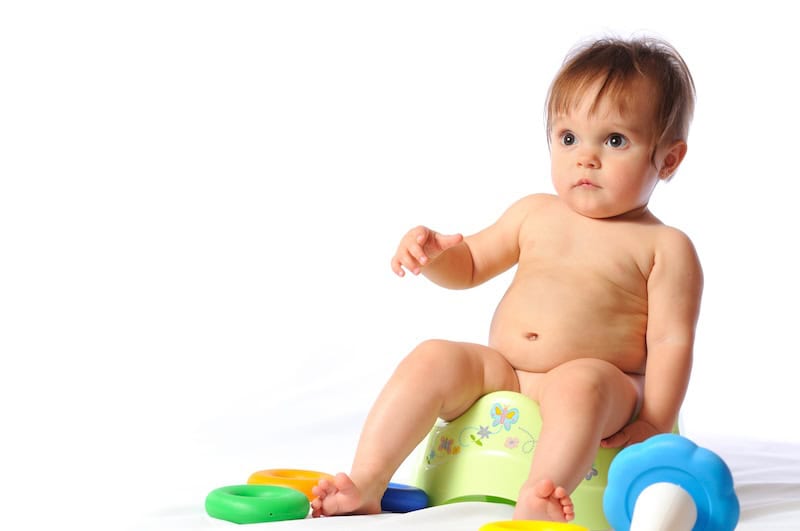
This phase marks a significant shift in your potty training journey. As you embark on transitioning from diapers, consider these key strategies: Toilet train your child by making the process fun and engaging, which can help ease the transition.
Allow your child to experience pants-free time. This approach encourages them to recognize their body’s signals. Create a designated area, like a play mat, where they can feel comfortable and free.
Accidents are part of the learning process. When they happen, respond calmly and positively. Use phrases like, “No problem! Let’s try again next time.” This approach helps reduce any shame or fear associated with accidents. Reinforcing the idea that mistakes are okay builds a supportive environment. Avoid punitive measures like making a child wear a dirty diaper, and instead, offer gentle support and understanding.
Decide whether to use training pants or pull-ups during this transition. Training pants offer a more diaper-like feeling while allowing for easier removal. Pull-ups may provide a sense of security but can sometimes delay recognition of wetness. Choose what feels best for your child and situation.
Celebrate every success, no matter how small. Positive reinforcement can be as simple as high-fives or verbal praise when your child uses the potty correctly. Consider using a sticker chart where they can visually track their progress. This tangible reward system encourages motivation and confidence.
As you navigate this active training month, remember that patience is key. Each child’s journey is unique, so adapt these strategies to fit your family’s routine and comfort level. With consistent practice and encouragement, your little one will gain confidence in their abilities and move closer to independence in potty training.
During these weeks, focus on creating a routine that reinforces your child’s potty training efforts. Establishing a regular potty schedule helps regulate their bathroom habits.
To ensure consistency, it is also important to address nighttime training and manage the transition while your child sleeps. Consider the following tips:
Choose specific times during the day when you will encourage your child to use the potty. This could be after meals, before outings, or at regular intervals throughout the day. By setting specific times for potty breaks, you create predictability and help your child recognize when it’s time to go.
Teach your child the importance of wiping properly and washing their hands after using the potty. Use simple phrases and visuals to explain the steps clearly. Encourage them to practice wiping front to back and always wash their hands afterwards to promote hygiene.
Handling outings can be challenging but manageable with preparation. Equip yourself with:
A portable potty seat or travel toilet paper
Extra clothes in case of accidents
Familiar distractions like toys or books
These items help ease anxiety around public restrooms.
Nighttime training can be another aspect to consider as you establish consistency. If your child is still using nighttime diapers, gradually transition by:
Encouraging bathroom visits before bed
Limiting fluids in the evening
Monitoring dry mornings to gauge readiness for nighttime training
By focusing on these elements, you build a solid foundation that supports your child’s growing independence on this potty training journey.

The third month of potty training focuses on cultivating independence in your child. This phase encourages them to take ownership of their potty habits. Here are some effective strategies:
Encourage your child to recognize their body’s signals for needing to go. Use simple phrases like, “When you feel that feeling, it’s time to use the potty.”
Offer opportunities for them to initiate bathroom visits, like asking if they need to go before leaving home or during playtime.
Introduce the idea of using public restrooms. Start with familiar places like a friend’s house or a family member’s home.
Share tips such as bringing along a favourite portable potty seat or allowing your child to choose a fun sticker for using the public toilet.
As your child grows more confident, lessen the frequency of prompts. Instead of reminding them every hour, switch to checking in every two hours.
Observe your child’s cues and let them signal when they need assistance. This builds their confidence in recognizing their own needs.
Regression can happen for various reasons—new siblings, changes at daycare, or even just ordinary stressors.
Stay calm and supportive during setbacks. Reinforce positive behaviours with praise and avoid negative reactions to accidents.
Consider reintroducing some earlier strategies, such as more frequent bathroom visits or reward systems, until your child feels comfortable again.
These steps not only strengthen your child’s ability but also help them feel secure in their progress. With patience and encouragement, this phase lays the groundwork for lasting independence in their potty journey.
As you enter the final two weeks of the potty training journey, it’s time to focus on fine-tuning the process. This phase often involves troubleshooting common issues that may arise. Many parents find this stage crucial for getting their children fully toilet trained.
Keep an eye out for any recurring problems, such as accidents during playtime or reluctance to use public restrooms. Identifying these challenges helps in tailoring your approach. For instance, if your child is hesitant about public toilets, practice using them during quieter times.
Use fun and engaging methods to keep your little one excited about potty training. Sticker charts, playful songs, and small rewards for successful trips can encourage positive behaviour. Make sure they know you’re cheering for them every step of the way!
Acknowledge each milestone, no matter how small. Celebrate successful potty trips with high-fives or a special treat. Recognizing their achievements builds confidence and reinforces their efforts.
As your child gains independence, reduce reminders gradually but remain nearby for support. Encourage them to express when they need to go and reassure them that accidents are part of the learning process.
This section plays a crucial role in ensuring a smooth transition toward successful potty training completion.
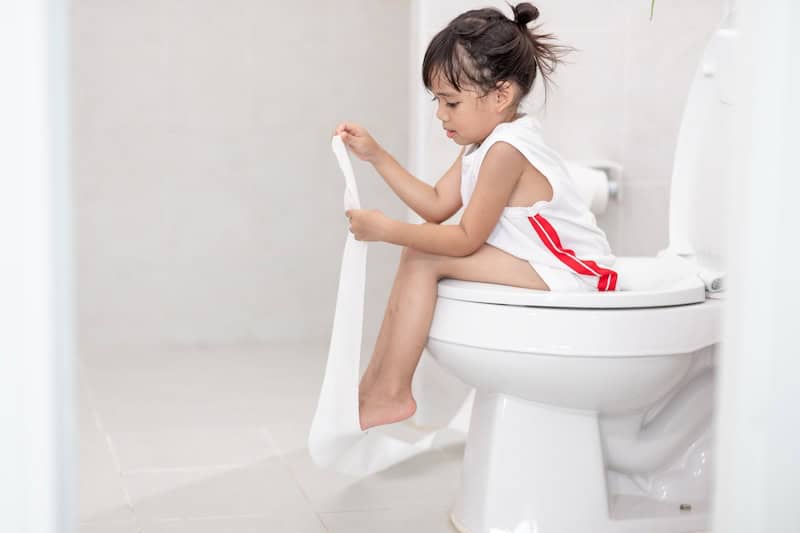
Potty training can be influenced by various external factors. Keeping these in mind can enhance the experience and outcomes.
Collaborate with caregivers to ensure consistency. Share your potty training methods and preferred terminology. This helps create a unified approach that can ease your child’s transition.
Consistency is key. If several adults are involved in the child’s care, establish a shared routine and communication plan. This reduces confusion for your little one and reinforces learning.
Different cultures have unique norms regarding potty training. Research these practices, as they may offer valuable insights or techniques that resonate with you and your child. Adapting methods to suit family beliefs can lead to a smoother process.
Being aware of these special considerations allows you to tailor the potty training journey, making it more effective and enjoyable for everyone involved.
Potty training can present unique challenges. Here are some common issues parents might encounter:
Children may resist using the potty due to independence or control issues. Staying calm and offering choices can help ease this tension.
Significant changes like a new sibling or moving can lead to setbacks. Reinforcing routines and providing extra reassurance is crucial during these times.
Many children feel anxious about unfamiliar bathrooms. Practice visits and familiarizing them with public restrooms can reduce anxiety.
Nighttime dryness varies by child. Using waterproof mattress covers and limiting nighttime fluids can support this process while allowing for gradual progress.
Recognizing signs of potty training success is key to feeling confident in your journey. Look for indicators such as:
Consistent dry periods throughout the day
Successful bathroom visits with minimal accidents
Your child communicating their need to go
Increased independence in using the toilet
Determining when to consider training complete varies by child. Generally, if your little one is consistently dry for several weeks and can manage bathroom trips independently, you’re on the right track.
To maintain good habits, encourage regular bathroom visits and celebrate successes, no matter how small. This reinforces positive behaviour and builds confidence.
As for what comes next, focus on reinforcing skills during outings and adapting to new situations like daycare or preschool. Keep the experience positive and supportive, ensuring your child feels secure as they navigate this new stage of independence.

Toddler
Full-day childcare in Singapore is capped at S$610 a month at an Anchor Operator centre and S$650 at a Partner Operator centre,…

Toddler
Explore the best stroller for twins options in Singapore for comfort, safety, and convenience on every family outing.
Toddler
A parenting workshop helps you gain confidence, practical skills, and local support to tackle parenting challenges effectively.