

Are Baby Bottle Sterilisers Worth It?
What Singapore Parents Should Know About Washing, Sterilising & Drying Bottles
Review
This roundup covers five indoor air quality monitors sold in Singapore, chosen around one job: telling you whether your air purifier is doing anything. A monitor is a small meter that reads the air in a room and puts a number on it. Prices are as of 5 September 2026. The question gets urgent in…
This roundup covers five indoor air quality monitors sold in Singapore, chosen around one job: telling you whether your air purifier is doing anything. A monitor is a small meter that reads the air in a room and puts a number on it. Prices are as of 5 September 2026.
The question gets urgent in haze season. NEA publishes Singapore’s air on two scales, a 24-hour Pollutant Standards Index and a 1-hour reading of PM2.5, which NEA calls fine particulate matter, and its band table treats a 1-hour PM2.5 reading of 0 to 55 micrograms per cubic metre as Normal, 56 to 150 as Elevated, 151 to 250 as High, and 251 and above as Very High (as of 5 September 2026). Those bands describe what NEA measures across the north, south, east, west and central parts of the island, and a monitor is what puts a number on the room you are sitting in. If you are pregnant, NEA puts you in the vulnerable persons row, which reads those same PM2.5 bands more strictly.
A monitor is not a purifier: the purifier moves the air, and the monitor is how you check that it did. For the purifier half, NEA’s advice to buyers is to weigh a unit’s Clean Air Delivery Rate, or CADR, meaning how much clean air it can put back into a room, against the size of the room it will sit in. If that room is a closed, air-conditioned bedroom, our guide to how air conditioning affects babies covers the other half of it, and the newborn hub sets it beside the rest of the first twelve weeks.
| Category | Product | Price | Score |
|---|---|---|---|
| 🏆 Best All-Round | AirWhisper Monitor | S$100.66 | 87/100 |
| 💡 Best Large Display | bonoch 7in Display | S$137.72 | 94/100 |
| 🎯 Best Pocket Particle | FABISENSE PTH-26PM | S$49.41 | 86/100 |
| 🚀 Best Remote Access | Simbow CF-60 | S$252.66 | 92/100 |
| 🔬 Best Formaldehyde Detector | Temtop LKC-1000S+ | S$228.87 | 81/100 |
You need monitors that actually tell you whether a purifier is effective, so accuracy and relevant sensors were top priorities. We looked for devices that measure particulate matter plus the gases purifiers are meant to reduce, like CO2, TVOCs and formaldehyde, and we preferred units with fast refresh rates so you can see changes immediately.
Practical features also matter to you, so we weighed display clarity, portability and battery life for everyday checks, and connectivity and data export if you want long term trend analysis. Finally, we balanced performance against price so you can pick a monitor that fits your budget and use case.
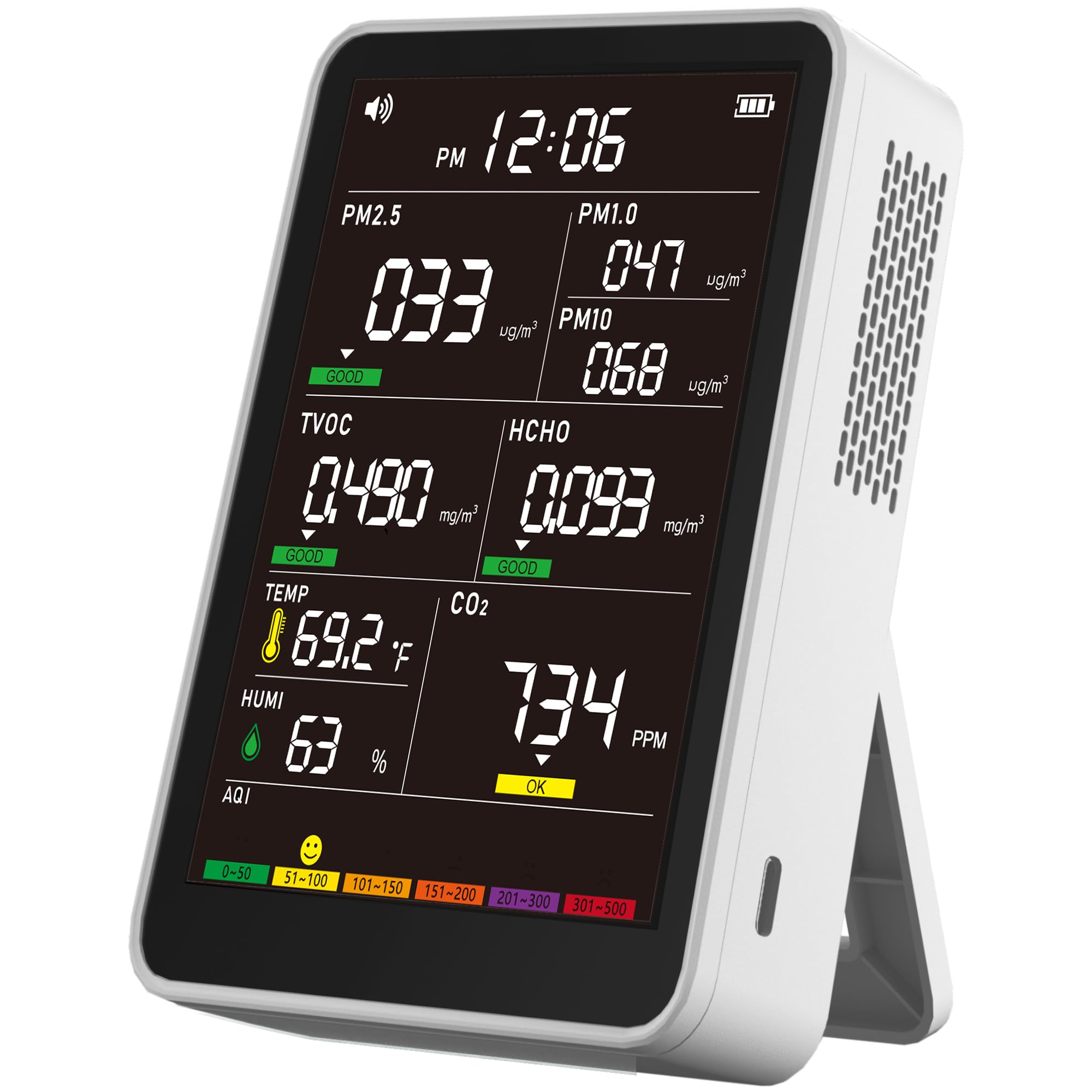
16-in-1 indoor meter measuring PM1.0/PM2.5/PM10, CO2, TVOC and HCHO plus temperature and humidity; HD color screen, 1.5s refresh, Type-C charging and 4–5 hour runtime.
S$100.66
You get a versatile, multi-parameter monitor that helps you check whether your purifier is actually improving the air. The screen is bright and color-coded so you can tell at a glance when levels drop after you turn the purifier on, and sensors update every 1.5 seconds so changes are obvious.
It’s small enough to move between rooms or toss in a bag for short trips, has a mute option for quieter checks, and charges via USB‑C so you won’t be hunting for weird cables. If you want a single device for everyday verification and occasional spot checks in cars or guest rooms, this is a practical pick.
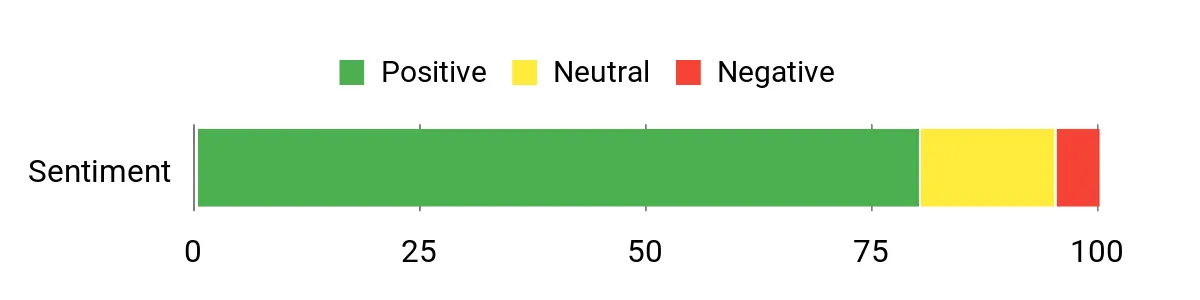
Customers generally highlight the monitor’s quick, reliable readings and the easy-to-read display. People appreciate how simple it is to move from room to room and that setup is straightforward, while many note the unit gives them confidence when testing purifier performance and ventilation.
Overall Sentiment: Positive
You can use this at home, in the office or in your car to compare air before and after running a purifier. It’s light enough for quick spot checks around a renovation, for checking a baby’s room, or for taking on short trips when you want to avoid smoky or stuffy air.
This monitor helps you prove whether a purifier is actually removing particles and lowering VOCs, so you stop guessing about filter life or fan speed. It also alerts you to CO2 buildup or off‑gassing after new furniture, giving you actionable data to ventilate or adjust purifier settings.
Current Price: S$100.66
Rating: 4.6 (total: 3+)
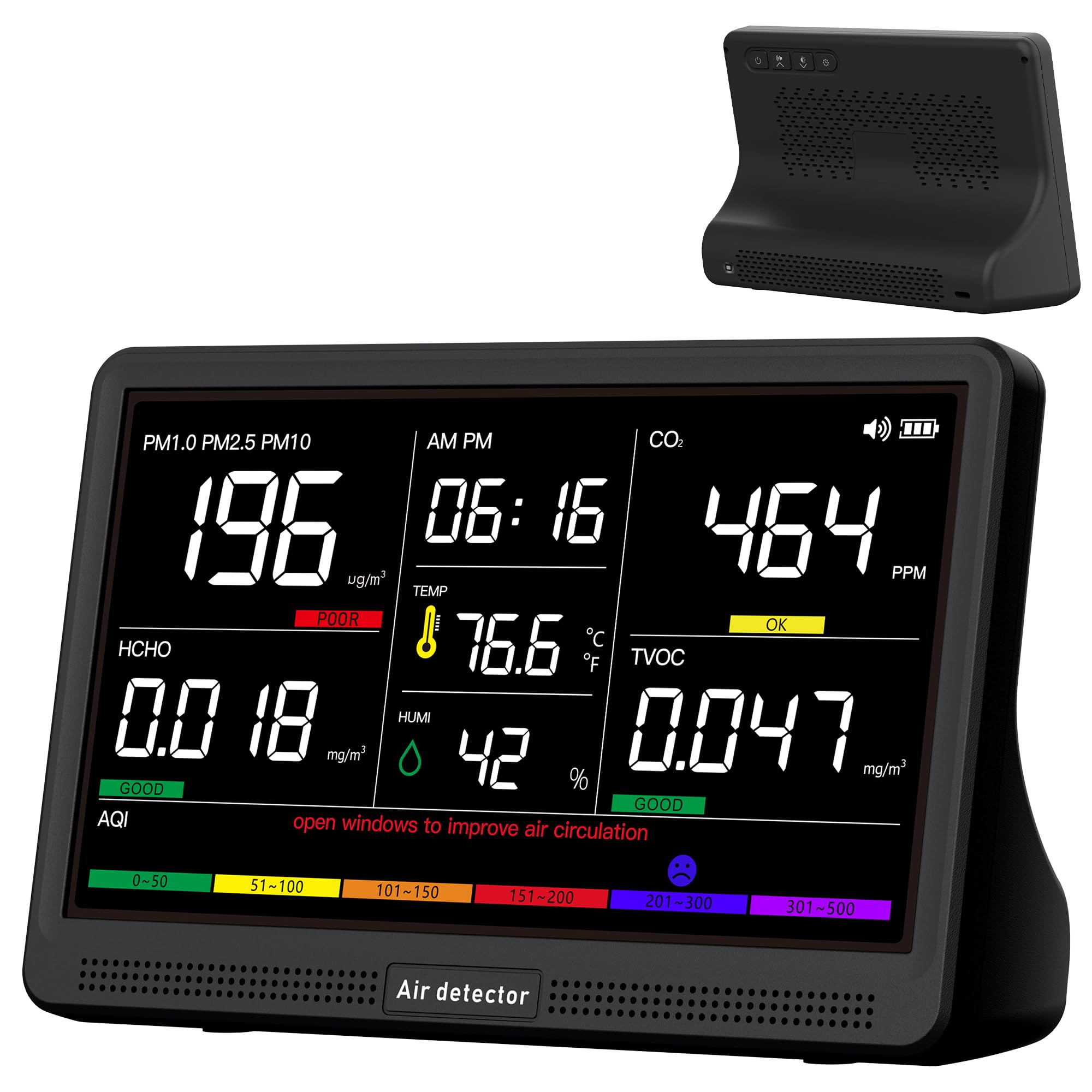
16-in-1 monitor with a 7″ large color display that tracks CO2, TVOC, PM1.0/2.5/10, HCHO, temperature and humidity with multiple AQI alerts.
S$137.72
You get a monitor built around a roomy 7″ screen that makes comparing air before and after your purifier simple. The large readout and multiple AQI alerts mean you can spot improvements from across the room, and the device covers the common pollutants you care about so you’re not guessing. It’s handy for living rooms, shared offices or near a new sofa or flooring to watch for off‑gassing. If you want an easy visual way to confirm purifier performance without squinting at tiny numbers, this one makes the job feel effortless.
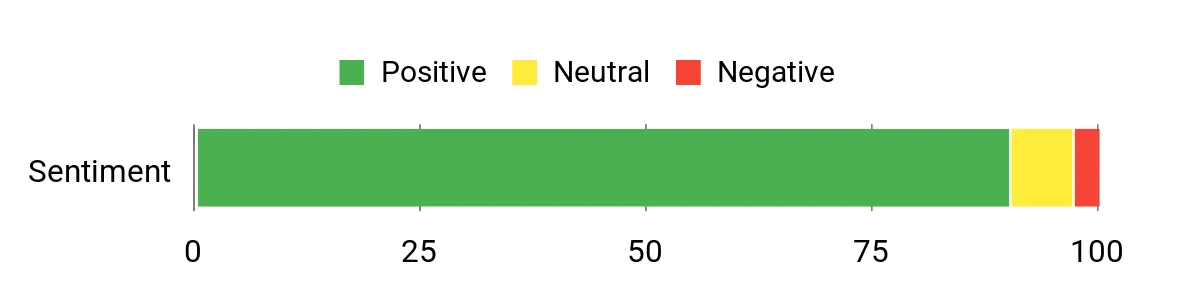
People often praise the big screen and the clear alert system, saying it makes monitoring simple without fussing over tiny digits. Reviewers also note the comprehensive sensor coverage and straightforward setup, which helps them trust the readings when testing purifier effectiveness.
Overall Sentiment: Positive
This monitor works well in communal spaces, bedrooms and offices where a visible display helps everyone understand air quality. It’s also useful during renovations or after buying new furniture to watch for VOC spikes.
By showing broad pollutant data on a single easy-to-see display, it helps you confirm that a purifier reduces particles and VOCs and lets you decide when to increase ventilation or change filters.
Current Price: S$137.72
Rating: 5.0 (total: 1+)
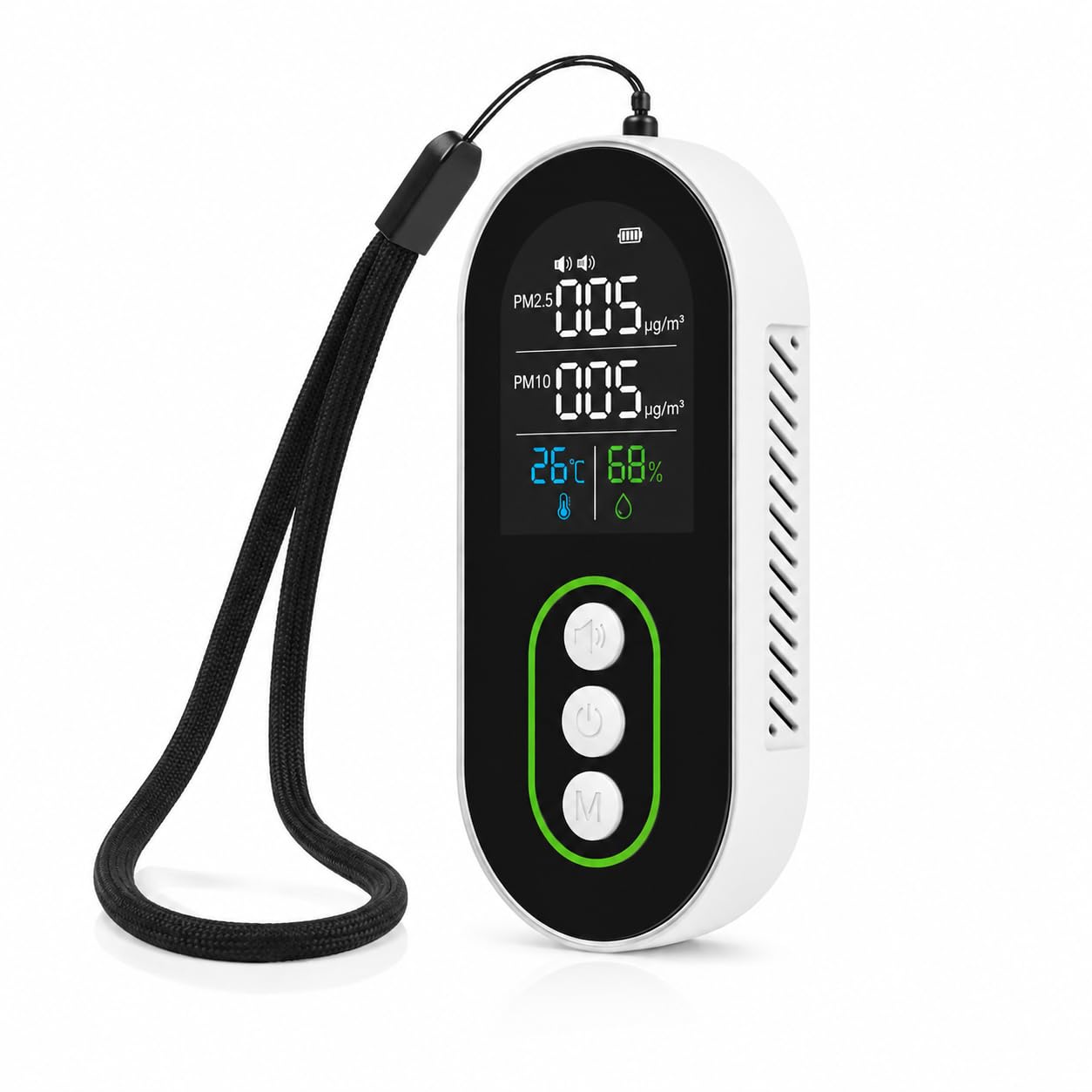
Portable PM2.5/PM10 monitor with temperature and humidity display, bright color screen, rechargeable battery and audible alert for real‑time particle monitoring.
S$49.41
You get a compact, no‑nonsense particle detector that makes it easy to verify whether your purifier is cutting particulate levels. The bright color screen shows PM2.5 and PM10 clearly, and the rechargeable battery means you can carry it between the living room, bedroom and even workshops. It’s ideal for quick before-and-after checks when you turn a purifier on, spotting cooking or smoking spikes, or carrying on short trips to test unfamiliar indoor air. If you want a simple, affordable way to watch particle levels without fuss, this is a practical choice.
Users commonly note the device feels reliable and matches reference readings, with many appreciating the clear display and simple controls. People also mention the convenience of the rechargeable battery and the visible alerts that help them trust results when testing purifiers or checking smoky rooms.
Overall Sentiment: Positive
This is great for daily home checks, keeping in a kitchen to monitor cooking spikes, testing a purifier in different rooms, or bringing on short trips to evaluate hotel or office air.
It helps you prove whether a purifier lowers particle counts by giving near‑instant feedback, so you can compare before and after runs, check filter effectiveness, and decide when to ventilate or change purifier settings.
Current Price: S$49.41
Rating: 5.0 (total: 1+)
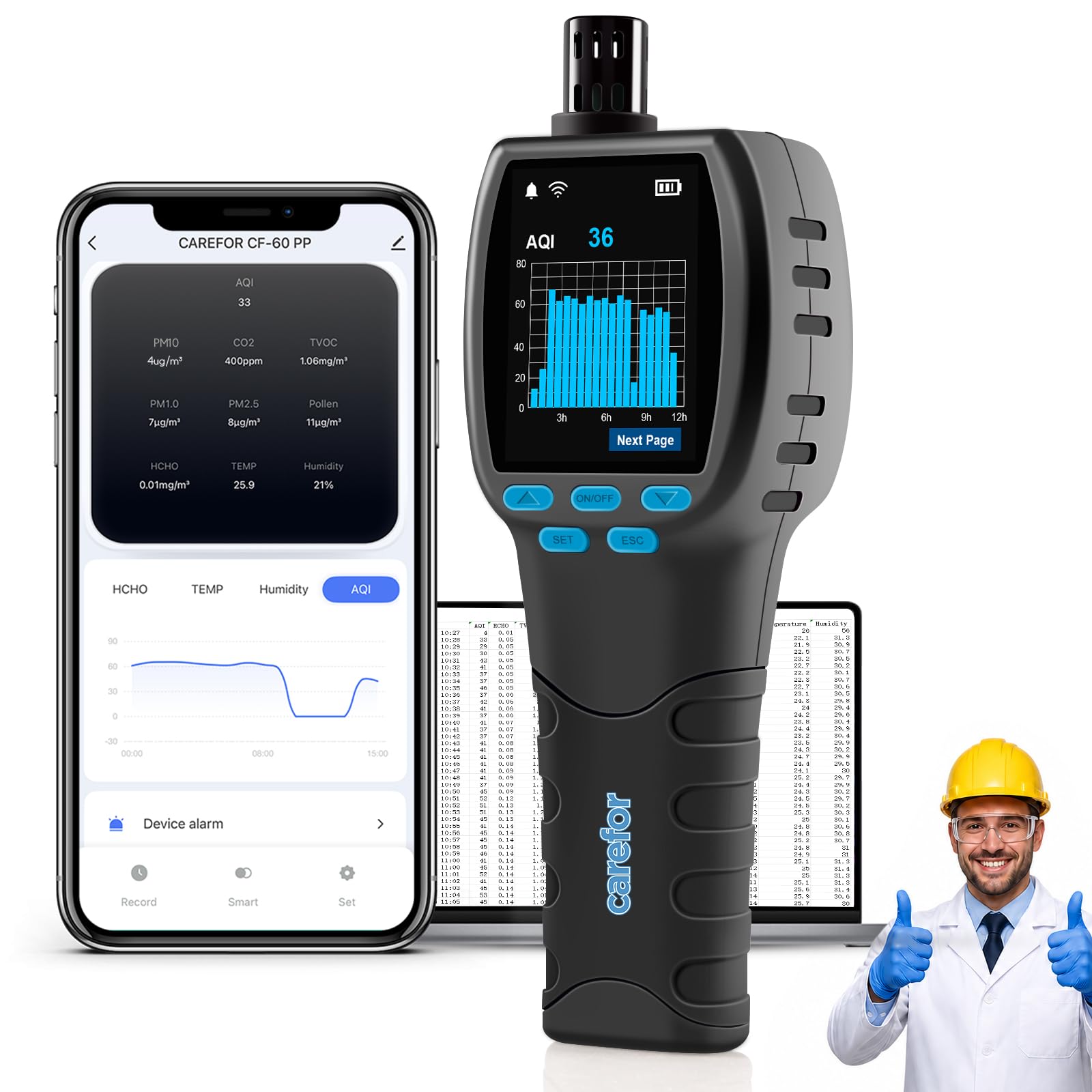
WiFi air quality monitor tracking PM2.5/PM10, TVOC, CO2, pollen and more with a crisp TFT color display, custom alarms, cloud history, CSV export and rechargeable power.
S$252.66
You can check your home’s air from anywhere with this WiFi-capable monitor, which brings together particle and gas readings on a clear TFT screen while pushing data to the cloud. The custom alarm settings let you know the moment levels cross your thresholds, and the USB export makes it easy to pull reports for longer-term analysis.
It’s light enough to move between rooms and robust enough to sit on a shelf and log a year of trends, so whether you’re troubleshooting purifier performance or monitoring CO2 while you’re away, this device makes remote verification straightforward.
Users frequently praise the remote access and cloud logging, saying it’s invaluable when they’re away from home. Many appreciate the clear display and prompt alerts, and reviewers often note the exportable data and consistent readings that make it useful for both casual checks and more formal monitoring.
Overall Sentiment: Positive
This works for home, office and travel—use it to check purifier effects in different rooms, monitor office air quality, or verify hotel air from afar. It adapts well from everyday checks to longer-term data collection for projects or submissions.
It solves the ‘did my purifier actually work’ question by logging pollutant trends and sending immediate alerts when levels rise, so you can act remotely or compare before-and-after purifier runs. The CSV export helps if you need documented evidence for building assessments or health submissions.
Current Price: S$252.66
Rating: 4.9 (total: 9+)
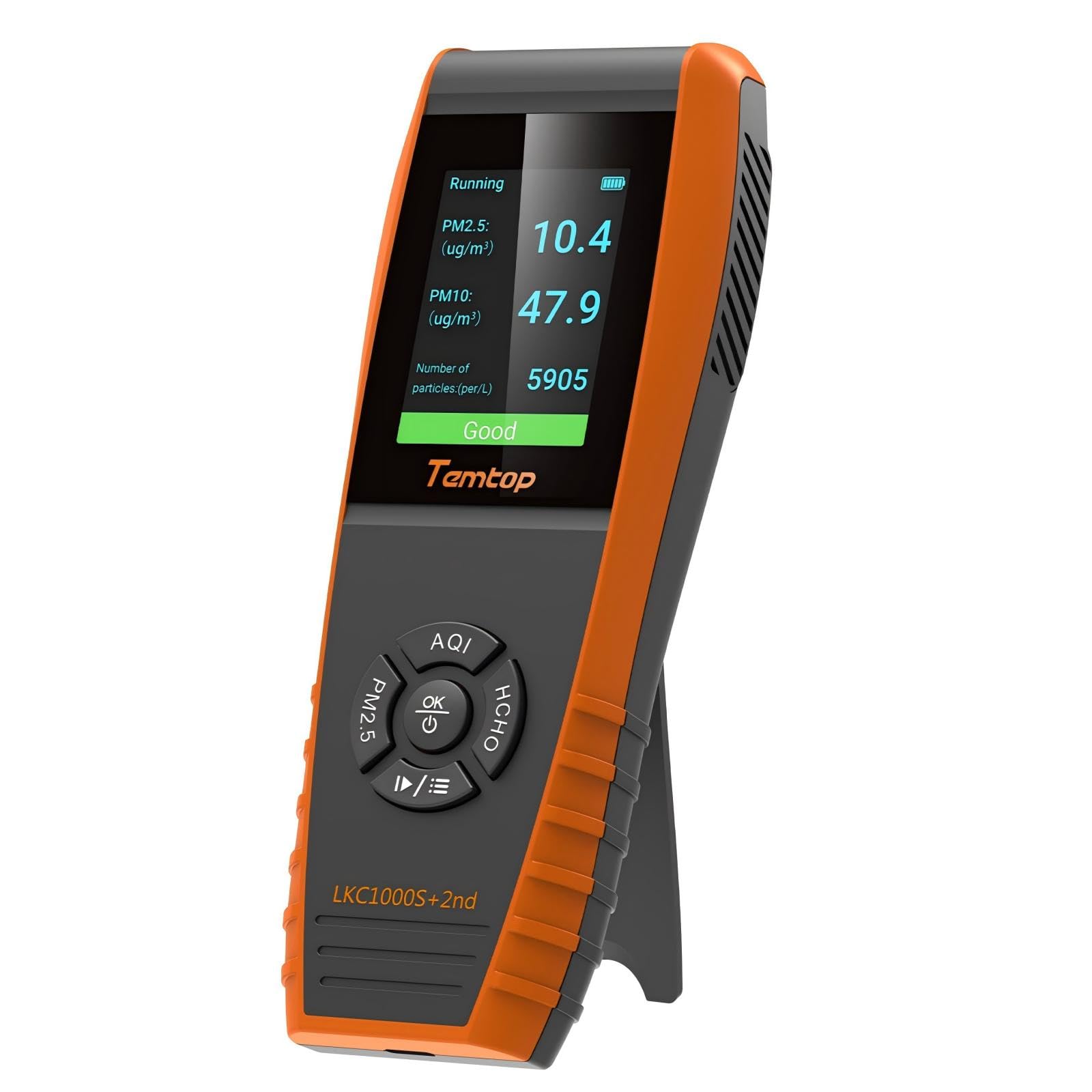
Professional monitor for HCHO, PM2.5/PM10 and TVOC with AQI readout, digital output and data export for accurate indoor air checks after renovations or new furniture.
S$228.87
You get a sturdy, purpose-driven tool when you pick this Temtop unit. It focuses on formaldehyde and particulates, so it’s handy if you want to check off‑gassing from new furniture, flooring or paint. The display is clear and the device feels solid enough for both home use and light industrial checks; you can run spot tests in bedrooms, living rooms or job sites, and export data when you need a record.
If your main concern is chemicals from renovation or new builds, this model gives you the focused coverage you need.
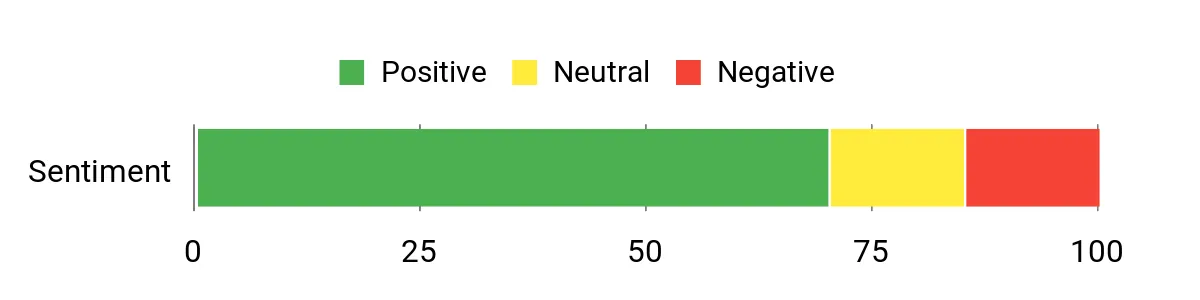
Users often mention that the monitor feels accurate and useful after home updates, praising its ease of use and readable display. Many buyers appreciate the formaldehyde focus and the ability to export data, while a smaller number note it’s not a lab instrument and advise allowing time for sensor recovery after high exposures.
Overall Sentiment: Positive
Best suited to homes, offices and renovation sites where off‑gassing is a concern; it also works for routine indoor checks and can be used by professionals collecting documented readings.
This unit helps you detect and quantify formaldehyde and particles so you can decide when to ventilate, run a purifier, or delay moving items into occupied spaces. The export feature makes it easier to track trends and prove improvements over time.
Current Price: S$228.87
Rating: 4.1 (total: 578+)
You check readings before and after running the purifier and watch for a clear drop in the pollutants the purifier targets, usually PM2.5 and PM10 for particle filters or TVOCs for carbon filters. Place the monitor in the room’s breathing zone and again near the purifier outlet so you can compare numbers, then run the unit and watch the values change over several minutes as the sensors update.
If particles fall quickly you know the purifier is removing them; if CO2 stays high that means ventilation, not the purifier, is the issue.
You want sensors that match what your purifier removes. For HEPA-style filtration, PM2.5 and PM10 are the most useful; for smells and chemicals look for TVOC and formaldehyde (HCHO) sensors if your purifier has activated carbon or specific gas removal.
CO2 is useful too, but it tells you about ventilation and occupancy rather than purifier performance, so don’t expect a particle-only purifier to lower CO2.
Start with a baseline reading, run the purifier at different speeds, and compare the before/after numbers to decide on fan speed or filter changes. Keep the monitor in the same spot for consistent comparisons, allow a few minutes for readings to stabilise, and use alerts or data export if you want trend history.
Also avoid testing right next to a sudden source like cooking or smoking when you want a room-level reading, and consider occasional calibration or cross-checks if you need higher confidence.
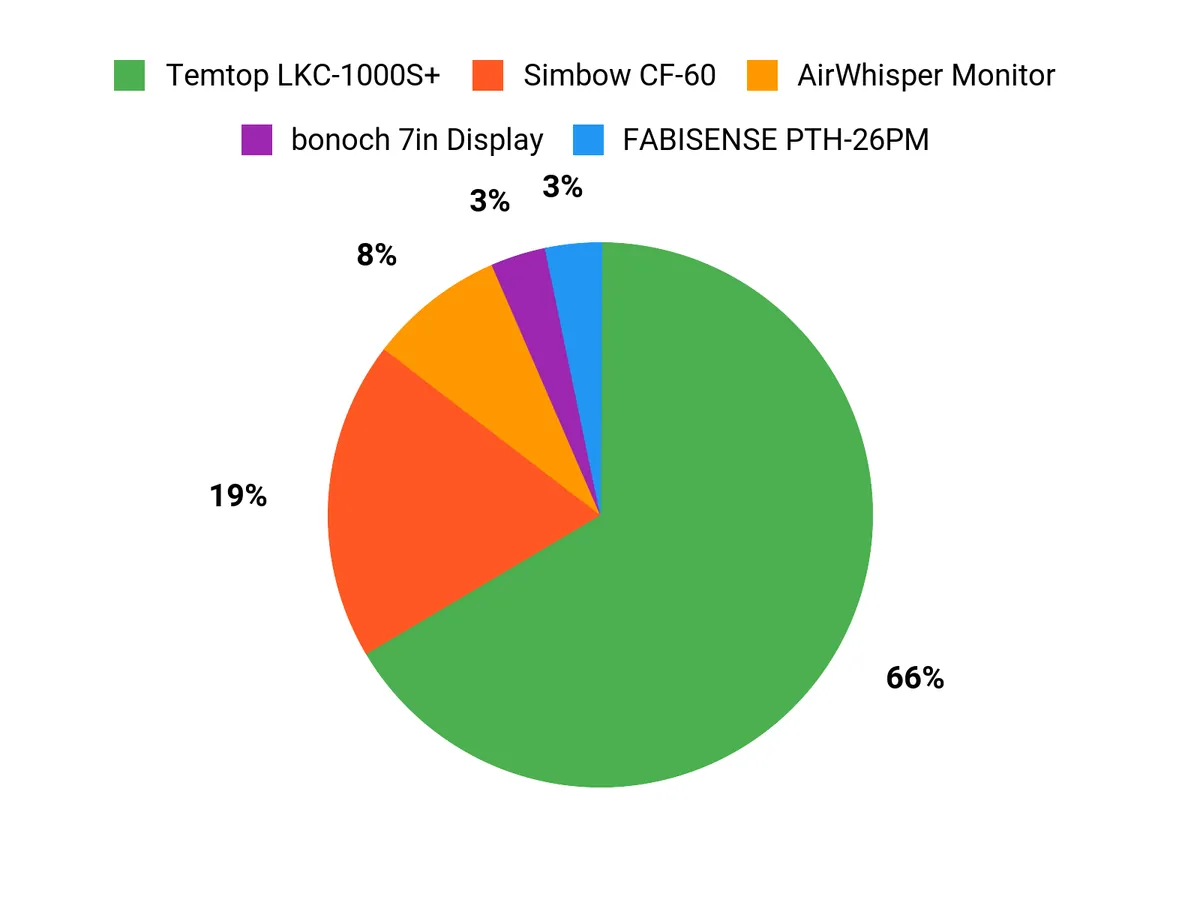
When choosing between these monitors you usually prioritise accurate sensors and clear readouts first, then factors like display size, portability and price. That means many people pick the AirWhisper for its broad 16-parameter sensing, the bonoch 7in Display if they want an easy-to-read screen for shared spaces, and the FABISENSE PTH-26PM when they need a compact, budget-friendly particle checker.
Start with what your purifier claims to remove. If it is a HEPA filter, the readings that matter are PM2.5 and PM10, and the cheapest unit here at S$49.41 covers both. If you also want to watch formaldehyde, the chemical that new furniture, flooring and fresh paint give off, you need a model carrying that sensor, and those sit in a higher bracket.
Then use it the dull way. Same spot, same time of day, one reading before the purifier goes on and one after, because a single number on its own says very little and the change between two says most of it. The comparison table below lines up sensors, display, battery and price side by side.
For the rest of that room, the infant year covers sleep, gear and the decisions a nursery keeps throwing up, and our other roundups cover the shelves next to this one.
| Product Name | Image | Rating | Key Detection Metrics | Display Type | Battery Life | Price |
|---|---|---|---|---|---|---|
| 16-in-1 Indoor Air Quality Monitor | | 4.6/5 (3 reviews) | – PM1.0 – PM2.5 – PM10 – CO2 – Temperature – Humidity – HCHO – TVOC | HD Color LCD Screen | 4–5 hours of continuous use | $100.66 |
| bonoch 16 in 1 Air Quality Monitor | | 5.0/5 (1 review) | – CO2 – TVOC – PM2.5 – PM1.0 – PM10 – HCHO – Temperature – Humidity | 7″ Large Display | N/A | $137.72 |
| Portable PM2.5 PM10 Air Quality Monitor | | 5.0/5 (1 review) | – PM2.5 – PM10 – Temperature – Humidity | Color LCD | Rechargeable with built-in 1000mAh Li-ion battery | $49.41 |
| Air Quality Monitor CF-60PP | | 4.9/5 (9 reviews) | – PM2.5 – PM10 – TVOC – Pollen – AQI | TFT Color Display | Rechargeable | $252.66 |
| Temtop LKC-1000S+ 2nd Generation | | 4.1/5 (578 reviews) | – PM2.5 – PM10 – HCHO – TVOC | Digital | N/A | $228.87 |
This Roundup is reader-supported. When you click through links we may earn a referral commission on qualifying purchases.

What Singapore Parents Should Know About Washing, Sterilising & Drying Bottles

Six travel systems, sorted by the job each one does best. A travel system is a car seat and a stroller sold…

Six baby sunscreens sold in Singapore, sorted by the job: a compact mineral lotion for trips, a stick for quick top-ups, one…