Managing Your Preschooler's Endless Questions and Chatter
Discover how to manage your talkative preschooler's endless questions while maintaining your sanity with these practical Singapore parenting strategies.
By Wei Chun
Updated 6 Aug 2026
6 min read
Are you struggling with a child who talks from sunrise to sunset? Many parents of preschoolers find themselves overwhelmed by the constant chatter and repeated questions throughout the day. This is a common challenge, especially for those who need moments of quiet to recharge. Let’s explore some practical ways to manage this stage of development while maintaining your sanity and nurturing your child’s curiosity.
A Parent’s Concern
A composite concern, rephrased from parenting forum and Reddit threads rather than quoted from one parent.
My 5-year-old son talks non-stop all day long. From the moment he wakes up at 7 AM until bedtime at 9 PM, there’s a constant stream of chatter, stories, and the same questions asked over and over. As someone who needs quiet time to function, I find myself getting overwhelmed when he follows me from room to room in our flat, talking while I’m trying to fold laundry or prepare meals.
I’ve tried setting boundaries by saying, ‘Mommy needs a few minutes of quiet time, then we can chat,’ but within seconds, he’s back with something ‘super important’ to tell me. I love how curious and expressive he is, but after hours of this, especially in our small HDB where there’s nowhere to escape, I feel my patience wearing thin. I want to respond to him with kindness, not frustration, but I’m running out of strategies.
Our Parenting Guidance
This situation is so common among parents of preschoolers, yet it can be incredibly draining—especially if you’re someone who needs quiet time to recharge. The good news is that this chatty phase is both normal and temporary, and there are effective strategies to help you manage it.
Set Clear Visual Boundaries
Children at this age often struggle with abstract time concepts. Instead of saying “wait 10 minutes,” try using visual cues:
Timer technique: Use a physical timer or the timer app on your phone that your child can see. Many Singapore parents find success saying, “When the timer beeps, I’ll be ready to listen to all your amazing ideas.” If your child interrupts during this time, simply reset the timer—they’ll learn quickly!
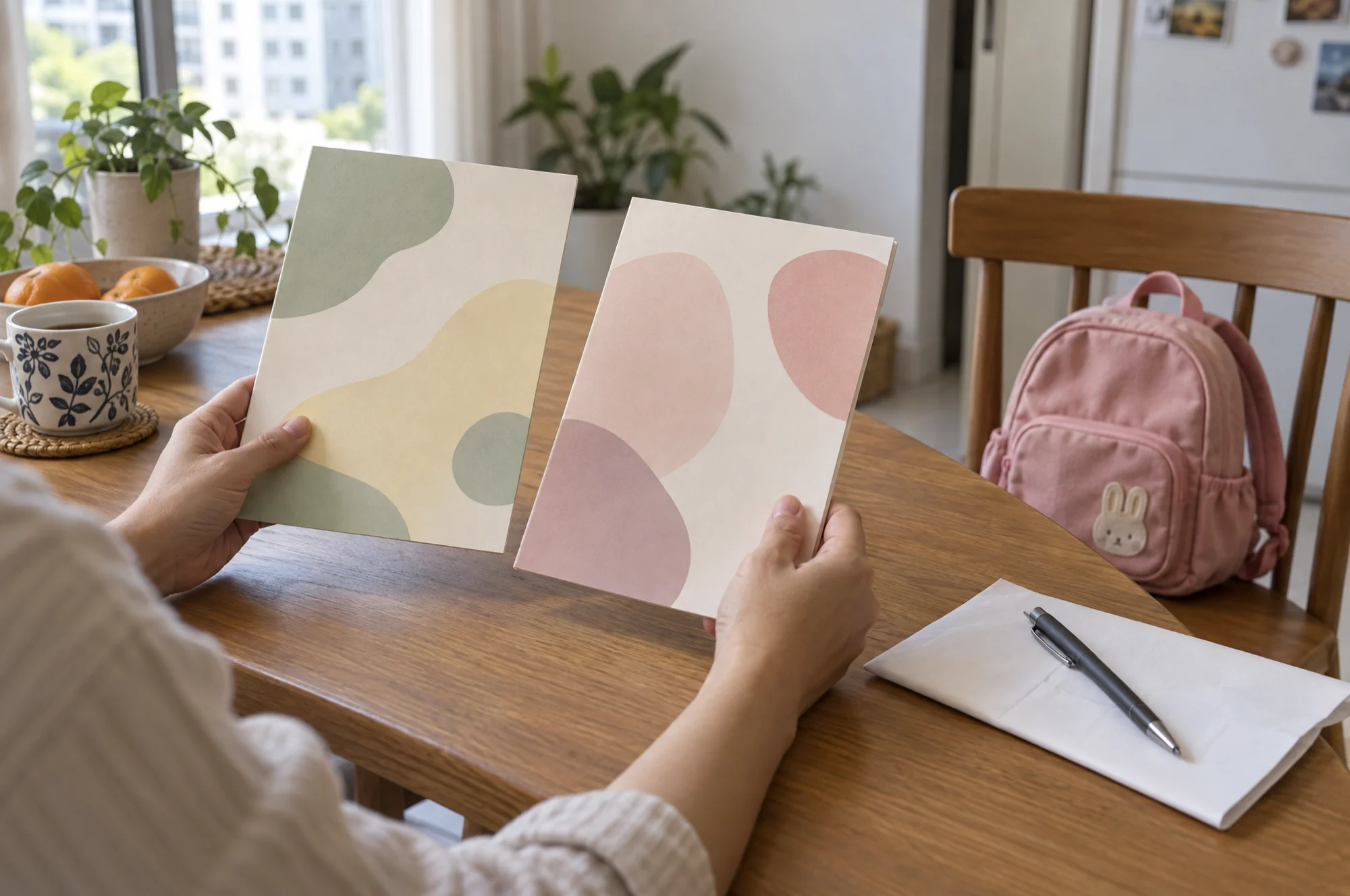
Color cards system: Create a simple red/yellow/green card system using materials from Popular bookstore. Green means you’re available for chats, yellow means “finish your current thought, then mommy/daddy needs a break,” and red means quiet time is happening right now.
Quiet time sign: Make a door hanger or small sign to hang on the kitchen cabinet or bedroom door when you need a few minutes of peace—particularly helpful in smaller HDB flats where space is limited.
Create Alternative Communication Channels
Sometimes children just need to express themselves, regardless of whether you can actively listen at that moment:
Question notebook: Pick up an inexpensive notebook from Daiso or Popular and designate it as your child’s special place to draw or write questions when you’re busy. This encourages early writing and drawing skills that will benefit them in preschool and beyond.
Voice memo function: For children who can’t write yet, show them how to use the voice memo function on your phone (with supervision). This works well during MRT rides or while waiting for appointments when you need them to be quieter.
Thinking jar: Using a recycled plastic container, have your child decorate it as their “question jar.” They can drop in drawings or questions on paper slips. This makes a perfect after-dinner or before-bedtime activity in your home routine.
Teach Conversation Skills
Many preschoolers need explicit teaching about conversation dynamics:
Turn-taking practice: Explain that conversations work by taking turns: “I listened to you, now it’s your turn to listen to me.” This aligns with what they’re learning in Singapore preschool about social skills and prepares them for Primary 1.
The why game: When your child asks the same question again, respond with “Why do YOU think?” This encourages critical thinking (a key skill valued in our education system) and gives you a mental break from always being the answer provider.
Save the best for later: Create a special family sharing time during dinner at home or while eating at the hawker centre. Ask your child to save their “top 3 big things” to discuss during this dedicated time when you can give them full attention.
Build Scheduled Breaks Into Your Day
Taking care of yourself is essential for maintaining patience:
Daily quiet time: The hot afternoon hours (around 1-3 PM) make a perfect time for “rest and read” sessions where children play quietly with books or quiet toys, even if they’ve outgrown naps. This follows the rhythm many local preschools already use.
Tag team with your partner: If possible, take turns having “off duty” time where the other parent becomes the designated question-answerer. If grandparents are involved in childcare (as is common in many Singapore families), include them in this rotation.
Use air-conditioned spaces strategically: On weekends, plan trips to the library where quiet voices are expected. Singapore’s public libraries are free, comfortable, and have dedicated children’s sections where your child can explore books while you get a mental break.
A Few Kind Reminders
Remember that your child’s constant questions show their active, developing mind and their deep connection to you. In our competitive Singapore education system, this curiosity and verbal ability will serve them well in the future.
When you find yourself at the end of your patience in your busy day, try this perspective shift: Imagine yourself years from now when your home is quiet and your child is busy with school, friends, and activities. From that future perspective, these chatty moments might feel like a precious memory.
Teaching your child to respect boundaries is also an important part of raising well-adjusted children. You’re not failing as a parent when you need space—you’re modeling necessary self-care and helping them develop social awareness that will benefit them throughout life.
This talkative phase will pass. The preschooler who narrates every thought will gradually develop more independence and internal dialogue. Your patience now (even when imperfect) is building the foundation for a lifetime of healthy communication with your child—a valuable gift in our fast-paced society.
Wei Chun
Founder & Editor
A Singapore parent writing the guide he wished he'd had — practical, calm, and grounded in what actually works.
No. Preschools licensed by the Early Childhood Development Agency (ECDA) , the government body that licenses and regulates preschools in Singapore, stay…