

Pregnancy
How many IVF cycles does it take to get pregnant? What MOH's figures show
Among women in Singapore who had a baby through in vitro fertilisation (IVF), most needed one or two cycles. The Ministry of…
Pregnancy
Introduction to Pregnancy Nutrition A healthy diet is the foundation of a healthy pregnancy for both you and your growing baby. Pregnant women need a balanced diet that includes a variety of fresh fruit, vegetables, whole grains, lean protein, and healthy fats to provide all the essential nutrients required for a healthy pregnancy. A well-rounded…
A healthy diet is the foundation of a healthy pregnancy for both you and your growing baby. Pregnant women need a balanced diet that includes a variety of fresh fruit, vegetables, whole grains, lean protein, and healthy fats to provide all the essential nutrients required for a healthy pregnancy. A well-rounded pregnancy diet supplies the vitamins and minerals necessary for your baby’s growth and development, helping to reduce the risk of birth defects and pregnancy complications. Fresh fruit, in particular, is a vital part of a healthy pregnancy diet, offering a natural source of fiber, antioxidants, and key nutrients. By including a colorful mix of fruits and vegetables in your daily meals, you can ensure you’re supporting your own health and giving your baby the best possible start.

During pregnancy, proper nutrition plays a crucial role in your baby’s development. Eating healthily, including eating fruits regularly, provides essential vitamins and minerals that support baby’s growth and baby’s development. Research has shown remarkable benefits of fruit consumption during pregnancy, with studies indicating that mothers who consumed 6-7 servings of fruit daily had infants scoring 6-7 points higher on cognitive development tests at one year of age. These nutrients are especially important for the baby’s brain, as they help prevent neural tube defects and promote healthy brain growth. Additionally, pregnant people reported positive outcomes such as reduced constipation, better hydration, and fewer sweet cravings when increasing their fruit intake. For expectant mothers in Singapore, understanding which fruits offer the most benefits and where to source them affordably is essential for a healthy pregnancy journey.
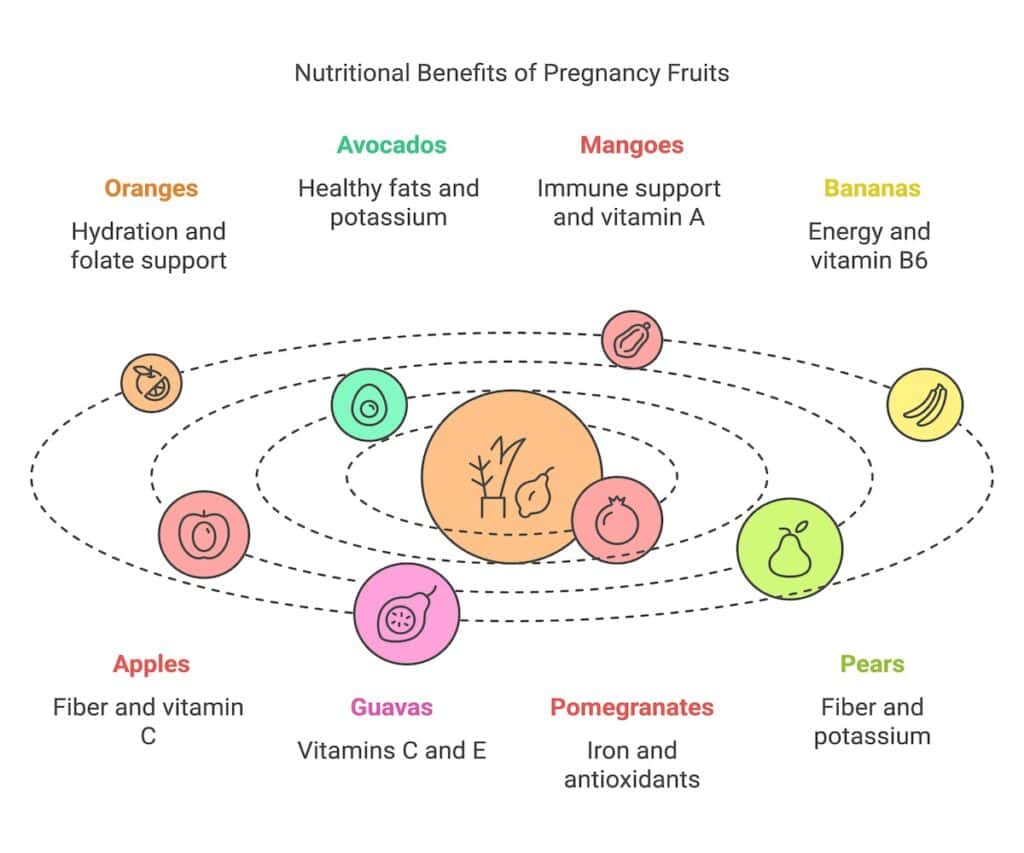
Eating a variety of fruits is an essential part of a healthy pregnancy diet, as fruits are a key food group that provide important nutrients for both mother and baby. Including a range of other fruits, such as goji berries, alongside more common options ensures a well-rounded intake of vitamins, minerals, and antioxidants that support fetal development and maternal health.
It is recommended that pregnant women consume two to four servings of fruit per day. A serving can be a medium whole fruit, a half-cup of fresh, canned, or dried fruits, or a three-quarter cup of 100% pasteurized juice. While whole fruit is preferable for its fiber and nutrient content, pasteurized juice can be a safe option to help meet daily fruit intake.
Dried fruits and canned fruits can be convenient alternatives when fresh counterparts are not available, but fresh fruits generally contain more water, nutrients, and less added sugar. When choosing canned fruits, opt for those without added sugars. Dried fruits are nutrient-dense but should be eaten in moderation due to their high sugar content.
A fruit smoothie or fruit salad can make a vitamin packed meal, providing various vitamins and minerals in a delicious and easy-to-digest form. These options are also a healthy way to satisfy a sweet tooth during pregnancy, offering natural sweetness along with essential nutrients instead of empty calories from candy or cake.
Oranges serve as a powerhouse of nutrients for pregnant women. These citrus fruits help maintain hydration levels while providing essential folate, crucial for preventing brain and spinal cord defects. The high vitamin C content supports bone development, aids digestion, and can help alleviate morning sickness symptoms. Additionally, vitamin C in oranges helps the body absorb iron more effectively, which is important for both maternal and fetal health during pregnancy.
Avocados, though technically a fruit, offer unique benefits during pregnancy. Rich in healthy fats and folate, they support fetal brain development while providing potassium that helps prevent pregnancy-related leg cramps. The nutritional composition of avocados includes vitamin K and various vitamins, which contribute to blood clotting, bone health, and overall nutrient intake. Their creamy texture and versatility make them an excellent addition to pregnancy meals.
Mangoes, a tropical favourite in Singapore, deliver impressive nutritional benefits. One serving provides 100% of your daily vitamin C needs and 30% of vitamin A requirements, supporting immune function during pregnancy. Mangoes are also a good option for those experiencing morning sickness, as their hydrating properties can help manage symptoms and prevent dehydration. Their natural sweetness makes them a perfect healthy snack option.
Bananas are particularly beneficial during early pregnancy, as their vitamin B6 content may help relieve morning sickness. Morning sickness is a common pregnancy symptom, and consuming bananas can help manage it. They’re also an excellent source of quick energy and help maintain potassium levels.
Apples provide both fibre and vitamin C, supporting digestive health and immune function during pregnancy. The fibre in apples plays a key role in maintaining a healthy digestive system by promoting regular bowel movements and preventing constipation, a common pregnancy complaint.
Guava, readily available in Singapore, contains both vitamins C and E, which strengthen the nervous system and aid digestion. This tropical fruit is particularly beneficial for Singapore’s climate, helping maintain hydration levels.
Pomegranates deserve special attention for their high iron content, helping prevent pregnancy-related anaemia. They’re also packed with antioxidants that support overall health during pregnancy.
Pears are an excellent choice for expecting mothers, offering multiple benefits for both mother and baby. They help lower the risk of gestational diabetes and preeclampsia through their unique combination of nutrients. Their high folate content supports proper neural tube development, while the substantial fibre content aids in preventing pregnancy-related constipation. Pears’ high potassium levels help maintain healthy blood pressure, and their high water content supports hydration. Their natural sweetness makes them an ideal healthy alternative when pregnancy cravings strike.
Strawberries pack a powerful nutritional punch during pregnancy when properly washed and consumed in moderation. They’re rich in vitamin C, which boosts immune function and iron absorption and contains important antioxidants that support overall health. The vitamin C in strawberries helps the body absorb iron more effectively, which is especially important during pregnancy. The folate content is crucial for fetal development. However, due to their high pesticide exposure risk, it’s essential to choose organic strawberries to ensure safety during pregnancy.
Dragon fruit is a nutrient-dense option for expecting mothers, providing multiple pregnancy-specific benefits. Its high fibre content helps relieve pregnancy-related constipation, while calcium and phosphorus support proper fetal bone development. The fruit’s immune-boosting properties help protect both mother and baby, and its omega-3 and omega-6 fatty acids promote heart health. Its mild sweetness and refreshing texture make it an appealing choice during pregnancy.
Mangosteen offers vital nutrients crucial for pregnancy health. Its folate content helps prevent birth defects, particularly in early pregnancy stages. The high vitamin C content strengthens the immune system, which is especially important during pregnancy when the immune system is naturally suppressed. The manganese content supports fetal skeletal development, making it a valuable addition to a pregnancy diet.
Rambutan serves as a beneficial fruit choice during pregnancy, providing essential nutrients for maternal and fetal health. Its iron content helps prevent pregnancy-related anaemia, while dietary fibre aids in maintaining healthy digestion. The fruit’s antioxidants boost immune function, and its high water content helps maintain proper hydration and electrolyte balance. Its sweet taste and refreshing nature make it an enjoyable pregnancy snack.
Mandarin oranges and clementines are ideal fruits for pregnancy, particularly during Singapore’s Chinese New Year season, when they’re abundant and affordable. These sweet, easy-to-peel citrus fruits pack significant nutritional benefits in convenient, snack-sized portions. Their high vitamin C content strengthens the immune system, while their folic acid is crucial for preventing neural tube defects during early pregnancy. The fibre content aids digestion, helping prevent pregnancy-related constipation. Their natural sweetness and high water content make them perfect for satisfying cravings while staying hydrated. As an added benefit, their small size and minimal preparation requirements make them an ideal on-the-go snack for busy expecting mothers.
Download the Infographic for pregnancy fruits for expecting mothers.
A healthy pregnancy diet should include a variety of food groups to ensure you and your baby receive all the essential nutrients needed for optimal health and development:
By including these food groups in your pregnancy diet, you can help ensure a healthy pregnancy and support your baby’s growth every step of the way.
According to Singapore’s Health Promotion Board, pregnant women are recommended to consume two to four servings of fruit per day for optimal nutrition. One serving equals:
Whole fruit is generally the best option for maximizing fiber and nutrients. Canned fruits and dried fruits can be convenient alternatives, but always select varieties without added sugar, and consume dried fruits in moderation due to their higher sugar concentration and lower fiber content compared to fresh fruit.
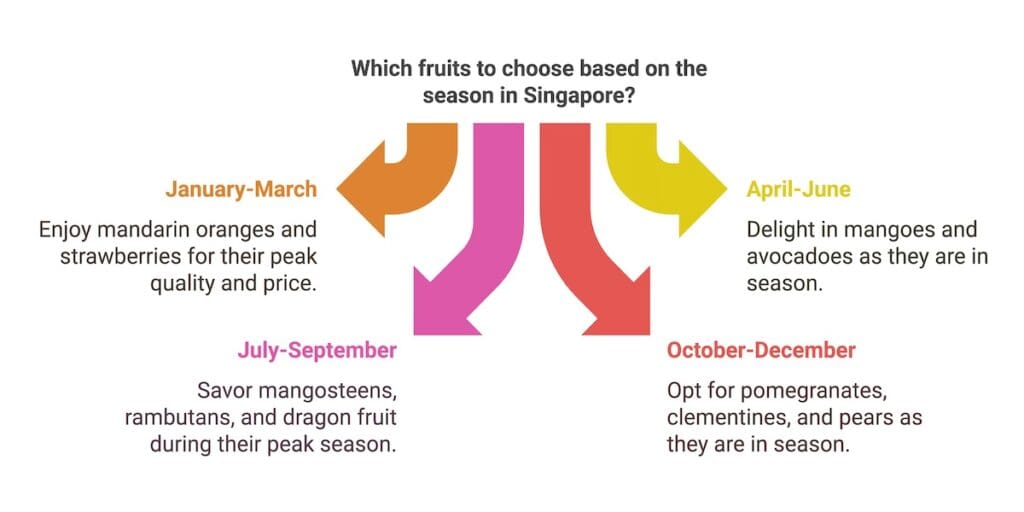
Singapore’s tropical climate allows access to various fruits year-round, but certain seasons offer better quality and prices.
For the freshest seasonal fruits, be sure to explore the produce aisle at your local grocery store.
Download the Infographic for Seasonal Fruits in Singapore.
Healthy snacking is an important part of a pregnancy diet, helping to keep your energy levels steady and provide your baby with essential nutrients throughout the day. Some nutritious snack options for pregnant women include:
Incorporating these healthy snacks into your daily routine can help you meet your nutritional needs and maintain a balanced, healthy pregnancy diet.
Bananas are particularly effective for morning sickness due to their vitamin B6 content. They’re easy to digest and provide steady energy throughout the day. Lemon and other fruits are also commonly used to help relieve pregnancy related nausea, which is a frequent concern for many expecting mothers.
For blood sugar management, these fruits are recommended due to their lower glycemic index:
Constipation is a common symptom during pregnancy, often managed by including fiber-rich fruits in the diet. Uterine pressure from the growing uterus can also contribute to constipation by pressing on the intestines and slowing digestion.
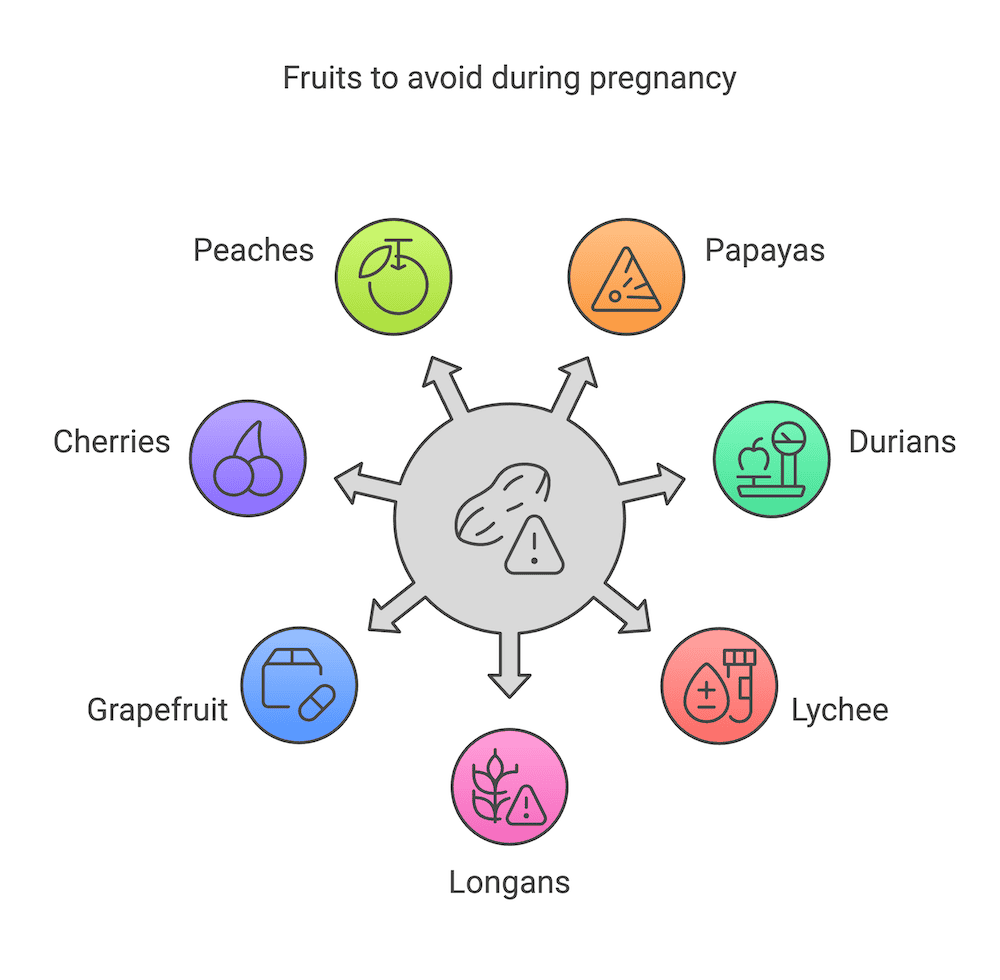
While most fruits are safe during pregnancy, some require careful consideration and moderation. When consuming raw vegetables, it is important to be cautious with raw sprouts, as they may carry harmful bacteria and should be avoided during pregnancy. If you choose non organic fruit, wash it thoroughly to reduce pesticide exposure. Also, avoid fruits with added sugars or syrups, as these can contribute empty calories and displace more nutritious foods in your diet.
Unripe and semi-ripe papaya should be avoided in early pregnancy due to the presence of latex, which may trigger uterine contractions. Pineapple should be limited due to its bromelain content, and tamarind should be consumed in moderation, especially during the first trimester.
Durian, while safe to eat, should be limited during pregnancy. Its high sugar and carbohydrate content, combined with a high glycemic index, makes it unsuitable for those with gestational diabetes. If you’re craving durian, consume it in small portions and monitor your blood sugar levels.
Lychee requires careful consideration during pregnancy. This sweet fruit can significantly raise blood sugar levels and may increase the risk of gestational diabetes. Before including lychee in your pregnancy diet, consult your healthcare provider, especially if you have a history of blood sugar concerns.
Longan is not recommended during pregnancy as it may cause several uncomfortable symptoms, including dry mouth, constipation, and abdominal pain. Some believe it may lead to pregnancy complications, so it’s best to avoid this fruit or consult your healthcare provider before consumption.
Grapefruits offer high vitamin C content, essential folate, and fibre while being low in calories. However, their consumption requires careful consideration during pregnancy. The primary concern is their potential interaction with certain medications, including some commonly prescribed during pregnancy. Consuming grapefruit on an empty stomach isn’t recommended as it may cause acid reflux, and those with kidney or hepatic conditions should avoid it. Always consult your healthcare provider about grapefruit consumption, especially if you’re taking any medications.
Cherries pack impressive benefits for expecting mothers through their vitamin C content and support for fetal brain development. Their natural melatonin can help with sleep issues, while anti-inflammatory properties may ease pregnancy discomfort. However, be aware that some women experience bloating and gas when consuming cherries, and there’s a risk of allergic reactions in sensitive individuals. They can also interact with blood pressure medications, making medical consultation important before including them in your pregnancy diet.
Peaches provide essential vitamin C, iron, and dietary fibre that support both maternal and fetal health, particularly benefiting bone and tissue development. While generally safe during pregnancy, women with high blood sugar should monitor their consumption due to natural sugar content. The skin may cause throat irritation, so peeling is recommended. Choose organic varieties when possible to minimize pesticide exposure, as conventional peaches often rank high in pesticide residues.
Given these considerations, it’s always wise to discuss any concerns about specific fruits with your healthcare provider, especially if you have underlying conditions like gestational diabetes or are in your first trimester.
You can download the infographic for Fruits to Avoid When Pregnant here.
Wet Markets offer some of the best values for fresh fruits:
Online Group Buy Options have become increasingly popular:
Location: 24 Wholesale Center Singapore 110024
Website: https://www.freshcollective.sg/
Location: 19 Pasir Panjang Wholesale Centre Website: https://yayapapaya.com.sg/
Budget-Friendly Delivery Services provide convenient options:
Location: 727 Clementi West Street 2, #01-248 Singapore 120727
Website: https://www.slhfreshfruits.sg/
Location: 48 Sims Place, #01-155, Singapore 380048
Website: https://www.fruitwerkz.com/
To ensure the safety of your fruit consumption during pregnancy:
To maximize the nutritional benefits and longevity of your fruits:
By following these guidelines and incorporating a variety of fruits into your daily diet, you can ensure optimal nutrition during your pregnancy while managing your budget effectively. Remember to consult with your healthcare provider about any specific dietary restrictions or concerns related to your pregnancy and health.
Infographics you can download.
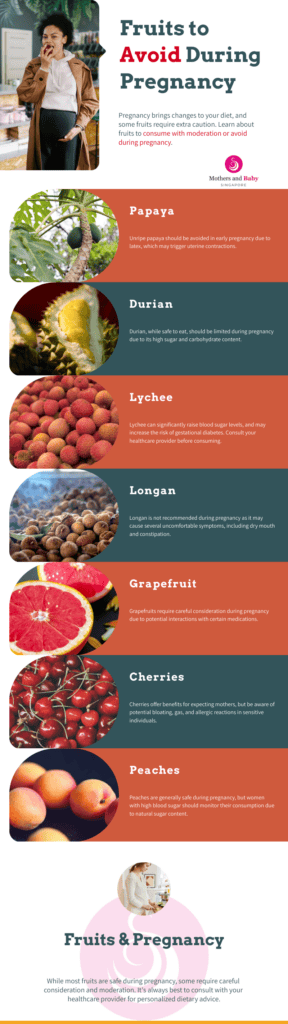
Infographic – Fruits to Avoid During Pregnancy

Infographic – Healthy Pregnancy Fruits
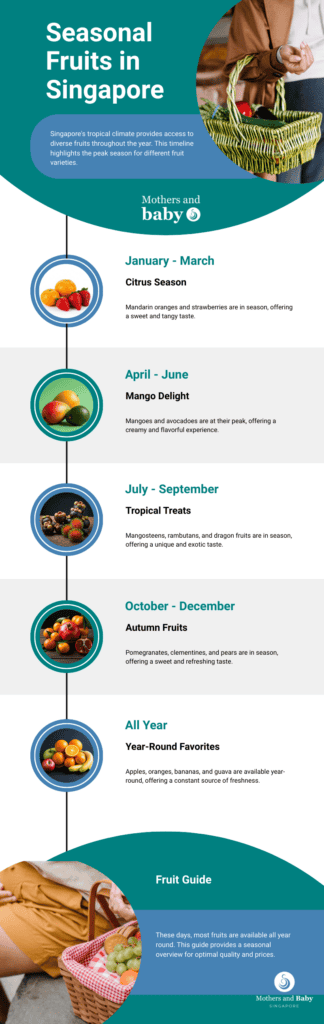
Infographic- Seasonal Fruits in Singapore
Maintaining a healthy weight during pregnancy is essential for both your health and your baby’s development. Pregnant women should aim for gradual, healthy weight gain, as gaining too much weight can increase the risk of complications such as gestational diabetes and high blood pressure. Following a healthy diet that includes a variety of nutrient-dense foods and staying active can help you manage weight gain and support a healthy pregnancy. Remember, every pregnancy is unique, so it’s important to discuss your individual weight gain goals with your healthcare provider.
Staying active and well-hydrated is key to a healthy pregnancy. Regular physical activity, such as walking or prenatal yoga, can help pregnant women reduce the risk of complications like gestational diabetes and high blood pressure, while also supporting overall well-being. Hydration is equally important—aim to drink at least eight glasses of water each day to prevent dehydration, which can lead to issues such as preterm labor or low birth weight. Including hydrating foods like fruits and vegetables in your diet can further support your fluid intake and provide additional vitamins and minerals for you and your baby. By making physical activity and hydration a priority, you’ll be supporting a healthy pregnancy for both you and your baby.

Pregnancy
Among women in Singapore who had a baby through in vitro fertilisation (IVF), most needed one or two cycles. The Ministry of…

Pregnancy
A preconception check up, which hospitals call preconception health screening, is a visit to a doctor before you start trying for a…

Pregnancy
Midwifery in Singapore is the care a registered midwife (RMW) gives you through pregnancy, labour and the weeks after birth. The Singapore…