

Pregnancy
How many IVF cycles does it take to get pregnant? What MOH's figures show
Among women in Singapore who had a baby through in vitro fertilisation (IVF), most needed one or two cycles. The Ministry of…
Pregnancy
The first trimester is the initial phase of pregnancy, spanning from conception to week 12. It’s a crucial period marked by significant hormonal changes and rapid development of the baby. During these weeks, you’ll experience early pregnancy symptoms, and it’s essential to start prenatal care. This article covers what to expect in the first trimester,…
The first trimester is the initial phase of pregnancy, spanning from conception to week 12. It’s a crucial period marked by significant hormonal changes and rapid development of the baby. During these weeks, you’ll experience early pregnancy symptoms, and it’s essential to start prenatal care. This article covers what to expect in the first trimester, symptom management, baby’s development, and important health tips. Our pregnancy due date calculator will tell you which week you are in.

The first trimester of pregnancy spans from the first day of your last menstrual period to week 12. This phase is marked by significant hormonal changes, with levels of hCG and progesterone rising dramatically as the last period trimester begins. These hormones play a pivotal role in supporting the pregnancy and preparing your body for the months ahead.
During these first few weeks, the groundwork for your baby’s development is laid:
These rapid changes are crucial for the babies’ overall growth and health.
By the end of the first trimester, many women start to feel a deeper connection to their pregnancy as the signs of fetal development become more apparent. This period also represents the beginning of the motherhood journey for many women, filled with a mix of excitement and anxiety. While the risk of miscarriage is higher during this trimester, feeling well generally indicates that the pregnancy is progressing positively.
The first trimester is a whirlwind of changes and emotions, establishing the foundation for the entire pregnancy. It’s a period of rapid baby development and significant physical and emotional adjustments for the mother.

Early pregnancy symptoms can vary widely among women, but some common symptoms include:
These symptoms are primarily driven by the surge in pregnancy hormones like hCG and progesterone. For many women, these early signs are the first indicators of their pregnancy journey and may lead them to experience symptoms of their pregnancy hormone condition, including hormone changes.
Common early pregnancy symptoms include:
It’s important to note that not all women experience these symptoms, and the intensity can vary. Some women may sail through the first trimester with minimal discomfort, while others may find these symptoms significantly impact their daily lives. Regardless of the experience, these early pregnancy symptoms are a normal part of the pregnancy journey and a sign that the body is adapting to support the developing baby.

The baby’s development during the first trimester is a marvel of nature. From the moment the fertilized egg implants in the uterine lining to the formation of vital organs, each week brings significant milestones in the baby’s growth.
Let’s take a closer look at the detailed stages of development over these crucial first weeks.
During the initial weeks, the fertilised egg implants into the uterine lining after traveling down the fallopian tube, marking the start of pregnancy. Critical structures such as the amniotic sac, placenta, and neural tube begin to develop, essential for the fertilised egg’s growth and nourishment.
By week four, the embryo measures about 2mm and relies on the yolk sac for nourishment. Although the baby’s heartbeat is usually detectable by week 6, these early weeks are primarily about establishing the foundation for development.
By week 5, a significant milestone occurs – the baby’s heart starts to beat. Major developments include:
By week 8, the embryo begins to look more human-like. These weeks are crucial for laying the groundwork for the baby’s organs and systems, setting the stage for further development.
From week 9, the developing baby is called a fetus. During this stage:
By the end of week 12, the fetus measures about 6 cm in length and appears more recognizably human. The first trimester wraps up with the baby’s vital organs in place, ready to continue growing and maturing throughout the pregnancy.

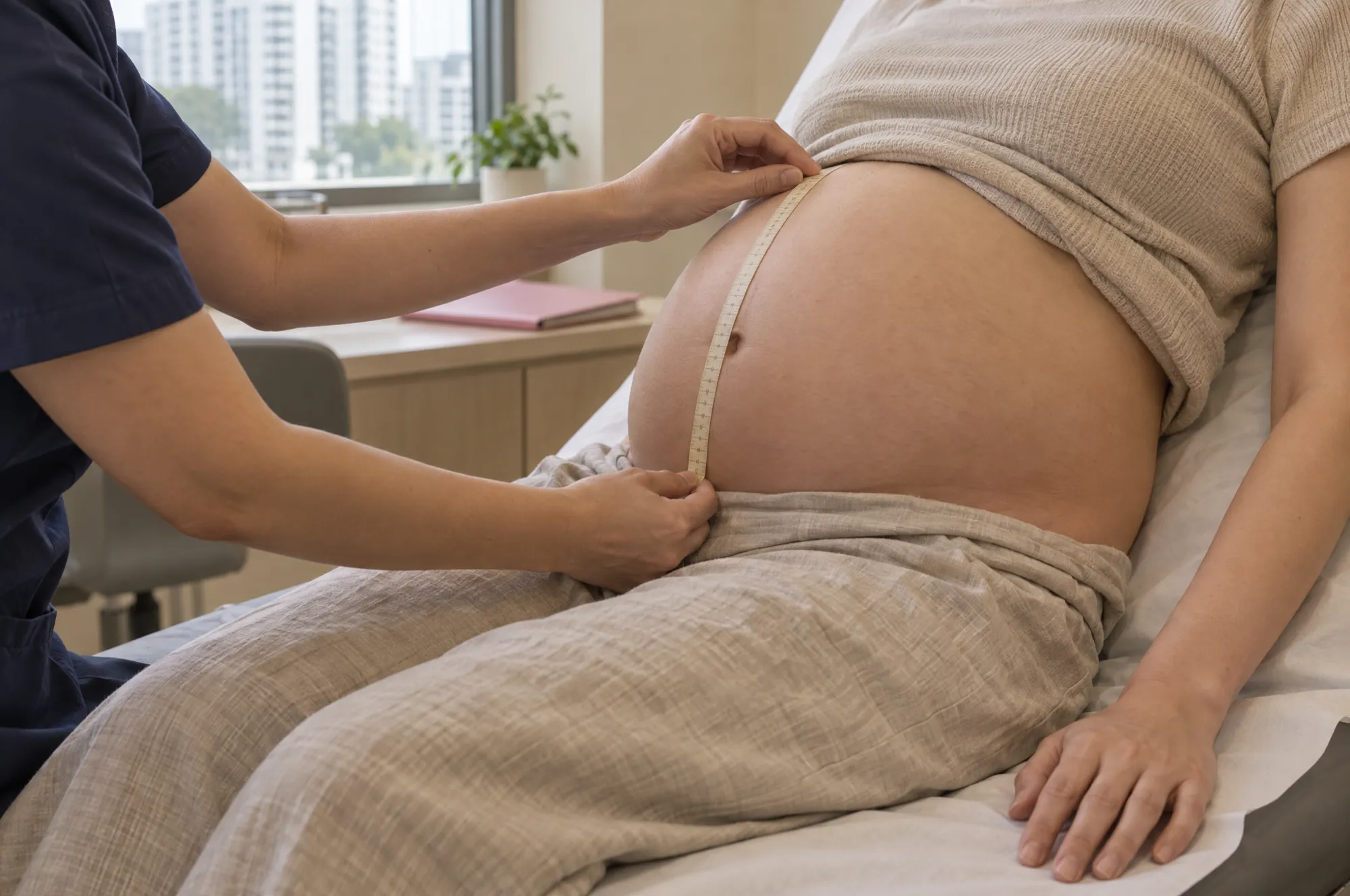
Early prenatal care is crucial for the health and well-being of both mother and baby. Seeing an obstetrician as soon as pregnancy is confirmed, typically around 6-8 weeks, helps assess the mother’s health and address any potential issues.
Regular prenatal visits monitor the progress of the pregnancy and ensure both mother and baby are healthy. During the first visit, healthcare providers may suggest blood tests and other screenings for a comprehensive understanding of the mother’s health.
The first prenatal appointment usually occurs between 6-8 weeks of pregnancy. A urine or blood test confirms the pregnancy, and an ultrasound may be conducted to check the baby’s development and heartbeat. Home pregnancy tests typically confirm pregnancy about 3.5 weeks after conception.
After the initial visit, antenatal appointments are scheduled every 4 to 6 weeks. These regular check-ups monitor the pregnancy’s progress and address any arising concerns.
First trimester screening identifies potential chromosomal abnormalities in the fetus. The combined first trimester screening, including an ultrasound and a blood test, checks for genetic conditions such as down’s syndrome. The ultrasound measures the thickness of fluid behind the baby’s neck, known as nuchal translucency.
The blood test for the combined first trimester screen measures Beta HCG and PAPP-A hormones. Non-invasive prenatal testing (NIPT), available from 10 weeks of gestation, is a more accurate screening that analyzes the baby’s dna from placental material to assess the risk of genetic conditions.
These screenings ensure the baby’s health and well-being and help prepare for potential challenges.

Maintaining a healthy lifestyle during pregnancy is vital for both mother and baby, as well as for women’s health. A balanced diet of healthy foods, regular exercise, and adequate rest are key components.
Let’s explore some helpful tips for nutrition, managing morning sickness, and incorporating exercise into your routine.
In the first trimester, eating a variety of nutritious foods and taking folic acid and iodine supplements is important. A recommended diet includes nutrient-rich foods like fruits, vegetables, lean proteins, and whole grains. Folic acid is particularly critical for proper neural development.
To ensure food safety, pregnant women should avoid raw or undercooked foods, unpasteurized dairy, and high-mercury fish, which may contain harmful substances. The recommended caffeine intake during pregnancy is 200 mg per day. Adhering to these guidelines supports a healthy pregnancy.
Folic acid intake is crucial by the end of week 6 as the neural tube closes, establishing the foundation for the brain and spinal cord. A balanced diet and prenatal vitamins are essential for the overall health of mother and baby.
Morning sickness, marked by nausea and vomiting, typically arises around 4 to 9 weeks. Managing it involves eating frequent meals, avoiding an empty stomach, and staying hydrated.
Ginger tea, plain crackers, and eat slowly can help alleviate symptoms.
Regular physical activity during pregnancy benefits both mother and baby. Gentle activities like walking or prenatal yoga are recommended in the first trimester to improve circulation, reduce stress, and boost energy levels.
To boost energy levels in the first trimester, avoid exertion and get plenty of rest. Adequate rest and relaxation techniques help manage fatigue and stress, contributing to a healthy pregnancy.
Emotional fluctuations during early pregnancy are common, reflecting the stresses and joys of impending motherhood. Hormonal changes can cause mood changes, irritability, and tiredness. Acknowledge these feelings and seek support if needed.
If feeling anxious or very down during pregnancy, reach out to a healthcare provider or a trusted family member. Managing stress and maintaining emotional well-being are crucial for a healthy pregnancy.
Certain symptoms during pregnancy require immediate medical attention:
Severe abdominal pain may indicate a serious condition like an ectopic pregnancy, requiring prompt medical attention. Severe cramping and persistent vomiting, along with severe vomiting that prevents food or fluid intake, can lead to serious dehydration, necessitating immediate medical care.
Always consult a healthcare provider if unsure about any symptoms.
As you transition into the second trimester, consider the following:
These practices ensure a smooth transition and a healthy pregnancy.
Budget for maternity needs and explore prenatal classes to prepare for the upcoming months. Sleep quality often improves during the second trimester, with sleeping on your left side recommended for optimal rest. Preparing ahead helps navigate the rest of your pregnancy with confidence.
In summary, the first trimester of pregnancy is a time of rapid changes and significant developments. Understanding early pregnancy symptoms, the baby’s development, and the importance of prenatal care can help ensure a healthy pregnancy. Maintaining a healthy lifestyle and managing emotional well-being are also crucial for both the mother and the baby’s health.
As you move into the second trimester, continue to prioritize your health and well-being. By staying informed and proactive, you can navigate the pregnancy journey with confidence and joy.
The most common early pregnancy symptoms are nausea, breast tenderness, increased urination, and changes in food preferences. Recognizing these signs can help you determine if you should take a pregnancy test.
You should schedule your first prenatal appointment between 6 to 8 weeks of pregnancy. Early visits are crucial for monitoring your health and the development of the baby.
The key screening tests in the first trimester include the combined first trimester screen and non-invasive prenatal testing (NIPT), which are essential for assessing potential genetic conditions. It is important to discuss these options with your healthcare provider for appropriate guidance.
To effectively manage morning sickness, it is advisable to eat frequent meals to prevent an empty stomach and stay hydrated. Additionally, incorporating ginger tea and plain crackers into your diet can provide relief.
If you experience heavy bleeding, severe pain, a high fever, significant dizziness, or persistent vomiting during the first trimester, it is crucial to seek immediate medical attention. These symptoms may indicate a serious condition that requires prompt evaluation. There is more on this stage in our pregnancy guides.

Pregnancy
Among women in Singapore who had a baby through in vitro fertilisation (IVF), most needed one or two cycles. The Ministry of…

Pregnancy
A preconception check up, which hospitals call preconception health screening, is a visit to a doctor before you start trying for a…
Pregnancy
Midwifery in Singapore is the care a registered midwife (RMW) gives you through pregnancy, labour and the weeks after birth. The Singapore…