
Newborn
How to hire a confinement nanny in Singapore: the MOM permit, dates and costs
To hire a confinement nanny from Malaysia, you apply to Singapore's Ministry of Manpower (MOM) for a Work Permit for confinement nanny….
Newborn
Guide to newborn clothing in Singapore – top fabrics, brands, and essential shopping tips for a comfortable start.
Welcoming a newborn baby into your family brings immense joy, but it also comes with countless decisions – especially when it comes to choosing the right clothing for your little ones. In Singapore’s tropical climate, selecting appropriate newborn clothing becomes even more critical, as parents must balance comfort, safety, and practicality while navigating the city’s year-round warmth and humidity.
The Singapore baby apparel market has grown significantly, reaching USD 49.1 million in 2024 and projected to expand to USD 58.0 million by 2030. This growth reflects parents’ increasing investment in quality baby essentials that prioritize both comfort and style. With 80% humidity levels and temperatures consistently above 30°C, choosing climate-appropriate fabrics and designs becomes essential for your newborn’s wellbeing.
Whether you’re preparing for your first baby or expanding your family, this comprehensive guide will help you navigate everything from essential clothing types to the best shopping locations in Singapore. We’ll cover safety certifications, sizing considerations, and cultural factors that influence clothing choices for Singapore’s diverse community.
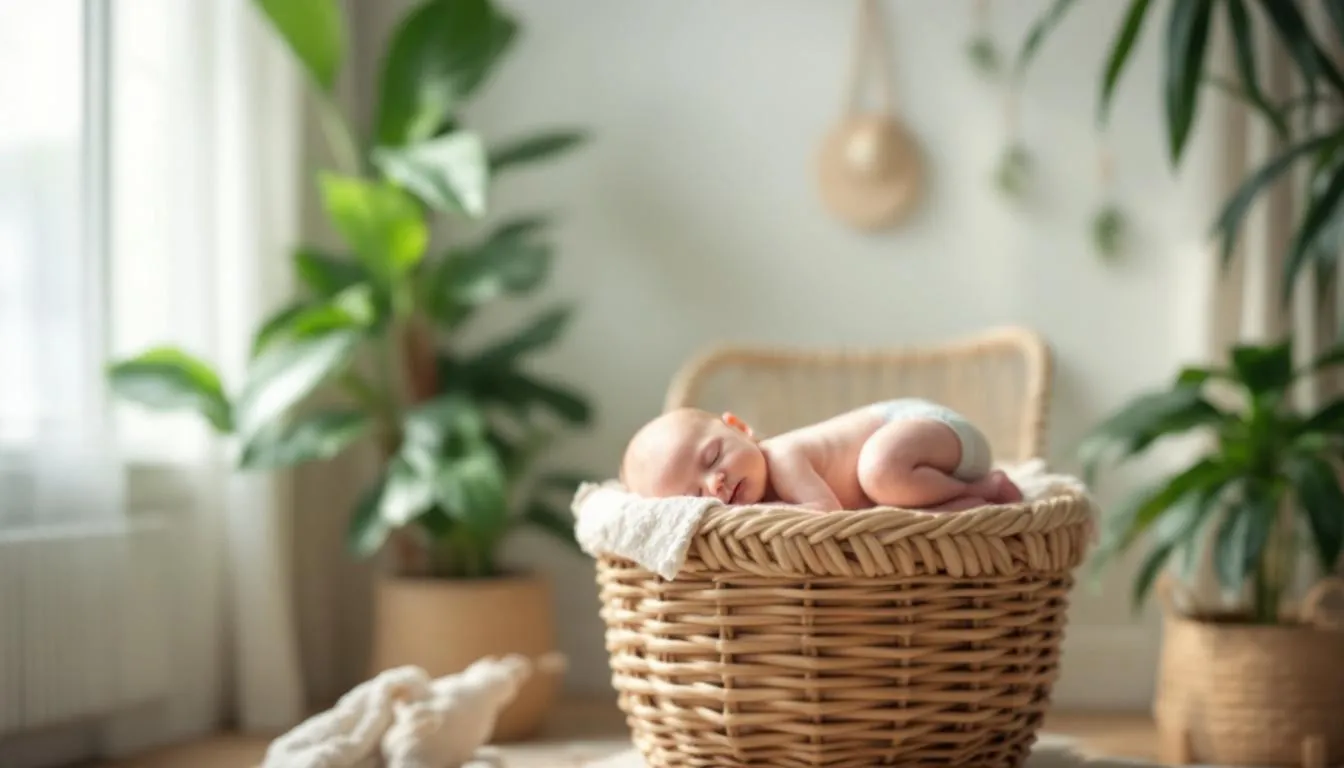
Building a practical wardrobe for your newborn starts with understanding which clothing types will serve you best in Singapore’s climate. The key is selecting versatile pieces that accommodate frequent changes while keeping your baby comfortable in tropical conditions.
Bodysuits form the cornerstone of any newborn’s wardrobe, providing a comfortable base layer that prevents gaps between clothing pieces. In Singapore’s climate, short-sleeved organic cotton bodysuits offer the perfect balance of coverage and breathability. These essential pieces feature snap closures at the crotch for easy diaper changes and envelope necklines that stretch over your baby’s head without discomfort.
Quality bodysuits should be made from GOTS-certified organic cotton to protect your newborn’s sensitive skin from harsh chemicals while providing natural moisture-wicking properties. Plan to have 8-10 bodysuits in newborn and 0-3 month sizes, as these will likely be changed multiple times daily during the early weeks.
Rompers and pramsuits excel in Singapore’s warm weather, offering complete coverage in a single piece while eliminating the need for separate tops and bottoms. Look for designs featuring snap closures along the legs and chest for quick diaper changes without fully undressing your baby.
Lightweight cotton or bamboo rompers work exceptionally well for daytime wear, providing comfort during Singapore’s heat while maintaining that stylish appearance many parents desire. Choose rompers with short sleeves and shorts-style legs for optimal air circulation.
Singapore’s nighttime temperatures rarely drop below 25°C, making lightweight sleepsuits essential for comfortable sleep. Unlike heavier sleepwear designed for cooler climates, Singapore parents should prioritize breathable cotton or bamboo sleepsuits that prevent overheating.
Choose sleepsuits with two-way zippers for middle-of-the-night diaper changes that don’t require complete undressing. The cosy comfort of quality sleepsuits helps establish healthy sleep routines while protecting your baby from air conditioning in Singapore homes.
Additional essential pieces for Singapore newborns include:
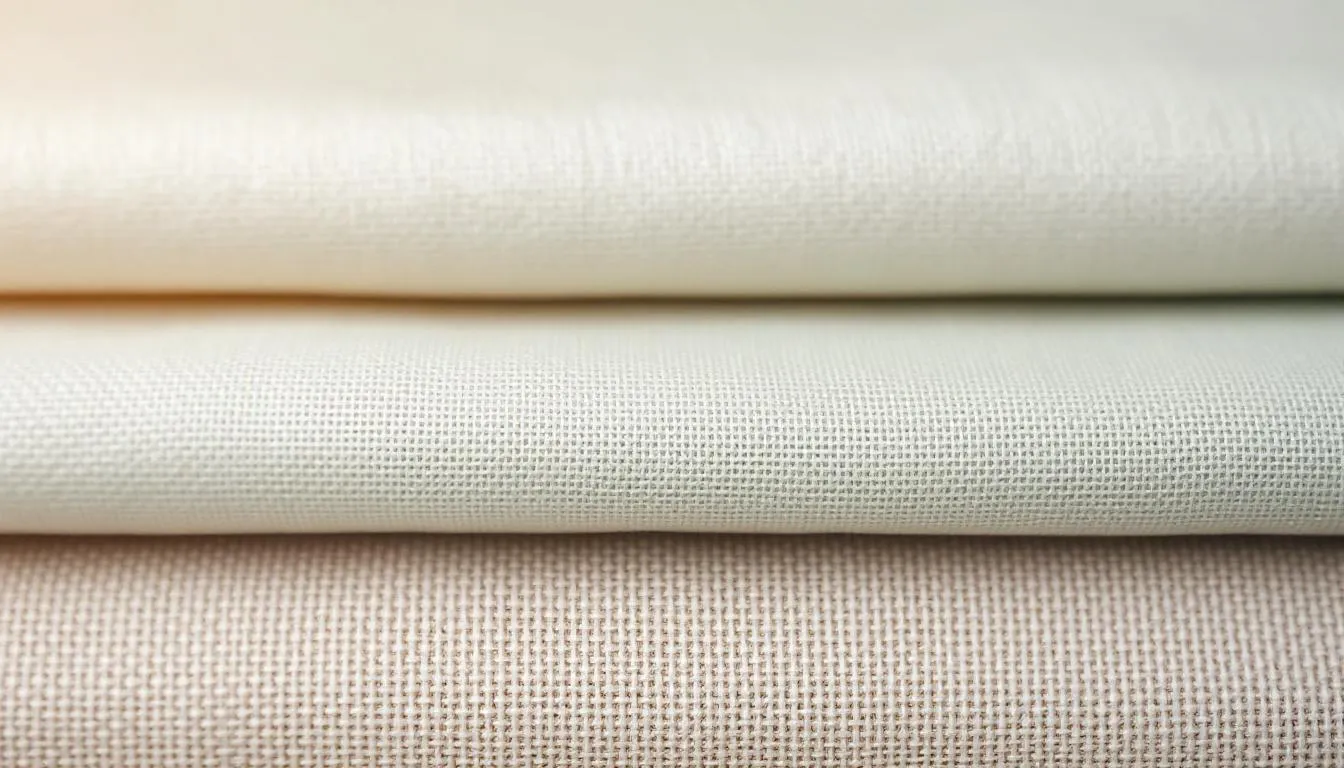
Choosing the right fabric materials makes the difference between a comfortable baby and one struggling with Singapore’s heat and humidity. Understanding fabric properties helps you select pieces that work with, rather than against, the tropical environment.
Organic cotton stands as the gold standard for newborn clothing in Singapore, offering superior breathability essential for the city’s 80%+ humidity levels. Unlike conventional cotton, organic varieties avoid synthetic chemicals and pesticides that can irritate sensitive newborn skin.
The natural fiber structure of organic cotton allows air to circulate freely, preventing the heat buildup that synthetic materials often create. This breathability becomes particularly important during Singapore’s warmest months when temperatures regularly exceed 32°C.
Quality organic cotton also improves with washing, becoming softer over time while maintaining its shape and color. This durability proves especially valuable given the frequent washing requirements in Singapore’s humid climate.
Bamboo fabric represents an excellent alternative to organic cotton, offering unique properties particularly suited to Singapore’s climate. The natural antibacterial properties of bamboo help prevent odor buildup, while its moisture-wicking capabilities keep babies dry in humid conditions.
Bamboo fiber’s smooth, round structure feels incredibly soft against newborn skin while providing natural UV protection – valuable for outdoor activities in Singapore’s intense sunlight. The fabric’s breathability often exceeds that of cotton, making it ideal for particularly warm days.
Additionally, bamboo grows rapidly without requiring pesticides, appealing to environmentally conscious Singapore parents who prioritize sustainable choices for their family.
The Global Organic Textile Standard (GOTS) certification provides assurance that fabrics meet strict environmental and social criteria. In Singapore’s market, GOTS-certified newborn clothing commands premium prices but offers peace of mind regarding chemical-free manufacturing.
GOTS certification guarantees that at least 70% of fibers are organic, with the remainder meeting specific environmental criteria. The standard also ensures fair working conditions and prohibits harmful chemicals throughout the supply chain. For parents concerned about safety beyond textiles, check out our guide to 7 child car seats that meet Singapore’s safety standards to ensure your child’s protection and comfort during travel.
Certain fabrics prove problematic in Singapore’s climate:
Safety considerations take precedence when selecting newborn clothing, particularly given Singapore’s role as an import hub where various international standards apply. Understanding key certifications helps parents make informed choices that protect their babies.
The Global Organic Textile Standard represents the most comprehensive certification for organic textiles, covering everything from fiber production to final product labeling. GOTS certification requires organic status verification for fibers and restricts harmful chemicals throughout the manufacturing process.
For Singapore parents, GOTS-certified clothing provides assurance that no harmful pesticides, heavy metals, or formaldehyde remain in the fabric. This certification also guarantees social criteria compliance, ensuring fair working conditions in manufacturing facilities.
Oeko-Tex Standard 100 certification focuses specifically on testing for harmful substances in textile products. This standard tests for over 100 substances including pesticides, heavy metals, formaldehyde, and banned azo dyes that could pose health risks to newborns.
The certification applies to every component of the garment, including threads, buttons, and zippers. For Singapore’s import market, Oeko-Tex certification provides confidence that international products meet strict safety requirements.
Singapore maintains specific safety regulations for children’s clothing imports, including requirements for:
Modern parents increasingly seek chemical-free options for their newborns. Key considerations include:
Understanding sizing becomes crucial for Singapore parents, particularly given the rapid growth newborns experience during their first months. The tropical climate also influences sizing choices, as loose-fitting clothes provide better air circulation.
Newborn size typically accommodates babies weighing 2.5-3.5kg, which encompasses most Singapore newborns. However, sizing can vary significantly between brands, with some running larger or smaller than others.
In Singapore’s climate, consider sizing up slightly to allow for air circulation. Tight-fitting clothes restrict airflow and can contribute to overheating in the tropical environment. The extra room also accommodates the rapid growth that occurs during the first weeks.
Singapore newborns typically outgrow newborn sizes within 2-4 weeks, making size planning essential for value and practicality. Most babies transition through sizes as follows:
Age Range | Weight Range | Singapore Climate Considerations |
|---|---|---|
Newborn (NB) | 2.5-3.5kg | Buy 4-6 pieces only |
0-3 months | 3.5-6kg | Primary wardrobe investment |
3-6 months | 6-8kg | Pre-buy for better value |
6-9 months | 8-10kg | Consider seasonal needs |
Singapore stores stock clothing from various countries, each with different sizing standards:
Smart Singapore parents often pre-buy larger sizes during sales, particularly during major shopping periods like Chinese New Year or year-end promotions. However, avoid buying too far ahead, as season-inappropriate clothing may accumulate.
Focus pre-buying efforts on basics like bodysuits and sleepsuits in breathable fabrics that work year-round in Singapore’s consistent climate.
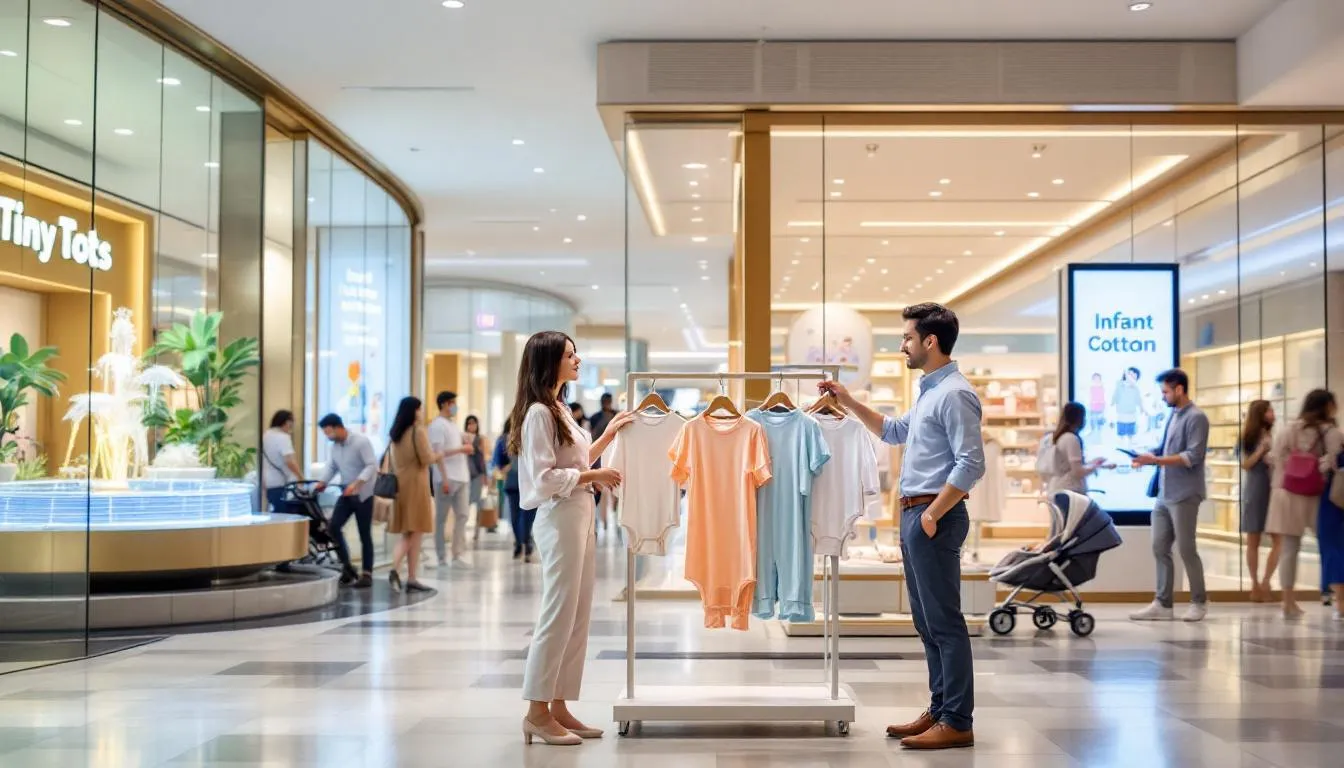
Singapore offers diverse shopping options for newborn clothing, from budget-friendly chains to premium organic boutiques. The rise of e-commerce has particularly transformed how parents shop, with online platforms capturing increasing market share.
H&M Singapore leads the accessible fashion segment, offering trendy newborn clothing at reasonable prices (S$8-20 per piece). Their organic cotton basics line provides good quality options for budget-conscious parents, with frequent sales and promotions.
Cotton On Kids provides Australian-style casual wear with emphasis on soft, comfortable fabrics suitable for Singapore’s climate. Their price range (S$12-25) positions them between budget and mid-range options.
Mothercare brings British heritage and expertise to Singapore’s baby market, focusing on practical designs with safety features. While pricier than chain alternatives, their quality and durability often justify the investment for parents seeking longevity.
Le Petit Society represents Singapore’s premium local baby boutique scene, curating international organic brands alongside their private label items. Prices range from S$35-80 per piece, reflecting their focus on sustainable, chemical-free materials.
Château de Sable offers French-inspired children’s clothing with emphasis on natural fabrics and timeless designs. Their newborn range focuses on organic cotton and bamboo pieces designed specifically for tropical climates.
Online shopping has revolutionized newborn clothing purchases in Singapore, with platforms experiencing 4.9% annual growth compared to 2.9% for traditional retail. Key advantages include:
Shopee Singapore offers the widest selection, from budget imports to premium brands, with frequent promotions and free delivery options. Customer reviews help guide purchasing decisions, particularly valuable for first-time parents.
Lazada provides similar variety with strong brand presence from international companies. Their return policies and customer service support make online purchasing less risky for sizing concerns.
Brand websites often offer exclusive collections and early sale access. Many international brands provide Singapore-specific sizing and climate recommendations.
Singapore’s premium department stores maintain dedicated baby sections with curated selections:
Growing environmental consciousness has created demand for sustainable shopping options:
Understanding price ranges helps Singapore parents plan their newborn clothing budget effectively, balancing quality requirements with financial practicality. The market offers options across all price segments, from basic necessities to luxury organic pieces.
Entry-level pricing provides access to basic newborn essentials without compromising on fundamental safety requirements. H&M’s organic cotton basics and Cotton On Kids’ seasonal collections offer good value for money in this range.
Budget options work particularly well for rapidly outgrown newborn sizes, where durability becomes less critical than immediate functionality. However, even at this price point, prioritize natural fibers over synthetic materials for Singapore’s climate.
The mid-range segment offers the best value proposition for most Singapore families, providing quality organic materials with attractive designs. This price range typically includes local boutique brands and international mid-tier options.
At this level, expect GOTS or Oeko-Tex certifications, superior fabric quality, and thoughtful design features like easy-change snaps and envelope necklines. The durability often justifies the higher cost, particularly for items that may be reused for subsequent children.
Premium pricing reflects organic certifications, sustainable manufacturing practices, and often local or European production. Brands like Le Petit Society and imported European labels occupy this space.
While expensive for individual pieces, premium items often provide exceptional softness, durability, and unique designs. Many parents reserve premium purchases for special occasions or gift occasions.
Curated gift sets ranging from S$50-150 offer excellent value for baby shower presents and personal purchases. These sets typically include:
Singapore’s shopping calendar offers strategic opportunities for bulk buying:
Chinese New Year Sales (January-February): Major discounts across all retailers, ideal for stocking up on basics
Mid-Year Sales (June-July): Good timing for purchasing larger sizes as babies grow
Year-End Sales (November-December): Excellent for gift purchasing and next-year preparation
Smart parents often buy basic items in bulk during these periods, focusing on timeless pieces in neutral colours that work regardless of actual baby gender or seasonal preferences.
The Singapore market features strong representation from both international giants and emerging local brands, each offering distinct advantages for different parent priorities and budgets.
H&M dominates the accessible fashion segment with their extensive newborn range combining Scandinavian design sensibilities with tropical climate awareness. Their organic cotton line provides chemical-free options at mass-market prices, making organic clothing accessible to broader demographic segments.
Carter’s brings American expertise in baby clothing with focus on practical designs and safety features. Their reputation for durability and thoughtful sizing makes them popular among Singapore parents planning for multiple children.
Zara Kids offers fashion-forward designs that appeal to style-conscious parents, though their synthetic fabric blends can be less suitable for Singapore’s climate.
Gap Baby provides classic American styling with emphasis on quality basics and organic options.
Singapore’s local baby clothing scene has grown significantly, with brands like Château de Sable leading the premium segment. Local brands often demonstrate superior understanding of Singapore’s climate requirements and cultural preferences.
Local boutiques frequently offer personalized service, custom sizing, and direct customer relationships that large international brands cannot match. They also provide opportunities to support Singapore’s creative economy while often maintaining more sustainable production practices.
Uniqlo Baby brings Japanese minimalism and technical innovation to Singapore’s market. Their Airism technology and focus on functional basics align well with Singapore’s climate requirements.
Regional brands often understand Asian body proportions and sizing preferences better than Western brands, leading to more accurate fits and practical designs.
Brand Category | Price Range | Quality Level | Climate Suitability | Local Availability |
|---|---|---|---|---|
International Mass Market | S$8-25 | Good | Variable | Excellent |
International Premium | S$30-60 | Excellent | Good | Good |
Local Boutique | S$35-80 | Excellent | Excellent | Limited |
Regional Asian | S$15-40 | Good-Excellent | Excellent | Good |
Choosing between local and international brands often reflects broader values around supporting local business versus accessing global variety and pricing. Many Singapore parents adopt mixed approaches, purchasing basics from international brands while investing in special pieces from local boutiques.
Local brands often provide better cultural understanding and climate-specific design, while international brands offer proven safety records and broader size ranges.
The demands of newborn care in Singapore’s climate require clothing with specific practical features that simplify caregiving while maintaining comfort in tropical conditions. Understanding these features helps parents select pieces that truly serve their daily needs.
Snap button closures provide superior flexibility for Singapore’s frequent diaper changes and clothing adjustments. Unlike zippers that can scratch delicate skin or catch fabric, quality snaps allow quick access while maintaining garment integrity through repeated use.
Choose clothing with snaps along the legs and shoulder areas for maximum accessibility. Ensure snaps are nickel-free to prevent allergic reactions and positioned to avoid pressure points when babies lie down.
Envelope necklines feature overlapping fabric at the shoulders that stretches significantly wider than the baby’s head, eliminating the struggle often associated with over-the-head dressing. This feature proves particularly valuable during Singapore’s warm weather when parents want to minimize handling time.
Quality envelope necklines maintain their shape through multiple washes while providing enough stretch for easy dressing without becoming loose or misshapen.
Singapore’s 80%+ humidity makes moisture management critical for newborn comfort and skin health. Fabrics with natural moisture-wicking properties draw perspiration away from skin while allowing air circulation.
Organic cotton and bamboo naturally provide these properties without chemical treatments that might irritate sensitive skin. Look for breathable weaves that enhance natural fiber performance in humid conditions.
While newborns require limited direct sun exposure, clothing with natural UV protection provides additional safety during outdoor activities. Bamboo and tightly woven organic cotton offer moderate UV protection without chemical treatments.
Consider long-sleeve options for outdoor activities, choosing lightweight fabrics that provide coverage without overheating.
Frequent washing becomes inevitable with newborns, making easy-care fabrics essential for Singapore parents. Quality organic cotton and bamboo maintain their properties through multiple wash cycles while drying quickly in Singapore’s climate.
Avoid clothing requiring special washing instructions or dry cleaning, as these prove impractical for daily newborn care. Choose fabrics that improve with washing rather than deteriorating.
Some clothing incorporates expandable features like adjustable snap positions or fold-over cuffs that accommodate growth. These features can extend wearability and improve value, particularly during rapid growth periods.
However, prioritize proper fit over expandability, as overly loose clothing can pose safety risks and reduce comfort.
Reversible garments and pieces designed for multiple wearing positions can extend wardrobe value while reducing packing requirements for travel. Look for simple reversible designs that maintain functionality regardless of which side is worn outward.
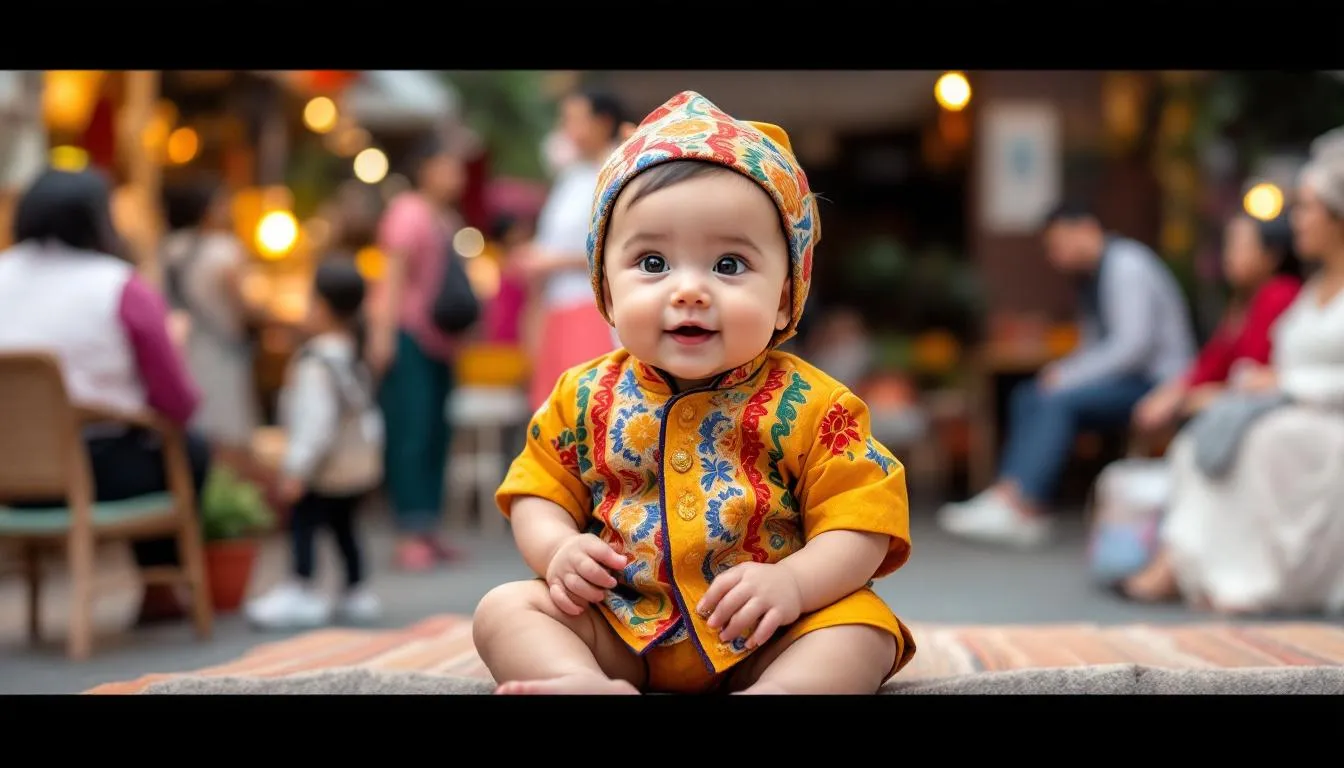
Singapore’s multicultural society creates unique considerations for newborn clothing choices, blending traditional cultural preferences with modern practical requirements and climate considerations.
Chinese cultural traditions often influence clothing choices for newborns, with red colours symbolizing good luck and prosperity. Many Singapore Chinese families incorporate red elements into their newborn’s wardrobe, particularly for special occasions and family gatherings.
Traditional Chinese preferences also emphasize natural materials and avoid synthetic fabrics, aligning well with modern organic clothing trends. The cultural value placed on quality and durability supports investment in premium organic pieces that can be passed down through generations.
Malay cultural preferences often emphasize modest coverage and natural fabric choices, making organic cotton and bamboo ideal options. Traditional Malay clothing concepts translate well to modern newborn wear that provides appropriate coverage while maintaining climate suitability.
The cultural emphasis on family and community creates appreciation for clothing that facilitates social interaction and gift-giving, influencing preferences toward attractive, shareable designs.
Indian cultural traditions include special clothing for festivals like Diwali and religious ceremonies. Many Singapore Indian families maintain collections of traditional-inspired infant wear alongside practical daily clothing.
The cultural appreciation for bright colours and decorative elements influences clothing choices, though climate considerations often moderate traditional preferences toward lighter, more breathable interpretations.
Contemporary Singapore parenting culture blends traditional influences with modern sustainability awareness and climate practicality. Many families adopt eclectic approaches that honor cultural heritage while prioritizing newborn comfort and environmental responsibility.
Social media influence has also created appreciation for aesthetically pleasing clothing that photographs well, influencing design preferences across cultural groups.
Different religious traditions within Singapore may influence clothing choices:
Singapore’s diverse community maintains various gift-giving traditions around newborn arrivals. Understanding appropriate colours, styles, and price ranges across different cultural contexts helps friends and family choose meaningful presents.
Many Singapore families appreciate practical gift sets that can be used immediately rather than ceremonial pieces that may be outgrown quickly.
Successful newborn clothing choices in Singapore often require balancing cultural preferences with tropical climate requirements. Many families find creative solutions that honor traditional colours or styles while using modern, breathable fabrics and practical designs.
This balance reflects Singapore’s broader cultural approach of maintaining heritage while adapting to modern urban life and environmental realities.
Choosing appropriate newborn clothing in Singapore requires balancing multiple factors: climate suitability, safety standards, practical functionality, cultural preferences, and budget considerations. The city’s tropical environment makes fabric choice particularly crucial, with organic cotton and bamboo emerging as optimal materials for comfort and health.
The Singapore market offers excellent variety across all price ranges, from budget-friendly chains like H&M to premium organic boutiques like Le Petit Society. Online shopping continues growing rapidly, providing convenience and access to international brands while local boutiques offer personalized service and climate-specific expertise.
Success in building a newborn wardrobe lies in starting with climate-appropriate basics in quality organic fabrics, then adding cultural and style preferences as secondary considerations. Prioritize safety certifications, practical features like snap closures and envelope necklines, and buy conservatively in newborn sizes while pre-purchasing larger sizes during sales periods.
Remember that your newborn’s comfort and safety take precedence over aesthetic preferences, and that Singapore’s unique multicultural environment allows for creative blending of traditional influences with modern practical requirements. Focus on building a foundation of versatile, high-quality pieces that will serve your family well during those precious early months with your little ones.

Newborn
To hire a confinement nanny from Malaysia, you apply to Singapore's Ministry of Manpower (MOM) for a Work Permit for confinement nanny….

Newborn
The Baby Bonus Cash Gift is S$11,000 for a first or second child and S$13,000 for a third child onwards, for Singapore…
Newborn
Birth admin in Singapore starts with one legal deadline: register your baby's birth with the Immigration & Checkpoints Authority (ICA) within 42…