
Infant
Best Birthday Party Venues for Every Age Group
Explore creative, sporty, and unique birthday party venues perfect for kids and teens—find the ideal spot to make memories.
Infant
Many families in Singapore rely on domestic helpers for baby care, but there can be issues. This article covers the top 10 complaints of Singapore parents with domestic helpers who care for the baby, providing insights for better caregiver-parent relationships.
The relationship between Singaporean parents and domestic helpers who take care of babies is a mix of trust and dependence. Many families rely on these helpers to provide support during the most critical period of their child’s life. However, this setup can be complicated by many issues.
Understanding what Singapore parents complain about domestic helpers is key to a good caregiver-parent relationship. Knowing these issues will help both parties to address conflicts and communicate better so that the children get the best care.
Here are some of the common complaints:
This article will go into each of these complaints and more, with views from parents and helpers. We hope to equip parents to navigate their caregiving journey.
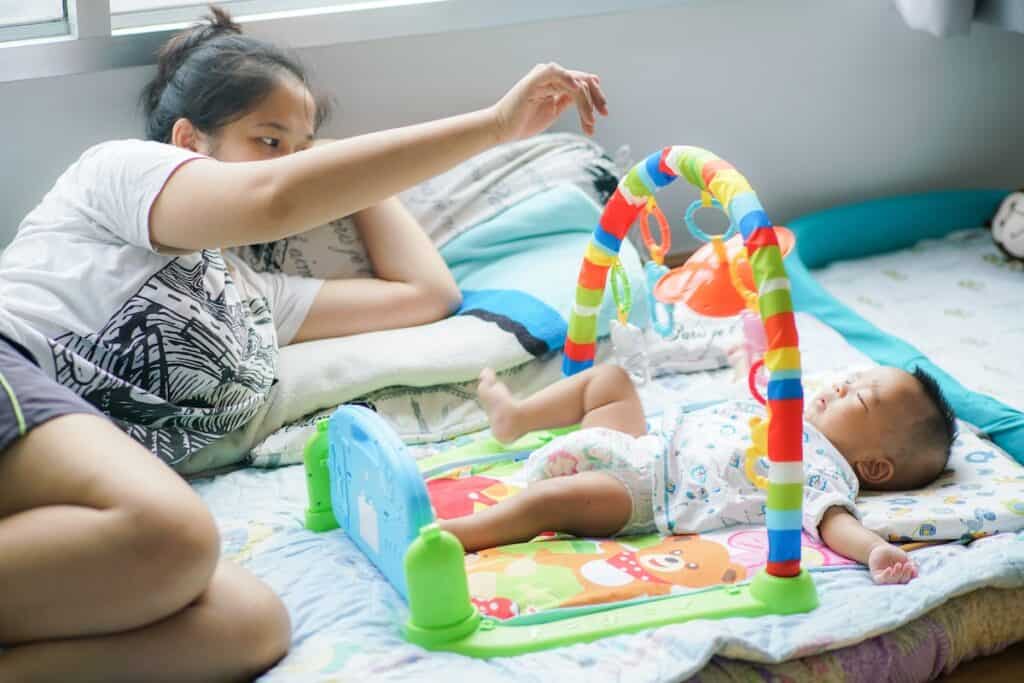
Parents have many fears about their children being mistreated by domestic helpers. Child safety concerns arise from real life incidents caught on camera, showing rough handling or verbal abuse. Such incidents can break trust and create anxiety for parents who rely on these caregivers.
Trustworthiness is key to a peaceful caregiving setup. Parents need to feel secure that their children are in good hands, while helpers need to understand their role in building that trust. Open communication and consistent monitoring can bridge the gap, for a win-win situation for both.
Many domestic helpers come from backgrounds where managing multiple tasks like cooking, cleaning and taking care of children is not common. Because of this lack of experience, they may have gaps in childcare skills.
Parents look for caregivers who can offer more than just basic care—someone who can also engage their little ones mentally and actively. By addressing these skill differences, we can improve the caregiving experience and create a loving environment for the children.
Phone usage among domestic helpers is a big concern for Singaporean parents. Many have seen helpers distracted by their phones while on duty. Here are some common scenarios:
These distractions are serious safety concerns especially when caregivers are in charge of infants. This highlights the need for focused attention and engagement so the children get the care and supervision they need.
Time management is key to balancing household chores and attending to a child’s immediate needs. Some domestic helpers struggle to put childcare first, and parents have many concerns.
Parents get frustrated when they see their child’s needs not being met because of poor task prioritization, that’s why effective time management is key in caregiving roles.
Language barriers can be a big challenge between Singaporean parents and their domestic helpers. Misunderstandings happen when helpers don’t fully understand specific childcare instructions.
These can lead to inconsistencies in care that can compromise the baby’s well-being. Clear communication is key to creating a nurturing environment where both parents and helpers feel confident in their roles.
Domestic helpers have a lot on their plate and can get stressed. Managing tasks like taking care of children, household chores and sometimes cooking can be overwhelming.
We need to address these stress management issues to maintain a loving environment. By understanding the struggles of helpers, parents can create better communication and support systems to improve caregiving.
Conflicts happen between Singaporean parents and their foreign domestic helpers due to cultural differences in childcare approaches. Different expectations of child-rearing practices can lead to misunderstandings and tension. For example, a helper might be used to different discipline methods or feeding routines that clash with the parents’ established norms.
This difference in practices can create friction as parents feel their values and expectations are not being respected. Open communication about these differences is key to aligning care practices and having a harmonious relationship between parents and helpers.
Many Singaporean parents get frustrated when domestic helpers lack initiative. Helpers often wait for instructions instead of being proactive in caregiving. This dependence on guidance can lead to:
In situations that require quick thinking like when the baby is upset or needs immediate attention, this passivity can be a problem. Encouraging initiative-taking can improve care quality and create a more harmonious relationship between parents and helpers.
Boundary issues happen when domestic helpers don’t respect parents’ authority in child-rearing decisions. This can be a big source of tension and frustration for Singaporean parents. For example, some helpers may make decisions on their own regarding feeding, discipline or daily routines without consulting the parents.
Key concerns:
By addressing these boundary issues we can have healthier relationships and caregiving that aligns with parental expectations.
Parents complain that their domestic helpers don’t maintain consistent care standards for their babies, especially when they are away. This inconsistency can manifest in several areas:
These gaps in care can cause anxiety for parents who rely on their helpers to provide a safe and loving environment. Setting clear expectations and regular communication can bridge the gap in care standards and ensure the baby gets consistent attention and support.
Having strong relationships between Singaporean parents and their foreign domestic helpers is key to better childcare. Here are some tips:
Creating a communication-friendly environment can address concerns and clarify expectations. Parents should feel comfortable talking about specific needs, while helpers should share their thoughts.
Having regular discussions can allow parents to give feedback and helpers to share their challenges. This creates a collaborative environment and reduces misunderstandings.
Investing in training for helpers can improve their skills and confidence. Take some time each day to train them on childcare, safety protocols and cultural sensitivity the way you’d like it to be.
Defining roles and responsibilities can reduce confusion. When both parties know what they are supposed to do, it creates accountability.
Recognizing helpers can boost morale. Verbal praise or small surprises can create a positive vibe.
By acknowledging the complaints of Singaporean parents about domestic helpers taking care of babies, we can take proactive steps to improve relationships. By improving relationships with helpers, we can have better baby care experiences, and everyone benefits.

Infant
Explore creative, sporty, and unique birthday party venues perfect for kids and teens—find the ideal spot to make memories.

Infant
Learn everything about buying second hand cloth diapers in Singapore, from cost savings to sanitization and finding deals.

Infant
The tween years often bring unexpected distance between parents and children. This isn't about failed parenting—it's a natural developmental stage requiring new…