

Preschool
Preschool injury in Singapore: what to do, and what the centre must do
If your child was hurt at a preschool in Singapore, the centre has to tell you. The Early Childhood Development Agency (ECDA)…
Preschool
Hand, Foot, and Mouth Disease (HFMD) is a common viral infection that mainly affects children under the age of five. Why is this important to know? Knowing the symptoms, treatment, and prevention is important for parents and caregivers. Be informed so you can protect your little ones from HFMD and manage it if it happens.…

Hand, Foot, and Mouth Disease (HFMD) is a common viral infection that mainly affects children under the age of five.
Why is this important to know? Knowing the symptoms, treatment, and prevention is important for parents and caregivers. Be informed so you can protect your little ones from HFMD and manage it if it happens.
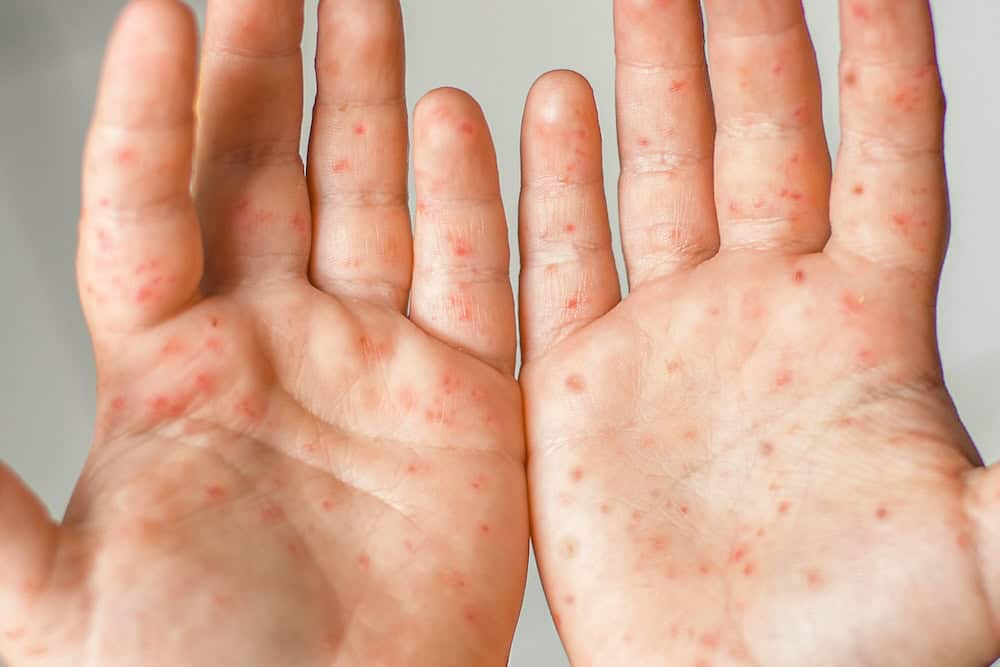
Close-up of a child’s hands with HFM Disease
HFMD is highly contagious and common among young children. HFMD can be easily spread through direct contact with bodily fluids such as saliva, nasal discharge, feces, and blister fluid. Knowing the signs early and how to care for an affected child can make a big difference in their recovery.
HFMD is caused by viruses from the Enterovirus group; coxsackievirus A16 is the most common. Even after recovering from HFMD, it is possible to get infected again if exposed to a different strain of the virus.

Closeup of a Coxsacklevirus
We list some common symptoms below that you should be able to observe and prevention measures. Consult a family doctor for any symptoms of HFMD that you’re unsure of and to get proper guidance on how to manage the illness and ensure safe recovery.
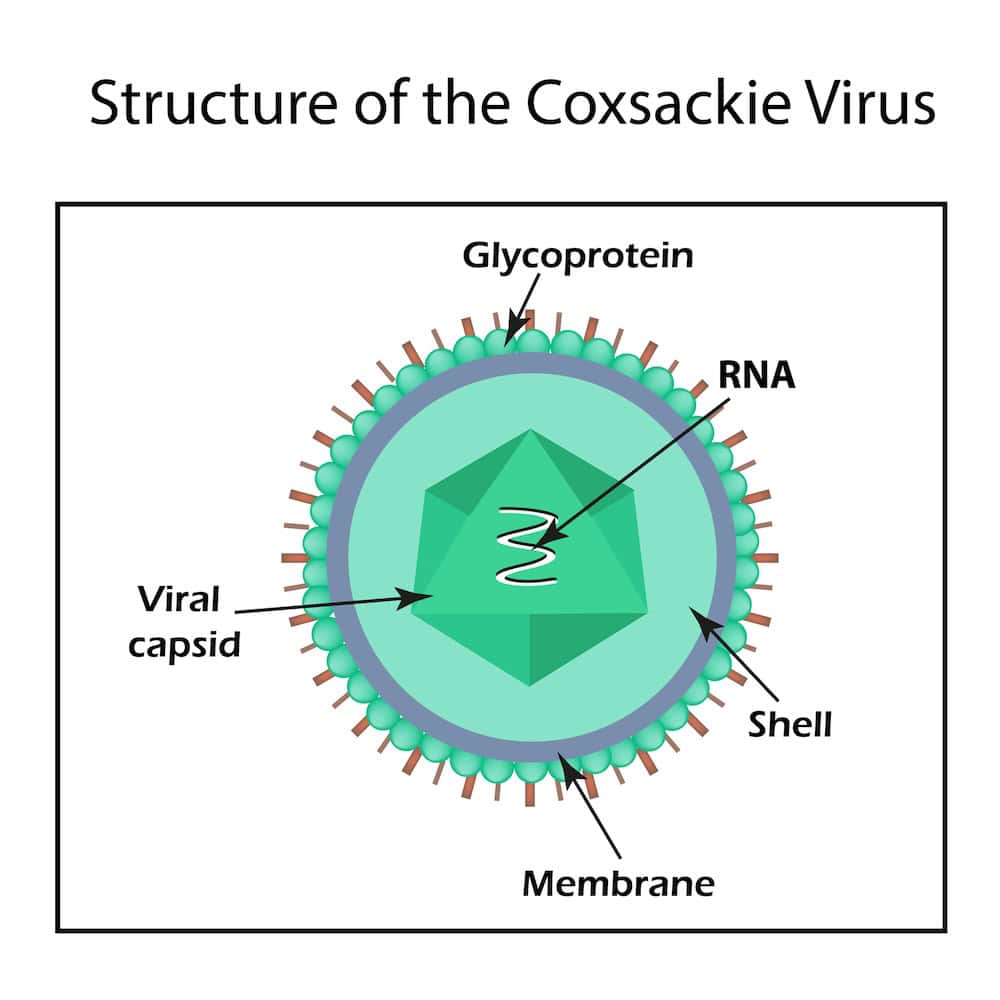
Diagram illustrating the structure of the Coxsackie virus
Most children with HFMD experience mild symptoms, but it is important to monitor for any worsening signs.
Children with HFMD may have:
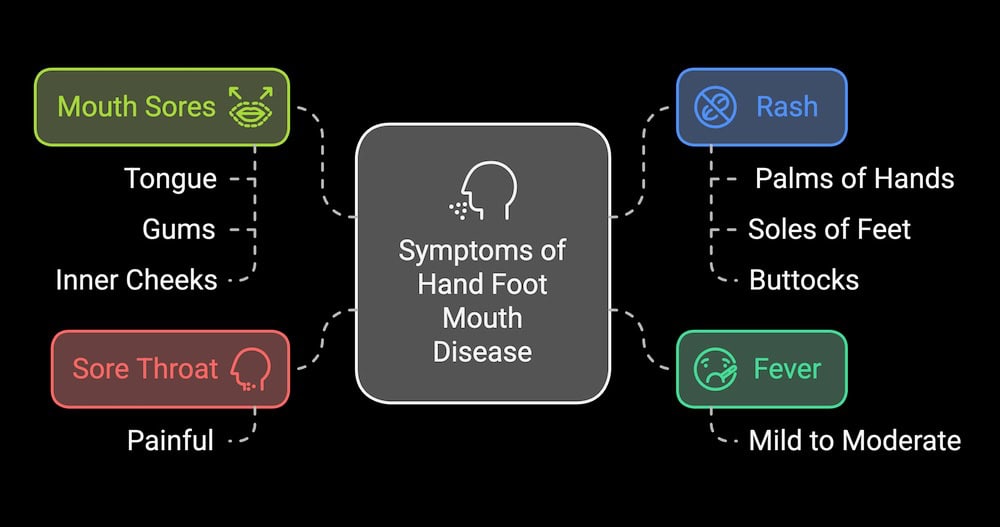
Hand Foot Mouth Disease Symptoms diagram
Recognize the symptoms early. There is no specific treatment for HFMD but supportive care like pain relievers and hydration can help alleviate symptoms. Early diagnosis helps in managing discomfort and preventing complications.
Most children recover from HFMD on their own in about a week, highlighting the self-limiting nature of the illness.
Reducing the transmission of HFMD requires good hygiene practices:
Knowing these tips will empower parents and caregivers to protect their little ones from HFMD.
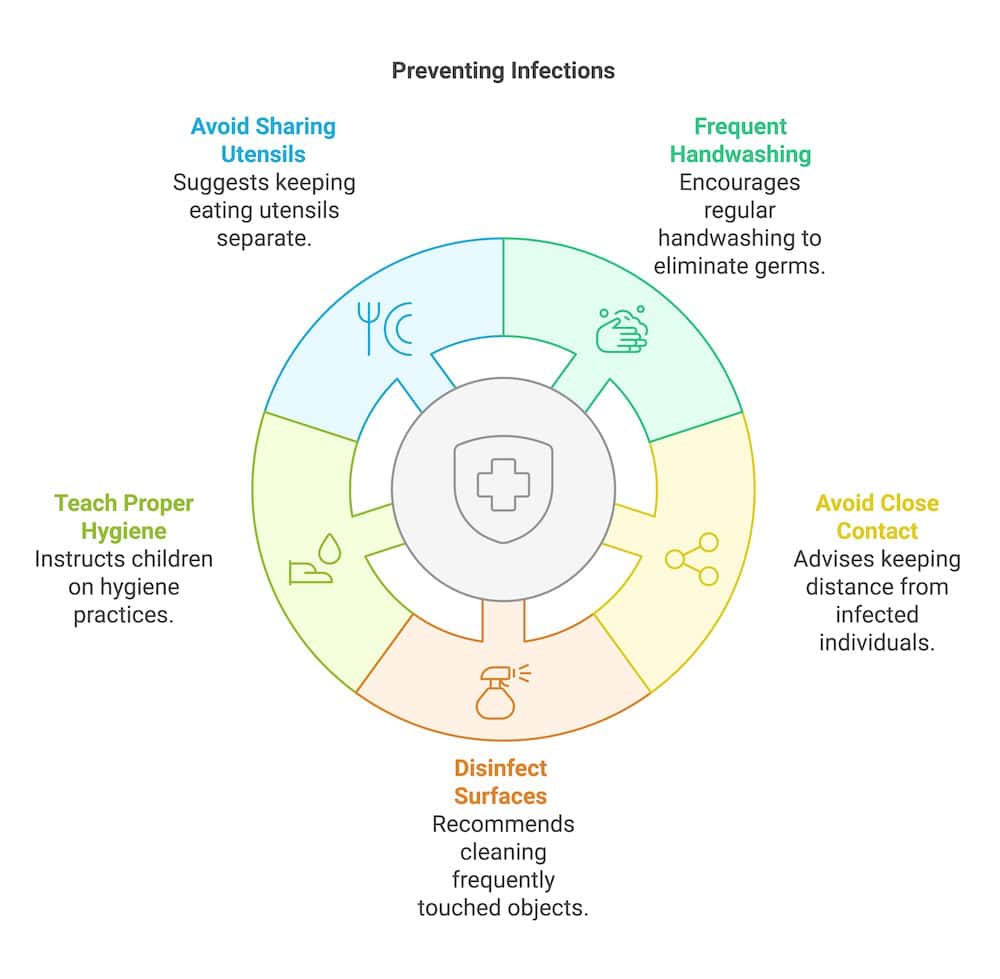
Preventing Hand Foot Mouth Disease Infections Diagram
Hand, foot, and mouth disease (HFMD), sometimes referred to as mouth disease or foot and mouth disease, is a viral infection most often caused by coxsackievirus and other enteroviruses. This illness targets the hand, foot, and mouth areas, making it easy to recognize but also highly contagious. The virus spreads quickly through direct contact with an infected person’s saliva, nasal discharge, feces, or the fluid from blisters and rashes.
Children younger than five years old are especially at risk for mouth disease HFMD, as their immune systems are still developing and may not fight off the infection as effectively as older children or adults. Other risk factors include being in close contact with an infected person, such as in childcare centres or crowded households, and practicing poor hygiene. Sharing eating utensils, not washing hands after handling food, or not keeping clothes separate can all increase the risk of spreading the disease.
To reduce the risk of infection, it’s important to practice good hygiene at home and in group settings. Encourage frequent handwashing, especially after using the toilet, before meals, and after changing diapers. Keep eating utensils, towels, and clothing separate for each child, and disinfect surfaces regularly. These simple steps can help protect your family from this highly contagious mouth disease.
Recognize hand, foot, and mouth disease (HFMD) early to manage discomfort and prevent spread. Here are the symptoms to watch out for:
HFMD is spread through direct contact with an infected person’s bodily fluids such as saliva, nasal discharge and faeces.
Also, monitor other children for HFMD symptoms to prevent further spread.
As HFMD progresses, mouth sores will develop:
Make sure to clean thoroughly toys or items contaminated with nasal or oral secretions to prevent the spread of the illness.
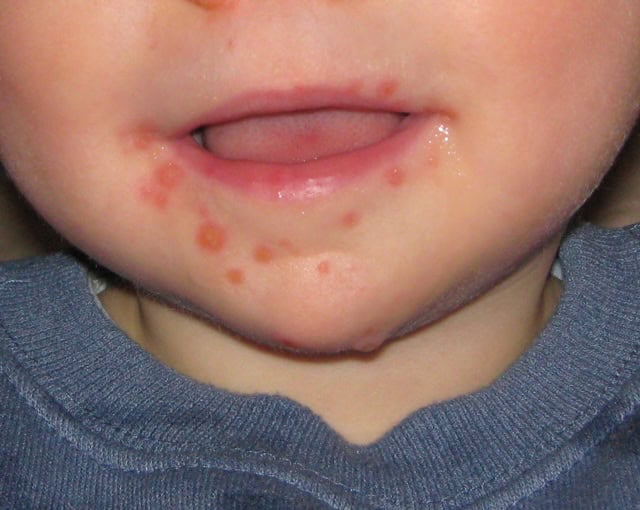
Close-up of a child’s mouth with HFM Disease, image credit: Wikipedia
Knowing where rashes appear will help confirm HFMD:
Note: HFMD is different from hoof and mouth disease, which affects farm animals and is not transmissible to humans.
Recognize the symptoms early to manage and comfort.
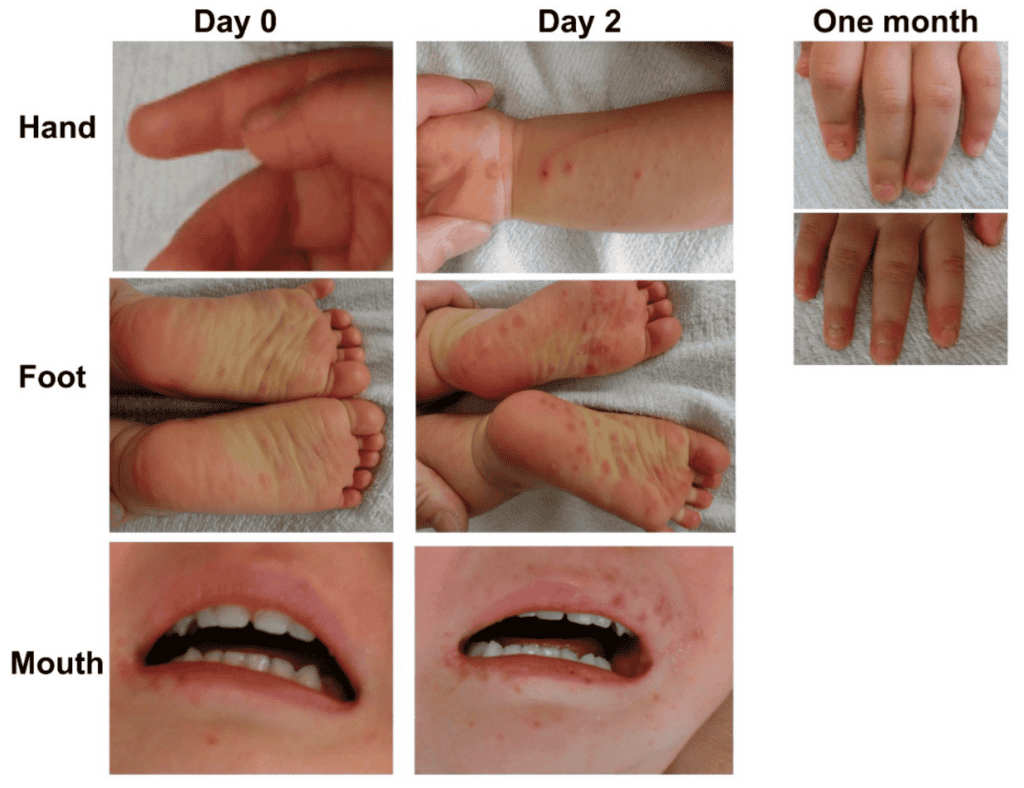
Progression of Hand Foot Mouth Disease is shown on hands, feet, and mouth over time: Day 0, Day 2, and one month. Image credit: mdpi.com
Hand, foot, and mouth disease typically progresses in two main stages, each with its own set of symptoms. In the first stage, children may develop flu-like symptoms such as a mild fever, runny nose, and sore throat. These early signs can last for a few days and may be accompanied by your child feeling tired or irritable.
As the disease moves into the second stage, more specific symptoms appear. Painful mouth sores and mouth ulcers develop inside the child’s mouth, making it uncomfortable to eat or drink. Around the same time, a rash appears on the hands, feet, and sometimes the buttocks. These spots may be flat or raised, and can blister or crust over as the illness progresses.
Most children recover from mouth disease within 7 to 10 days, but children younger than two may take a bit longer to fully recover. During this period, it’s important to ensure adequate rest, relieve fever and mouth pain, and prevent dehydration. Offer soft foods like pureed fruit, yogurt, or barley water, and encourage your child to drink enough liquids. Ice pops can also help soothe mouth pain and keep your child hydrated. By supporting your child through these stages, you can help them feel more comfortable as their immune system fights off the infection.
When dealing with HFMD, focus on relieving symptoms not on antiviral meds. The main goal is to ease the child’s discomfort from symptoms like mouth ulcers and fever; ensuring proper hydration and rest can help improve their well-being. Here are some ways to manage discomfort:
HFMD is generally mild but can sometimes lead to serious complications like encephalitis and dehydration that require hospitalization.
To alleviate mouth sores, fever, and sore throat discomfort, use over-the-counter pain relievers:
Follow the dosing instructions of your doctor or the medication packaging to use safely.
Soft, cold foods like yogurt or ice cream can soothe a sore throat and mouth sores.
Avoid spicy or citrus foods as they can irritate the mouth sores and worsen discomfort.
Over-the-counter oral gels can give temporary relief from mouth-sore pain.
Relief from these symptoms can make a big difference in your child’s comfort level during HFMD. It’s all about making them feel better while their body fights the virus. Keep the infected child’s belongings separate from other family members to prevent spread within the household.
Staying hydrated is important during an HFMD episode. Dehydration is a risk because of painful mouth sores that make it hard for children to swallow.
Here are some tips to keep your child hydrated:
Hydration is part of the treatment for HFMD and helps with recovery and comfort.
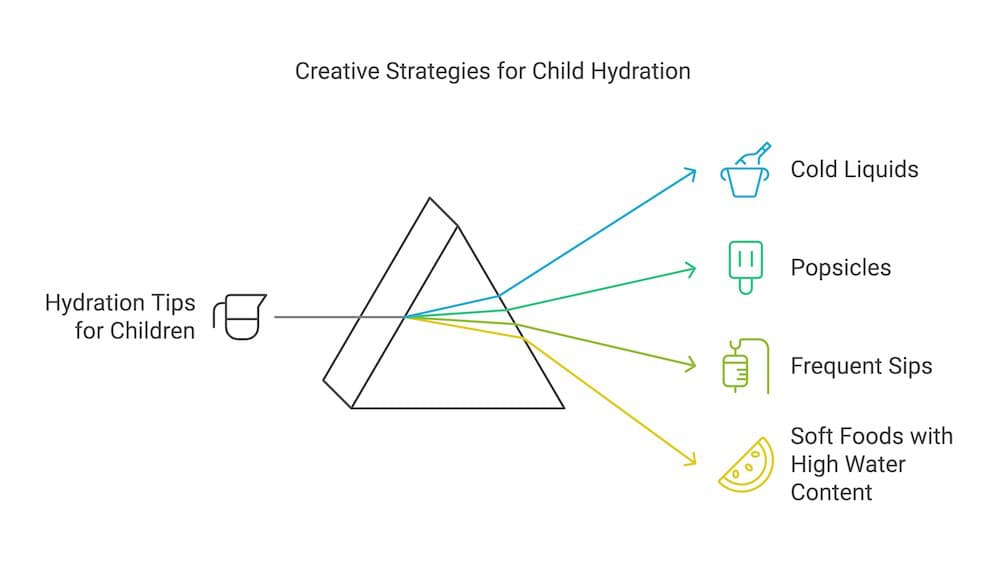
Creative Strategies for Child Hydration diagram
While most cases of hand, foot, and mouth disease are mild and resolve on their own, complications can occasionally occur, especially if the infection is caused by a more severe strain of the virus. One rare but serious complication is viral meningitis, which affects the membranes surrounding the brain and spinal cord. This can lead to severe headache, neck stiffness, and other neurological symptoms.
Other possible complications include painful mouth sores that make it difficult for your child to eat or drink, increasing the risk of dehydration if they are not able to take in enough fluids. In some cases, children may experience nail loss on their fingers or toes a few weeks after the infection, though this is usually temporary and not painful.
Complications affecting the brain, lungs, or heart are extremely rare but can be serious, particularly in children with weakened immune systems. If your child develops any of the following symptoms—severe headache, stiff neck, difficulty breathing, chest pain, or is unable to drink enough fluids—seek medical attention right away. Prompt care can help manage these risks and ensure your child recovers safely from mouth disease.
Good hygiene practices can make a big difference in preventing HFMD. Simple daily habits can reduce the risk of HFMD transmission among young children.
Take your child to the doctor if symptoms don’t improve after a few days or worsen. Especially if your child has difficulty swallowing or signs of dehydration like decreased urine output or excessive thirst.
These can help reduce HFMD spread in homes and childcare centres.
Although it’s most common in children, even adults can get hand foot mouth disease. Symptoms and treatment for adults are the same as for children. Adults (except the child’s parents) should avoid close contact with infected individuals and don’t share personal items.
If you or your child has HFMD, consult a doctor for proper diagnosis and treatment.
In general, HFMD can be uncomfortable and inconvenient, but with proper care and management of symptoms, most cases will resolve within a week or two.
Childcare centres, kindergartens and schools have a big role in preventing HFMD spread. Here are some guidelines to minimize outbreaks:
These will help reduce HFMD transmission in childcare centres.
Be aware and follow these prevention tips to create a safe environment for our children and stop HFMD in our community.
Regular handwashing with soap and water for at least 20 seconds is one of the most effective ways to prevent the spread of HFMD. Encourage children and adults alike to wash their hands thoroughly, especially after using the toilet, before eating, and after coughing or sneezing.
Viruses that cause HFMD can survive on surfaces for several hours. Frequently clean and disinfect toys, doorknobs, tables, and other commonly touched objects to reduce the risk of transmission.
Keep children who show symptoms of HFMD at home until they are fully recovered and all the blisters have dried up. Avoid sharing eating utensils, towels, and clothes between infected children and others to prevent spreading the virus.
Teach children to cover their mouths and noses with a tissue or their elbow when coughing or sneezing, and to avoid touching their face, mouth, or eyes unnecessarily.
Parents and caregivers should monitor children for early symptoms of HFMD and consult healthcare providers if symptoms appear. Childcare centres and schools should inform parents promptly about any HFMD cases and encourage adherence to preventive measures.
By implementing these simple yet effective measures, we can collectively reduce the incidence of HFMD and protect the health of both children and adults in our community.

Preschool
If your child was hurt at a preschool in Singapore, the centre has to tell you. The Early Childhood Development Agency (ECDA)…

Preschool
An international kindergarten in Singapore costs roughly S$24,000 to S$46,000 a year for a five day week, and that is tuition alone….

Preschool
Primary 1 registration in Singapore runs over five phases for Singapore Citizen and Permanent Resident children: Phase 1, 2A, 2B, 2C and…