

Growing numbers of expecting mothers in Singapore are choosing plant-based nutrition for their pregnancies, drawn by ethical considerations, environmental concerns, and potential health benefits. With Singapore’s exceptional multicultural food scene offering abundant plant-based options and world-class healthcare system, vegan pregnancies can be both safe and nutritionally complete when properly planned.
This comprehensive guide addresses common concerns about vegan diet during pregnancy while providing Singapore-specific resources, evidence-based nutritional guidance, and practical implementation strategies for expecting mothers choosing plant foods.
Is a Vegan Diet Safe During Pregnancy?
A well planned vegan diet is safe during pregnancy when properly supplemented and monitored by healthcare providers. Research consistently demonstrates that plant based diet patterns can provide all the nutrients necessary for healthy pregnancy outcomes when attention is paid to key nutrients like vitamin B12, iron, and omega-3 fatty acids.
Singapore’s Health Promotion Board acknowledges that vegetarian and vegan diet choices can meet nutritional needs during pregnancy with appropriate planning. The country’s robust prenatal care system, combined with excellent access to fortified foods and dietary supplements, creates an ideal environment for supporting vegan mothers throughout pregnancy.
Plant rich diet patterns offer unique advantages during pregnancy, including higher fiber intake, abundant antioxidants, and reduced exposure to foodborne pathogens commonly associated with animal sources. However, success requires deliberate attention to essential nutrients that may be less readily available in plant based foods.
The key requirement for a healthy pregnancy on a vegan diet lies in ensuring adequate intake of critical nutrients through a combination of varied and balanced diet choices, fortified foods, and targeted supplementation. Professional guidance from registered dietitians experienced in vegan nutrition becomes essential for optimal pregnancy outcomes.
Research indicates that when properly planned, vegetarian or vegan diets during pregnancy can support normal fetal growth and development while potentially reducing certain pregnancy complications. Singapore’s diverse food culture provides exceptional opportunities to create nutritionally complete plant-based meals using ingredients from Chinese, Indian, Malay, and international cuisines.
Essential Nutrients for Vegan Pregnancy
Vitamin B12
Vitamin B12 stands as the most critical nutrient concern for vegan mothers, as it’s only found naturally in animal products and is essential for fetal nervous system development. Inadequate vitamin B12 during pregnancy can lead to serious birth defects affecting the baby’s brain and spinal cord development.
Pregnant women following a vegan diet should take a daily supplement providing 10 micrograms of vitamin B12, as this vitamin is crucial for preventing neural tube defects and supporting normal neurological development. Singapore’s pharmacies and health stores offer high-quality B12 supplements from trusted brands like Nature Made and Blackmores.
Include B12-fortified plant milk options readily available in Singapore supermarkets, including Silk soy milk, Vitagen plant-based drinks, and Oatly oat milk. Nutritional yeast, available at health food stores like iHerb and Redmart, provides another excellent source of vitamin B12 while adding a savory flavor to meals.
Regular blood tests become essential to monitor vitamin B12 levels throughout pregnancy, as deficiency can develop gradually and may not show immediate symptoms. Singapore’s public healthcare system provides comprehensive prenatal screening that includes nutritional assessments to ensure adequate vitamin levels.
Healthcare providers recommend checking vitamin B12 status before conception and monitoring levels quarterly during pregnancy to ensure optimal fetal development and prevent complications associated with deficiency.
Iron
Iron requirements increase significantly during pregnancy to support expanded blood volume and fetal oxygen transport, making this nutrient particularly important for vegan mothers who rely on plant sources. Non-heme iron from plant foods requires strategic combining with vitamin C sources to enhance absorption and prevent maternal anemia.
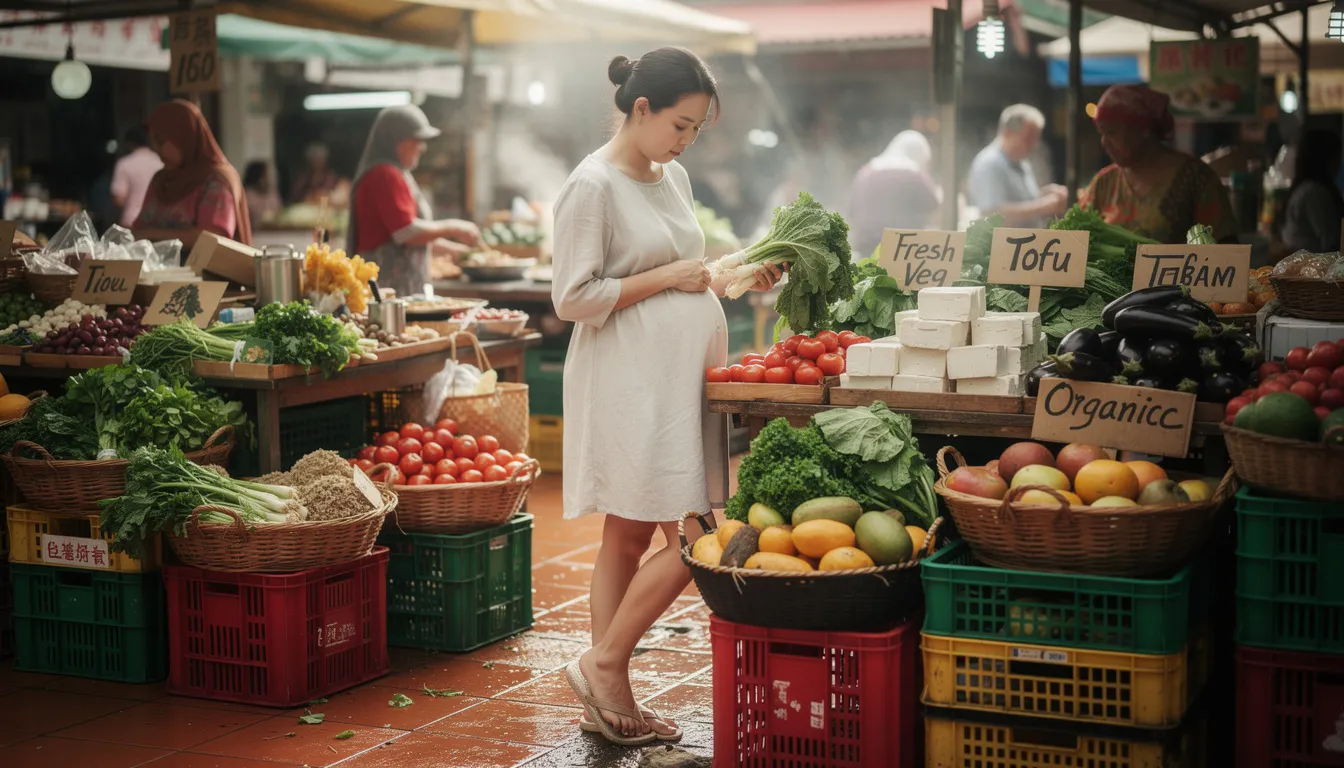
Combine iron-rich foods like dark leafy vegetables (kangkung, spinach, kale), legumes (lentils, chickpeas, black beans), and fortified breakfast cereals with vitamin C sources abundant in Singapore’s tropical climate. Local fruits like guava, papaya, kiwi, and citrus fruits significantly enhance iron absorption when consumed with iron-rich meals.
Singapore’s wet markets and supermarkets offer excellent sources of plant-based iron, including tahini, pumpkin seeds, and dark leafy vegetables commonly used in local Chinese and Indian cuisine. Fortified cereals from brands like Kellogg’s and Nestle provide additional iron with added convenience for busy mornings.
Iron supplements may be prescribed if deficiency is detected during routine pregnancy screenings conducted through Singapore’s comprehensive prenatal care system. The country’s healthcare providers monitor iron levels closely, as iron deficiency anemia occurs more frequently in those following plant based diet patterns.
Avoid consuming tea, coffee, or calcium-rich foods with iron-rich meals, as these can inhibit absorption. Instead, pair iron sources with vitamin C-rich foods and consider cooking in cast-iron cookware to naturally increase iron content of meals.
Calcium and Vitamin D
Adequate calcium intake becomes crucial during pregnancy for fetal bone and teeth development, with pregnant women needing approximately 1500mg daily from plant sources and fortified foods. Singapore’s tropical climate and limited sun exposure make vitamin D supplementation particularly important for calcium absorption and bone health.
Consume calcium-rich plant foods including fortified plant milk (Silk, Vitagen, Oatly), tahini, sesame seeds, and dark leafy vegetables abundant in Singapore’s markets. Chinese cuisine staples like bok choy and Chinese broccoli provide excellent calcium sources, while Indian dal preparations offer additional calcium from legumes.
Take a daily vitamin D supplement providing 15 micrograms, as Singapore’s equatorial location and urban lifestyle may limit adequate sun exposure for natural vitamin D synthesis. Local pharmacies stock vitamin D3 supplements specifically formulated for pregnancy, including brands approved by Singapore’s Health Sciences Authority.
Singapore’s diverse food scene offers numerous calcium-fortified options, from plant milk available at every supermarket to calcium-set tofu commonly used in Chinese and Japanese cuisine. Many breakfast cereals sold locally are also fortified with calcium, making it easier to meet daily requirements through varied and balanced diet choices.
Bone health during pregnancy impacts both maternal and fetal well-being, making adequate calcium and vitamin D essential for preventing complications and ensuring proper fetal skeletal development throughout pregnancy.

Omega-3 Fatty Acids
Omega-3 fatty acids, particularly DHA and EPA, support crucial fetal brain development and eye formation during pregnancy, making supplementation essential for vegan mothers who cannot obtain these nutrients from fish sources. Plant-based omega-3 conversion from ALA is limited, necessitating direct DHA supplementation.
Take algae-based DHA and EPA supplements providing 200-300mg daily, as these offer the same beneficial effects as fish oil without animal products. Singapore health stores stock vegan omega-3 supplements from brands like Nordic Naturals, Life’s DHA, and Ovega-3.
Include plant sources of ALA omega-3s like chia seeds, flaxseeds, walnuts, and hemp hearts available at Singapore’s health food stores and supermarkets. These foods provide foundational omega-3 support while supplements ensure adequate DHA for optimal baby’s brain development.
Singapore’s growing health food market offers excellent access to omega-3 rich foods, including imported chia seeds, local tempeh, and various nuts and seeds. Many plant milk brands available locally are also fortified with omega-3 fatty acids for additional support.
Essential fatty acids play vital roles in nervous system development and visual acuity formation, making adequate intake crucial during pregnancy’s critical brain development periods. Research consistently shows that sufficient omega-3 intake during pregnancy supports improved cognitive development in children.
Protein
Protein requirements increase during pregnancy to support fetal growth and placental development, with vegan mothers needing careful attention to combining complementary proteins throughout the day. Singapore’s diverse food culture provides abundant plant protein sources from multiple culinary traditions.
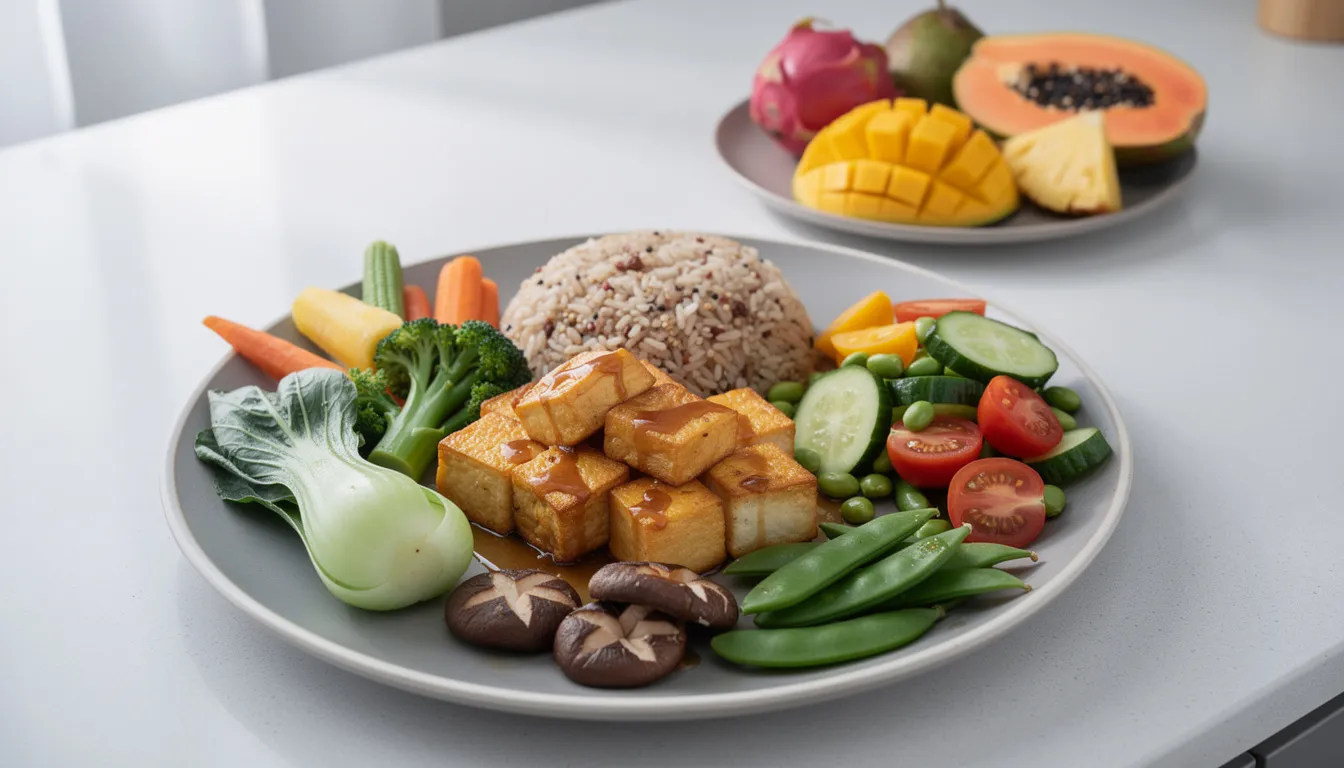
Combine complementary proteins from legumes, grains, nuts, and seeds to ensure complete amino acid profiles supporting healthy pregnancy. Local options include dal with rice (Indian cuisine), tofu with brown rice (Chinese cuisine), and tempeh with whole grains (Indonesian influence).
Singapore’s expanding plant-based market offers numerous protein-rich options, including local tofu varieties, imported tempeh, plant-based meat alternatives from brands like Impossible and Beyond, and protein powders specifically formulated for pregnancy. Many local hawker centers now offer plant-based protein options.
Include protein at every meal and snack to meet increased pregnancy requirements, aiming for high-quality plant proteins distributed throughout the day. Nut butters, legume-based dishes, quinoa, and hemp seeds provide excellent protein sources readily available in Singapore.
Singapore’s multicultural food scene makes protein combining enjoyable and varied, with Chinese stir-fries featuring tofu, Indian curries with legumes, and Western-style plant protein bowls all contributing to balanced intake supporting healthy fetal development.
Benefits of Vegan Diet During Pregnancy
Research indicates that well-planned plant based diet patterns during pregnancy may offer several maternal health advantages, including reduced risk of gestational diabetes and pregnancy-related hypertension. The high fiber content and antioxidant density of plant foods contribute to improved metabolic outcomes throughout pregnancy.
Lower likelihood of excessive gestational weight gain represents another potential benefit, as plant rich diet patterns tend to be naturally lower in calories while providing higher nutrient density. This can help pregnant women maintain healthy weight gain patterns that support optimal fetal development without increasing complications.
Studies suggest decreased risk of preeclampsia among women consuming predominantly plant foods, possibly due to higher fiber intake, increased antioxidant consumption, and improved cardiovascular health markers. The anti-inflammatory properties of many plant foods may contribute to these beneficial effects.
Potential cognitive benefits for infants may result from the nutrient-dense profile of plant foods, including higher levels of folate, antioxidants, and beneficial plant compounds that support optimal brain development. Research continues to explore connections between maternal plant-based nutrition and child cognitive outcomes.
Environmental sustainability of plant based diet choices aligns with Singapore’s Green Plan 2030 initiatives, allowing expecting mothers to make food choices supporting both personal health and national environmental goals. This creates additional motivation for maintaining plant-based nutrition during pregnancy.
The abundant variety of plant foods available in Singapore provides opportunities for diverse, interesting meals that support both nutritional needs and culinary enjoyment throughout pregnancy. This variety helps ensure adequate intake of all the nutrients needed for healthy pregnancy outcomes.
Potential Risks and Monitoring
Higher risk of nutrient deficiencies without proper supplementation represents the primary concern for vegan pregnancies, particularly for vitamin B12, iron, vitamin D, and omega-3 fatty acids. However, these risks are entirely preventable through appropriate planning and professional guidance.
Possible lower birth weight may occur if protein and calorie intake proves inadequate, emphasizing the importance of ensuring sufficient energy intake through healthy fats, complex carbohydrates, and complete proteins. Singapore’s healthcare system provides regular monitoring to catch any concerning trends early.
Iron deficiency anemia occurs more commonly in those following plant based diet patterns, making regular monitoring through Singapore’s maternal health screening programs essential. Early detection allows for prompt intervention through dietary adjustments or iron supplements.
Regular monitoring through Singapore’s comprehensive prenatal care system ensures early detection of any nutritional concerns, with quarterly blood tests recommended to track key nutrient levels throughout pregnancy. This proactive approach prevents complications and supports optimal outcomes.
Singapore’s excellent healthcare infrastructure provides multiple touchpoints for nutritional assessment, including routine prenatal visits, specialized dietitian consultations, and advanced laboratory testing capabilities that ensure comprehensive monitoring of maternal and fetal well-being.
Singapore-Specific Guidance
Singapore’s multicultural food landscape offers exceptional opportunities for varied plant-based nutrition, including Indian dal dishes, Chinese tofu preparations, Malay tempeh recipes, and international plant-based options. This diversity ensures interesting, culturally familiar meals throughout pregnancy.
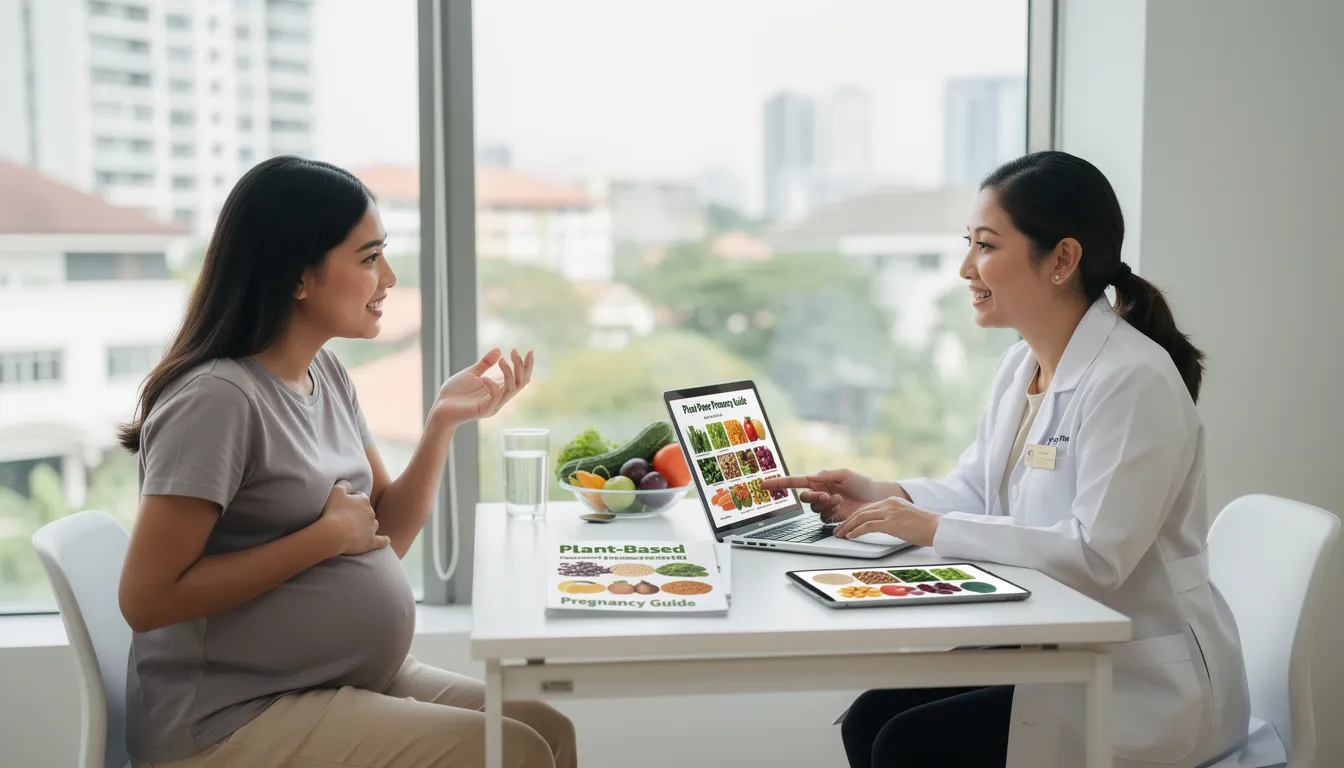
Visit registered dietitians at public hospitals like KK Women’s and Children’s Hospital, Singapore General Hospital, or National University Hospital for specialized guidance on vegan nutrition during pregnancy. These institutions offer expertise in plant-based nutrition with understanding of local food availability.
Access prenatal dietary supplements at Guardian, Watsons, Unity, and polyclinics throughout Singapore, with many options available at subsidized rates through the public healthcare system. The Health Sciences Authority ensures supplement quality and safety standards.
Join local vegan pregnancy support groups through organizations like Singapore Vegetarian Society, which provides community support, recipe sharing, and practical guidance from experienced vegan mothers. Online communities also offer ongoing support and resource sharing.
Consider Singapore’s tropical climate when planning vitamin D supplementation, as limited sun exposure in urban environments and cultural preferences for covering skin may impact natural vitamin D synthesis. Regular supplementation becomes particularly important in Singapore’s context.
Singapore’s excellent public transportation and urban planning make accessing diverse food sources convenient, from wet markets offering fresh local produce to international supermarkets stocking specialized plant-based products. This accessibility supports varied, nutritious meal planning.
Practical Meal Planning Tips
Start each day with fortified plant milk cereals, smoothies with plant protein powder, or traditional Asian breakfast options like soy milk with whole grain bread. Morning nutrition sets the foundation for meeting daily nutrient requirements throughout pregnancy.
Include calcium-rich snacks like tahini on whole grain crackers, sesame seed balls (available at Chinese bakeries), or almonds throughout the day. Singapore’s snack culture makes it easy to incorporate nutrient-dense options between meals.
Prepare iron-rich meals combining legumes with vitamin C fruits abundant at Singapore’s wet markets and supermarkets. Local combinations might include lentil curry with fresh lime, chickpea salad with guava, or spinach stir-fry with bell peppers.
Use Singapore’s abundant tropical fruits for natural folate and vitamin C intake, including papaya, mango, dragon fruit, and star fruit. These provide essential nutrients while satisfying pregnancy cravings for fresh, hydrating foods.
Plan weekly meals ensuring variety across all plant food groups, incorporating local specialties like laksa with tofu, vegetarian bee hoon, plant-based rendang, and international options like quinoa bowls. This variety prevents monotony while ensuring comprehensive nutrition.
Singapore’s hawker centers increasingly offer plant-based options, making dining out convenient while maintaining nutritious choices. Research vegan-friendly stalls and restaurants that can support your dietary needs during pregnancy.
Professional Support in Singapore
Consult obstetricians at leading hospitals like Mount Elizabeth, Gleneagles, Raffles Hospital, or within the public system at KK Hospital and Singapore General Hospital for comprehensive pregnancy monitoring. These institutions understand diverse dietary preferences and can provide appropriate guidance.
Book appointments with registered dietitians through hospital nutrition departments or private practice clinics specializing in plant-based nutrition. Many offer specific expertise in vegan pregnancy nutrition and can create personalized meal plans.
Utilize subsidized prenatal care through Singapore’s excellent public healthcare system, which provides comprehensive monitoring, nutritional counseling, and supplement access at affordable rates. The system’s quality rivals international standards while maintaining accessibility.
Access nutritional counseling through community health centers and polyclinics, where basic nutritional guidance is available as part of routine prenatal care. These services help ensure all pregnant women receive appropriate dietary support.
Consider private lactation consultants specializing in vegan nutrition for postpartum planning, as breastfeeding requirements differ slightly from pregnancy nutrition needs. Planning ahead ensures smooth transition to successful breastfeeding while maintaining plant-based nutrition.
Singapore’s healthcare professionals increasingly recognize plant-based diets as viable options during pregnancy, with many providers offering supportive, evidence-based guidance rather than discouraging these dietary choices when properly implemented.
Postpartum Considerations
Continue vitamin B12 and vitamin D supplementation during breastfeeding, as these nutrients remain critical for both maternal health and breast milk quality. Breastfeeding mothers require even higher levels of certain nutrients than during pregnancy itself.
Increase calorie intake by approximately 500 calories daily to support milk production while maintaining energy levels during the demanding postpartum period. Focus on nutrient-dense plant foods that provide sustained energy and essential nutrients.
Monitor infant growth closely with pediatricians at Singapore’s excellent children’s hospitals, including KK Hospital, Mount Elizabeth, and National University Hospital. Regular check-ups ensure that breastfed infants are receiving adequate nutrition for proper development.
Consider additional omega-3 supplementation for optimal breast milk composition, as DHA content in breast milk directly reflects maternal intake. This supports continued brain development during the critical early months of life.
Plan balanced meals to maintain energy levels during the demanding postpartum period, incorporating protein-rich plant foods, healthy fats, and complex carbohydrates. Singapore’s food delivery options can help ensure consistent nutrition during challenging early weeks with a newborn.
Postpartum nutrition impacts both maternal recovery and infant development through breastfeeding, making continued attention to balanced diet essential. Singapore’s supportive healthcare environment helps ensure ongoing nutritional adequacy throughout the breastfeeding journey.
Singapore’s multicultural approach to postpartum nutrition offers various traditional plant-based options for supporting recovery, from Chinese herbal soups with plant proteins to Indian dal-based dishes rich in nutrients needed for healing and milk production.
Understanding that vegan diet during pregnancy requires careful planning but offers numerous benefits when properly implemented empowers expecting mothers to make informed decisions supported by Singapore’s excellent healthcare infrastructure and diverse food options. With appropriate professional guidance, supplementation, and monitoring, plant-based pregnancies can support both maternal and fetal health while aligning with personal values and environmental goals.