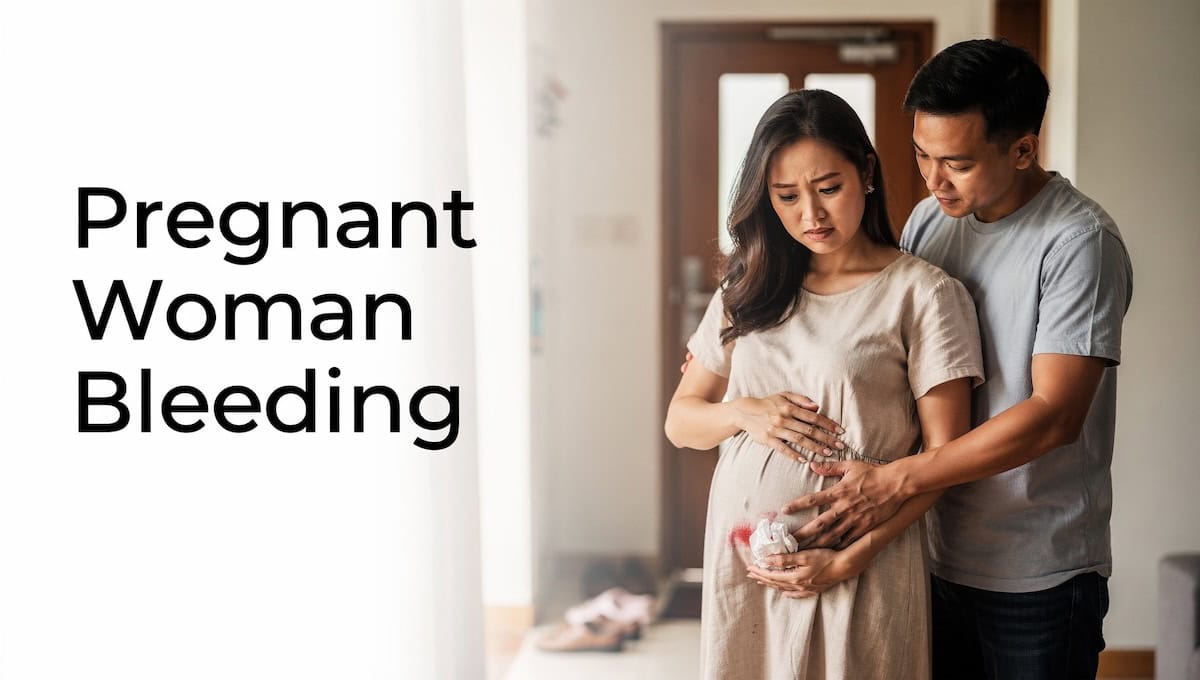
Bleeding during pregnancy is alarming and needs immediate attention. This article helps you understand the causes, risks, and when to call your doctor if you’re a pregnant woman bleeding.
Key Takeaways
- Bleeding during pregnancy is common, affecting nearly one in three women, particularly in the first trimester; however, any bleeding should be reported to a healthcare provider for assessment.
- Causes of bleeding include hormonal changes, ectopic pregnancies, and cervical polyps, requiring prompt medical attention for potential complications.
- In later trimesters, significant bleeding can indicate serious conditions like placenta previa or placental abruption, necessitating immediate medical evaluation.
Understanding Bleeding During Pregnancy

Bleeding during pregnancy is more common than many realize, affecting nearly one in three women, particularly in the first trimester. Despite its frequency, the presence of blood can cause immediate concern for expectant mothers. Not all bleeding signifies a severe problem. Many women experience light spotting or brownish discharge without complications.
However, reporting any bleeding to your healthcare provider is vital. Even minor bleeding should be checked to ensure the health and safety of both mother and baby. Knowing when bleeding is normal and when it needs medical attention can provide peace of mind and help manage the pregnancy with more confidence.
Knowing the different types of bleeding and their implications can help expectant mothers feel more in control of their pregnancy. Light spotting is often harmless, but consulting your healthcare provider can rule out any potential issues. This proactive approach ensures that both normal and problem pregnancies are managed effectively.
Causes of Bleeding in Early Pregnancy
Bleeding in early pregnancy can arise from various causes, each with its own set of concerns. Hormonal fluctuations are a common reason, often resulting in unexpected spotting due to a sensitive cervix. Another cause is an ectopic pregnancy, where the fertilized egg implants outside the uterus, typically in a fallopian tube, leading to implantation bleed and requiring immediate medical attention.
Cervical polyps are another potential cause of bleeding. These benign growths may bleed due to increased blood flow and sensitivity during pregnancy. Infections, including sexually transmitted infections, can also lead to light bleeding and should be promptly treated to avoid complications.
Knowing these causes can help manage early pregnancy bleeding effectively. Whether it’s due to hormonal changes, an ectopic pregnancy, or other factors, consulting your healthcare provider can determine the appropriate course of action. This proactive approach ensures a healthy pregnancy and peace of mind.
Differentiating Between Spotting and Bleeding
Distinguishing between spotting and heavier bleeding is essential for understanding the severity of the situation. Spotting is characterized by a few drops of blood, often pink or brown, that do not require a pad. This type of bleeding, including implantation bleeding, is generally less concerning and can be part of a normal pregnancy, raising the question of how much blood is considered normal.
In contrast, bleeding involves a more significant flow of blood that necessitates using pads or panty liners. The ‘Panty Liner’ test can be a useful tool to assess whether the bleeding is light enough to be considered spotting. If blood is observed primarily on toilet paper or underwear without soaking a liner, it is likely spotting.
Knowing these differences helps manage pregnancy more effectively. While light spotting can be harmless, heavier bleeding may indicate serious issues and should prompt immediate consultation with your healthcare provider. This knowledge empowers expectant mothers to take appropriate actions based on their symptoms.
Bleeding in the Second and Third Trimesters

Bleeding in the later pregnancy stages, specifically in the second and third trimesters, often raises more concern. One significant cause is placenta previa, where the placenta covers part or all of the cervix, leading to bright red vaginal bleeding. This condition can be diagnosed through routine ultrasounds typically around the 20th week of pregnancy, which is about 5 weeks pregnant.
Placental abruption is another serious condition where the placenta detaches from the uterine wall, causing severe bleeding and pain. Symptoms of placental abruption may include stomach pain accompanied by vaginal bleeding. Both conditions require immediate medical attention, and in some cases, an emergency C-section may be necessary.
Vasa praevia is a rare condition but dangerous complication where fragile blood vessels run through the membranes and can rupture during labor. Persistent abdominal pain or regular painful contractions in late pregnancy could signal pre-term labor. Severe headaches or swelling with dizziness could indicate pre-eclampsia, another condition requiring immediate medical attention.
Any bright red blood bleeding, similar to menstrual flow, in later stages of pregnancy should be addressed immediately as it may signal complications. Monitoring these symptoms and understanding the risks can help manage pregnancy more effectively, ensuring the safety of both mother and baby.
Medical Diagnosis Process
The medical diagnosis process for pregnancy bleeding involves several steps. Physical exams are conducted to assess the cervix and determine the severity of bleeding. Keeping a record of the bleeding’s color and amount can help healthcare providers assess the situation accurately.
Blood tests are performed to analyze the levels of pregnancy hormones, providing insight into the pregnancy’s health. A blood test can also be used alongside transvaginal ultrasounds, which are another essential diagnostic tool, generally painless but may cause mild discomfort, to confirm the presence of conditions such as ectopic or molar pregnancies.
Follow-up appointments may be necessary if initial assessments do not yield clear results. These diagnostic steps are crucial for identifying the cause of bleeding and determining the appropriate treatment. Consulting a healthcare provider ensures potential complications are addressed promptly, supporting a healthy pregnancy in clinical practice.
Immediate Steps to Take
If you experience any treating bleeding during pregnancy, the first step is to remain calm and contact your healthcare provider immediately. Avoiding vigorous activities and sexual intercourse until the cause of post coital bleeding is determined is advisable.
Heavy bleeding, which may require filling a pad every few hours, should prompt immediate medical attention. In case of very heavy bleeding accompanied by symptoms like dizziness or severe abdominal pain, if you bleed heavily, visiting the nearest medical emergency room is crucial. These immediate steps ensure you receive the necessary care and support during this challenging time, especially if it lasts for a few days.
Managing Anxiety and Emotional Support
Managing anxiety during pregnancy bleeding is vital for both emotional and physical health. Practicing mindfulness can assist in recognizing and coping with challenging emotions during early pregnancy. Maintaining gentle self-care practices is crucial during this emotionally and physically taxing time.
Gentle physical activity can help alleviate anxiety symptoms during pregnancy. Deciding whom to inform about the pregnancy can impact emotional well-being, as some may fear jinxing it. Connecting with a small group of trusted individuals for sharing concerns and fears can provide much-needed support.
Talking therapies, such as cognitive behavioral therapy (CBT), are often recommended as initial treatments for managing anxiety during pregnancy. Important steps include:
- Communicating anxiety to health professionals so they can provide appropriate support.
- Establishing a well-being plan to provide a framework for managing anxiety.
- Seeking support from trusted individuals.
When to Seek Medical Help
Reporting any bleeding during pregnancy to a healthcare provider for proper evaluation is important. Any vaginal bleeding in early pregnancy should prompt a medical evaluation to rule out serious conditions like miscarriages occur or ectopic pregnancy.
Bleeding accompanied by severe abdominal pain may indicate an ectopic pregnancy, which is potentially life-threatening. Seek immediate medical attention if you experience bleeding after 12 weeks of pregnancy. Severe cramping or abdominal pain, combined with dizziness or weakness, requires immediate medical attention. Ectopic pregnancy symptoms and other symptoms should not be ignored; you may also bleed afterward.
Heavy bleeding can occur with a low-lying placenta, possibly requiring emergency treatment. If you suspect placental abruption, take the following steps:
- Consult your midwife, GP, or maternity unit immediately.
- Take any bleeding lasting for hours or days seriously.
- If experiencing bleeding during late pregnancy, seek help right away.
- Contact your hospital’s maternity unit immediately.
Preparing for Hospital Admission
Preparing for hospital admission is crucial for a smooth experience, especially during pregnancy. Bring the following items:
- Your Health Booklet, containing important medical information
- Your NRIC or Passport for hospital admission
- Any prescribed medical supplies, such as prenatal vitamins, medications, and personal hygiene products, to Emory Johns Creek Hospital.
Consider bringing personal items such as comfortable clothing, toiletries, and items that provide emotional support, like a favorite book or music. Enhance comfort during your stay with items such as a pillow from home or snacks that you enjoy.
Preventive Measures for a Healthy Pregnancy

Adopting preventive measures can support a healthy pregnancy and reduce the risk of complications. Increasing omega-3 fatty acids during pregnancy can benefit overall health and manage triglyceride levels. Regular physical activity is recommended to support a healthy pregnancy and manage weight.
Recommendations for pregnant women include:
- Consulting a doctor about stopping cholesterol-lowering medications to ensure safety.
- Avoiding stimulants such as caffeine and alcohol to help manage anxiety levels.
- Participating in weight management programs if overweight, to aid in a healthier pregnancy.
Maintaining a low-salt diet is advisable to help maintain healthy blood pressure levels during pregnancy. Regular check-ups with your healthcare provider ensure that any potential issues are identified and managed promptly. Following these preventive measures can help ensure a healthy pregnancy and a healthy baby.
Summary
In summary, bleeding during pregnancy is a common but concerning experience for expectant mothers. Understanding the causes, risks, and solutions can help manage this situation more effectively. From early pregnancy bleeding to complications in the later stages, this guide provides comprehensive information to support a healthy pregnancy.
Remember, while bleeding can be alarming, it does not automatically mean the end of the pregnancy. Always consult your healthcare provider to ensure the safety and health of both mother and baby. Stay informed, stay prepared, and take proactive steps to manage your pregnancy health.
Frequently Asked Questions
What should I do if I experience bleeding during pregnancy?
If you experience bleeding during pregnancy, it is crucial to remain calm and contact your healthcare provider immediately. Avoid vigorous activities and seek medical attention for heavy bleeding or severe symptoms.
What are the common causes of bleeding in early pregnancy?
Bleeding in early pregnancy is commonly caused by hormonal fluctuations, ectopic pregnancy, cervical polyps, and infections. It is essential to consult your healthcare provider for an accurate diagnosis and appropriate treatment.
How can I differentiate between spotting and bleeding?
Spotting is identified by small, often pink or brown blood amounts that do not require a pad, whereas bleeding involves a heavier flow necessitating the use of pads or panty liners. Understanding this distinction is crucial for addressing any health concerns accurately.
When should I seek immediate medical help for pregnancy bleeding?
You should seek immediate medical help for pregnancy bleeding if you experience heavy bleeding, severe abdominal pain, dizziness, or any bleeding after 12 weeks of pregnancy. It is crucial to contact your healthcare provider for evaluation and treatment.
What preventive measures can I take for a healthy pregnancy?
To ensure a healthy pregnancy, focus on increasing omega-3 fatty acids, engaging in regular physical activity, avoiding stimulants like caffeine and alcohol, and maintaining a low-salt diet while scheduling regular check-ups with your healthcare provider. These preventive measures are crucial for your well-being and that of your baby.