
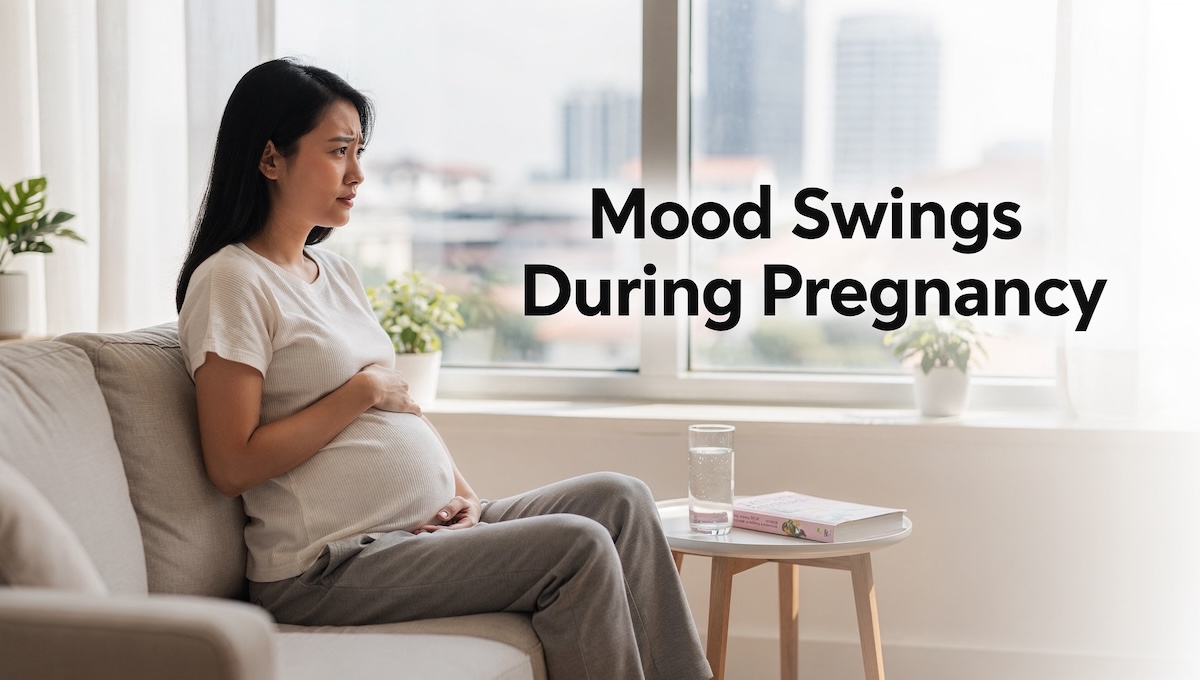
Pregnancy brings a whirlwind of changes to your body, mind, and emotions. One moment you feel excited about your growing baby, the next you’re crying at a heartwarming commercial, and minutes later you feel anxious about becoming a mother. If this emotional roller coaster sounds familiar, you’re experiencing what many pregnant women in Singapore go through – mood swings during pregnancy.
These dramatic mood swings affect approximately 70-80% of pregnant women in Singapore, making them one of the most common pregnancy experiences. Whether you’re dealing with heightened emotions in your first trimester or feeling overwhelmed as your baby arrives, understanding why these emotional changes happen and how to manage them can make your pregnancy experience much more comfortable.
This comprehensive guide will walk you through everything you need to know about pregnancy mood swings, from understanding their causes to practical management strategies tailored specifically for expecting moms in Singapore.

Understanding Pregnancy Mood Swings
Pregnancy mood swings are sudden emotional changes that can shift you from happiness to irritability, sadness, or anxiety within minutes. These aren’t just regular mood changes – they’re intense emotional ups and downs driven by the complex physiological changes happening in your body as it prepares to welcome your new baby.
During pregnancy, many women experience emotional outbursts that seem disproportionate to the triggering event. You might find yourself sobbing because the supermarket ran out of your favorite biscuits, or feeling overwhelmed with joy when your partner brings home your preferred local fruits. These mood changes are perfectly normal responses to the dramatic shifts occurring in your hormone levels and physical state.
Research shows that 70-80% of pregnant women in Singapore experience some form of mood fluctuations during their pregnancy journey. This high percentage reflects the universal nature of hormonal changes during pregnancy, though the intensity and frequency can vary significantly between individuals.
It’s crucial to understand that experiencing mood swings doesn’t indicate weakness or poor coping skills. Instead, these emotional changes represent your body’s natural adaptation to one of the most significant life changing events you’ll ever experience. Your brain and body are working overtime to support your growing baby while adjusting to new physical sensations, changing relationships, and evolving identity as you prepare for motherhood.
The key distinction between normal pregnancy mood swings and concerning mental health issues lies in their duration and impact on daily life. While mood swings are episodic and allow you to continue functioning normally between episodes, persistent symptoms that interfere with your ability to work, maintain relationships, or care for yourself may indicate prenatal depression or anxiety disorders that require professional attention.
When Do Mood Swings Occur During Pregnancy
Understanding when pregnancy mood swings start can help you prepare for and normalize these emotional changes. Most women notice their first significant mood shifts during early pregnancy, typically between weeks 6-10 when pregnancy hormones surge dramatically. This timing coincides with when many women first discover they’re pregnant and begin experiencing other early pregnancy symptoms.
First Trimester Challenges
The first trimester often brings the most intense emotional volatility. As estrogen and progesterone levels skyrocket, your brain chemistry undergoes significant changes that directly impact mood regulation. During this period, you might feel excited about your pregnancy one moment, then feel worried about your baby’s health or overwhelmed by the responsibility of becoming a parent the next.
Morning sickness, which affects approximately 85% of pregnant women, can intensify these emotional ups and downs. When you’re dealing with nausea, vomiting, and fatigue while trying to maintain your normal routine in Singapore’s demanding work environment, it’s natural for your emotions to feel heightened and unpredictable.
Second Trimester Relief
Many women find emotional relief during the second trimester (weeks 14-26). As hormone levels stabilize and morning sickness typically subsides, you may feel emotionally stable and more like your pre-pregnancy self. This period often coincides with feeling your baby’s first movements and seeing your growing bump, which can bring feelings of joy and connection with your developing child.
However, not all women experience this emotional reprieve. Some continue to experience dramatic mood swings throughout their entire pregnancy, while others may find new triggers emerge as the pregnancy progresses and the reality of parenthood becomes more tangible.
Third Trimester Return
The third trimester, particularly around weeks 28-30, often sees a return of emotional intensity. As your body prepares for labor and delivery, hormone levels peak again, potentially triggering another wave of mood swings. Physical discomfort from your growing belly, sleep disruption, and mounting anxiety about labor and becoming responsible for a new baby can all contribute to emotional volatility during this final stretch.
Singapore’s tropical climate can add an extra layer of discomfort during the third trimester. The combination of increased body heat during pregnancy and Singapore’s high humidity can make physical discomfort more pronounced, potentially intensifying emotional sensitivity and irritability.

Root Causes of Pregnancy Mood Swings
Hormonal Changes
The primary driver behind pregnancy emotions lies in the dramatic hormonal shifts occurring in your body. Understanding these changes can help you feel more in control when experiencing intense negative emotions or sudden emotional shifts.
Estrogen Surge: During pregnancy, estrogen levels increase by approximately 100-fold compared to non-pregnant levels. This massive surge directly affects serotonin production in your brain – the neurotransmitter responsible for mood regulation. When estrogen levels fluctuate, serotonin production becomes unstable, leading to mood swings that can feel overwhelming and unpredictable.
Progesterone Impact: Progesterone levels also rise significantly during pregnancy to help maintain the pregnancy and prepare your body for breastfeeding. While essential for a healthy pregnancy, elevated progesterone can cause fatigue and emotional sensitivity. You might find yourself feeling sluggish and more prone to tears or frustration than usual.
hCG Hormone Effects: Human Chorionic Gonadotropin (hCG) peaks around 8-10 weeks of pregnancy and contributes to morning sickness symptoms. The nausea and vomiting associated with elevated hCG levels can intensify irritability and emotional instability, particularly when you’re trying to maintain normal activities while feeling unwell.
Thyroid Fluctuations: Pregnancy can affect thyroid hormone production, and Singapore’s high-humidity environment may exacerbate these fluctuations. Thyroid imbalances during pregnancy can contribute to mood changes, anxiety, and emotional instability.
Physical Discomfort
Physical changes and discomforts during pregnancy significantly impact emotional well being. When your body doesn’t feel comfortable, your mind often follows suit, making you more susceptible to mood changes.
Morning Sickness: Approximately 85% of pregnant women in Singapore experience morning sickness, which can actually occur at any time of day. The constant nausea and vomiting not only affect your physical comfort but can also trigger feelings of frustration, helplessness, and anxiety about your baby’s physical well being.
Sleep Disruption: Singapore’s warm nights can make sleep challenging even under normal circumstances. During pregnancy, physical discomfort from your growing belly, frequent urination, and hormonal changes can further disrupt sleep patterns. Sleep deprivation directly affects mood regulation, making you feel anxious, irritable, and emotionally unstable.
Body Image Concerns: As your body changes and weight gain occurs, you might struggle with body image issues, particularly in Singapore’s fashion-conscious society. Social media and cultural expectations about appearance during and after pregnancy can create additional stress and contribute to mood swings.
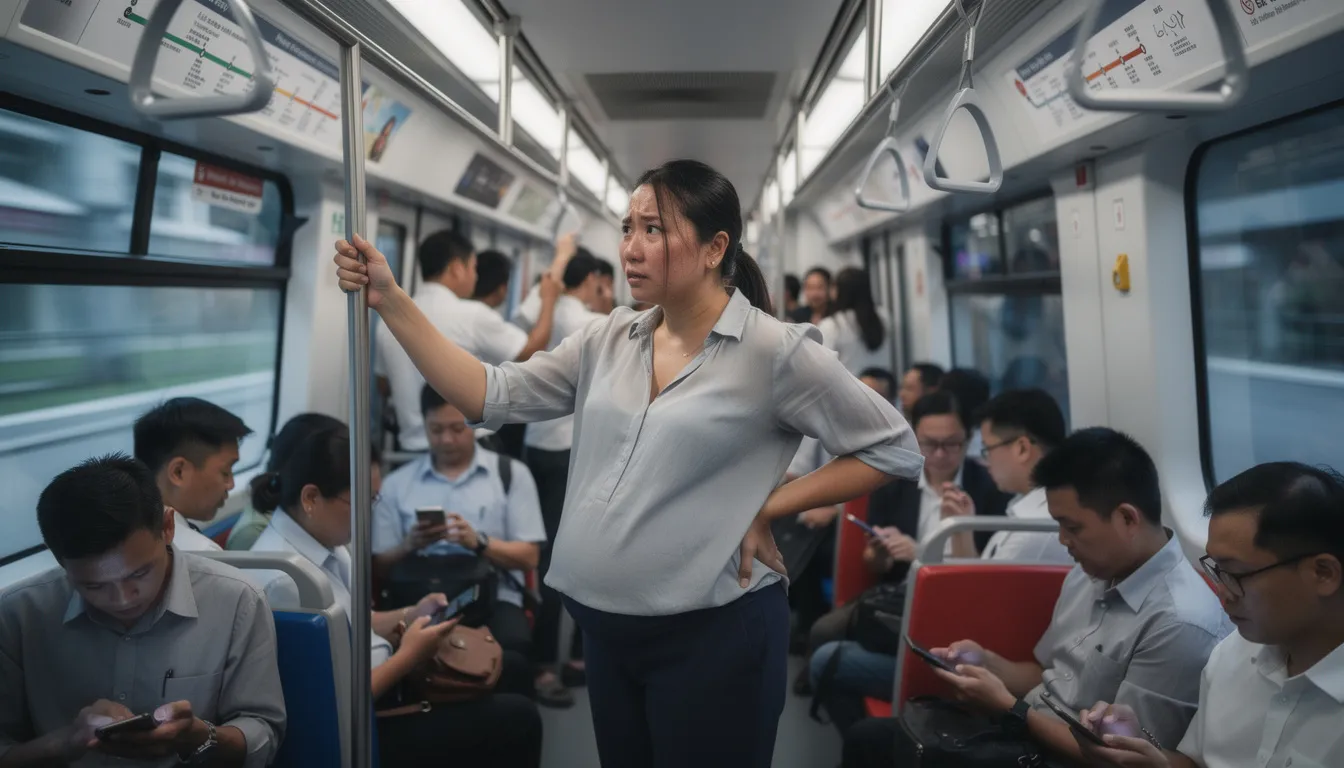
Physical Exhaustion: Navigating pregnancy while commuting on crowded MRT trains, working long hours in Singapore’s competitive job market, and dealing with the physical demands of pregnancy can leave you feeling drained. This exhaustion makes it harder to regulate emotions and cope with daily stressors.
Lifestyle and Social Factors
Work Stress: Singapore’s demanding work culture and long working hours can intensify pregnancy stress. Worrying about job security during maternity leave, managing heavy workloads while pregnant, and concerns about career progression can all contribute to emotional instability.
Financial Concerns: The high cost of living in Singapore, combined with expenses related to childcare, medical costs, and preparing for a new baby, can create significant financial anxiety. These worries about money and family finances can trigger mood swings and mounting anxiety.
Family Pressure: Traditional Asian families often have specific expectations about pregnancy, birth, and parenting. Pressure to follow certain customs, dietary restrictions, or family traditions while trying to make modern healthcare decisions can create emotional conflict and stress.
Healthcare Anxiety: While Singapore has excellent medical facilities, navigating the healthcare system, choosing between private and public options, and making decisions about prenatal care can feel overwhelming and contribute to feel worried or stressed about accessing quality care.
Effective Strategies to Manage Mood Swings
Nutrition and Hydration
Maintaining stable blood sugar levels and proper hydration plays a crucial role in mood regulation during pregnancy. Strategic eating patterns can help minimize dramatic mood swings and support both your emotional well being and your baby’s physical well being.
Regular Meal Schedule: Eat nutritious meals every 3-4 hours to prevent blood sugar dips that can trigger irritability and emotional instability. Pack healthy snacks like nuts, fruits, or yogurt to maintain steady energy levels throughout your day, especially during long work meetings or commutes.
Local Omega-3 Sources: Include omega-3 rich foods available in Singapore markets, such as fresh salmon, mackerel, and sardines. These fatty acids support brain function and can help regulate mood. Local fish markets offer excellent options, but ensure you choose low-mercury varieties for safety during pregnancy.
Hydration in Humid Climate: Drink 8-10 glasses of water daily to stay properly hydrated in Singapore’s humid climate. Dehydration can worsen mood swings and physical discomfort. Carry a water bottle during outdoor activities and increase intake on particularly hot days or when experiencing morning sickness.
Limit Stimulants: Reduce consumption of local coffee shop favorites like kopi and teh, as excessive caffeine can intensify anxiety and mood swings. Similarly, limit sugar-heavy local desserts that can cause blood sugar spikes and crashes, leading to emotional instability.
Exercise and Movement
Regular physical activity during pregnancy can significantly improve mood regulation and provide a natural mood booster through endorphin release.
Morning Walks: Take advantage of Singapore’s beautiful parks like the Botanic Gardens or East Coast Park for morning walks before temperatures become uncomfortable. Early morning exercise helps establish a positive tone for the day and provides vitamin D exposure.
Swimming: Many Singapore condominiums and community centers offer swimming facilities. Swimming provides excellent low-impact exercise that’s particularly beneficial during the third trimester when other forms of exercise become challenging due to physical changes.
Prenatal Yoga: Join prenatal yoga classes offered throughout Singapore. These classes not only provide gentle exercise but also teach breathing exercises and relaxation techniques that can help you feel emotionally stable during mood swings.
Indoor Activities: During Singapore’s afternoon heat or rainy weather, consider mall walking or indoor gym activities. Many shopping centers open early for walkers, providing a comfortable, air-conditioned environment for gentle exercise.
Sleep and Rest
Quality sleep is essential for mood regulation, though pregnancy often makes restful sleep challenging.
Consistent Bedtime Routine: Establish a regular sleep schedule despite Singapore’s late dining culture and social activities. Aim for the same bedtime and wake time daily to help regulate your body’s internal clock and hormonal cycles.
Temperature Control: Use air conditioning and fans to maintain comfortable sleeping temperatures. Singapore’s warm nights can be particularly challenging during pregnancy when your body temperature naturally runs higher.
Strategic Napping: Take afternoon naps when possible, especially during Singapore’s hottest hours (12-3 PM). Even 20-30 minute rest breaks can help combat fatigue and improve emotional resilience for the remainder of the day.
Sleep Environment: Create blackout conditions in your bedroom to manage Singapore’s early sunrise and street lighting. Invest in blackout curtains and consider white noise machines to block out traffic and neighbor noise.
Stress Management
Developing effective stress management techniques can help you maintain better emotional control during mood swings.
Mindfulness and Meditation: Practice daily mindfulness using meditation apps or attend classes offered throughout Singapore. Even 10 minutes of focused breathing can help reset your emotional state during particularly challenging days.
Breathing Exercises: Learn deep breathing techniques you can use anywhere – during MRT commutes, work breaks, or when feel anxious at home. Box breathing (inhale for 4, hold for 4, exhale for 4, hold for 4) can quickly calm heightened emotions.
Journaling: Keep a pregnancy journal to track emotional patterns and identify triggers for mood swings. Writing about your feelings can provide emotional release and help you recognize patterns in your mood changes.
Boundary Setting: Set realistic boundaries with work commitments and family obligations. Learn to say no to additional responsibilities that might overwhelm your emotional resources during this vulnerable time.

When to Seek Professional Help in Singapore
While mood swings are perfectly normal during pregnancy, certain warning signs indicate you should seek professional help to ensure both your mental health and your baby’s well-being.
Red Flag Symptoms
Persistent Sadness: If you experience persistent sadness lasting more than two weeks, this may indicate prenatal depression rather than normal mood swings. Unlike temporary emotional dips, prenatal depression involves sustained low mood that doesn’t lift even during positive experiences.
Anxiety Disorders: Constant worry about your baby’s health, obsessive thoughts about potential complications, or panic attacks that interfere with daily life suggest anxiety disorders requiring professional intervention. When feel worried becomes an overwhelming, persistent state rather than occasional concern, it’s time to seek help.
Self-Harm Thoughts: Any thoughts of harming yourself or feeling like you can’t cope with pregnancy or life requires immediate professional attention. These thoughts are not normal mood swings and indicate serious mental health concerns.
Functional Impairment: When mood swings severely affect your work performance, relationships, or ability to care for yourself, professional support becomes essential. If you can’t maintain basic daily activities or your relationships suffer significantly, therapeutic intervention can help.
Singapore Healthcare Resources
Specialized Hospitals: KK Women’s and Children’s Hospital offers comprehensive maternal mental health services with psychiatrists specializing in perinatal mental health. Thomson Medical Centre also provides excellent prenatal mental health support with both Western and integrated approaches.
Public Healthcare Access: Singapore’s public healthcare system covers mental health services during pregnancy. Consult your regular gynecologist for referrals to appropriate mental health professionals, and check your insurance coverage for psychological services.
Private Practice Options: Many private psychiatrists and psychologists in Singapore specialize in maternal mental health. While more expensive, private practice often offers shorter waiting times and more flexible scheduling around work commitments.
Crisis Support: Contact Samaritans of Singapore at 1767 for immediate emotional support if you’re experiencing thoughts of self-harm or severe emotional distress. This 24-hour helpline provides confidential support and can help connect you with appropriate professional resources.
Insurance and Cost Considerations
Check your insurance coverage for mental health services during pregnancy. Many international insurance plans used by expat families in Singapore include mental health benefits. For local insurance holders, Medisave can sometimes be used for psychiatric consultations, and government subsidies may apply for certain mental health services.
Supporting Your Partner Through Pregnancy Mood Swings
Partners play a crucial role in helping pregnant women navigate emotional ups and downs. Understanding how to provide effective support can strengthen your relationship and help your partner feel emotionally stable during this transformative time.
Understanding the Science
Recognize that mood swings are hormonally driven physiological responses, not personal attacks or character flaws. When your partner experiences dramatic mood swings, remember these emotions stem from genuine neurochemical changes, not deliberate behavior choices. This understanding helps you respond with empathy rather than defensiveness.
Practical Support Strategies
Household Management: Take initiative with household chores, meal preparation, and daily tasks without being asked. Pregnancy fatigue and physical discomfort can make routine activities feel overwhelming, so proactive support reduces stress and shows care.
Climate-Conscious Planning: Plan date activities and outings considering Singapore’s climate and your partner’s changing physical needs. Choose air-conditioned venues during hot afternoons, schedule outdoor activities for early mornings, and always have backup indoor options during monsoon season.
Educational Engagement: Attend prenatal classes together and learn about pregnancy changes. Understanding what your partner experiences physically and emotionally helps you provide better support and feel more prepared for parenthood together.
Family Coordination: Help manage extended family expectations and coordinate support from family members. In Singapore’s multi-generational family culture, balancing traditional expectations with modern medical advice can create stress, so partner advocacy becomes important.
Communication Strategies
Emotional Validation: When your partner experiences emotional outbursts, offer comfort without trying to immediately “fix” their feelings. Sometimes pregnant women need emotional support more than problem-solving. Simple statements like “this sounds really difficult” validate their experience.
Patience During Episodes: Remember that mood swings are temporary. Avoid taking emotional reactions personally and focus on providing steady, consistent support throughout the emotional roller coaster of pregnancy.
Active Listening: Create space for your partner to express concerns and fears without judgment. Pregnancy brings up many anxieties about parenthood, body changes, and life adjustments that need emotional processing.

Frequently Asked Questions About Pregnancy Mood Swings
Are mood swings worse in Singapore’s climate?
Singapore’s hot, humid climate can indeed intensify discomfort and irritability during pregnancy, potentially making mood swings more pronounced. The combination of increased body heat during pregnancy and Singapore’s year-round humidity creates additional physical stress that can worsen emotional sensitivity.
Dehydration from increased sweating may contribute to mood fluctuations, making proper hydration even more crucial. While air-conditioned environments provide relief, frequent temperature changes between outdoor heat and indoor cooling can also affect mood and comfort levels.
Monsoon season’s barometric pressure changes may influence emotional sensitivity in some women, though individual responses vary significantly. The key is recognizing climate as a contributing factor and adjusting daily routines accordingly – staying hydrated, avoiding outdoor activities during peak heat, and ensuring adequate rest in cool environments.
How do cultural expectations affect mood swings in Singapore?
Singapore’s multicultural society creates unique pressures that can intensify pregnancy mood swings. Professional expectations to maintain high performance levels during pregnancy, combined with cultural beliefs about showing gratitude and remaining positive, can create internal conflict when experiencing normal emotional ups and downs.
Traditional confinement practices and family dietary restrictions may cause stress when they conflict with personal preferences or medical advice. Extended family expectations about pregnancy behavior, birth choices, and parenting approaches can create additional emotional burden during an already vulnerable time.
The pressure to balance modern healthcare decisions with traditional beliefs from elderly relatives often creates anxiety and guilt. Many pregnant women in Singapore struggle with feeling they must appear constantly grateful and cheerful despite genuine physical discomfort and emotional changes, which can actually worsen mood regulation.
What foods help stabilize mood during pregnancy in Singapore?
Singapore’s local markets offer excellent options for mood-stabilizing foods during pregnancy. Fresh tropical fruits like papaya and dragon fruit provide essential vitamins and fiber that support steady energy levels and mood regulation.
Traditional soups and broths popular in Singapore – such as fish soup, chicken soup, and herbal soups – provide both hydration and nutrients that support emotional well being. These comfort foods also offer cultural connection during a time of significant change.
Whole grains available in local markets, including brown rice and quinoa, help maintain steady blood sugar levels that prevent mood swings. Fresh fish and seafood from Singapore’s excellent markets provide omega-3 fatty acids crucial for brain function and mood regulation, though always choose low-mercury varieties during pregnancy.
Local vegetables like kangkung, chye sim, and bean sprouts provide folate and other nutrients that support both maternal mental health and baby’s development. The key is eating regular, balanced meals that incorporate these local options while avoiding excess sugar from local desserts that can trigger mood instability.
When do pregnancy mood swings typically improve?
Many women find that pregnancy mood swings improve during the second trimester when hormone levels stabilize and morning sickness typically subsides. However, individual experiences vary significantly – some women experience mood swings throughout their entire pregnancy, while others may find new triggers emerge as the pregnancy progresses.
The good news is that most pregnancy-related mood swings resolve after delivery once hormone levels begin returning to pre-pregnancy states. However, it’s important to distinguish between normal pregnancy mood swings and postpartum depression, which can develop after birth and requires professional treatment.
For women who had mood swings primarily during early pregnancy, emotional stability often returns around weeks 14-20. Those who experience mood swings primarily in the third trimester usually find relief within a few weeks after delivery as hormone levels normalize.
How can I distinguish between normal mood swings and postpartum depression?
Normal pregnancy mood swings are episodic – they come and go, allowing you to feel emotionally stable between episodes. You can still enjoy activities, maintain relationships, and function normally in daily life despite occasional emotional intensity.
Postpartum depression involves persistent symptoms that last most of the day, nearly every day, for at least two weeks. Unlike normal mood swings, postpartum depression includes sustained sadness, loss of interest in activities you previously enjoyed, feelings of worthlessness or guilt about your ability as a mother, and significant changes in sleep or appetite beyond normal postpartum adjustments.
If you’re questioning whether your symptoms are normal, it’s always better to consult with a healthcare provider. Early intervention for postpartum depression leads to better outcomes for both mother and baby, and Singapore’s healthcare system offers excellent support for maternal mental health.
Conclusion
Pregnancy mood swings are a normal, expected part of the pregnancy experience that affect the vast majority of pregnant women in Singapore. Understanding that these emotional ups and downs result from necessary hormonal changes rather than personal weakness can help normalize this challenging aspect of pregnancy.
The key to managing mood swings effectively lies in implementing comprehensive self-care strategies – maintaining stable nutrition, prioritizing sleep, staying hydrated in Singapore’s climate, incorporating gentle exercise, and developing stress management techniques. Remember that cultural pressures and Singapore’s unique environment may intensify certain aspects of pregnancy emotions, but with proper support and strategies, you can maintain your emotional well being throughout your pregnancy journey.
Most importantly, know when to seek professional help. While mood swings are normal, persistent sadness, anxiety, or thoughts of self-harm require immediate professional attention. Singapore offers excellent maternal mental health resources through both public and private healthcare systems.
Your journey through pregnancy emotions is temporary, and with proper support from loved ones, healthcare providers, and self-care strategies, you can navigate this life changing event while maintaining your mental health and supporting a healthy pregnancy. Remember that seeking help when needed shows strength, not weakness, and prioritizing your emotional well being benefits both you and your growing baby.