
Conceiving a child represents one of life’s most significant milestones, yet the journey often involves more complexity than couples initially expect. While approximately 85% of couples will achieve pregnancy within one year of trying to conceive, understanding the science behind fertility can dramatically improve your chances of success and help you navigate this important journey with confidence.
For couples in Singapore, where the average age at first birth has risen to 30.3 years, timing and preparation become increasingly crucial. This comprehensive guide combines the latest research in reproductive biology with practical strategies tailored to Singapore’s unique healthcare landscape and cultural context.
Whether you’re just beginning to consider starting a family or have been trying to conceive for several months, this guide will equip you with evidence-based knowledge to optimize your fertility and increase your chances of getting pregnant successfully.
Understanding Conception and Fertility Basics
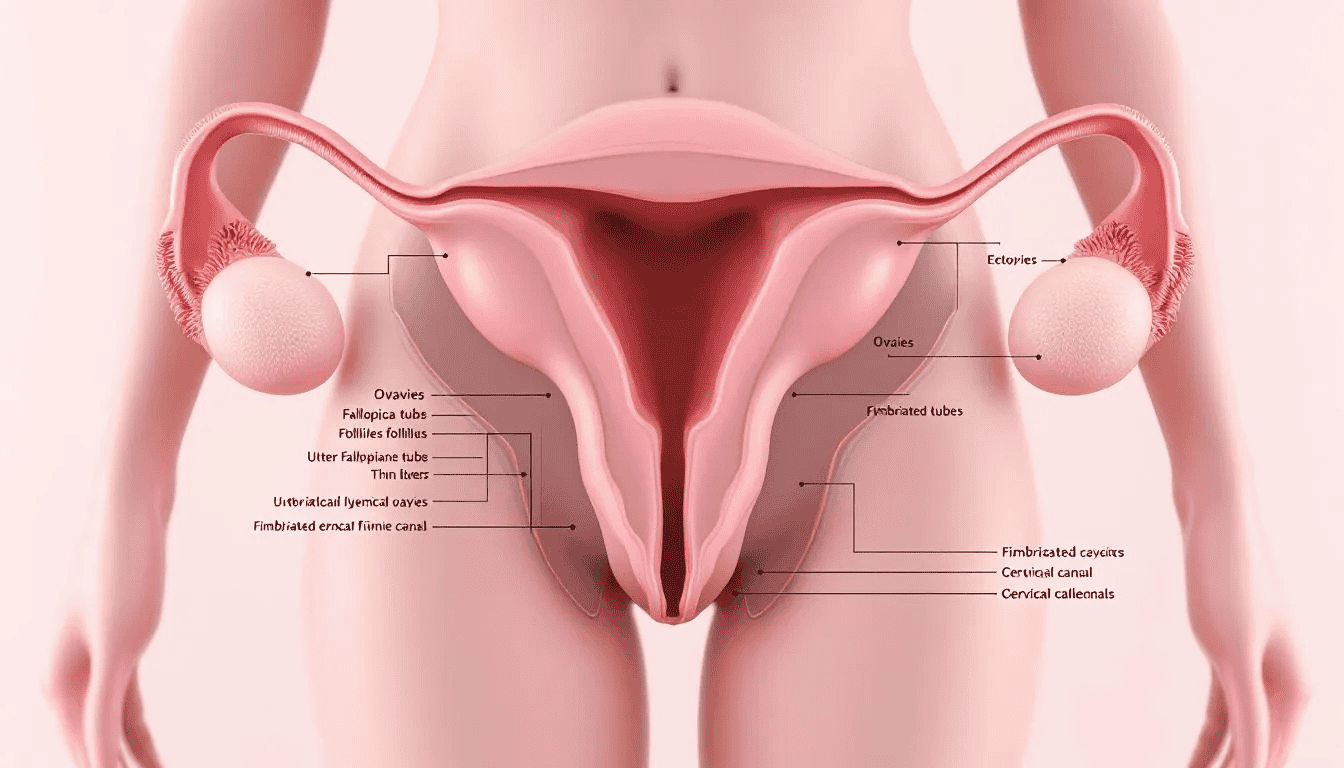
Before diving into optimization strategies, it’s essential to understand the fundamental biology of conception. Conception occurs when sperm successfully fertilizes an egg, typically within the fallopian tubes. This process must happen within a specific timeframe – while sperm can survive in the female reproductive tract for 3-5 days, eggs remain viable for only 12-24 hours after ovulation occurs.
The statistics surrounding natural conception provide important context for managing expectations. Healthy couples under 35 have approximately 20-25% chance of conceiving each menstrual cycle when timing sexual intercourse optimally. This means that even with perfect timing and optimal health conditions, most couples will need several cycles to achieve pregnancy.
The fertile window spans approximately 6 days during each menstrual period – the 5 days before ovulation plus the day ovulation occurs. During this timeframe, when the ovary releases a mature egg, couples have their highest chances of getting pregnant. Understanding this window is crucial for timing sexual intercourse effectively.
Most menstrual cycles follow predictable patterns, though individual variations are normal. The key is identifying when ovulation occurs within your specific cycle length, as this determines your optimal timing for conception attempts. Regular sex during the fertile window maximizes the probability that healthy sperm will be present when the egg becomes available for fertilization.
Age and Fertility: Critical Timing Factors
Age represents one of the most significant factors affecting fertility, with distinct impacts that every couple should understand when planning their family. Female fertility peaks in the early twenties and begins declining after age 30, with significant drops after 35 and more dramatic fertility decline after 40.
The biological reality underlying this decline relates to both egg quantity and quality. Women are born with approximately 1-2 million eggs, a number that declines to 300,000-400,000 by puberty and continues decreasing throughout life. By age 40, most women have fewer than 25,000 eggs remaining, representing a substantial reduction in reproductive potential.
More critically than quantity, egg quality deteriorates with advancing woman’s age. This deterioration manifests as increased rates of chromosomal abnormalities, leading to higher risks of miscarriage and birth defects. The risk of chromosomal abnormalities increases exponentially, from approximately 1 in 1,500 at age 20 to 1 in 30 at age 45.
Male fertility also experiences age-related changes, though typically more gradually than female fertility decline. After age 40, men may experience decreased sperm count, reduced sperm quality, and increased DNA fragmentation in sperm. These changes can affect both the ability to conceive and pregnancy outcomes.
Singapore’s fertility statistics reflect global trends toward delayed childbearing. The mean age at first birth rose to 30.3 years in 2022, with an increasing proportion of births occurring to women aged 35 and older. This demographic shift has increased demand for fertility treatments and highlighted the importance of early fertility awareness and family planning discussions.
Optimizing Your Chances: Timing and Tracking
Successful conceiving often comes down to precise timing, and today’s couples have more sophisticated tools than ever to identify their fertile window. Understanding how to predict ovulation accurately can significantly improve your chances of getting pregnant naturally.
For women with regular 28-day cycles, ovulation typically occurs around day 14, counting from the first day the period starts. However, cycle lengths vary considerably among women, ranging from 21 to 35 days, making individualized tracking essential for optimal timing.
Basal body temperature tracking represents one of the most reliable traditional methods for confirming ovulation. This technique involves measuring your temperature immediately upon waking each morning. After ovulation occurs, progesterone causes a temperature rise of 0.4-0.8°F that persists until the next menstrual period begins. While this method confirms ovulation retrospectively, tracking patterns over several cycles can help predict future ovulation timing.
Cervical mucus monitoring provides real-time fertility information. Throughout most menstrual cycles, cervical mucus remains thick and sticky. However, as ovulation approaches, rising estrogen levels cause mucus to become clear, stretchy, and resembling raw egg whites. This “fertile” cervical mucus indicates peak fertility and optimal timing for sexual intercourse.
Ovulation predictor kits detect the luteinizing hormone (LH) surge that occurs 12-36 hours before ovulation. These tests, available at most pharmacies, provide advance warning of impending ovulation, allowing couples to time intercourse for maximum conception potential. For best results, test at the same time daily, typically in the afternoon, and begin testing several days before expected ovulation.
Modern Fertility Tracking Methods
Technology has revolutionized fertility tracking through smartphone apps and wearable devices that offer unprecedented convenience and accuracy. Popular fertility apps like Flo, Clue, and Ovia use sophisticated algorithms to analyze menstrual cycle data and predict ovulation windows based on individual patterns.
These apps typically combine multiple data inputs – menstrual cycle length, basal body temperature, cervical mucus observations, and ovulation test results – to provide personalized predictions. Many also offer educational content, symptom tracking, and reminders for taking prenatal vitamins or scheduling medical appointments.

Wearable devices like the Ava bracelet and Oura ring monitor physiological changes throughout the night, tracking parameters such as skin temperature, heart rate variability, and sleep patterns. These devices can identify subtle physiological shifts that indicate hormonal changes associated with ovulation, often providing more objective data than manual tracking methods.
However, it’s important to understand the limitations of app-based tracking. Algorithm accuracy depends on regular cycle patterns and consistent data input. Women with irregular cycles, recent hormonal contraceptive use, or certain health conditions may find these tools less reliable. Combining multiple tracking methods typically provides the most accurate ovulation prediction.
Emerging AI-powered fertility platforms are gaining traction in Singapore’s tech-savvy population, offering increasingly sophisticated analysis of fertility patterns and personalized recommendations for conception optimization.
Preconception Health Optimization
The months before conceiving are crucial for optimizing both partners’ fertility potential and ensuring the healthiest possible pregnancy outcomes. Healthcare professionals recommend starting preconception care 3-6 months before attempting conception, allowing time for health improvements to take effect and for any medical issues to be addressed.
Essential prenatal vitamins should begin before conception, not after discovering pregnancy. Folic acid supplementation of 400-800 mcg daily is particularly crucial, as it prevents neural tube defects that occur during the earliest weeks of pregnancy, often before women realize they’re pregnant. Many healthcare providers recommend comprehensive prenatal vitamin formulations that include folic acid along with other essential nutrients.
Maintaining a healthy weight significantly impacts fertility outcomes for both partners. Women with BMI between 18.5-24.9 have optimal fertility, while both underweight and overweight conditions can disrupt ovulation and reduce conception chances. Men with healthy weight typically have better sperm quality and hormone balance than those who are overweight.
Comprehensive health screening should include STD testing, blood work to assess for conditions like diabetes or thyroid disorders, and updating vaccinations to ensure protection against infections that could affect pregnancy. Women should also have up-to-date cervical cancer screening and discuss any chronic health conditions with their healthcare provider.
Singapore’s Preconception Health Programs
Singapore’s Health Promotion Board offers the “Start Right” preconception program, providing subsidized health screenings and counseling for couples planning pregnancy. This program includes comprehensive health assessments, nutritional counseling, and lifestyle recommendations tailored to local population health needs.
The HealthHub app features dedicated preconception health modules with personalized recommendations based on individual health profiles and risk factors. Users can access educational content, track their preconception health journey, and receive reminders for important health activities.
Major hospitals including KKH and SGH offer comprehensive preconception packages that combine medical screening, genetic counseling, and fertility assessments. These programs are particularly valuable for couples with a family history of genetic conditions or previous pregnancy complications.
Many major Singapore employers now include workplace wellness programs that support fertility health, offering benefits such as fertility coverage, flexible scheduling for medical appointments, and stress management resources to support employees during their conception journey.
Lifestyle Factors Affecting Conception
Your daily choices significantly impact your fertility, with some lifestyle factors offering surprising benefits or risks. Understanding these connections empowers couples to make informed decisions that support their conception goals.
Smoking represents one of the most harmful lifestyle factors for fertility. Research demonstrates that smoking reduces fertility by 13% in women and significantly decreases sperm quality in men. The chemicals in tobacco damage both eggs and sperm, impair hormone production, and increase miscarriage risk. Quitting smoking should be a top priority for any couple trying to conceive, with benefits beginning within months of cessation.
Alcohol consumption affects fertility in both partners through multiple mechanisms. In women, alcohol interferes with hormone production and can disrupt ovulation, while in men, it reduces testosterone levels and impairs sperm production. Healthcare providers typically recommend completely eliminating alcohol consumption during conception attempts and throughout pregnancy to optimize outcomes.
Caffeine intake requires moderation rather than elimination. Current research suggests limiting caffeine consumption to 200mg daily – equivalent to one 8-ounce cup of coffee – to minimize any potential impact on fertility. Higher caffeine intake has been associated with increased miscarriage risk and may affect egg quality in some women.
Stress management deserves serious attention in any conception plan, as chronic stress can disrupt the delicate hormonal balance necessary for reproduction. Elevated stress hormones can suppress ovulation, reduce sperm production, and decrease overall reproductive efficiency. Effective stress management techniques include meditation, yoga, counseling, and regular physical activity.
Exercise and Fertility
Regular physical activity provides numerous benefits for couples trying to conceive, including improved hormonal balance, stress reduction, and optimal weight maintenance. Healthcare professionals recommend moderate exercise totaling 150 minutes weekly, which can include activities like brisk walking, swimming, cycling, or group fitness classes.
However, excessive high-intensity training may disrupt ovulation in some women, particularly those with low body weight or restrictive eating patterns. The key is finding a sustainable balance that supports overall health without creating additional physical stress that could interfere with reproductive function.

Fertility-friendly activities include swimming, which provides excellent cardiovascular benefits without impact stress; walking, which can be easily incorporated into daily routines; and prenatal yoga, which combines physical activity with stress reduction and mindfulness practices.
Several Singapore fitness centers now offer fertility-focused programs, including specialized classes at Pure Yoga and Virgin Active that incorporate poses and breathing techniques specifically designed to support reproductive health and reduce stress during the conception journey.
Nutrition for Optimal Fertility
What you eat directly influences your reproductive health, with certain nutrients playing crucial roles in egg development, sperm production, and overall fertility. Research consistently demonstrates that couples following fertility-optimized nutrition patterns have higher conception rates and healthier pregnancy outcomes.
The Mediterranean diet pattern provides an excellent foundation for fertility nutrition, emphasizing whole grains, healthy fats, lean proteins, and abundant fruits and vegetables. This eating pattern supplies high levels of antioxidants that protect reproductive cells from damage while providing essential nutrients needed for optimal reproductive function.
Key nutrients for fertility include omega-3 fatty acids, which support hormone production and may improve egg quality; vitamin D, which plays important roles in reproductive hormone regulation; iron, which supports healthy blood formation and may improve ovulation; and zinc, which is essential for healthy sperm production and egg development.

Specific fertility-supporting foods include leafy green vegetables, which provide folate and other B vitamins; nuts and seeds, which offer healthy fats, protein, and vitamin E; berries, which supply antioxidants that protect reproductive cells; and fatty fish like salmon and sardines, which provide omega-3 fatty acids crucial for reproductive health.
Singapore’s population commonly experiences certain nutritional deficiencies that may impact fertility, particularly vitamin D deficiency due to limited sun exposure and indoor lifestyles, and vitamin B12 deficiency, especially among individuals following plant-based diets. Addressing these deficiencies through targeted supplementation or dietary changes can support fertility optimization.
When to Seek Professional Help
Knowing when to transition from natural conceiving attempts to professional support can save valuable time and reduce emotional stress. The timing for seeking help depends on several factors, including age, known risk factors, and the duration of unsuccessful attempts.
Couples under 35 should generally consult a fertility doctor after 12 months of regular sexual intercourse without achieving pregnancy. This timeframe reflects the natural conception timeline, allowing adequate opportunity for pregnancy to occur naturally while ensuring timely intervention if needed.
For women over 35, the recommendation changes to seeking evaluation after 6 months of unsuccessful attempts. This earlier timeline acknowledges the accelerated fertility decline that occurs with advancing woman’s age and the importance of not delaying potentially beneficial treatments.
Certain red flags warrant immediate consultation regardless of how long you’ve been trying to conceive. These include irregular menstrual cycles or absence of periods, severe pelvic pain, known or suspected reproductive tract abnormalities, previous pregnancy complications, or either partner having a history of cancer treatment or significant reproductive surgeries.
During initial consultations, fertility specialists typically conduct comprehensive evaluations including detailed medical history reviews, physical examinations, and basic fertility testing. For women, this often includes blood work to assess hormone levels and ovulation function, plus imaging studies to evaluate the reproductive tract. Male partners typically undergo semen analysis to assess sperm count, motility, and morphology.
Singapore Fertility Landscape and Statistics
Singapore faces significant demographic challenges reflected in fertility statistics and healthcare planning. The current total fertility rate of 1.05 births per woman (2022 data) represents one of the world’s lowest, highlighting the complex interplay of economic, social, and cultural factors affecting family formation decisions.
This low fertility rate occurs despite government initiatives designed to support families and encourage childbearing. Enhanced baby bonus programs provide financial support for families, while extended maternity leave policies allow more time for bonding and recovery. However, persistent challenges including high cost of living, competitive work environments, and limited childcare availability continue to influence family planning decisions.
Assisted reproductive technology success rates in Singapore align with international standards, with IVF live birth rates of 30-40% for women under 35, declining to approximately 20-25% for women aged 35-39, and dropping further for older age groups. These statistics help couples understand realistic expectations when considering treatment options.
Cultural factors significantly influence fertility treatment acceptance in Singapore’s multicultural society. While medical treatments generally face few cultural barriers, some traditional beliefs about conception, pregnancy timing, and medical intervention may affect treatment decisions. Healthcare providers increasingly recognize the importance of culturally sensitive counseling that respects diverse beliefs while providing evidence-based medical guidance.
The Singapore healthcare system provides multiple pathways for accessing fertility care, including subsidized services through public hospitals and specialized private fertility clinics offering advanced treatment options. Understanding these options helps couples navigate the system effectively and access appropriate care based on their specific needs and circumstances.
Emotional and Mental Health During Conception Journey
The emotional journey of conceiving deserves as much attention as the physical aspects, as mental health significantly impacts both fertility outcomes and quality of life during this important time. Research demonstrates clear connections between stress levels and reproductive function, making emotional wellness an integral part of any comprehensive fertility plan.
Common emotional challenges during the conception journey include anxiety about timing and success, frustration with the unpredictable nature of the process, relationship stress from the pressure and planning involved, and disappointment when cycles don’t result in pregnancy. These feelings are normal and experienced by most couples, regardless of how quickly they achieve pregnancy.

Singapore offers numerous support resources for couples navigating fertility challenges. Major hospitals including KKH, SGH, and Mount Elizabeth provide fertility counseling services with specialists trained in reproductive psychology. These services help couples develop coping strategies, improve communication, and process the emotional aspects of their fertility journey.
Online support communities and local support groups create opportunities for couples to connect with others sharing similar experiences. Organizations like the Singapore Fertility Society facilitate support groups and educational events that normalize fertility challenges while providing practical emotional support strategies.
Maintaining open communication between partners becomes crucial during the conception process. Many couples find it helpful to establish regular check-ins about emotions, expectations, and concerns, while also preserving relationship intimacy that extends beyond conception goals. Some couples benefit from couples counseling to strengthen their relationship during this potentially stressful time.
Professional mental health support should be considered when fertility stress begins affecting daily functioning, relationships, or overall quality of life. Many reproductive psychiatrists and psychologists specialize in fertility-related concerns and can provide targeted interventions including cognitive-behavioral therapy, mindfulness-based stress reduction, and other evidence-based treatments.
The practice of yoga, meditation, and other stress-reduction techniques has shown measurable benefits for couples trying to conceive. These practices not only reduce stress hormones that can interfere with fertility but also provide valuable coping skills for managing the emotional ups and downs inherent in the conception journey.
Remember that seeking support is a sign of strength, not weakness. The journey to parenthood represents a major life transition that naturally involves emotional complexity. Accessing appropriate support resources can significantly improve both your emotional experience and your fertility outcomes.
Conclusion
Successfully conceiving requires a multifaceted approach that combines understanding reproductive biology, optimizing physical health, timing intercourse effectively, and maintaining emotional wellness throughout the journey. While the process involves factors beyond complete control, evidence-based preparation significantly improves your chances of achieving pregnancy and ensures the healthiest possible outcomes.
The key takeaways for optimizing your conception journey include: starting preconception health optimization 3-6 months before attempting pregnancy, accurately tracking ovulation to identify your fertile window, maintaining a healthy lifestyle through proper nutrition and regular exercise, and seeking professional help when appropriate based on your age and circumstances.
For couples in Singapore, take advantage of the comprehensive healthcare resources available, from government preconception programs to world-class fertility specialists. Remember that fertility challenges affect many couples – you’re not alone in this journey, and support resources are available when you need them.
Begin your conception journey with knowledge, patience, and realistic expectations. Focus on the factors within your control while accepting that conceiving often requires time and persistence. Most importantly, maintain open communication with your partner and don’t hesitate to seek professional guidance when questions or concerns arise.
Your path to parenthood is unique, but with proper preparation and support, you’re taking the best possible steps toward achieving your goal of bringing a healthy baby into your life.