

Becoming a new parent brings questions, doubts, and a need for practical guidance. This list gathers books that can help you understand your child’s development, communicate more effectively, and build a calmer household.
Read the selection to find evidence-based strategies, gentle approaches, and readable guides that fit your parenting style and schedule.
Top Picks
| Category | Product | Score |
|---|---|---|
| 🏆 Best for Infant Independence | Montessori Baby | 94/100 |
| 💡 Best for Parent Reflection | Book You Wish | 88/100 |
| 🎯 Best for Brain-Based Strategies | Whole-Brain Child | 93/100 |
| 🍽️ Best for Baby Feeding | What Mummy Makes | 87/100 |
| 🗣️ Best for Everyday Communication | How to Talk | 91/100 |
| 🛡️ Best for Calm Discipline | No-Drama Discipline | 90/100 |
| 🌷 Best for Emotional Support | Beautiful Chaos | 95/100 |
| 🔗 Best for Attachment Parenting | Raising Securely | 97/100 |
| ✝️ Best for Faith-Based Guidance | Parenting Principles | 86/100 |
| 🚀 Best for Nonpunitive Discipline | Punishment-Free | 96/100 |
How We Chose These Books
You want books that are useful, readable, and relevant to the first years of parenting. We prioritized evidence-based advice, clarity of practical tips, range of ages covered, cultural sensitivity, and the author’s expertise. We also looked for books that are easy to return to during busy days, those that support both emotional connection and developmental understanding, and titles that suit different parenting priorities so you can choose what fits your values and schedule.
The Montessori Baby
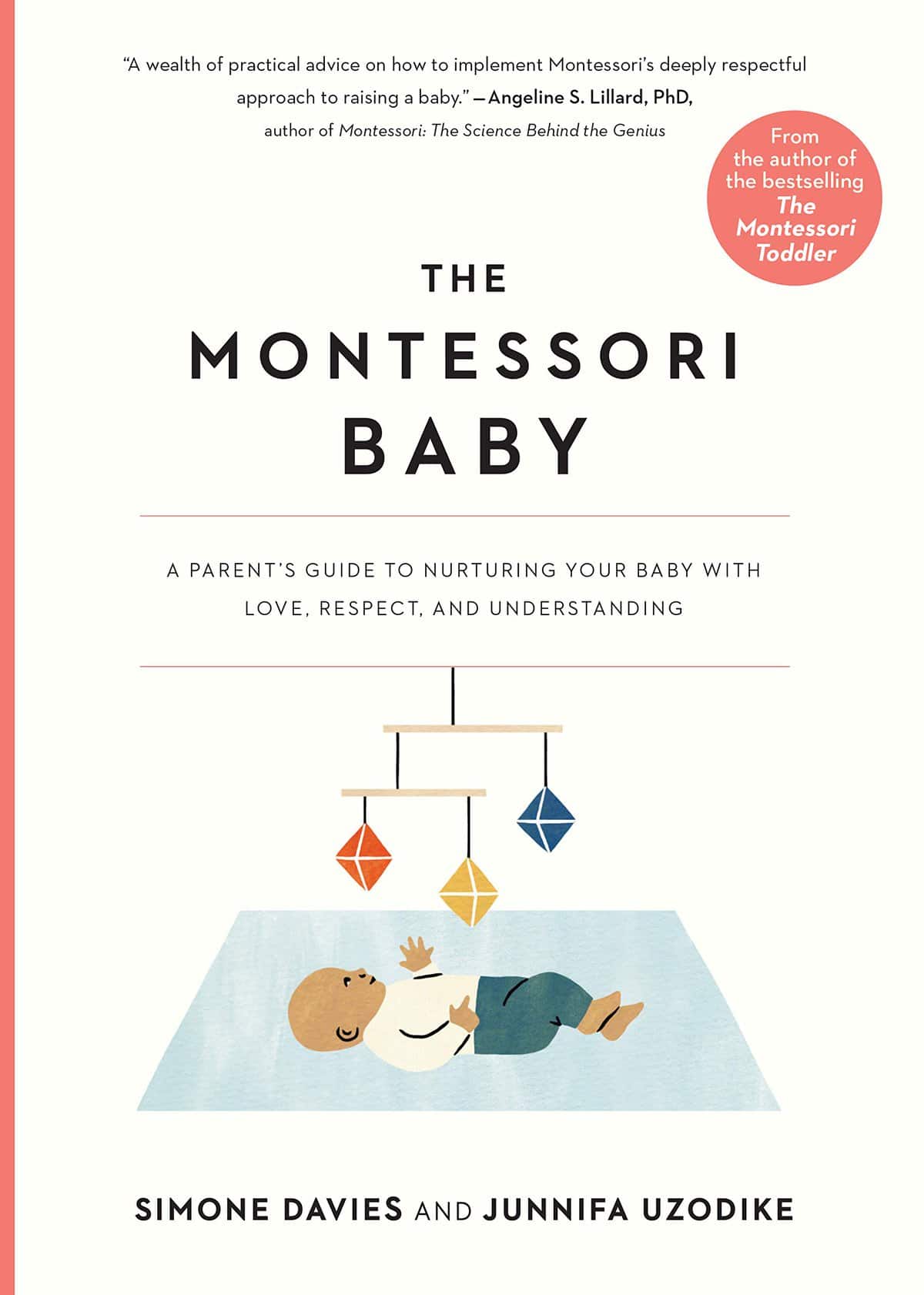
You’ll find this book reads like a friendly coach who’s walked the Montessori path with babies. Coauthored by Montessori-trained educators, it shows you how to slow down, pare back clutter, and set up a safe “yes” space where your baby can explore. The advice is very practical: simple activity ideas to support movement and language, how to handle feeding and diaper changes more mindfully, and which toys and mobiles actually help development. It’s full of clear photos and gentle design cues, so you can flip to a page and try something the same day.
Use it for daily routines—bedtime, feeding, playtime—or when you’re preparing for milestones like starting daycare, traveling with baby, or introducing new caregivers. If you want a realistic, low-fuss approach to raising a curious, capable infant, this is an easy-to-use guide you’ll keep coming back to.
What People Say
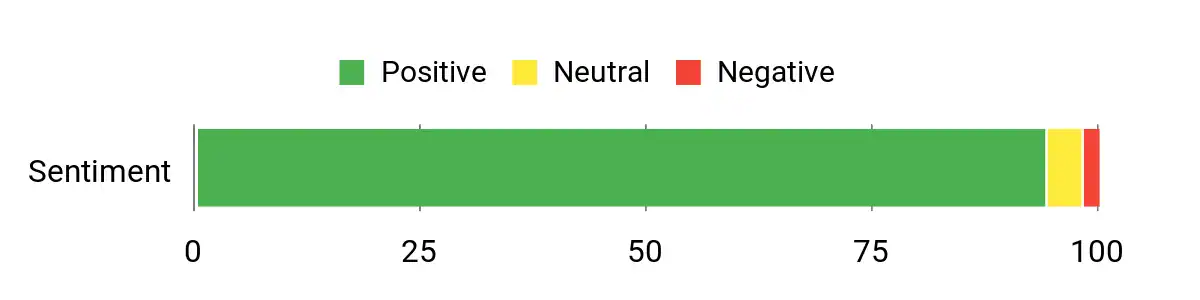
Readers commonly praise how practical and approachable the advice is—many appreciate the clear photos, layout, and small ideas that fit into a busy day. People often mention it helped them see their baby as capable and offered concrete ways to create calmer routines.
A few note it won’t match every parenting style, but most find it a useful, calming reference.
Overall Sentiment: Positive

What You Learn
You’ll learn core Montessori concepts applied to infancy: creating a prepared environment, encouraging independent movement, supporting early language, and setting kind boundaries. The book explains why these approaches matter and gives step-by-step activities so you can apply them without needing formal training.
Where It Works
This works well for newborn routines, everyday play, and transitions like starting daycare or traveling. It’s handy for parents, caregivers, and grandparents who want practical, adaptable ideas—whether you follow Montessori closely or just want gentler, more respectful ways to interact with your baby.
Why You’ll Like It
- Turns Montessori ideas into simple, usable steps you can try today
- Helps you create a calmer, less cluttered home that supports baby’s learning
- Practical setups for feeding, diapering, movement and early language
- Clear photos and layout that make concepts easy to follow
Rating: 4.8 (total: 2463+)
The Book You Wish Your Parents Had Read
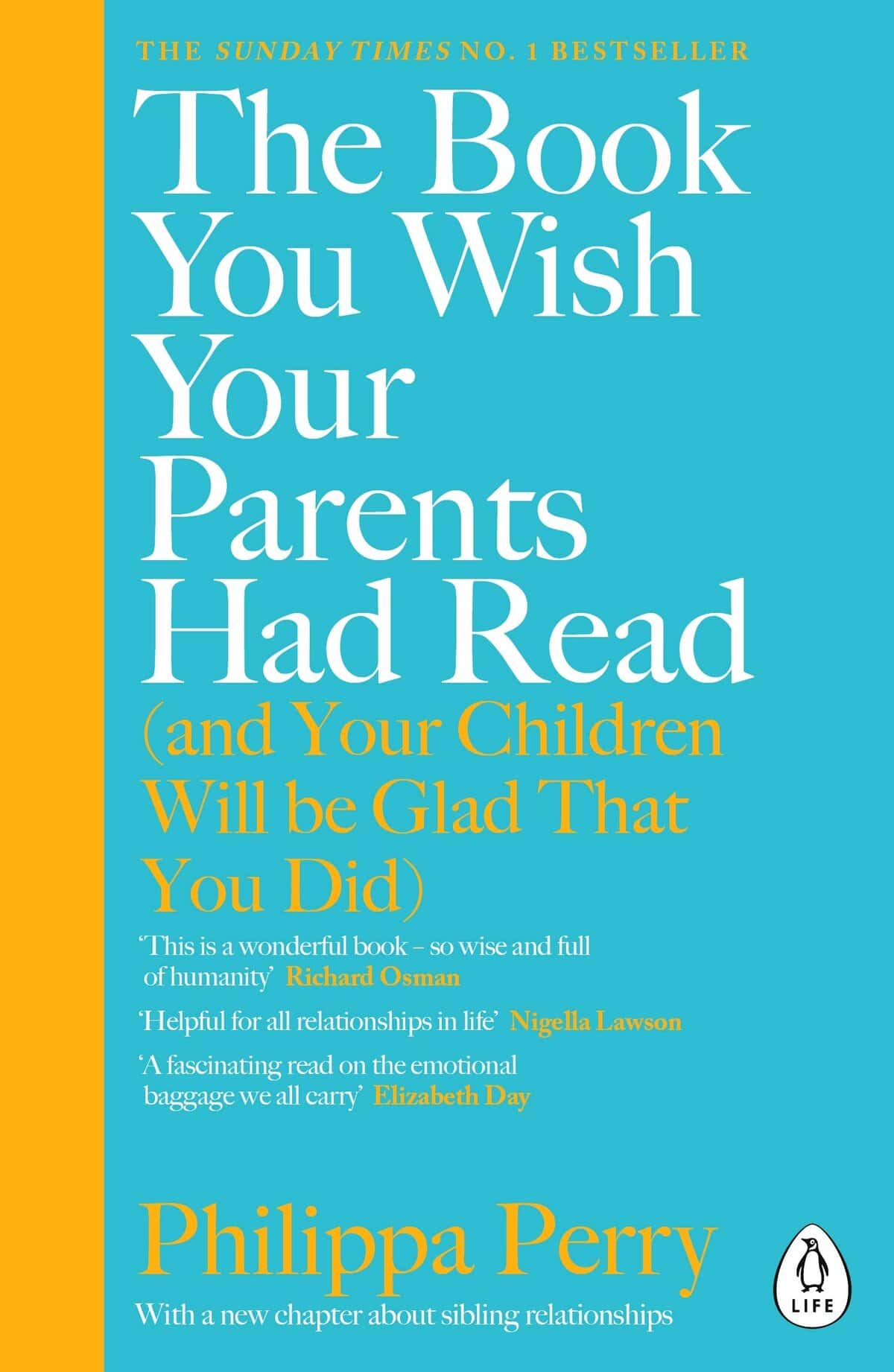
You’ll find Philippa Perry writing like a calm therapist who’s sat with parents and understands the messy bits. The book explains how your own childhood patterns pop up in parenting, then gives simple, realistic ways to respond to your child’s feelings instead of reacting. Chapters are short and packed with case studies, exercises and the idea of rupture-and-repair so you can spot mistakes and make them right.
Read a section between naps to get an idea you can try that day, or work through it more slowly to change how you relate long term. It’s useful for everyday moments—tantrums, bedtime, sibling fights—and for bigger transitions like starting school or caring for a difficult phase.
If you want practical, kind advice that helps you stay connected and less defensive, this book is an easy-to-use companion.
What People Say
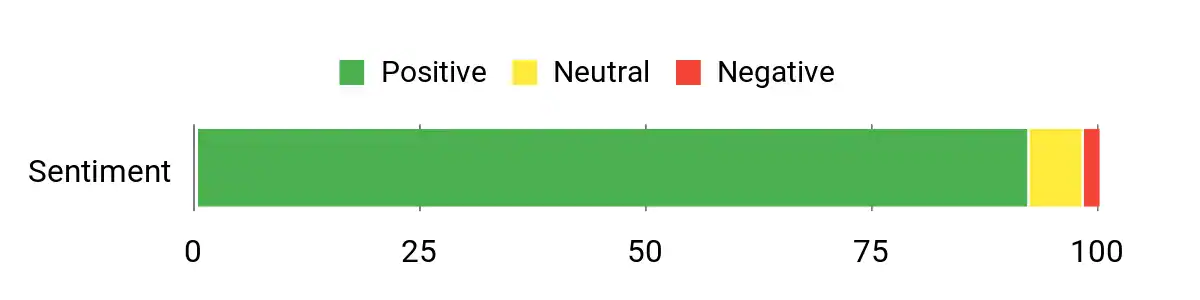
Readers often highlight how clear and approachable the writing is, and how the small, practical examples actually change day-to-day behaviour. Many say the non-judgemental tone and the rupture-and-repair framework helped them feel less guilty and more confident when handling tricky moments.
People also mention it’s short enough to read in snatches but substantive enough to prompt real reflection.
Overall Sentiment: Positive
What You Learn
You’ll learn how early experiences shape your reactions, how to notice and name feelings in your child, concrete steps for repairing ruptures in connection, and communication habits that reduce conflict. The book gives reasons for the techniques plus small exercises so you can apply ideas without needing professional training.
Where It Works
This is handy for everyday routines like bedtime and mealtimes, for managing tantrums or sibling rivalry, and for navigating transitions such as starting daycare or adding a new caregiver. It also translates well to partner relationships and broader family dynamics, so it’s useful beyond the newborn and toddler years.
Why You’ll Like It
- Turns psychotherapeutic ideas into practical steps you can try today
- Focuses on reading and responding to your child’s emotions
- Short chapters and real-life examples make it easy to dip into
- Teaches rupture-and-repair—how to fix things after you lose your temper
- Useful for parenting and improving adult relationships too
Rating: 4.6 (total: 7550+)
The Whole-Brain Child
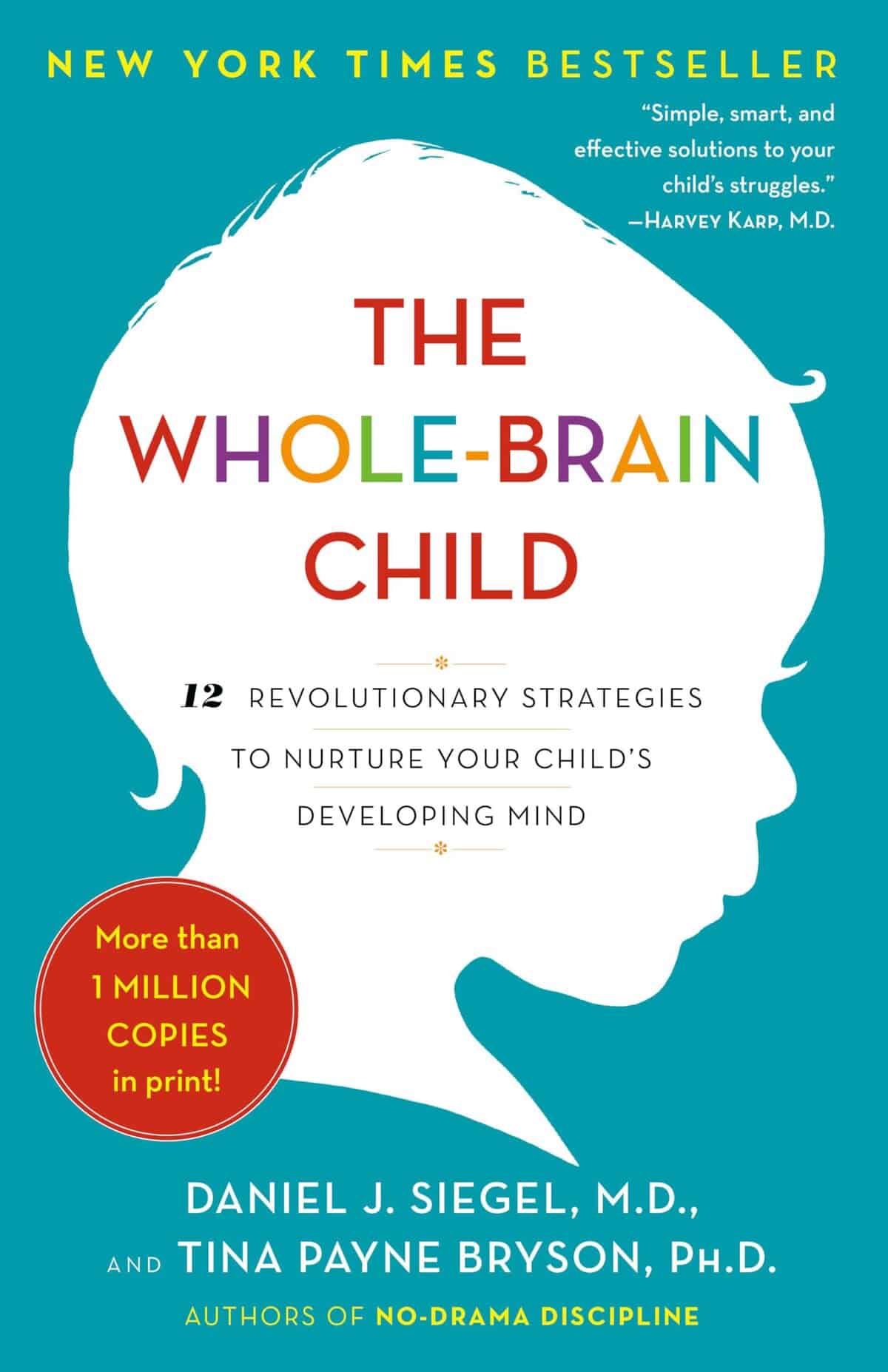
You’ll find this book reads like a friendly coach on how your child’s brain actually works. It breaks down the science into twelve clear strategies you can try in the moment—things to say, ways to connect, and simple routines that help emotions and logic work together. The chapters are short, full of examples and illustrations (there’s even a handy refrigerator sheet), so you can dip in between naps or read more deliberately when you have time.
Use it for everyday struggles like tantrums, bedtime battles and sibling fights, and keep it close for bigger transitions—starting daycare, sleep regressions, or a scary event—when you need a calm, science-based approach. If you want practical tools that help you stay connected and handle emotional moments with less stress, this one’s worth keeping on the shelf.
What People Say
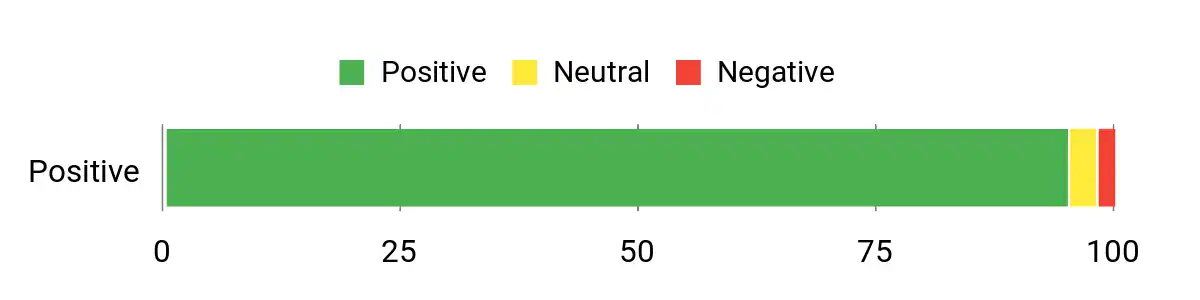
You’ll notice readers frequently praise how approachable the writing is and how the twelve strategies actually translate to calmer moments at home. Many point out the practical examples and illustrations as helpful when you want something quick to try.
A smaller number of buyers report issues with printing or delivery on some copies, but the general consensus is that the ideas change how you respond to emotions.
Overall Sentiment: Positive
What You Learn
You’ll learn the basics of brain development, the idea of integration (how emotion and logic can work together), and why tantrums happen. The book gives you twelve concrete strategies, age-specific applications, short scripts to try in the moment, and ways to turn everyday interactions into brain-building experiences.
Where It Works
This is handy for daily routines—bedtime, mealtimes, school drop-offs—and for handling tantrums, separation moments or sibling rivalry. It also helps during major transitions or emergencies where you want a calm, structured response, and it’s practical for both home and classroom settings.
Why You’ll Like It
- Turns neuroscience into clear, actionable parenting strategies
- Gives age-appropriate tips and scripts you can use right away
- Illustrations and a refrigerator sheet make concepts easy to recall
- Helps you turn outbursts and fears into learning moments
- Useful for parents, caregivers and educators alike
Rating: 4.8 (total: 15302+)
What Mummy Makes
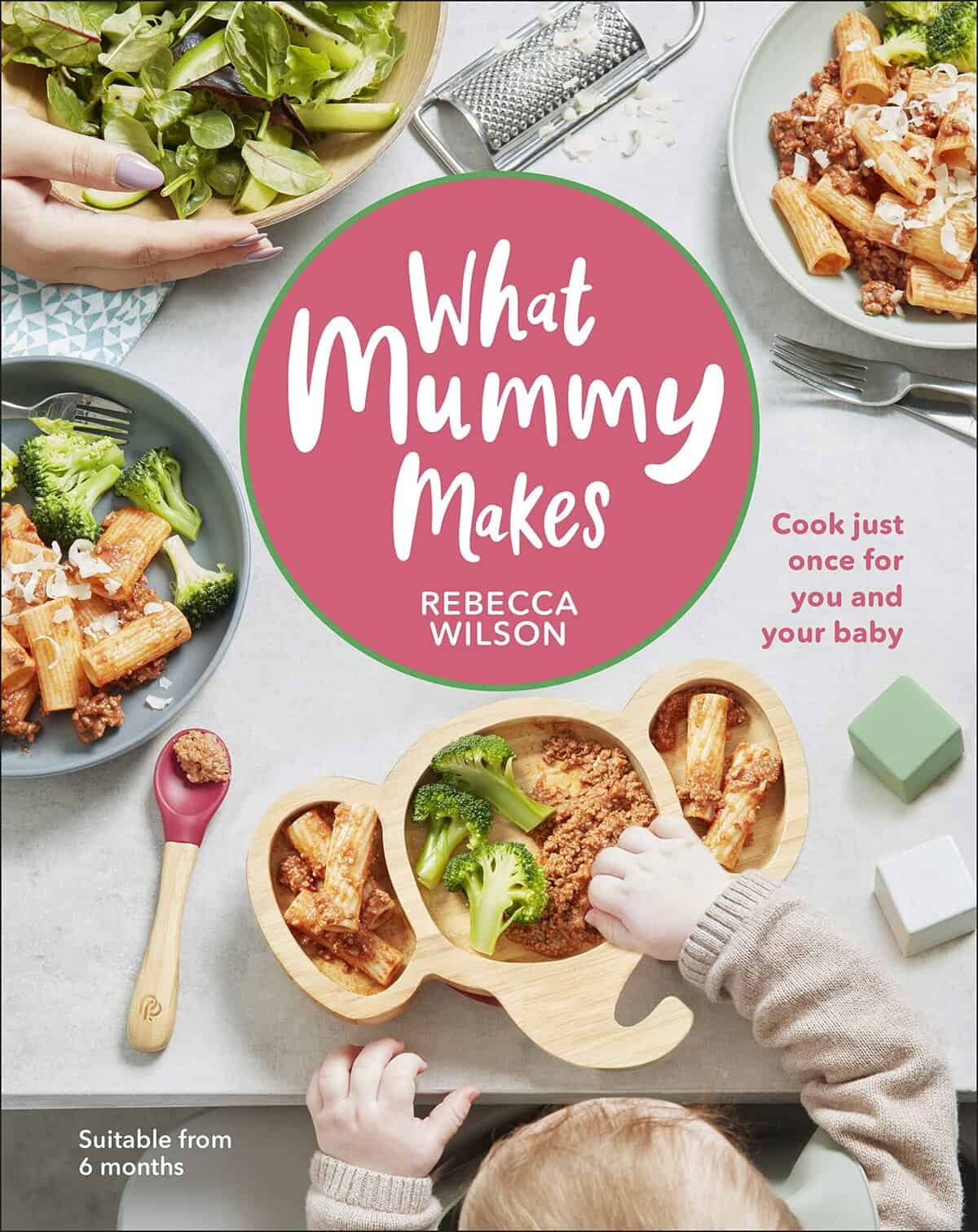
You’ll find this cookbook is made for the kind of days when you want something that actually fits into family life. Rebecca Wilson shows you how to prepare one meal that works for babies from about six months through the rest of the family — most recipes are ready in under 30 minutes and many include simple swaps for different ages and dietary needs. Practically, it’s great for weeknight dinners, batch-cooking for busy days, and when you want to get grandparents or carers on the same page with meals.
The book mixes photos, labels (veg, gluten-free, etc.), and tips on weaning so you can adapt texture and seasoning as your baby grows. If you’re tired of cooking three different plates at once, this one will make mealtimes feel a lot more manageable and — yes — more sociable.
What People Say
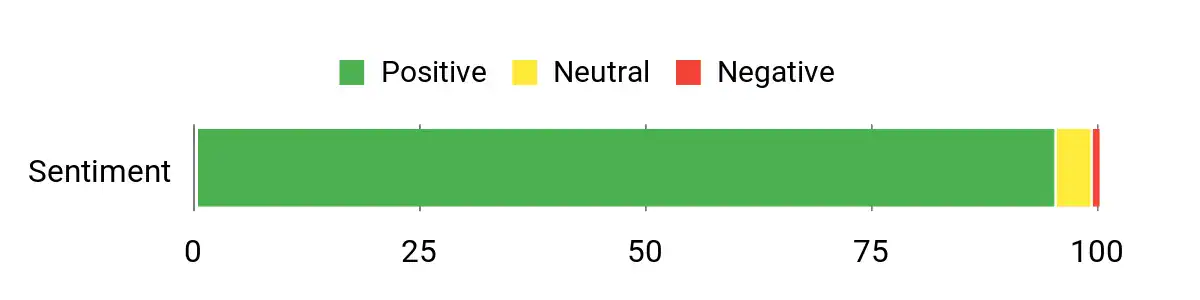
Readers often highlight how much time this approach saves and appreciate recipes that let the whole family eat together. Many praise the practical batch-cooking tips and the helpful labels for diet types, while photos and straightforward adaptations get frequent nods. A smaller group mentions a few recipes could use clearer instructions or gentler seasoning suggestions for very young babies, but overall people say it makes weaning and family meal planning easier.
Overall Sentiment: Positive
What You Learn
You’ll learn a practical weaning philosophy: teach by sharing family meals, adjust textures and seasoning for different ages, and plan simple swaps for allergies or preferences. The book also teaches batch-cooking techniques and how to make family-friendly meals that introduce new flavours without separate baby dishes.
Where It Works
Use it for busy weeknight dinners, cooking ahead for freezer-friendly portions, and family gatherings where you want one dish to please everyone. It’s also handy for introducing solids at daycare handovers or when relatives are caring for your baby and need straightforward recipes to follow.
Why You’ll Like It
- Cook one family meal that’s safe for baby and enjoyable for adults
- 130+ quick recipes, many ready in under 30 minutes
- Easy adaptations and diet labels (veg, gluten-free) to suit needs
- Batch-cooking tips to save time during busy weeks
- Clear approach to introducing solids by example at family mealtimes
Rating: 4.8 (total: 11565+)
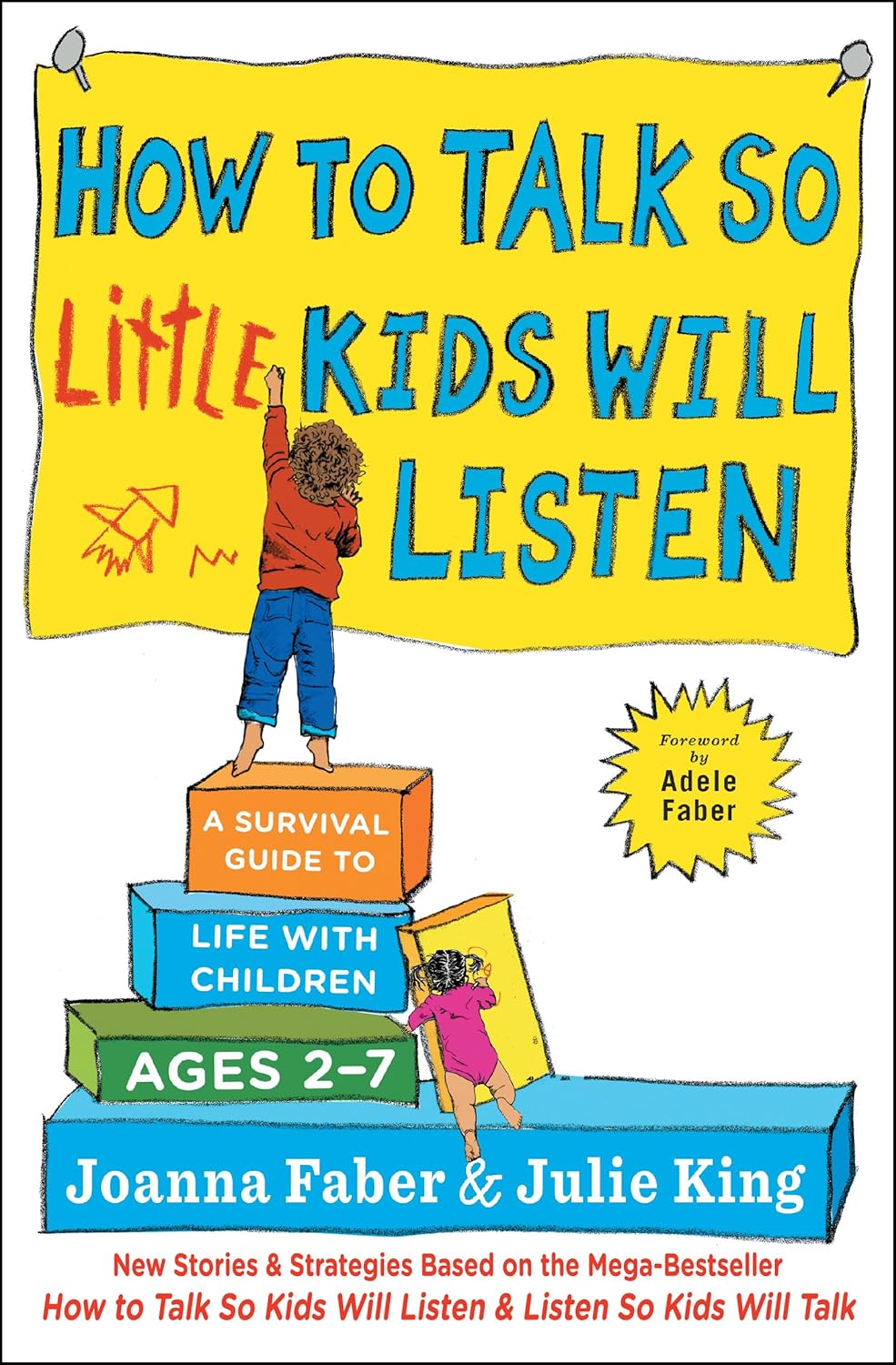
How to Talk So Little Kids Will Listen
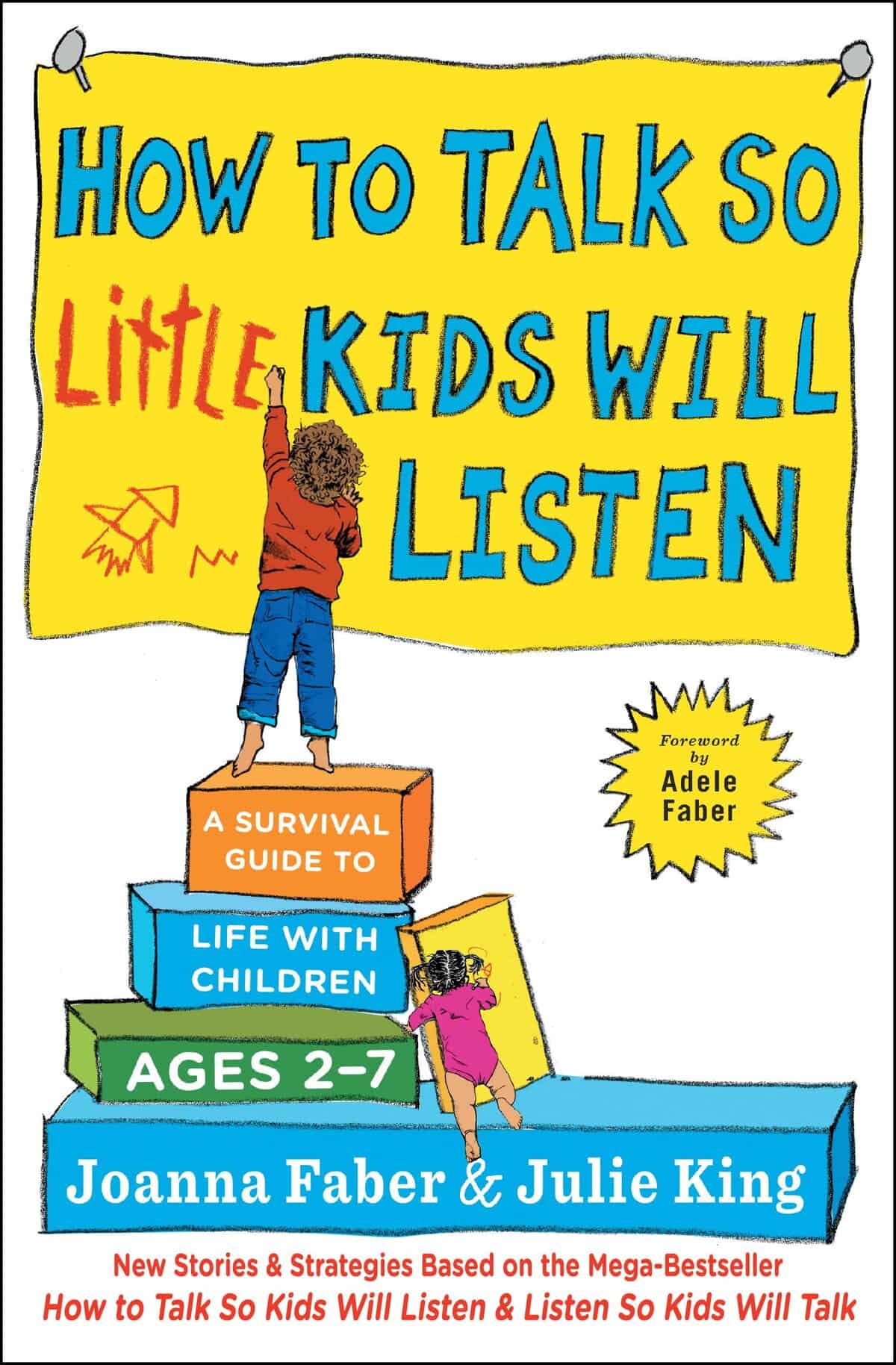
You’ll find this book reads like a sensible conversation with a calm coach — clear, warm and full of immediately usable techniques. Joanna Faber and Julie King organize the advice around everyday conflicts (toothbrushing, car-seat meltdowns, library behaviour), so when a situation pops up you can flip to an approach that actually fits.
The book mixes short explanations, cartoons, and real workshop examples, which makes the tools easy to picture and try out in the moment. Use it for ordinary days — bedtime battles, grocery runs, or mealtimes — and for trickier moments like outings, visits with grandparents, or when you need a quick de-escalation strategy.
If you want a toolkit that helps you connect with a restless toddler while still setting limits, this is a very practical pick you can start using right away.
What People Say
Readers commonly praise how practical and down-to-earth the strategies are, noting the book’s real-life examples and short scripts make it easy to try new responses right away. Many mention the empathetic tone — the authors validate both child and parent feelings — and appreciate the visual examples and workshop anecdotes.
A few commenters say parts feel familiar if you’ve read the original How to Talk books, but overall people report clearer, calmer interactions after applying the techniques.
Overall Sentiment: Positive
What You Learn
You’ll learn to name and reflect emotions, offer choices that reduce power struggles, and use playful distraction and fantasy to defuse tantrums. The book teaches concrete language patterns and step-by-step ways to set limits without shaming, plus guidance for children with sensory sensitivities or on the autism spectrum.
Where It Works
This works for daily routines (meals, sleep, car rides), quick public meltdowns (shops, playgrounds), and planned events like family visits or daycare transitions. It’s also useful for teachers, caregivers and anyone who wants to improve everyday communication with little kids.
Why You’ll Like It
- Concrete, scenario-based scripts you can use in real moments
- Focuses on empathy and connection instead of punishment
- Uses cartoons and workshop examples to make ideas memorable
- Addresses common challenges across ages 2–7, plus sensory/autism considerations
- Teaches techniques that often transfer to other relationships
Rating: 4.7 (total: 7891+)
No-Drama Discipline
You’ll find this book reads like a calm, wise friend who explains why kids act out and how your reactions shape their developing brains. Siegel and Bryson break discipline down into practical, step-by-step approaches that help you connect first, then guide — so meltdowns become chances to teach instead of scenes to punish. The chapters mix short explanations, playful illustrations and real-life examples, which makes the ideas easy to picture when a tantrum hits the grocery aisle or a bedtime routine goes sideways.
Use it for everyday moments — refusing to share, bedtime stalls, grocery-store tears — and for tougher transitions like daycare starts or visits with relatives. There’s also helpful guidance on setting consistent limits while repairing connection after conflicts, so kids learn emotional skills rather than just obey.
If you want discipline techniques that feel respectful, developmentally smart and actually usable in the moment, this is a steady, practical pick to keep on your shelf.
What People Say
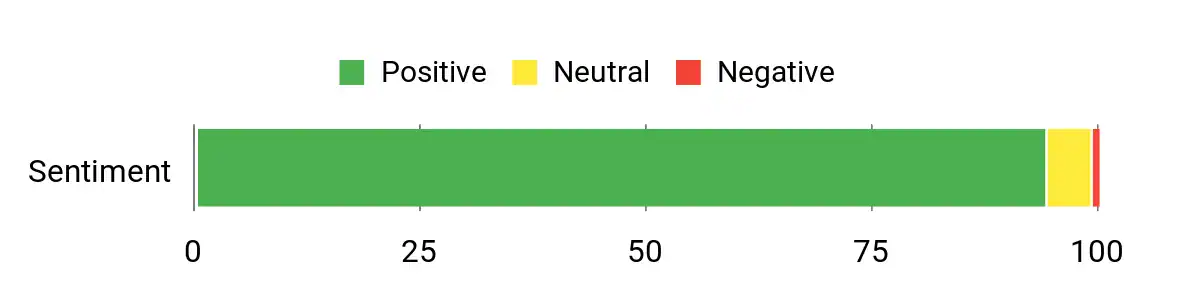
Readers frequently note how approachable and practical the book feels, saying the brain-based explanations make discipline less frustrating and more effective. Many parents appreciate the short examples and illustrations that make it easy to try a technique in real time, and several reviewers mention the usefulness of the repair-focused advice for restoring connection after fights.
A small number of buyers have commented on physical print quality, but most praise the content and its real-world applicability.
Overall Sentiment: Positive
What You Learn
You’ll learn how to identify the developmental reasons behind misbehavior, use connection-first language to calm strong emotions, and move from crisis to teaching moments with repair and problem-solving steps. The book also gives age-appropriate guidance on limits and practical scripts you can adapt for toddlers through school-age kids.
Where It Works
This works across everyday routines (mealtime, bedtime, errands), public meltdowns, and planned transitions (starting daycare, family visits). It’s also useful for co-parents, caregivers and educators who want consistent, brain-aware ways to manage behavior and teach emotional skills.
Why You’ll Like It
- Explains the neuroscience behind behavior so discipline makes sense
- Provides calm, connection-first strategies to de-escalate meltdowns
- Offers clear steps for setting limits while preserving the relationship
- Includes cartoons and real examples that make techniques easy to try
- Teaches repair and problem-solving so lessons stick beyond the moment
Rating: 4.7 (total: 5303+)
Beautiful Chaos
You’ll find Beautiful Chaos reads like a series of short, sharp snapshots that land exactly where parenthood feels messy and miraculous. Jessica Urlichs uses spare, evocative poems to map the ordinary moments — late-night feedings, toddler mayhem, quiet small victories — in a way that feels both intimate and universal.
Because the pieces are short, you can dip in between naps or read a few pages at bedtime; the book also works as something to pass along when you want a meaningful baby-shower or postpartum gift. Read it when you need to feel seen, when you want a gentle reminder that missing parts of yourself is part of adjusting, or when you want language to talk about the tender, confusing sides of being a parent. If you like books that are comforting rather than prescriptive, this one’s a thoughtful companion to keep on your shelf or bedside table.
What People Say
Readers commonly say the book makes them feel seen during both joyful and difficult moments of parenting. People often praise the emotional honesty, the ease of reading short poems between tasks, and how the writing can feel therapeutic during postpartum or transitional phases.
Many buyers also mention it’s a lovely, thoughtful gift for new parents.
Overall Sentiment: Positive

What You Learn
You’ll come away with clearer language for complicated feelings around motherhood and a quieter confidence that your mixed emotions are normal. The collection encourages reflection and can help you spot patterns in your reactions, providing gentle prompts for conversation or journaling rather than step-by-step advice.
Where It Works
This works as a quick pick-me-up during a busy day, a bedside book for slow evenings, or a thoughtful gift at baby showers and postpartum care packages. It’s easy to share lines with partners, friends, or support groups, and it fits both solo reading and small-group reflection.
Why You’ll Like It
- Short, resonant poems you can read in small moments
- Validates the emotional ups and downs of early parenthood
- Feels like a comforting companion rather than advice-driven
- Works well as a gift for new parents or a personal keepsake
- Language that helps you reflect on changing identity and love
Rating: 4.9 (total: 587+)
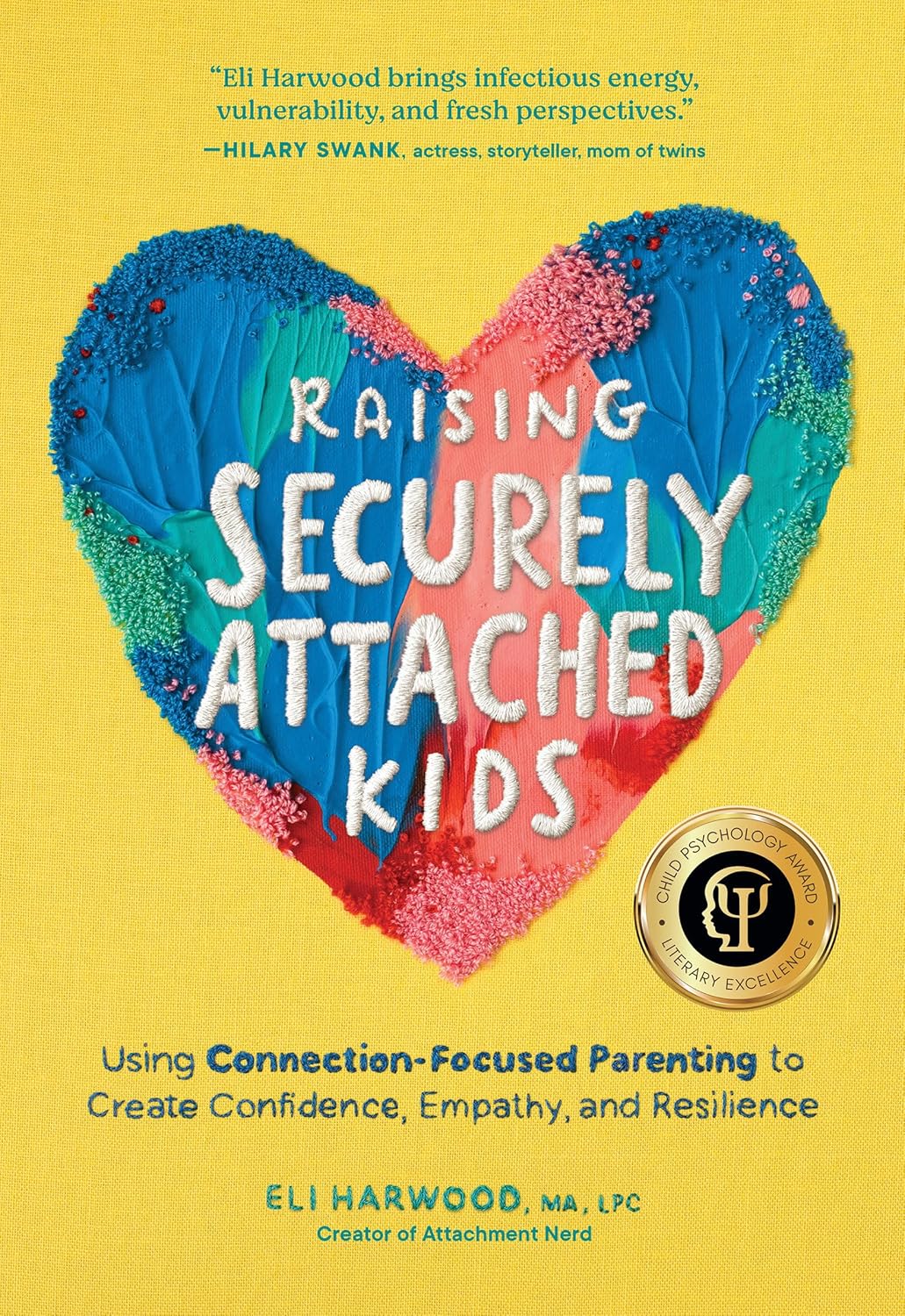
Raising Securely Attached Kids
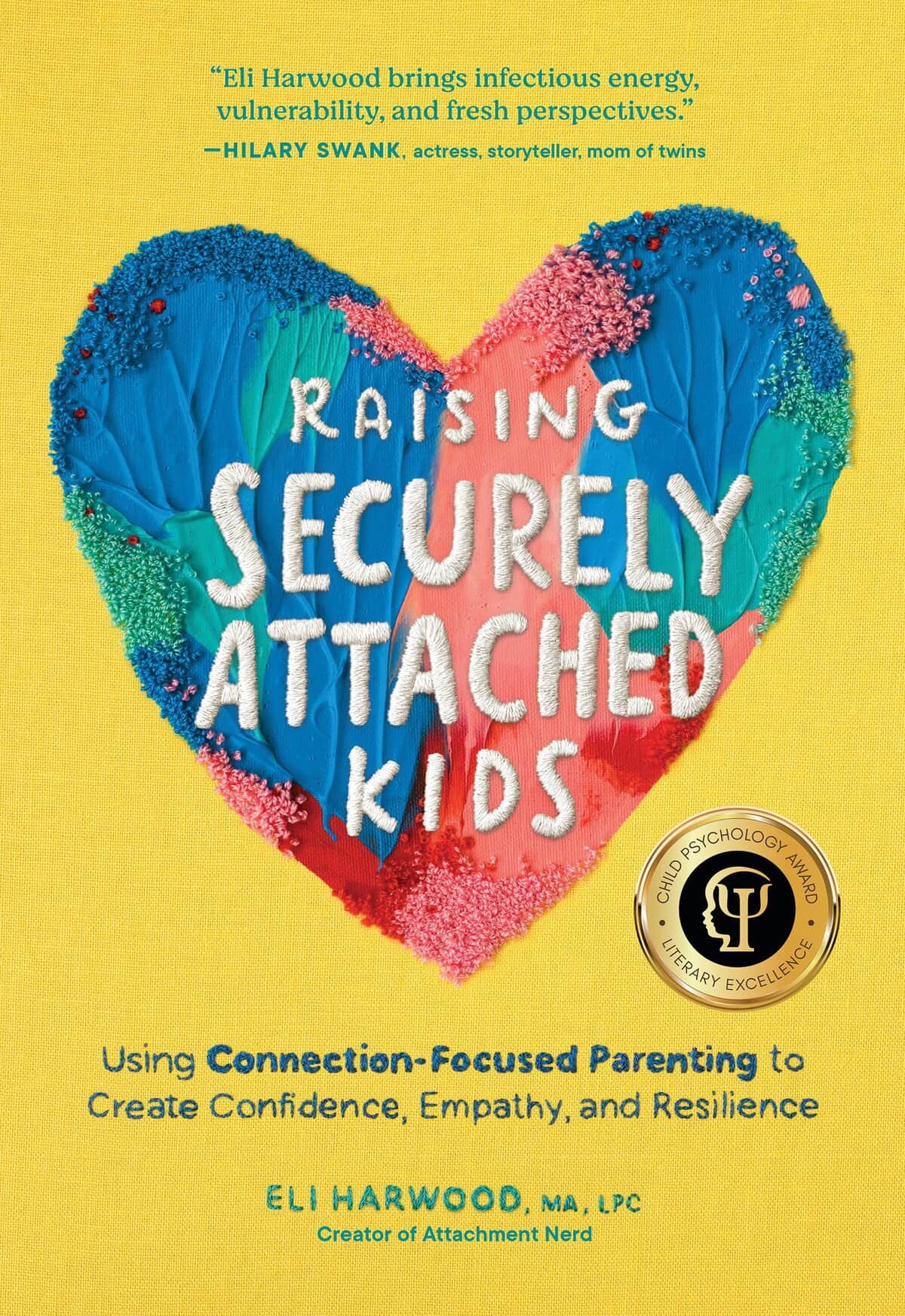
You’ll find a clear, science-backed roadmap that shows how small, everyday choices build lasting connection with your child. Eli Harwood writes in an approachable way so you can use strategies at bedtime, during meltdowns, or when you want to repair a rough patch — there are scripts and practical tools you can try right away. The book covers every stage from newborns to grown kids, so it works as a day-to-day parenting reference and as a resource for bigger moments like healing from past patterns or supporting a child through transitions.
If you want a warm, nonjudgmental guide that mixes research with usable steps, this is an easy one to turn to again and again.
What People Say
Readers frequently praise how accessible and down-to-earth the writing is, noting that the book turns attachment research into clear, everyday actions. Many mention the helpful scripts and examples, the gentle, non-shaming tone, and how useful it is across different child ages.
Parents also highlight that it feels both practical for routine moments and meaningful when working through deeper family patterns.
Overall Sentiment: Positive

What You Learn
You’ll come away with a better grasp of attachment science and concrete ways to strengthen trust and communication with your child. The book helps you spot triggers from your own past, practice repair after conflict, and build consistent habits that support resilience and empathy over time.
Where It Works
This works as a daily handbook for naps, naps-to-bedtime routines, and emotional meltdowns, and it’s sturdy enough to be a reference for therapy, parenting groups, or gift-giving at showers. Use snippets as conversation starters with partners or caregivers, or keep it on the shelf to revisit when a new phase challenges you.
Why You’ll Like It
- Practical, science-based strategies you can use immediately
- Scripts and tools for connecting during tantrums, bedtime, and tough conversations
- Helps you recognize and move past unhelpful patterns from your own upbringing
- Applies across ages — newborns through teens and even adult relationships
- Warm, nonjudgmental tone that makes advice feel doable rather than prescriptive
Rating: 4.9 (total: 248+)
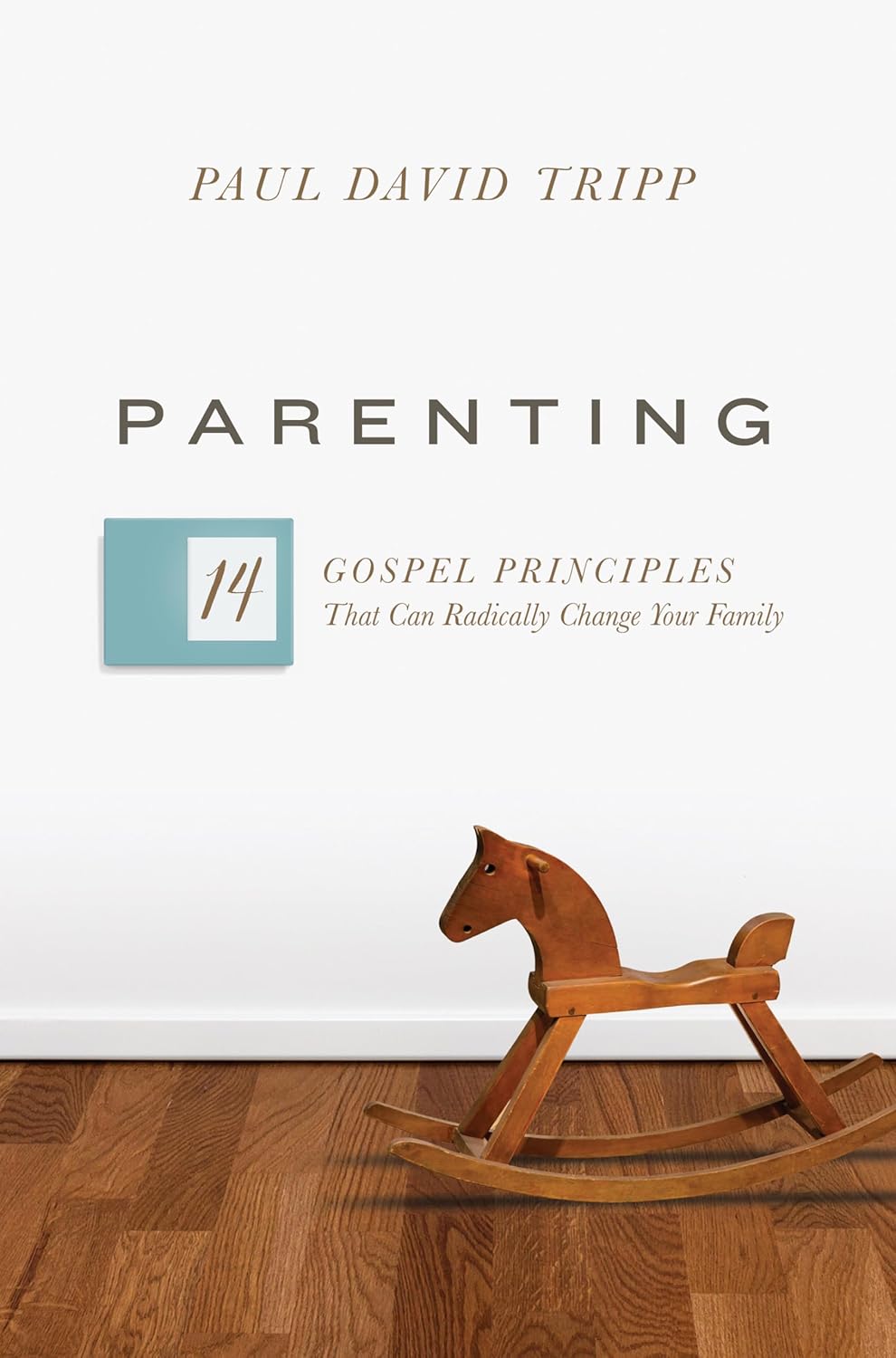
Parenting: 14 Gospel Principles
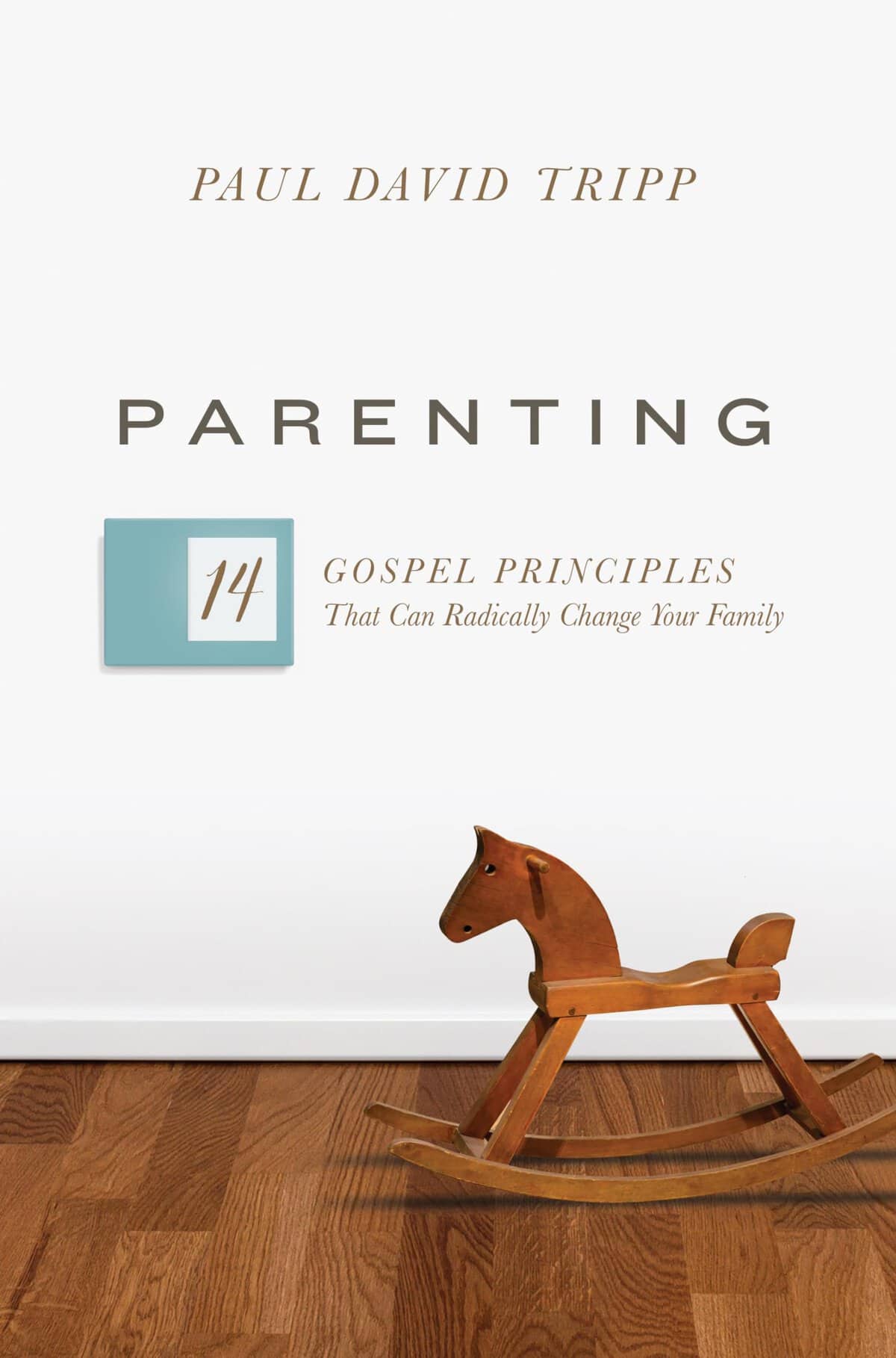
You’ll find 14 short, principle-driven chapters that point parenting back to grace rather than perfection. Tripp writes like someone sitting across from you — clear, pastoral, and full of real-life examples — and each chapter ends with study questions so you can reflect alone or work through the ideas with your partner or a group.
Use it day to day to reframe meltdowns, discipline moments, and ordinary routines so they become opportunities for teaching and connection. For bigger moments — family transitions, difficult conversations about character, or leading a home devotional — the book gives a steady, biblical framework you can return to again and again.
If you want a faith-rooted, practical guide that nudges your day-to-day choices toward long-term gospel formation, this is an easy one to tuck on your shelf.
What People Say
You’ll notice readers often mention how the book makes big ideas feel usable, highlighting the clear writing and practical study questions. Many say the grace-focused approach helped them rethink discipline and daily interactions, and that the examples make it easy to apply the principles at home or in a parenting group.
Overall Sentiment: Positive

What You Learn
You’ll come away with a clearer framework for thinking about parenting through the lens of grace: why small, repeated responses matter, how to treat discipline as teaching, and ways to model gospel truths in everyday moments. The study questions help you turn insights into concrete changes in how you talk and act with your child.
Where It Works
This is handy on the kitchen counter for bedtime or meltdown moments, useful for weekly family or couple discussions, and makes a thoughtful book-group pick. Keep it for quiet reflection, use passages as conversation starters with caregivers, or pull it out when your family faces a transition and you need a steady, faith-based perspective.
Why You’ll Like It
- Gospel-centered perspective that reframes ordinary parenting moments
- Short, focused principles you can apply immediately
- Study questions that turn reading into real conversation and reflection
- Pastoral, approachable tone that doesn’t shame or overwhelm
- Useful both for private reflection and small-group discussion
Rating: 4.9 (total: 2565+)
Punishment-Free Parenting
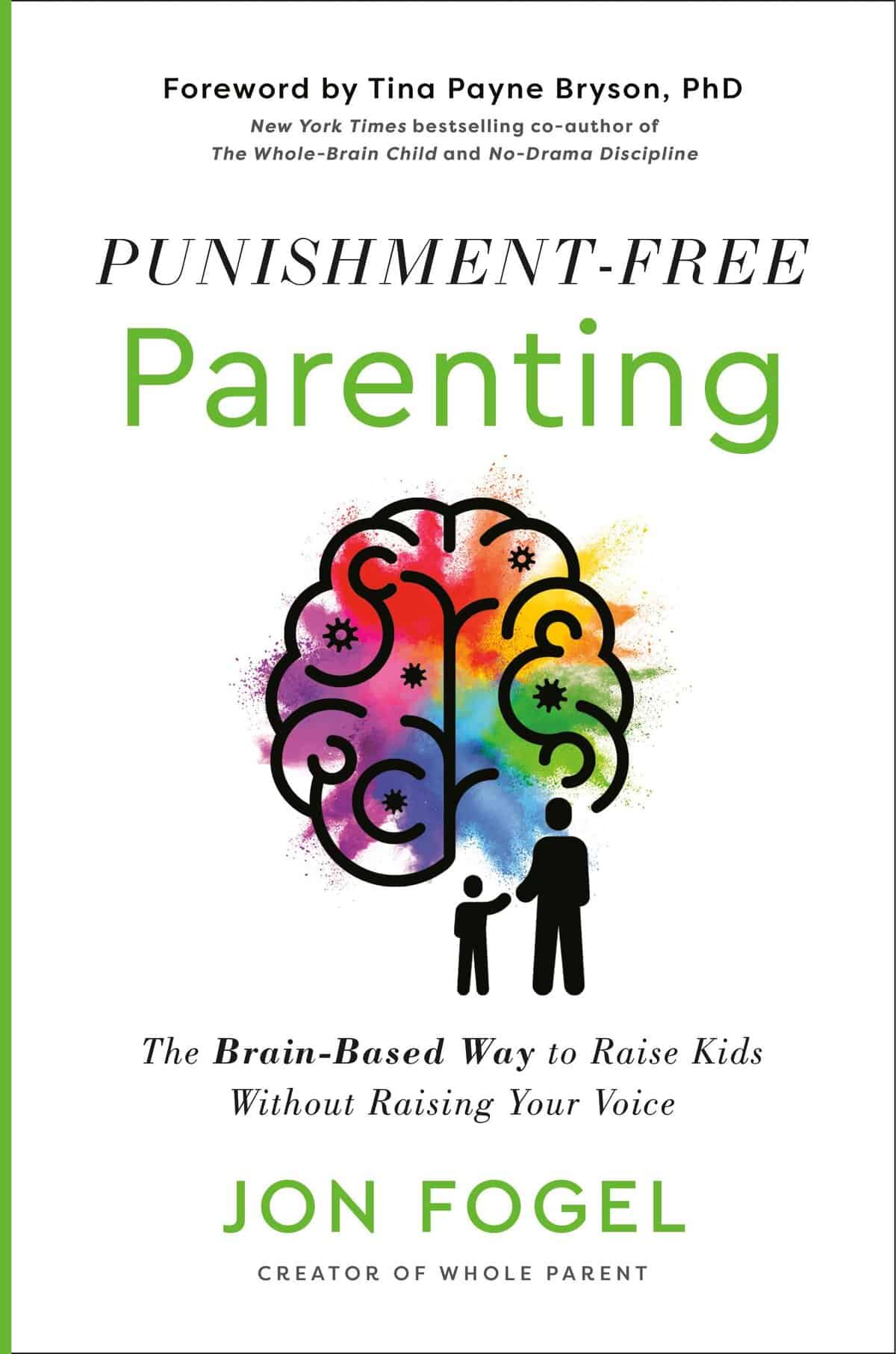
You get a friendly, science-informed roadmap for steering away from threats and punishments and toward connection. Fogel writes like a parent who’s been there — clear stories, simple explanations of how a child’s brain works, and concrete steps to help you name emotions, calm your own triggers, and repair when things go sideways.
Use it day to day for tantrums, bedtime battles, and teaching moments, and bring it out for bigger transitions like potty training, starting school, or tricky conversations. It’s practical enough to try tonight and sturdy enough to return to when you want a steadier way to parent.
What People Say
Readers frequently note how readable and practical the book is — many say the brain-focused explanations finally make sense of common meltdowns and power struggles. People often praise the concrete techniques (things like mirroring and repair) and how quickly they can apply them at home.
Many also mention the author’s approachable tone, which makes the ideas feel doable rather than overwhelming.
Overall Sentiment: Positive

What You Learn
You’ll learn why punishment often backfires, how a child’s brain drives behaviour, and how to name feelings and de-escalate effectively. The book teaches strategies for parental self-regulation, steps for repairing after a rupture, and ways to turn discipline into teaching moments.
Where It Works
Keep it on the nightstand for meltdown survival, use chapters as quick refreshers before stressful days, or bring it to a parent group or counseling session. It works for everyday routines, milestone transitions, and as a companion to professional guidance when you want to shift family patterns.
Why You’ll Like It
- Clear, brain-based explanations that make behaviour easier to understand
- Focus on regulating your own emotions before responding
- Hands-on strategies and phrases you can use immediately
- Relatable stories that make the ideas stick
- Research-backed approach without being clinical or heavy
Rating: 4.9 (total: 171+)
Raising Mentally Strong Kids
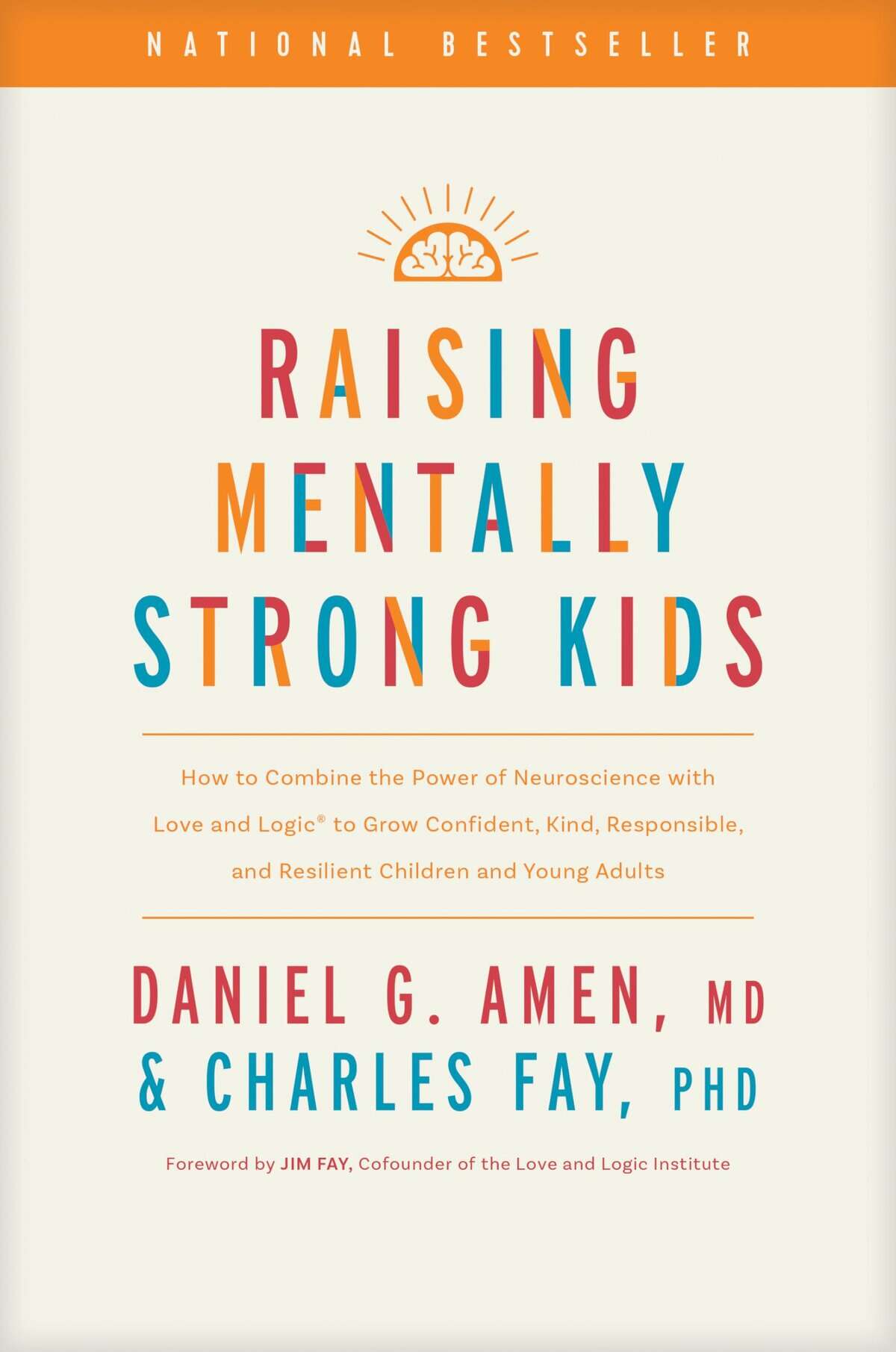
You get a clear, friendly roadmap that blends brain science with down-to-earth parenting advice. The authors explain how addressing both the brain and the mind helps with everything from daily meltdowns to bigger behavior patterns, and they offer concrete steps you can try tonight — phrasing, routines, and repair strategies that actually fit into busy family life.
Use it for small things like tantrum recovery and homework focus, and pull it out for tougher transitions like starting school, family splits, or when a child is struggling emotionally. If you want a practical, readable book that helps you think differently about why kids act the way they do, this one’s worth a spot on your shelf.
What People Say
Readers often highlight how readable and action-oriented the book is, noting that the neuroscience bits actually help explain everyday behavior. Many parents appreciate the specific scripts and step-by-step techniques they can use right away, and people frequently mention the book’s warm, non-judgmental voice that makes tricky ideas feel manageable.
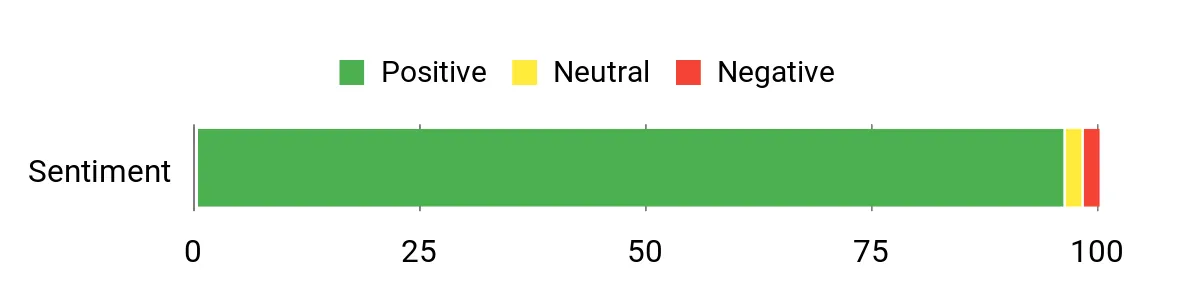
Overall Sentiment: Positive
What You Learn
You’ll learn how brain function and mindset interact to shape behaviour, concrete steps for de-escalation and repair, and strategies to foster long-term resilience and emotional health.
Where It Works
Keep it by the bed for quick refreshers before stressful days, use chapters as a reference during milestone changes, or bring it to parenting groups and therapy sessions as a shared language for family work.
Why You’ll Like It
- Combines neuroscience with practical parenting strategies
- Clear tools for handling defiance, meltdowns, and power struggles
- Focus on building resilience, confidence, and kindness
- Helps improve focus, decision-making, and relationships
- Written in an accessible, parent-friendly tone
Rating: 4.8 (total: 818+)
Being There
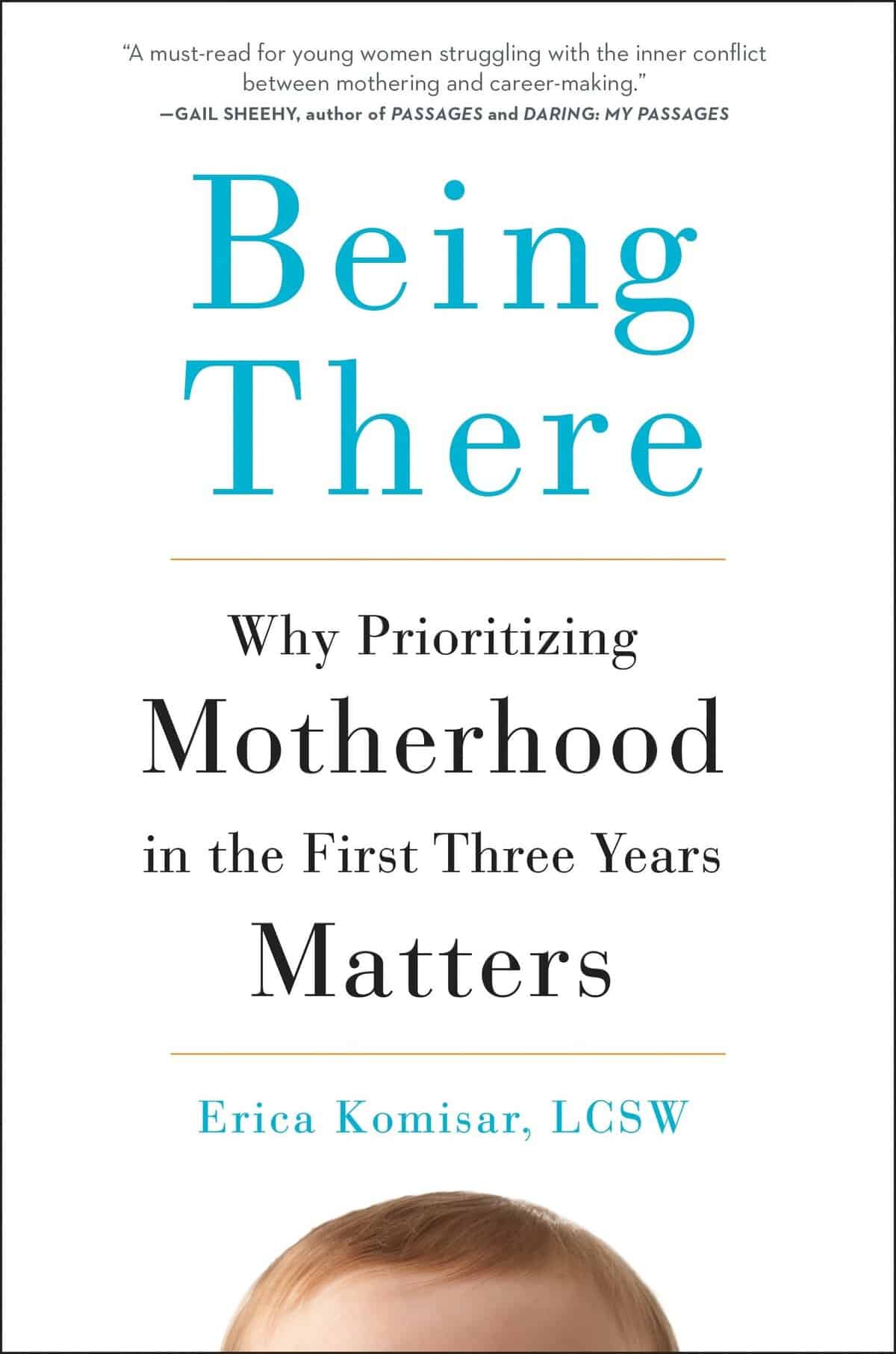
You’ll find a compassionate, research-backed case for why being emotionally present in those first three years matters. Erica Komisar blends clinical stories, attachment research, and practical tactics so you can actually use the ideas — from small daily moves like how you play and repair missteps, to bigger choices like selecting childcare or planning a return to work.
Use it for everyday moments (soothing, routines, play) and for milestone decisions (maternity leave, transitions, training caregivers). It’s honest and sometimes challenging, but if you want a clear, thoughtful guide that helps you prioritize emotional connection without unnecessary jargon, this one’s worth reading.
What People Say
Readers often praise how the book translates research into everyday actions you can try with your baby, highlighting the practical play, attunement, and repair strategies. Many note the author’s compassionate voice and real-world examples make tough topics — like returning to work or spotting postpartum struggles — feel easier to navigate, though some find the message challenging when balancing career demands.
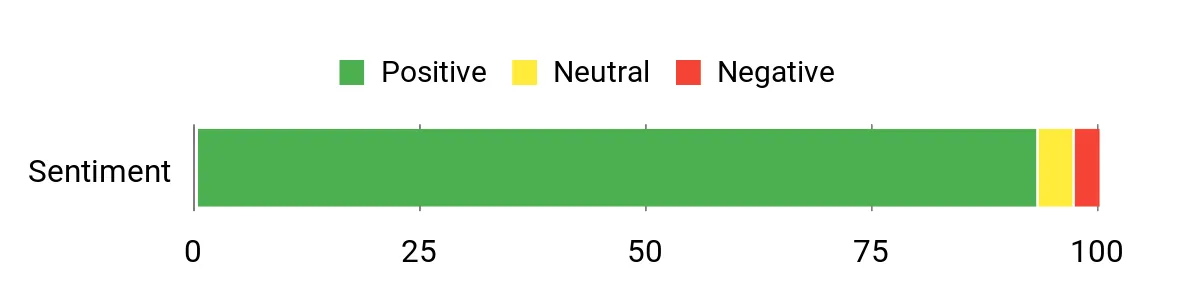
Overall Sentiment: Positive
What You Learn
You’ll learn the science behind attachment, how small moments of attunement shape development, step-by-step ways to soothe and reconnect, and concrete questions to ask when evaluating childcare or planning a leave.
Where It Works
Keep it on your shelf for quick refreshers before a big transition, read chapters relevant to sleep or feeding routines, use it when interviewing caregivers, or share sections with partners and family to create a common approach.
Why You’ll Like It
- Clear case for the importance of early maternal presence
- Mixes clinical experience with current attachment and brain research
- Practical tips for everyday engagement, transitions, and repair
- Guidance on choosing and training quality childcare
- Addresses emotional challenges like postpartum depression and boredom
Rating: 4.7 (total: 257+)
FAQ
How Do You Pick Which Of The 12 Must-Read Parenting Books To Read First?
Start by matching your immediate need to a book’s focus: if you want gentle infant care and environment ideas, reach for The Montessori Baby; if you want brain‑based strategies for emotions and discipline, try The Whole-Brain Child or No‑Drama Discipline; if you want to examine how your own upbringing shapes your parenting, The Book You Wish Your Parents Had Read is a great place to start. Check the book’s publication date and edition so you get the latest research or updated examples, glance at the table of contents to see whether a book is practical or more philosophical, and preview a chapter or the audiobook sample so you know the tone suits you.
Choose one to read through and keep others as references rather than trying to read all 12 at once — one small change is easier to test and keep than a shelf full of good intentions.
Are The Strategies In These 2025 Parenting Books Backed By Research And Safe To Use?
Many titles on the 2025 list are grounded in current child development and attachment science — look for signals like citations, author credentials in psychology, pediatrics or education, and clear explanations of why a strategy works; books such as Raising Securely Attached Kids and Punishment‑Free Parenting explicitly reference attachment and neuroscience. That said, no single book fits every family, so treat advice as evidence-informed guidance rather than rigid rules: combine what aligns with your values and your child’s temperament, consult your pediatrician or a child development professional for medical or behavioral concerns, and pause any approach that consistently increases stress or risk for your child or household.
You’re Exhausted — How Do You Actually Use These Books When You Have No Time?
Use the books as practical toolkits, not to-do lists. Pick one book and identify two actionable tips you can try this week — for example, a simple Montessori change to your baby’s sleep environment or a connect then redirect line from The Whole-Brain Child — and practice them for a few days to see what works.
Use audiobook or short chapter formats during walks or chores, keep sticky notes of the most useful phrases for partners or caregivers, and create a single-page cheat sheet of go-to responses so you don’t have to reread chapters in moments of stress. Remember that consistency and small habits matter more than perfection; if something isn’t helping, switch tactics or seek support from a parenting group or professional.
What Parents Prefer
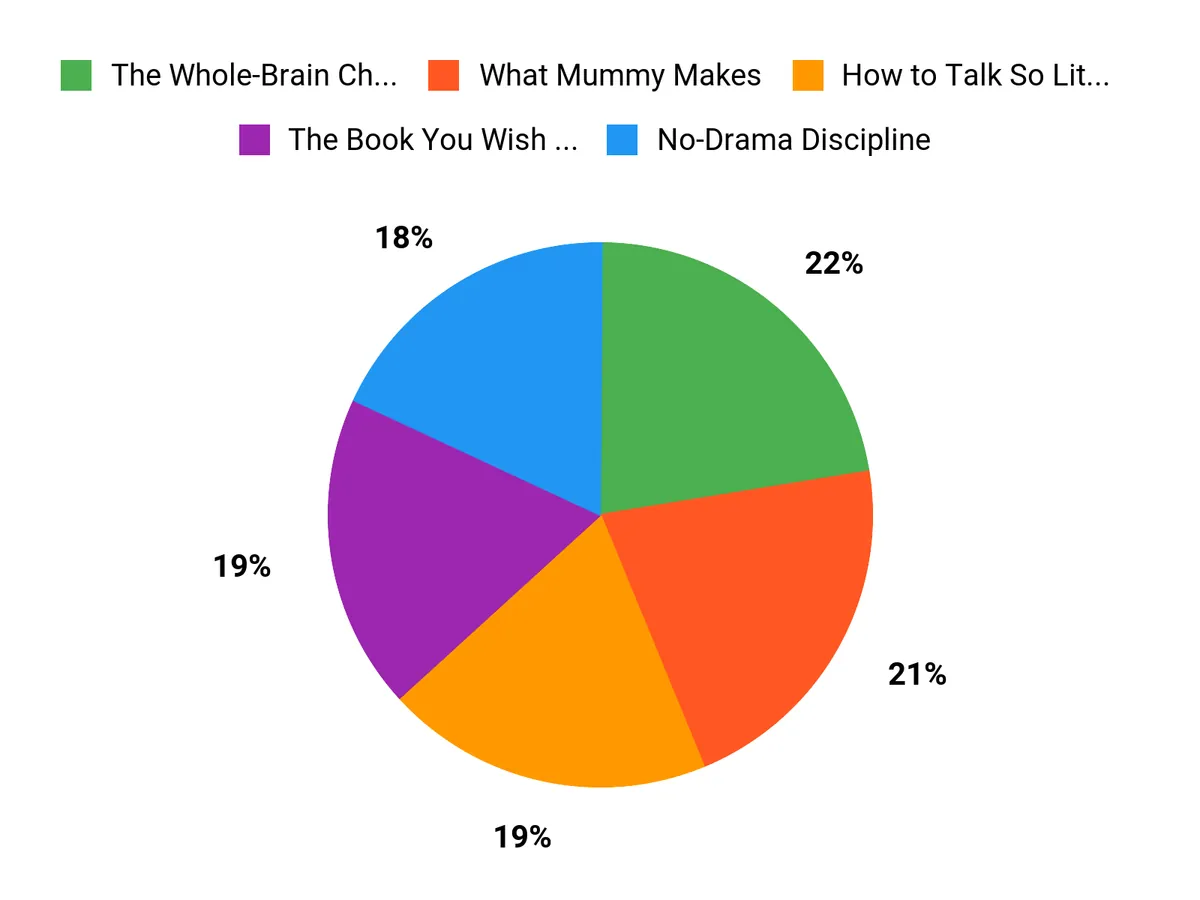
You usually pick based on what kind of help you want most: hands-on, development-focused activities and independence-building from The Montessori Baby, generational healing and relationship-focused insight from The Book You Wish Your Parents Had Read, or concrete, brain-based strategies for emotional regulation from The Whole-Brain Child. Ease of implementation, age-appropriateness, and how well the book fits your parenting values—more structure versus more connection, and whether you prefer practical exercises or research-backed explanations—are the things you prioritize.
Wrapping Up
These 12 books each offer a different lens on early parenting so you can pick what helps you most: whether you want practical routines, communication tools, brain-based strategies, or emotional support. Use this list to find a book that matches your current challenge and schedule — read one chapter, try a technique, and see what works for your family.
Trust your instincts and let these resources support you as you build connection and confidence with your child.






This Roundup is reader-supported. When you click through links we may earn a referral commission on qualifying purchases.