
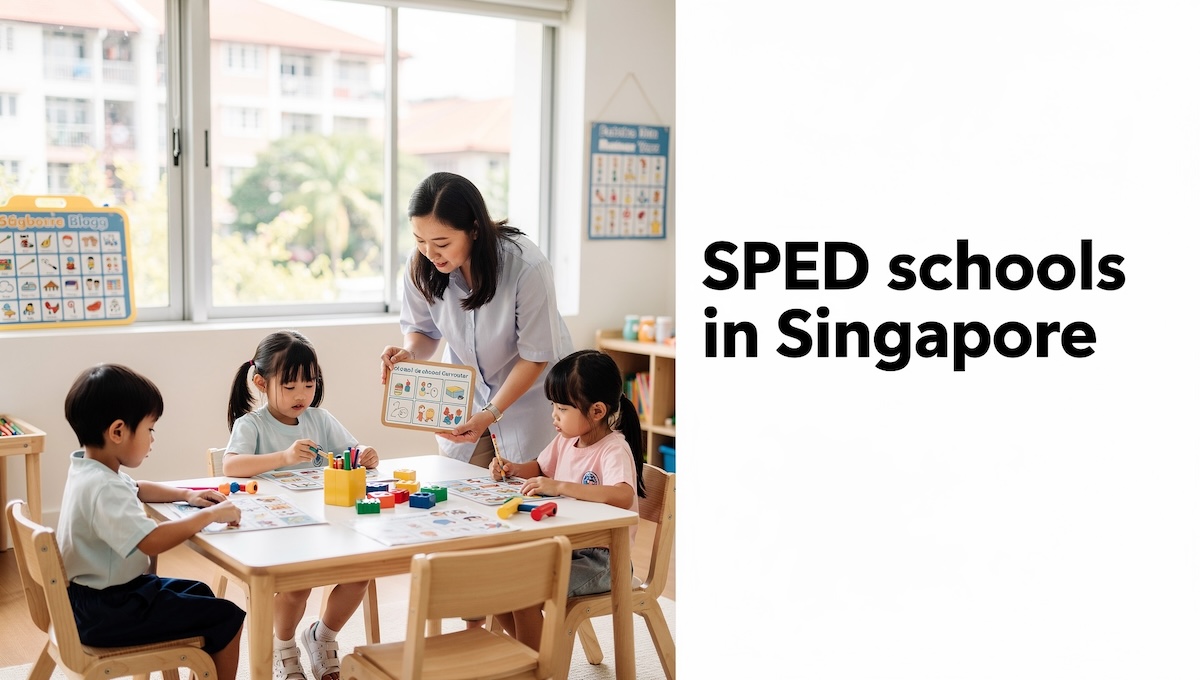
Finding the right educational environment for a child with special educational needs can feel overwhelming for parents. Singapore’s comprehensive network of special education schools offers specialized support for children with diverse learning requirements, from early intervention through vocational training. This complete guide explores everything parents need to know about sped schools in singapore, helping families make informed decisions about their child’s education.
Singapore has developed one of the world’s most comprehensive special education systems, serving children with moderate-to-severe disabilities who require more intensive support than mainstream schools can provide. Whether your child has been diagnosed with autism spectrum disorder, intellectual disability, or multiple disabilities, understanding the available options is the first step toward securing the best possible educational outcome.
Understanding SPED Schools in Singapore
Special education schools in Singapore serve children with moderate-to-severe disabilities who require intensive educational support beyond what mainstream schools can offer. The country operates 20 government funded sped school facilities managed by Social Service Agencies (SSAs) and funded directly by the Ministry of Education (MOE). These institutions represent a crucial component of Singapore’s educational infrastructure, designed specifically for students whose needs cannot be adequately addressed in inclusive classroom settings.

SPED schools cater to students from approximately age 7 to 18-21 years, following specialized curricula tailored to different disability groups. Unlike mainstream schools that follow the national curriculum, these institutions employ outcomes-based functional curricula focused on building essential skills for independent living. Each student receives an individualised education plan (IEP) that serves as a customized learning roadmap addressing their specific needs and capacities.
All SPED schools are MOE-registered and provide comprehensive educational programmes for students with autism spectrum disorder asd, intellectual disabilities, multiple disabilities, and sensory impairments. The schools integrate co-curricular activities, therapy services, assistive technology, and citizenship education to create holistic learning experiences that prepare students for community integration and adult life.
The governance structure involves collaboration between the Ministry of Education, the National Council for Social Services (NCSS), and SG Enable, which administers disability programmes and coordinates services across different life stages. This multi-agency approach ensures continuity of support from early childhood through adult transitions.
Types of SPED Schools by Age Group
Early Intervention Centres
Early intervention centres serve children aged 0-6 years who are at risk of developmental delays or have been diagnosed with disabilities. These centers focus on preventing secondary disabilities through comprehensive early intervention programmes that address communication, motor development, and social interaction skills. The early intervention approach recognizes that timely support during critical developmental periods can significantly improve long-term outcomes for children with special educational needs.
Notable early intervention centres include rainbow centre and The Early Intervention Centre (EIC), which provide specialized services for infants and young children. These facilities offer the Early Intervention Programme for Infants and Children (EIPIC), operating through 21 centers managed by 10 social service agencies across Singapore. Many children in EIPIC programs concurrently attend preschools in inclusive settings, demonstrating the integration of specialized and mainstream early education.
The centers employ multidisciplinary teams including occupational therapists, speech therapists, physiotherapists, and special education teachers who work together to address each child’s developmental needs. Parents receive training and support to continue therapeutic interventions at home, ensuring consistent progress across all environments where the child spends time.
Special Needs Preschools
Special needs preschools cater to children aged 18 months to 7 years with special educational needs, bridging the gap between early intervention and formal SPED schooling. These institutions focus on school readiness skills, independence in daily living, and academic preparation tailored to each child’s learning profile. The preschool environment provides structured learning while maintaining the developmental approach crucial for young children.
Examples include Nurture Pods, KidsFirst School, and Bright Path Preschool, which offer specialized programming for children with various developmental needs. These schools cater to children who require more intensive support than mainstream preschools can provide while preparing them for transition to formal education settings.
The curriculum emphasizes building foundation skills in communication, social interaction, and basic academic concepts through play-based learning and structured activities. Staff maintain low child-to-teacher ratios to ensure individualized attention and support for each child’s unique learning style and pace.
SPED Schools (Primary and Secondary)
Primary and secondary special education sped schools serve students aged 7-18/21 with established special education needs who require comprehensive educational support. These institutions include well-known schools like pathlight school, metta school, eden school, and awwa school, each specializing in different disability categories and educational approaches.
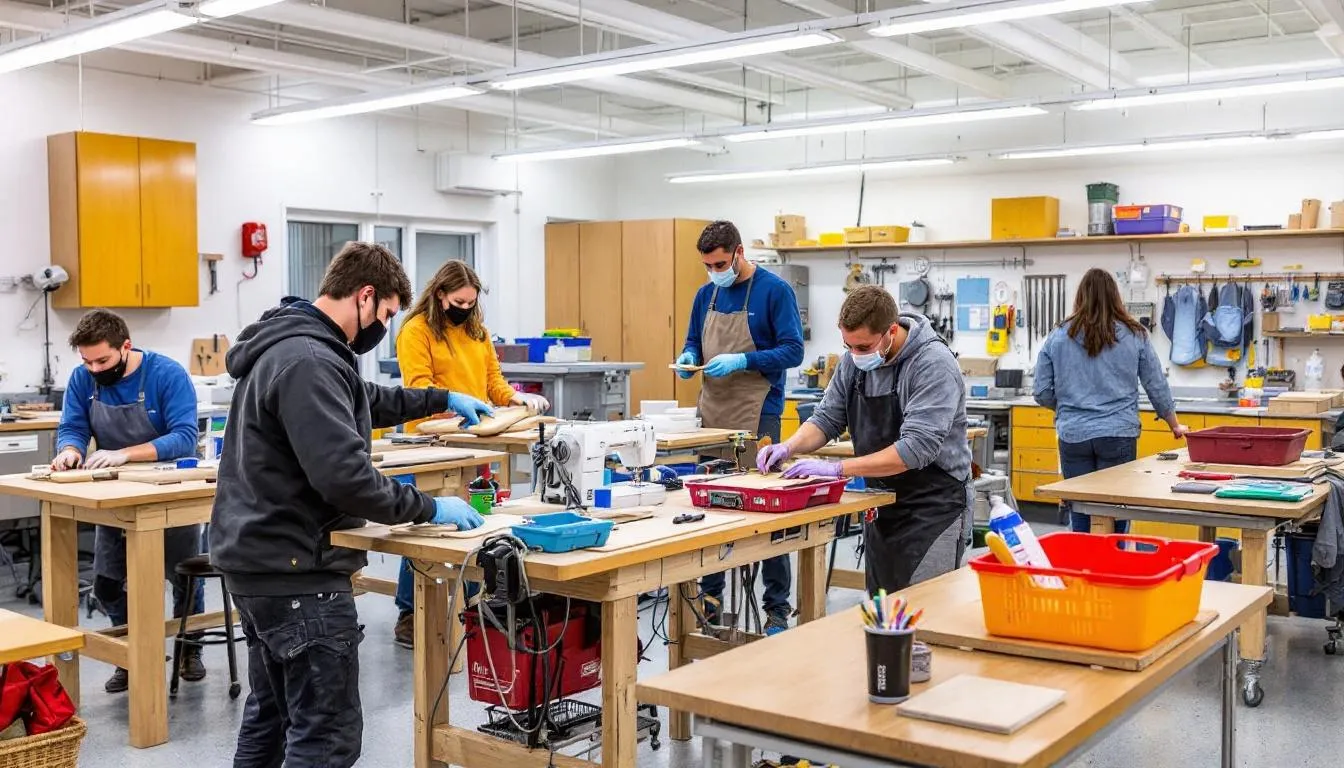
These schools provide comprehensive education combining academics, life skills, and vocational training following the MOE SPED Curriculum Framework while maintaining flexibility for individual student needs. The curriculum focuses on six core domains: daily living, social emotional learning, language and communication, numeracy, physical development, and vocational development.
Students receive intensive support through small class sizes, typically maintaining student-to-teacher ratios between 1:4 and 1:8. This allows for individualized instruction and frequent monitoring of student progress. Many schools offer both junior programme and senior programme tracks, with the senior programme focusing more heavily on vocational skills and transition planning for adult life.
SPED Schools by Disability Category
Autism Spectrum Disorder (ASD)
Several sped schools in singapore specialize in serving students with autism spectrum disorder, offering tailored approaches based on the specific needs and abilities of children on the autism spectrum. These schools recognize that students with ASD have diverse learning profiles requiring different levels of support and educational approaches.
Pathlight school stands as Singapore’s first autism-focused school, serving students who can access mainstream academic curriculum with appropriate support modifications. The school emphasizes developing cognitive skills while addressing the social and behavioral challenges often associated with autism spectrum disorder. Students follow adapted versions of mainstream curricula while receiving specialized support for executive functioning, social skills, and sensory processing needs.
Eden school serves children aged 7-18 on the autism spectrum with a focus on life skills and social interaction development. The school’s approach emphasizes practical skills for daily living and community integration, recognizing that many students with ASD benefit from structured, predictable learning environments.
Maitri school caters to students with moderate to severe ASD, emphasizing communication and daily living skills development. The customised curriculum addresses the intensive support needs of students who require significant assistance with basic life skills and communication.
Andrew’s autism school (SAAS) provides comprehensive developmental curriculum with multidisciplinary therapy support, integrating educational and therapeutic interventions to address the complex needs of students with autism spectrum disorder asd.
Intellectual Disabilities
Schools serving students with intellectual disabilities offer specialized programming based on the degree of cognitive impairment and associated support needs. These institutions focus on developing functional skills that enable students to achieve maximum independence in adult life.
Metta school serves ages 7-21 with mild intellectual disability and/or autism spectrum disorder, offering both academic and vocational programming. The school’s holistic curriculum includes academic subjects adapted for students with intellectual disabilities, along with comprehensive life skills training and vocational preparation.
APSN Chaoyang School functions as a primary school for children aged 7-12 with mild intellectual disability (IQ 50-70). The school focuses on building foundation skills in literacy, numeracy, and social functioning while preparing students for transition to secondary special education settings.
MINDS Lee Kong Chian Garden School and MINDS Towner Gardens School provide holistic education for students with intellectual disabilities, emphasizing practical skills development and community integration. These schools offer comprehensive programming that addresses academic, social, and vocational needs.
Grace orchard school supports students with moderate to severe intellectual disability, focusing on essential skills development and fostering independence within each student’s capabilities. The school recognizes that students with more significant intellectual disabilities require intensive, individualized support to achieve meaningful learning outcomes.
Multiple Disabilities and Sensory Impairments
Students with multiple disabilities require comprehensive support addressing various developmental and physical needs simultaneously. These schools provide specialized equipment, barrier-free access, and assistive technologies for physical and sensory needs while delivering curriculum adapted for students requiring intensive support across multiple developmental areas.
AWWA school serves children aged 7-18 with multiple disabilities including autism, providing services across two campus locations in ang mo kio and Jurong. The school addresses complex needs through individualized programming that accommodates various disability combinations and severity levels.

Rainbow centre provides comprehensive services for children with various disabilities including cerebral palsy and multiple disabilities. The center’s approach integrates therapeutic interventions with educational programming to address the complex needs of students with significant physical and cognitive challenges.
Schools serving students with sensory impairments, including visual and hearing loss, provide specialized resources and specially trained teachers. Some students with moderate-to-profound visual impairment and hearing loss receive support within seven designated mainstream schools rather than exclusively within SPED settings, reflecting a more integrated approach for certain sensory impairments.
Key Features of Quality SPED Schools
Individualized Education Plans (IEPs)
All sped schools must provide customized individual education plan documents developed collaboratively with parents and multidisciplinary teams. These comprehensive plans serve as roadmaps for each student’s educational journey, addressing academic, social, behavioral, and life skills development based on individual student needs and capabilities.
The IEP development process involves thorough assessment of the student’s current abilities, identification of learning goals, and specification of support services required. Regular reviews and adaptations ensure ongoing progress monitoring and goal adjustment as students develop and their needs change. This dynamic approach recognizes that students with special educational needs often progress at different rates and may require modifications to their programming over time.
IEPs include transition goals for post-school pathways including employment and community integration. This forward-thinking approach ensures that educational programming connects to real-world outcomes and prepares students for successful adult lives. Transition planning typically begins several years before graduation, involving collaboration with vocational agencies, employers, and community organizations.
Small Class Sizes and Specialized Support
Quality sped schools maintain low student-to-teacher ratios, typically ranging from 1:4 to 1:8, enabling intensive support and individualized instruction. These small class sizes ensure that each student receives adequate attention and that teachers can quickly identify and address learning challenges or behavioral needs as they arise.
Multidisciplinary teams include special education teachers, therapists, psychologists, and social workers who collaborate to address the diverse needs of students with special educational requirements. This team approach recognizes that children with disabilities often require support across multiple domains, including academic, therapeutic, social, and behavioral interventions.
Specialized facilities include sensory rooms, therapy spaces, vocational training areas, and hydrotherapy pools designed to support various therapeutic and educational interventions. Schools use evidence-based teaching methods and assistive technology to maximize learning outcomes for students with different learning profiles and support needs.
The integration of therapy singapore services within educational programming ensures that students receive necessary interventions without disrupting their learning schedules. This seamless integration of educational and therapeutic services represents a best practice in special education service delivery.
Integration and Inclusion Opportunities
Many sped schools partner with mainstream schools for reverse integration activities and social interaction opportunities. These partnerships help students from both educational settings develop understanding and relationships across disability and ability differences.
Joint programs include workshops, sports events, performances, and community service projects that bring together students with and without disabilities. These integration experiences help SPED students develop social skills while providing mainstream students with opportunities to learn about inclusivity and disability awareness.

Some schools offer supported inclusion programs where SPED students attend mainstream classes with additional support, providing bridge learning opportunities for students who may be capable of transitioning to less restrictive educational environments. This flexible approach recognizes that some students may benefit from exposure to mainstream academic curriculum while still requiring specialized support.
Admission Process and Placement
Students are referred to sped schools through MOE’s Compulsory Education framework, which has been implemented since 2019 for children born after January 1, 2012. This legislative change established that children with moderate-to-severe special education needs are no longer exempt from compulsory education, fundamentally shifting the approach to special education provision in Singapore.
Professional assessment by psychologists, developmental pediatricians, or psychiatrists is required for placement in special education schools. These comprehensive evaluations assess the child’s learning needs and capacity, determine appropriate school placement decisions between mainstream and SPED options, and recommend suitable special arrangements and curricular exemptions where necessary.
Each SPED school has specific admission criteria and assessment processes tailored to different disability categories and educational approaches. Parents should contact schools directly for application timelines, visiting arrangements, and placement procedures, as requirements may vary significantly between institutions.
The assessment process typically includes review of medical and developmental records, direct assessment of the child’s abilities and needs, and consultation with parents about their child’s educational goals and family priorities. This comprehensive approach ensures appropriate placement decisions that benefit both the student and the educational community.
Vocational Education and Transition Planning
SPED schools provide vocational training to prepare students for employment and independent living after graduation, recognizing that meaningful adult outcomes require systematic preparation throughout the educational years. This vocational focus distinguishes special education programming from traditional academic approaches.
Metta school and APSN Delta Senior School offer ITE Skills Certificates for students with mild intellectual disability, providing recognized credentials that enhance employment prospects. These certificate programs cover various vocational areas including food service, retail, administrative support, and maintenance services.
Mountbatten Vocational School provides specialized programs for youths with learning disabilities, focusing on developing practical skills and work readiness. The school’s approach emphasizes both technical skill development and the soft skills necessary for workplace success, including punctuality, following directions, and working cooperatively with others.
Transition Planning Coordinators assist secondary students and families in planning post-school pathways including supported employment, continuing education, and community living options. This specialized support helps ensure that SPED graduates can successfully transition to adult life with appropriate ongoing support as needed.
The vocational training programs often include work experience opportunities in community settings, allowing students to practice their skills in real workplace environments while receiving support from educational staff. This experiential learning approach helps bridge the gap between school-based learning and actual employment requirements.
Financial Support and Assistance
Government-funded sped schools receive direct MOE funding, making education accessible for Singaporean students without significant financial burden to families. This funding model ensures that financial considerations do not prevent eligible students from accessing appropriate special education services.
Additional financial assistance includes the MOE Financial Assistance Scheme for families from lower-income backgrounds, providing support for educational expenses, transportation, and related costs associated with special education. This comprehensive support recognizes that families of children with disabilities often face additional financial pressures related to their child’s special needs.
The Goh Chok Tong Enable Fund provides grants for persons with disabilities pursuing education and training, supporting both current students and adults seeking continuing education or vocational training opportunities. This fund demonstrates Singapore’s commitment to lifelong learning and development for persons with disabilities.
Students may access additional benefits including National Library Board Accessible Membership and transport subsidies that reduce the overall cost of education and community participation. These wraparound supports help ensure that financial barriers do not prevent students from accessing the full range of educational and community resources available.
Private and International SPED Options
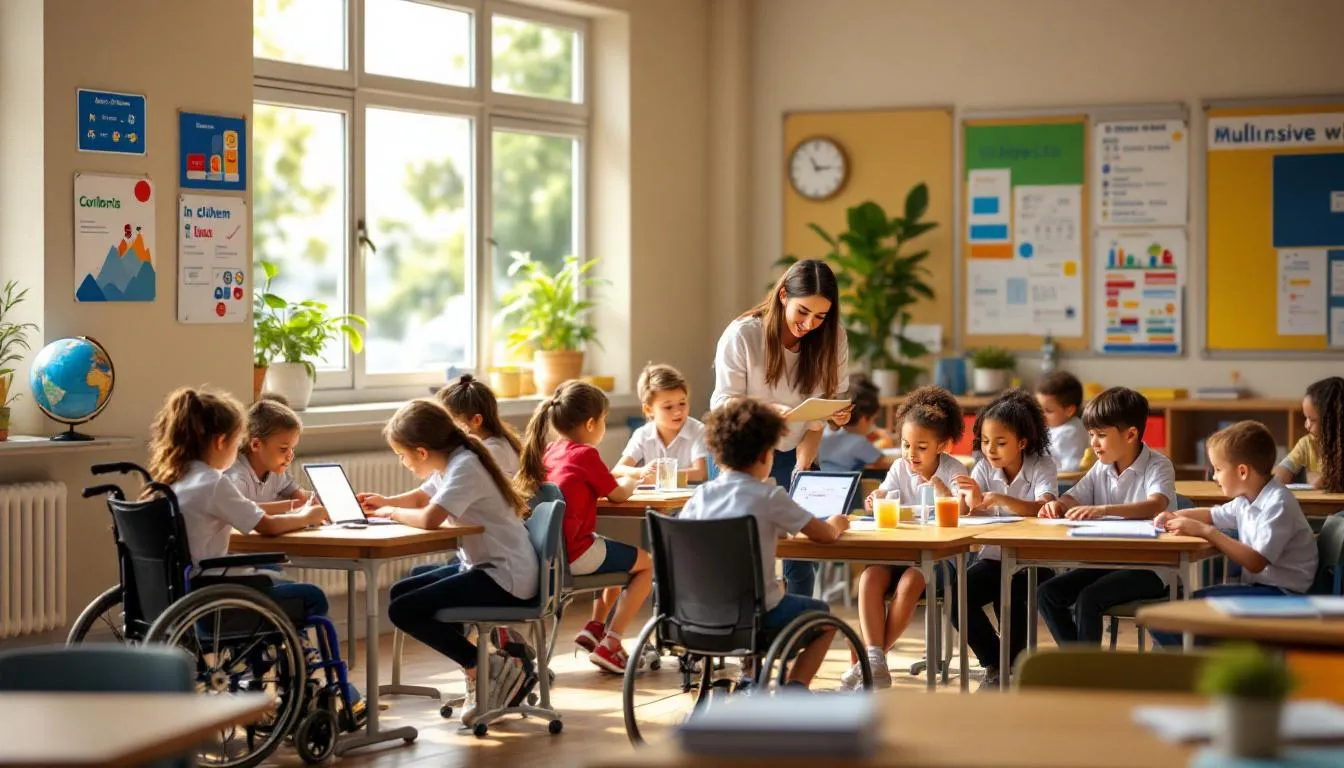
For families seeking alternatives to government-funded options, several private and international schools provide specialized services for children with special educational needs. These institutions often offer different educational approaches or serve specific populations not fully addressed by the government SPED system.
Melbourne International School provides WASC-accredited inclusive education for ages 3-12 with integrated therapeutic support, combining international curriculum standards with specialized support for students with diverse learning needs. This approach appeals to families seeking internationally recognized credentials alongside special education support.
All Hands Together operates as a boutique inclusive school for ages 2-18, offering both mainstream and functional education tracks depending on student needs and abilities. The school’s flexible approach allows families to choose educational pathways that best match their child’s learning profile and family goals.
The GUILD International College serves neurodivergent learners aged 9-30 with a focus on life skills and vocational training, extending services beyond traditional school age to support transition to adulthood. This extended age range recognizes that some individuals with special needs benefit from longer educational and transition periods.
Dynamics International School offers Cambridge curriculum with integrated therapy services for diverse learning needs, combining rigorous academic programming with specialized support services. This approach serves students who can access challenging academic content while requiring ongoing therapeutic intervention.
These private options often provide smaller class sizes, specialized therapeutic services, and flexible programming that may appeal to families seeking alternatives to the government SPED system. However, families should carefully consider the long-term implications of private school choices, including transition planning and compatibility with Singapore’s broader special education and adult services system.
Conclusion
Singapore’s comprehensive network of sped schools in singapore provides exceptional educational opportunities for children with moderate-to-severe special educational needs. From early intervention centres serving infants and toddlers to vocational programs preparing young adults for employment, the system addresses diverse needs across the developmental spectrum.
The key to success lies in matching your child’s specific needs with the appropriate educational setting, whether that’s a specialized school for autism spectrum disorder, a program for students with intellectual disabilities, or an integrated approach combining mainstream and special education elements. Each family’s journey will be unique, and the abundance of options ensures that every child deserves access to quality education tailored to their individual needs.
Parents should begin by consulting with educational psychologists and developmental specialists to understand their child’s learning profile, then research specific schools that align with those needs. Contact schools directly to arrange visits, speak with staff, and observe programs in action. This hands-on approach will provide the best foundation for making informed decisions about your child’s educational future in Singapore’s robust special education system.