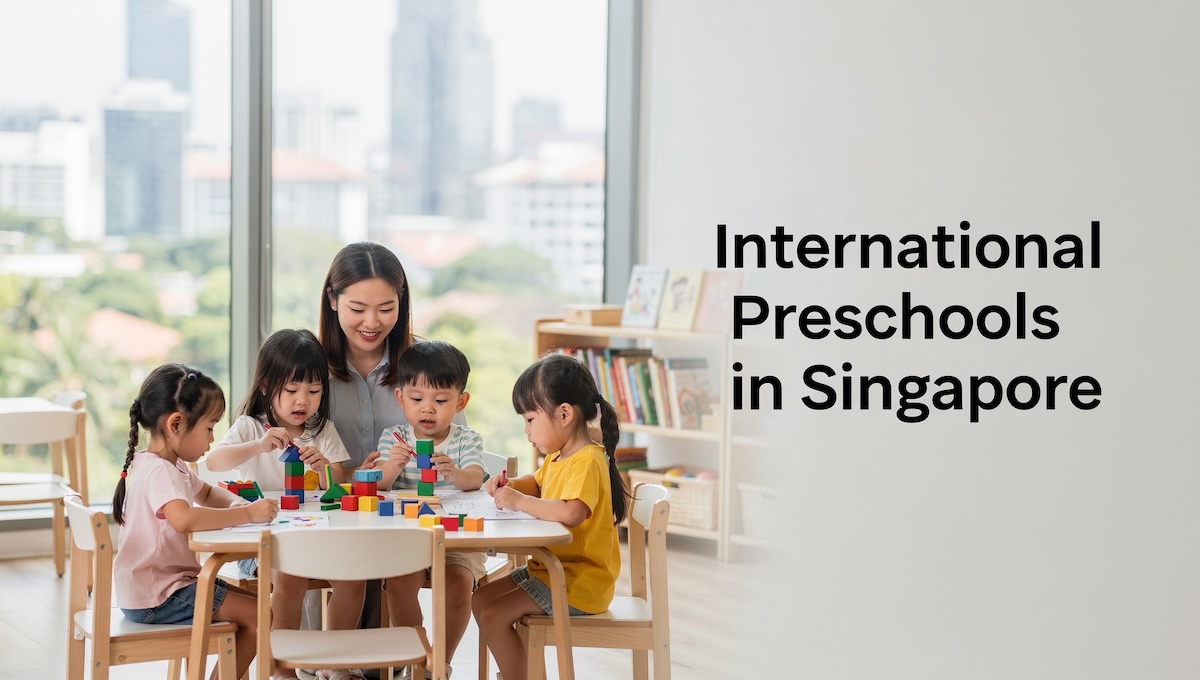
Singapore’s reputation as a global education destination extends beyond its world-renowned universities to encompass a thriving early childhood education sector. With approximately 70 international schools serving families from over 50 nationalities, the city-state offers an impressive array of international preschool options for young learners aged 18 months to 6 years.
Both expatriate families and local Singaporeans are increasingly choosing international preschool education for their children, seeking globally-recognized curricula, multicultural environments, and bilingual programs that prepare children for future academic success in an interconnected world. This comprehensive guide explores the leading international preschools in Singapore, their unique offerings, and essential considerations for parents making this important decision for their child’s education.
Top International Preschools in Singapore
The landscape of international preschools in Singapore features diverse institutions, each offering distinct approaches to early childhood education. These schools serve children aged 18 months to 6 years, providing strong foundation for lifelong learning through internationally-recognized curricula and nurturing environments.
Stamford American International School Early Learning Village
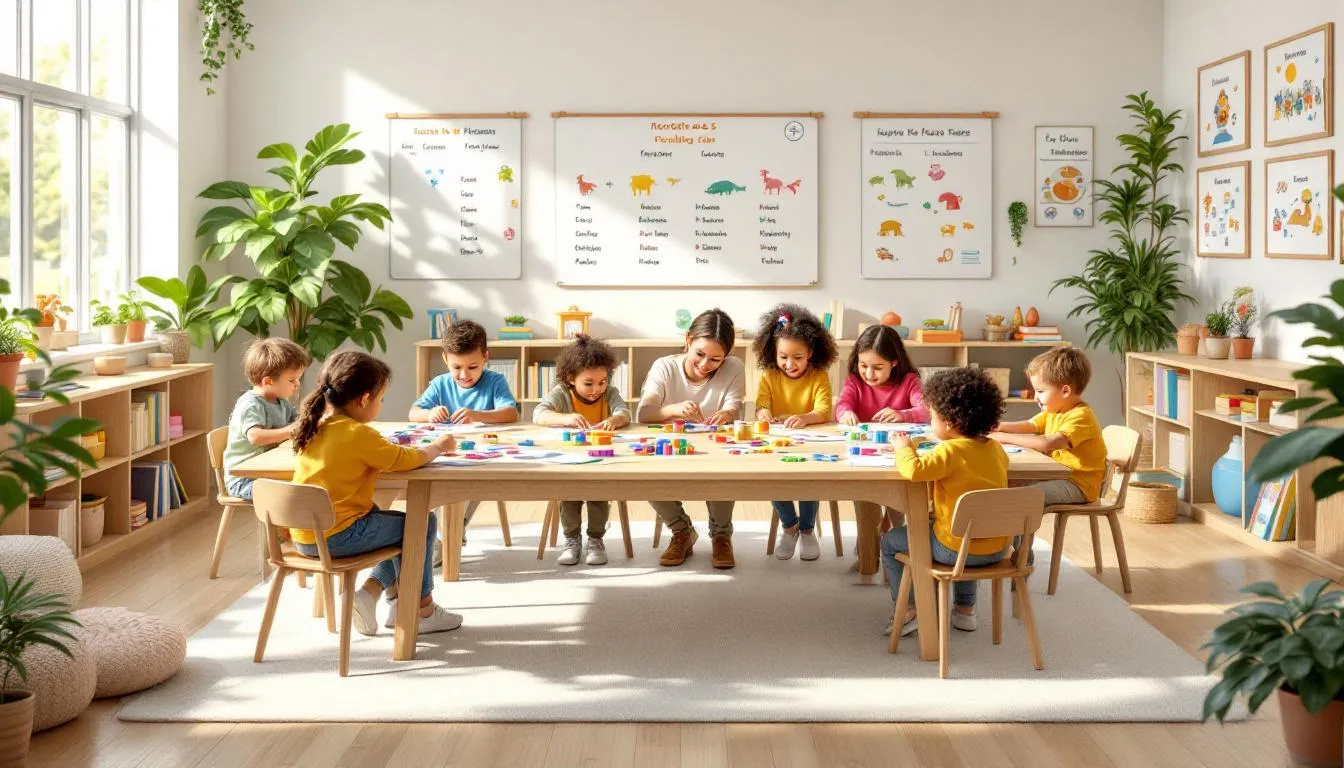
Stamford American International School operates an award-winning Early Learning Village that integrates the IB Primary Years Programme with innovative bilingual education. Their early childhood programme serves the youngest students from ages 3 to 6, offering both English-primary instruction and Mandarin-English bilingual pathways.
The school’s inquiry based learning approach encourages children to develop critical thinking skills from an early age, while their hands on exploration methodology allows students to discover concepts through purposeful play. With airy classrooms and dedicated teachers, Stamford American creates an engaging environment where children develop essential skills for their exciting journey through education.
Canadian International School Kindergarten
Canadian International School offers a comprehensive kindergarten programme based on the IB Primary Years Programme framework, serving children from ages 3 to 6. The school provides multiple language pathways, including Mandarin-English and French-English bilingual options, preparing students coming from diverse cultural backgrounds for international mindedness.
Their inquiry based curriculum emphasizes hands on learning experiences that foster curiosity and support each child’s natural curiosity. The school maintains small class sizes with specialist teachers who focus on individual developmental needs, ensuring every child receives personalized attention during their crucial early years.
Singapore American School Early Learning Center
Singapore American School’s Early Learning Center draws inspiration from the Reggio Emilia philosophy, creating a play based approach that values children as capable learners. The programme serves ages 3-6 and emphasizes creative expression, collaborative learning, and the environment as a “third teacher.”
The school’s nurturing environment supports holistic development through imaginative play and self discovery experiences. Their homeroom teacher system ensures continuity in relationships, while the strong emphasis on social emotional development helps children build confidence and communication skills essential for future learning.
EtonHouse International Pre-School
EtonHouse delivers personalized, inquiry based education informed by the Reggio Emilia approach across multiple campuses. Their Infant Care and Pre-School programs serve children from 18 months to 6 years, providing seamless progression through early childhood education.
The institution’s holistic approach combines the Reggio Emilia philosophy with IB Primary Years Programme elements at select campuses, creating a stimulating environment where children engage in hands on exploration. EtonHouse’s dedicated teachers focus on empowering children through project-based learning that develops problem solving skills and deeper understanding of concepts.
Brighton College Singapore Pre-Prep
Brighton College Singapore offers a structured Pre-Prep programme based on the British Early Years Foundation Stage (EYFS) curriculum. This approach provides a strong foundation in literacy and numeracy while maintaining a play based learning environment for children ages 3-6.
The school’s British curriculum framework emphasizes academic excellence while supporting social emotional growth through carefully planned activities. Their specialist teachers create an engaging environment that prepares children for smooth transitions to primary school education.
OWIS Nanyang Early Childhood Programme
One World International School (OWIS) Nanyang operates a play-based and inquiry-led international kindergarten serving preschool-aged children from all backgrounds. The school features students from over 70 nationalities, creating a truly multicultural learning environment that promotes cultural awareness and international mindedness.
OWIS emphasizes small student-teacher ratios and personalized learning journeys tailored to each child’s progress and developmental needs. Their bilingual education programme offers equal emphasis on Mandarin and English, while their English-primary instruction model supports children develop strong language skills. The school’s holistic approach includes service projects and environmental stewardship activities that build character and global citizenship from a young age.
Chatsworth International School Kindergarten
Chatsworth International School’s Early Childhood Centre serves preschoolers aged 3 to 5, featuring carefully designed indoor and outdoor spaces that support inquiry based learning. The curriculum derives from the IB Primary Years Programme framework, emphasizing play based approach that fosters curiosity and imagination.
The school distinguishes itself through small class sizes that enable personalized attention from passionate international teachers implementing innovative pedagogies. Children benefit from opportunities to interact with older peer groups while enjoying well-maintained facilities surrounded by green outdoor learning spaces.
Dover Court International School Early Years
Dover Court combines the British EYFS curriculum with Reggio Emilia principles, creating a unique educational approach for children in their early years. The school’s programme emphasizes child-led learning while maintaining structured progression in key developmental areas.
Their experienced teaching team creates a nurturing environment where children develop gross motor skills and fine motor skills through purposeful play and hands on learning experiences. The school day includes regular outdoor exploration and creative activities that support physical development and artistic expression.
What Makes International Preschools Unique
International preschools in Singapore offer distinct advantages that set them apart from local preschool options, making them attractive choices for families seeking globally-oriented early childhood education.
Globally Recognised Curricula
Unlike local preschools that follow Singapore’s national framework, international preschools implement internationally-recognized curricula including the IB Primary Years Programme, Reggio Emilia approach, Montessori Method, and British Early Years Foundation Stage. These frameworks are designed to prepare children for seamless transitions to international primary schools worldwide, ensuring educational continuity for mobile families.
The IB Primary Years Programme, the most widely adopted framework, emphasizes inquiry based learning that develops critical thinking skills and international mindedness from early childhood. This approach contrasts with more structured local curricula by encouraging children to ask questions, investigate concepts, and make connections across different subject areas.
Multicultural Learning Environments
International preschools typically host students from 50+ nationalities, creating rich multicultural environments where children naturally develop cultural awareness and appreciation for diversity. This exposure helps young learners build empathy, communication skills, and global perspectives that serve them throughout their educational journey.
The multicultural character enables authentic celebration of diverse traditions, languages, and customs, enriching the school experience beyond what traditional single-culture environments can provide. Children learn to navigate cultural differences with confidence and respect from their earliest school experiences.

Bilingual Education Programs
Most international preschools offer bilingual education programmes, primarily English-Mandarin combinations, with some schools providing French or German options. This multilingual approach capitalizes on early childhood as a critical period for language development, enabling children to develop native-like proficiency in multiple languages.
Bilingual programs prepare children for Singapore’s multilingual landscape while providing cognitive benefits including enhanced problem-solving abilities and mental flexibility. These advantages become particularly valuable as children progress through international education systems that value multilingual capabilities.
Inquiry-Based and Play-Based Learning Approaches
International preschools consistently emphasize play based learning and inquiry based approaches that honor children’s natural learning processes. Rather than focusing primarily on academic content delivery, these methodologies encourage exploration, experimentation, and discovery through hands on learning experiences.
This pedagogical approach fosters curiosity, creativity, and independent thinking skills that form the foundation for lifelong learning. Children learn to ask meaningful questions, test hypotheses, and draw conclusions through guided but child-directed activities.
Higher Teacher-to-Student Ratios and Smaller Class Sizes
International preschools maintain smaller class sizes and higher teacher-to-student ratios compared to many local options, enabling more individualized attention and personalized learning approaches. This structure allows teachers to observe each child closely and adapt instruction to individual developmental needs and learning styles.
The intimate learning environment facilitates stronger teacher-student relationships and more responsive teaching that can address each child’s progress in real-time, supporting both advanced learners and those needing additional support.
Popular International Curricula Explained
Understanding the different curricular approaches helps parents make informed decisions aligned with their child’s learning style and family’s educational goals.
IB Primary Years Programme (PYP)
The International Baccalaureate Primary Years Programme represents the most widely implemented framework across international preschools in Singapore. The IB PYP operates on five key elements: Skills, Knowledge, Concepts, Attitudes, and Actions, creating a comprehensive approach to early childhood education.
Advantages:
- Develops international mindedness and global awareness from early age
- Encourages critical thinking through inquiry based curriculum
- Provides smooth transitions to IB programmes worldwide
- Emphasizes conceptual understanding over rote learning
Considerations:
- May be less structured than some traditional academic approaches
- Requires strong teacher training and ongoing professional development
- Assessment focuses on portfolio-based evidence rather than standardized testing
Reggio Emilia Approach
The Reggio Emilia philosophy views children as capable, competent learners who construct knowledge through relationships with others and their environment. This approach emphasizes creative expression, collaborative learning, and project-based investigation.
Advantages:
- Honors children’s natural curiosity and creativity
- Develops strong communication skills through documentation and reflection
- Builds confidence through child-led project work
- Integrates arts as fundamental to learning process
Considerations:
- Less emphasis on traditional academic skill development
- Requires significant parent understanding and support
- May not prepare children for highly structured primary school environments
Montessori Method
The Montessori Method emphasizes self-directed learning, independence, and respect for children’s natural development. Children work with specially designed materials in mixed-age environments that promote peer learning and mentorship.
Advantages:
- Develops independence and self-regulation skills
- Accommodates different learning paces and styles
- Builds intrinsic motivation for learning
- Emphasizes practical life skills alongside academics
Considerations:
- May require adjustment period for children transitioning to traditional school structures
- Success depends heavily on quality of teacher training and materials
- Limited emphasis on collaborative group projects
British Early Years Foundation Stage (EYFS)
The EYFS curriculum provides a structured framework focusing on seven key learning areas including literacy, numeracy, and personal development. This approach balances academic preparation with play based learning.
Advantages:
- Strong foundation in literacy and numeracy skills
- Clear developmental milestones and assessment frameworks
- Excellent preparation for British primary school systems
- Balance between structure and creative exploration
Considerations:
- More academically focused than some play-based approaches
- May not suit families seeking less structured early childhood experiences
- Primarily designed for progression within British education systems
Benefits of Bilingual Education Programs
Bilingual education in international preschools offers significant cognitive, academic, and cultural advantages that extend well beyond language acquisition itself.
Enhanced Cognitive Flexibility and Problem-Solving Abilities
Research demonstrates that bilingual children develop enhanced cognitive flexibility, allowing them to switch between different concepts and perspectives more easily than monolingual peers. This mental agility translates into stronger problem solving skills and creative thinking capabilities that benefit academic performance across all subject areas.
The cognitive benefits emerge from the brain’s need to manage multiple language systems simultaneously, strengthening executive function skills including attention control, working memory, and cognitive flexibility. These enhanced capabilities provide long-term advantages throughout the child’s educational journey and beyond.

Cultural Awareness and Global Citizenship Development
Bilingual programs naturally expose children to multiple cultures, fostering deep cultural awareness and appreciation for diversity. Children learning both English and Mandarin, for example, gain insights into Western and Eastern cultural perspectives, developing the cultural competence essential for success in Singapore’s multicultural society.
This cultural fluency extends beyond language to include understanding different communication styles, social norms, and worldviews. Such global citizenship skills become increasingly valuable as children progress through international education systems and enter globally-connected careers.
Preparation for Singapore’s Multilingual Landscape
Singapore’s official multilingual policy makes bilingual education particularly valuable for families planning long-term residence. Children who develop strong capabilities in both English and Mandarin are well-positioned for success in Singapore’s education system and professional environment.
Early bilingual development also facilitates easier acquisition of additional languages later, as the brain systems supporting multilingualism are already established. This foundation proves valuable for families considering further international moves or careers requiring multiple language skills.
Career Advantages in International Business Environment
Singapore’s position as a regional business hub creates strong demand for professionals with multilingual capabilities and cultural competence. Children who develop these skills from early childhood enter the workforce with significant competitive advantages in international business, diplomacy, and cultural exchange careers.
The combination of language skills and cultural awareness developed through international preschool education creates unique value in Singapore’s globally-oriented economy, where cross-cultural communication and collaboration are essential business skills.
Key Considerations for Parents
Selecting the right international preschool requires careful evaluation of multiple factors to ensure alignment with your child’s needs and family circumstances.
Curriculum Alignment with Learning Style and Goals
Consider your child’s learning style and temperament when evaluating different curricular approaches. Active, curious children may thrive in inquiry based environments like IB PYP or Reggio Emilia programmes, while children who benefit from structure might prefer British EYFS or more traditional academic approaches.
Think about your family’s long-term educational plans as well. Families planning to remain within international school systems should prioritize curricula that facilitate smooth transitions, while those considering eventual integration into Singapore’s local schools might benefit from programmes that develop strong academic foundations.
Location and Campus Facilities
Evaluate the physical environment carefully, as young children spend significant time engaged with their learning spaces. Look for schools with dedicated outdoor learning areas, age-appropriate playgrounds, and specialized spaces like art studios, music rooms, and libraries designed for early childhood use.
Consider practical factors like transportation options and proximity to your home or workplace. Many international preschools offer school bus services, but evaluate whether the commute time and pickup logistics work for your family’s schedule.
Teacher Qualifications and Experience
Investigate teacher qualifications, particularly their training in the specific curriculum approach and early childhood development. Strong international preschools employ teachers with relevant university degrees, specialized early childhood certifications, and ongoing professional development in their chosen pedagogical approach.
Ask about teacher retention rates and the school’s approach to professional development. High-quality programs invest in continuous teacher training and maintain stable teaching teams that can build long-term relationships with children and families.
School Culture and Values Alignment
Observe school culture during visits and interactions with staff. Consider whether the school’s approach to discipline, celebration of diversity, and communication style aligns with your family’s values and expectations.
Pay attention to how the school handles cultural and religious diversity, particularly if your family has specific cultural or religious practices you want respected and incorporated into your child’s school experience.
Extracurricular Activities and Enrichment Programs
Many international preschools offer enrichment activities including music, art, sports, and outdoor education programs. Evaluate whether these offerings match your child’s interests and your family’s priorities for holistic development.
Consider the balance between academic preparation and creative, physical, and social development opportunities. The best programs integrate enrichment activities naturally into the curriculum rather than treating them as separate add-ons.
Admission Requirements and Process
Understanding admission procedures and timelines helps ensure successful application to your preferred international preschools.
Age Requirements and Grade Levels
International preschools in Singapore typically serve children from 18 months to 6 years, though specific age ranges vary by institution. Most schools offer multiple entry points throughout the year, with main intake periods in August and January aligned with international school calendars.
Some schools offer infant care starting as early as 2 months, while others begin at 18 months or 2 years. Kindergarten programs usually serve ages 3-6, providing preparation for Grade 1 entry in international primary schools.
Required Documentation
Standard application documents include:
- Child’s birth certificate or passport
- Recent passport-sized photographs
- Complete vaccination records and health certificates
- Previous school reports (if applicable)
- Parents’ identification and employment documentation
- Completed application forms and essays
International families should ensure all documents are properly translated and certified if originally issued in languages other than English.
Assessment and Interview Process
Most international preschools conduct informal assessments through play-based observations rather than formal testing. These sessions allow teachers to understand each child’s developmental level, social skills, and learning style.
Family interviews provide opportunities for schools to understand parents’ educational goals and for families to ask questions about the programme. Some schools may request separate parent and child sessions to observe natural interaction patterns.
Waiting Lists and Priority Policies
Popular international preschools often maintain waiting lists, particularly for younger age groups with limited capacity. Many schools give priority to siblings of current students, children of school staff, and returning families.
Apply early to maximize admission chances, ideally 6-12 months before your desired start date. Some schools accept applications up to two years in advance for families with long-term planning needs.
Timeline and Deadlines
While many international preschools accept rolling admissions throughout the year, key application periods typically align with academic year starts:
- August intake applications: Due by March-April
- January intake applications: Due by October-November
- Mid-year applications: Accepted based on space availability
Contact schools directly about their specific timelines, as policies vary significantly between institutions.
Cost and Financial Planning
International preschool education represents a significant financial investment, requiring careful planning and budget consideration for families.
Annual Tuition Fees
Annual tuition fees for international preschools in Singapore range from SGD 15,000 to SGD 45,000, depending on the school’s reputation, facilities, programme offerings, and age group. Premium institutions with extensive facilities and specialized programmes typically charge toward the higher end of this range.
Half-day programmes often cost 60-70% of full-day tuition rates, while extended care services may add SGD 2,000-5,000 annually. Bilingual programmes and specialized curricula sometimes carry premium pricing compared to English-only options.
School Type | Annual Fee Range (SGD) | Additional Considerations |
|---|---|---|
Entry-level International | 15,000 – 25,000 | Basic facilities, standard curriculum |
Mid-tier International | 25,000 – 35,000 | Enhanced facilities, specialized programmes |
Premium International | 35,000 – 45,000+ | Extensive facilities, multiple programme options |
Additional Costs and Fees
Beyond tuition, families should budget for:
Registration and Application Fees: SGD 500-2,000 (non-refundable) Uniform and Supplies: SGD 300-800 annually Meals and Snacks: SGD 1,500-3,000 annually Transportation: SGD 2,000-4,000 annually (if used) Extracurricular Activities: SGD 500-2,000 annually Field Trips and Special Events: SGD 300-1,000 annually
Payment Schedules and Options
Most international preschools offer flexible payment options including:
- Annual payment (often with 2-5% discount)
- Semester payments (twice yearly)
- Quarterly payments (four times yearly)
- Monthly installments (with potential administrative fees)
Some schools require substantial deposits (10-25% of annual tuition) upon enrollment confirmation, with remaining fees due before or during the academic year.
Financial Assistance and Scholarships
Limited financial assistance may be available at select international preschools, though early childhood programs typically offer fewer scholarship opportunities than primary and secondary schools. Options might include:
- Staff discount programmes for school employees
- Sibling discounts (5-15% for additional children)
- Corporate partnerships offering employee discounts
- Need-based financial assistance (very limited availability)
Cost Comparison Analysis
International preschool costs significantly exceed local preschool options, where government-subsidized programmes may cost SGD 3,000-8,000 annually. However, international programmes offer distinct value propositions including:
- Globally-recognized curricula
- Multicultural learning environments
- Bilingual education programmes
- Smaller class sizes and personalized attention
- Smooth transitions to international primary schools
Families should evaluate long-term educational plans when assessing cost-benefit ratios, considering potential savings from educational continuity and reduced transition challenges.

Frequently Asked Questions
How do international preschools differ from local preschools in Singapore?
International preschools implement globally-recognized curricula such as IB Primary Years Programme, Reggio Emilia, or British EYFS, while local preschools follow Singapore’s national early childhood framework. International programmes emphasize inquiry based learning and multicultural environments with students from 50+ nationalities, compared to more homogeneous local settings.
Language instruction also differs significantly – international preschools often provide bilingual education with English as primary instruction language plus Mandarin, French, or German options. Local preschools typically use Mandarin or Tamil as primary languages with English as a secondary component.
Teaching methodologies in international schools focus heavily on play based approaches and hands on exploration, encouraging children’s natural curiosity and critical thinking development. The school experience includes regular parent teacher meetings and strong emphasis on communication between home and school.
Are international preschools only for expatriate families?
No, international preschools welcome both expatriate and local Singaporean families seeking global educational perspectives for their children. Many local families choose international preschool education to provide their children with multicultural exposure, bilingual education opportunities, and preparation for international school pathways.
Local families particularly value the cultural awareness and international mindedness developed through exposure to diverse student populations. The bilingual education programmes help children develop essential language skills for Singapore’s multilingual society while building global perspectives valuable in today’s interconnected world.
The nurturing environment and smaller class sizes typical of international preschools appeal to families regardless of nationality, as do the innovative teaching approaches that encourage creativity and independent thinking.
What age should children start international preschool?
Most international preschools accept children from 18 months to 6 years, though optimal starting age depends on individual developmental readiness rather than chronological age alone. Children who demonstrate social readiness, basic communication skills, and ability to separate from parents for extended periods typically adapt well to preschool environments.
Early exposure to multicultural and multilingual environments during ages 2-4 provides significant advantages for language development and cultural awareness. However, children can successfully join international preschools at any point during the early childhood period with appropriate transition support.
The exciting journey of international preschool education supports children develop gross motor skills, fine motor skills, and social emotional development regardless of entry age. Schools typically provide individualized support to help children adapt to new environments and learning approaches.
How do I choose between different international curricula?
Curriculum selection should align with your child’s learning style, personality, and your family’s long-term educational goals. Consider these key factors:
IB Primary Years Programme: Best for globally-minded families planning continued international education. Emphasizes inquiry based curriculum and critical thinking development through hands on learning experiences. Ideal for children who enjoy asking questions and exploring concepts independently.
Reggio Emilia Philosophy: Perfect for creative, artistic children who learn through self discovery and imaginative play. This approach values children’s natural curiosity and encourages creative expression through project-based learning.
Montessori Method: Excellent for children who thrive with independence and self-directed activities. Develops strong problem solving skills and intrinsic motivation for learning through carefully designed materials and mixed-age environments.
British EYFS: Suitable for families wanting structured academic foundation with balanced play based learning. Provides strong emphasis on literacy and numeracy while maintaining engaging environment for young learners.
Visit schools implementing different curricula and observe how your child responds to various learning environments. The best curriculum choice supports your child’s learning style while preparing them for future academic success in their next educational setting.
International preschool education in Singapore offers exceptional opportunities for young learners to develop essential skills, cultural awareness, and global perspectives that serve as strong foundations for lifelong learning. By carefully considering curriculum approaches, school cultures, practical factors, and costs, families can select programmes that align with their values and support their children’s holistic development.
The investment in quality early childhood education through international preschools provides lasting benefits including enhanced critical thinking skills, multicultural competence, and preparation for success in Singapore’s globally-oriented society. Whether seeking bilingual education, inquiry based learning approaches, or simply a nurturing environment that celebrates diversity, Singapore’s international preschools offer compelling options for families committed to providing their children with exceptional educational foundations.
Take time to visit multiple schools, speak with current families, and observe classroom environments to make informed decisions that will support your child’s exciting journey through their crucial early years of education.