
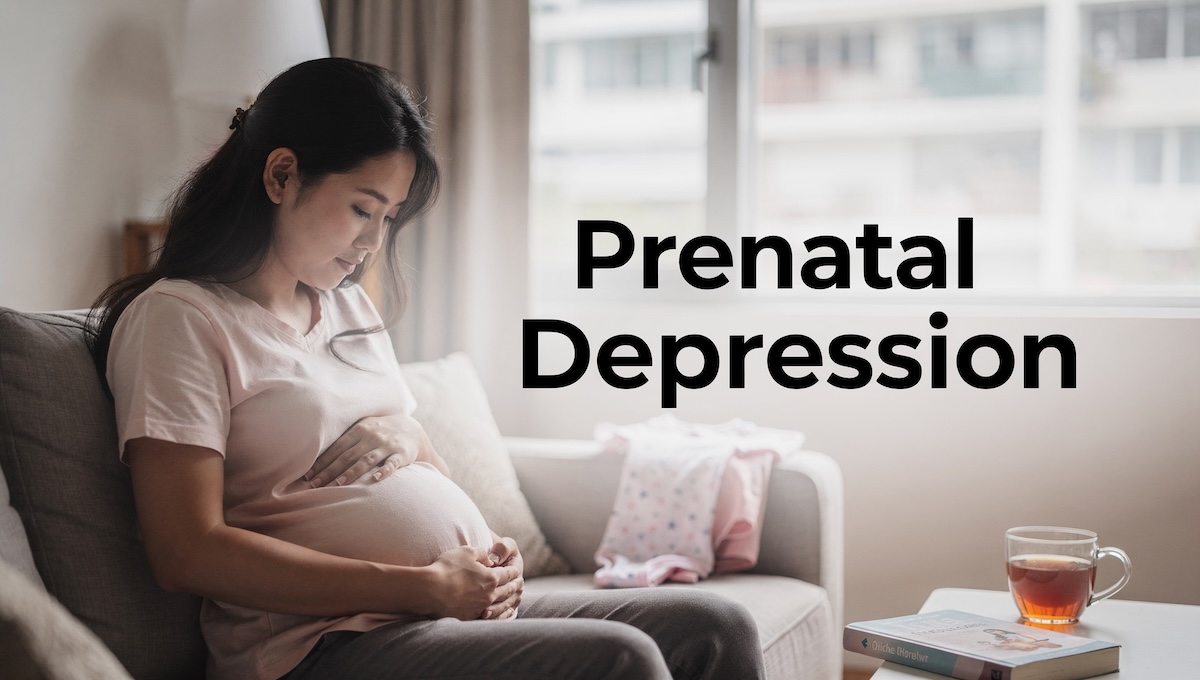
Pregnancy should be a time of joy and anticipation, but for many women, it becomes overshadowed by persistent sadness and anxiety that goes far beyond normal mood swings. Prenatal depression affects approximately one in seven pregnant women globally, making it one of the most common complications during pregnancy. Unlike the temporary “baby blues” or typical mood changes that many women experience, prenatal depression is a serious mental health condition that requires professional attention and proper treatment.

Research suggests that up to 50% of cases remain undiagnosed, representing a significant gap in women’s mental health care. This underrecognition has serious implications not only for maternal mental health but also for the developing fetus and family well-being. Understanding the symptoms, risk factors, and treatment options available in Singapore is crucial for pregnant women, their families, and healthcare providers working to ensure the best possible outcomes for both mother and baby.
What is Prenatal Depression
Prenatal depression, also known as antenatal depression, is a mood disorder that occurs during pregnancy. This condition involves persistent feelings of sadness, anxiety, and loss of interest in daily activities that significantly interfere with a woman’s ability to function. The medical terminology can be confusing, but it’s important to understand the distinctions: antenatal or prenatal depression specifically refers to depression during pregnancy, while postnatal depression occurs after childbirth. The broader term “perinatal depression” encompasses both antenatal and postnatal depression, recognizing that depression associated with pregnancy often begins during the prenatal period.
Recent studies indicate that prenatal depression affects between 7-20% of pregnant women globally, with rates varying based on cultural, socioeconomic, and healthcare access factors. In Singapore’s multicultural society, these prevalence rates may be influenced by various cultural attitudes toward mental health, work-life balance pressures, and the unique stressors of urban living. The condition is entirely treatable with appropriate intervention, yet many women suffer in silence due to stigma or lack of awareness about available resources.
It’s crucial to distinguish prenatal depression from normal pregnancy-related emotional changes. Most women experience some degree of mood changes during pregnancy due to hormonal fluctuations, physical discomfort, and life transitions. However, clinical depression during pregnancy involves persistent symptoms lasting two weeks or more that significantly impair daily functioning, relationships, and overall quality of life. This is not simply being “emotional” or “hormonal” – it’s a legitimate medical condition that requires professional assessment and treatment.
Symptoms and Clinical Presentation
The symptoms of prenatal depression can manifest across emotional, physical, and cognitive domains, often making it challenging for pregnant women and their healthcare providers to distinguish between normal pregnancy experiences and clinical depression. Depression symptoms during pregnancy typically include persistent sadness that doesn’t improve with rest or positive experiences, along with a pervasive sense of hopelessness about the future.
Emotional symptoms often include extreme irritability that goes beyond typical pregnancy mood swings, persistent feelings of guilt or worthlessness, and excessive worry about the baby’s health that interferes with daily life. Many women experience anhedonia – the inability to experience pleasure or joy from activities they previously enjoyed. Some women report feeling disconnected from their pregnancy or developing baby, which can be particularly distressing and contribute to feelings of guilt about not being excited about the pregnancy.
Physical manifestations include significant changes in sleep patterns beyond typical pregnancy-related discomfort. This might involve trouble sleeping even when physically comfortable, or conversely, feeling tired and wanting to sleep excessively. Changes in eating habits are common, with some women losing appetite entirely while others experience compulsive overeating unrelated to pregnancy cravings. Persistent headaches, body aches, and digestive problems that don’t respond to standard pregnancy care may also indicate underlying depression.
Cognitive symptoms significantly impact daily functioning and include problems concentrating on work, conversations, or simple tasks. Many women report memory problems that go beyond typical “pregnancy brain,” along with difficulty making decisions, even simple ones like what to wear or eat. Racing thoughts, particularly about potential problems with the pregnancy or catastrophic outcomes, can be overwhelming and interfere with sleep and daily activities.
The presentation of symptoms may vary across pregnancy trimesters. During the first trimester, depression symptoms might be masked by typical early pregnancy fatigue and nausea. The second trimester, often called the “honeymoon period” of pregnancy, may provide some relief, but symptoms can resurface or worsen in the third trimester as delivery approaches and anxiety about childbirth and parenting increases.
It’s important to note that prenatal depression symptoms often overlap with normal pregnancy changes, making diagnosis challenging. The key distinguishing factors are the persistence, severity, and functional impairment caused by these symptoms. When emotional, physical, and cognitive symptoms significantly interfere with work, relationships, self-care, or prenatal care attendance for two weeks or more, professional evaluation is warranted.
Risk Factors for Prenatal Depression
Understanding the various risk factors for prenatal depression is essential for early identification and prevention. These factors can be broadly categorized into general medical and psychosocial factors, Singapore-specific environmental stressors, and Asian cultural considerations that may uniquely affect women in this region.
General Risk Factors
A personal or family history of depression, anxiety, or bipolar disorder represents one of the strongest predictors of prenatal depression. Women who have experienced previous episodes of mental illness are at significantly higher risk, particularly if they have a history of postpartum depression following earlier pregnancies. Genetic predisposition plays a crucial role, as hormonal changes during pregnancy can trigger depressive episodes in neurobiologically vulnerable individuals.
Previous pregnancy complications create additional psychological burden and increase depression risk. Women who have experienced pregnancy loss, miscarriage, or stillbirth often carry anxiety and grief into subsequent pregnancies. Infertility struggles and assisted reproductive technology treatments can create prolonged stress and emotional exhaustion that persist into pregnancy. Similarly, women with complicated pregnancy histories, including previous preterm births or birth defects, may experience heightened anxiety and depression during current pregnancies.
Unintended pregnancy significantly increases depression risk, particularly when combined with ambivalent feelings about becoming a parent or timing concerns. Young maternal age and being unmarried or in unstable relationships compound these risks. Conversely, advanced maternal age can bring concerns about pregnancy complications and genetic abnormalities that contribute to anxiety and depressive symptoms.
Social support deficits represent another critical risk factor. Women who lack emotional support from partners, family members, or friends are more vulnerable to prenatal depression. Domestic abuse or intimate partner violence dramatically increases risk, with pregnancy sometimes escalating existing abusive patterns. Poor support from the baby’s father, whether due to relationship problems, absence, or lack of involvement, creates additional emotional and practical stress.
Economic factors significantly influence mental health during pregnancy. Financial stress related to pregnancy expenses, childcare costs, or loss of income can trigger or worsen depressive symptoms. Women facing housing instability, job insecurity, or poverty experience chronic stress that increases vulnerability to prenatal depression. Additionally, lack of adequate health insurance or limited access to quality prenatal care can compound stress and delay recognition of mental health problems.
Substance abuse, including drinking alcohol or drug use, both increases depression risk and may represent maladaptive coping with existing mental health problems. Chronic health conditions in the mother, such as diabetes, thyroid disorders, or autoimmune diseases, can contribute to depression through both biological mechanisms and the psychological stress of managing complex medical care during pregnancy.
Singapore-Specific Risk Factors
Singapore’s unique socioeconomic and cultural environment creates specific stressors that may contribute to prenatal depression among expectant mothers. The city-state’s highly competitive work culture places enormous pressure on women to maintain career progression even during pregnancy, often leading to significant work-life balance challenges. Many women report feeling pressured to work long hours throughout pregnancy and worry about career implications of taking maternity leave.
The high cost of living in Singapore creates particular financial stress around childbearing. Housing costs, childcare expenses, and the overall expense of raising children in Singapore can be overwhelming for many families. The relatively limited maternity leave policies compared to global standards may pressure women to return to work sooner than they feel ready, creating anticipatory anxiety during pregnancy.
Healthcare system navigation presents unique challenges, particularly for foreign residents and expatriates. Understanding the complex public and private healthcare options, insurance coverage, and referral systems can be stressful for women unfamiliar with Singapore’s medical system. Language barriers may affect communication with healthcare providers, potentially leading to inadequate mental health screening and support.
Geographic distance from extended family support systems particularly affects expatriate mothers, who may feel isolated during pregnancy without their traditional support networks. This separation from family can be especially challenging for women from cultures where extended family plays a central role in pregnancy and childrearing support. The absence of familiar cultural practices and support systems can contribute to feelings of loneliness and anxiety.
The pressure to maintain high standards of living and achievement that characterizes Singapore society can extend to pregnancy and parenting expectations. Women may feel pressure to have “perfect” pregnancies, attend premium prenatal classes, and prepare extensively for childbirth in ways that create additional stress rather than support.
Asian and Cultural Risk Factors
Cultural factors specific to Asian communities can significantly influence prenatal depression risk and presentation. Mental health stigma remains particularly pronounced in many Asian cultures, where discussing emotional problems may be viewed as weakness or family shame. This stigma can prevent women from seeking help or even acknowledging their symptoms, leading to prolonged suffering and delayed treatment.
Gender preference pressures continue to affect some Asian families, where disappointment over the baby’s sex can trigger or worsen depression. While these attitudes are changing, some women still experience family pressure or personal disappointment when the baby’s gender doesn’t meet traditional expectations, particularly regarding male children carrying on family names or providing future financial support.
Traditional postpartum confinement expectations, while intended to support new mothers, can sometimes create additional anxiety during pregnancy. Women may worry about adhering to strict confinement rules, managing family expectations, or navigating conflicts between traditional practices and modern medical advice. The anticipation of restrictive postpartum periods can contribute to prenatal anxiety and depression.
Mother-in-law and extended family relationship dynamics can create significant stress during pregnancy. In many Asian cultures, mothers-in-law play central roles in pregnancy and childrearing decisions, which can lead to conflicts over prenatal care, birthing plans, or parenting approaches. Women may feel caught between respecting family hierarchy and making autonomous decisions about their pregnancies and bodies.
Cultural emphasis on maternal sacrifice and emotional suppression can prevent Asian women from expressing normal pregnancy concerns or seeking help for mental health problems. The expectation that mothers should endure hardship silently for their children’s benefit can mask serious depression symptoms and delay necessary intervention.
Immigration status and cultural adaptation stress affect many Asian women living in Singapore. Recent immigrants may struggle with cultural differences in healthcare approaches, communication styles, and support systems while simultaneously managing pregnancy stress. Language barriers can impede effective communication with healthcare providers about sensitive mental health topics.
Screening and Diagnosis
Early identification of prenatal depression through systematic screening represents a critical component of comprehensive prenatal care. Healthcare providers in Singapore increasingly recognize the importance of routine mental health screening during pregnancy, utilizing standardized tools and clinical assessments to identify at-risk women before symptoms become severe.
The Edinburgh Postnatal Depression Scale (EPDS), despite its name, has been validated for use during pregnancy and serves as a primary screening tool for antenatal depression. This 10-question self-assessment tool evaluates mood, anxiety, and emotional well-being over the past week. While originally developed for postpartum women, research has demonstrated its effectiveness in identifying prenatal depression when administered during routine prenatal visits. Healthcare providers typically administer the EPDS at the first prenatal visit and again during the third trimester, though some practices include additional screenings based on clinical judgment or risk factors.
The Patient Health Questionnaire-9 (PHQ-9) represents another widely used screening instrument that assesses depression symptoms over the past two weeks. This tool provides specific diagnostic criteria alignment and can help differentiate between mild, moderate, and severe depression. Many healthcare providers in Singapore incorporate the PHQ-9 into routine prenatal assessments, particularly when EPDS scores indicate potential concerns or when clinical presentation suggests depression.
Routine screening protocols in Singapore typically occur at multiple points during pregnancy. The first prenatal visit includes comprehensive mental health history taking, including previous episodes of depression, anxiety, or other mental health problems, family history of mental illness, and current stressors or support systems. Additional screening occurs during the third trimester when hormonal changes, physical discomfort, and anticipatory anxiety about delivery may trigger or worsen depressive symptoms.
Clinical interviews complement standardized screening tools and allow healthcare providers to explore symptoms in greater depth. Mental health professionals or specially trained obstetricians and midwives conduct these assessments, evaluating mood, sleep patterns, appetite changes, concentration problems, and energy levels. The clinical interview also explores risk factors, social support, and functional impairment to determine whether symptoms meet criteria for major depressive disorder.
The diagnostic criteria for major depressive disorder during pregnancy mirror those for non-pregnant adults, requiring five or more symptoms present for at least two weeks, including either persistent sadness or loss of interest in activities. However, diagnosis during pregnancy requires careful consideration of normal pregnancy-related changes in sleep, appetite, energy, and concentration that may overlap with depression symptoms.
Healthcare providers play crucial roles in screening and diagnosis. Obstetricians and midwives, as primary prenatal care providers, are often first to identify potential mental health concerns during routine visits. General practitioners may also encounter pregnant women seeking care for pregnancy-related symptoms that could indicate underlying depression. When screening indicates potential depression, referrals to psychiatrists, psychologists, or specialized perinatal mental health services ensure appropriate assessment and treatment planning.
The Singapore Ministry of Health has developed guidelines emphasizing the importance of mental health screening during pregnancy as part of comprehensive prenatal care. These recommendations encourage healthcare providers to create safe, non-judgmental environments where women feel comfortable discussing emotional concerns and seeking help for mental health problems.
Self-advocacy plays an important role in the screening process, as women experiencing symptoms should feel empowered to discuss their concerns with healthcare providers. Many women hesitate to report mood problems during pregnancy, fearing judgment or implications for their pregnancy care. However, open communication with medical professionals is essential for early identification and appropriate treatment of prenatal depression.
Treatment Options
Effective treatment for prenatal depression requires a comprehensive approach that considers the safety of both mother and developing baby while addressing the complex factors contributing to depression. Treatment options in Singapore include evidence-based psychotherapy, carefully selected medications, and alternative complementary approaches, often used in combination to optimize outcomes.
Psychotherapy and Counseling
Psychotherapy represents the first-line treatment for mild to moderate prenatal depression and is considered safe throughout pregnancy. Cognitive Behavioral Therapy (CBT) has demonstrated particular effectiveness in treating depression during pregnancy by helping women identify and modify negative thought patterns and behaviors that contribute to depressive symptoms. CBT typically involves 12-16 sessions focusing on developing coping strategies, problem-solving skills, and healthy thought patterns that support emotional well-being during pregnancy and beyond.
Interpersonal therapy specifically addresses relationship and social issues that often contribute to prenatal depression. This approach helps women navigate changing relationships with partners, family members, and friends during pregnancy while developing communication skills and social support networks. Interpersonal therapy is particularly valuable for addressing conflicts with mothers-in-law, partner relationship problems, or social isolation that may contribute to depression.
Group therapy and peer support programs provide opportunities for pregnant women to connect with others experiencing similar challenges. Many women find significant benefit in sharing experiences with other pregnant women, normalizing their feelings, and learning coping strategies from peers. Support groups may focus specifically on prenatal depression or broader pregnancy-related mental health topics, and can be particularly valuable for women who feel isolated or lack family support.
Online therapy options have become increasingly available in Singapore, providing convenient access to mental health professionals for women who may face scheduling challenges or prefer remote sessions. Digital therapy platforms offer flexibility for working women or those with transportation difficulties while maintaining confidentiality and professional quality care. Many online platforms provide culturally sensitive therapy options and multilingual services relevant to Singapore’s diverse population.
The duration and frequency of therapy sessions vary based on individual needs and symptom severity. Typical recommendations include weekly sessions initially, with frequency adjustments based on progress and clinical improvement. Many women benefit from continuing therapy through pregnancy and into the postpartum period to prevent postnatal depression and support the transition to parenthood.
Medication Management
Selective Serotonin Reuptake Inhibitors (SSRIs) represent the most commonly prescribed antidepressant medication during pregnancy due to their relatively favorable safety profile. Medications such as sertraline, fluoxetine, and citalopram have extensive research demonstrating their safety during pregnancy, with benefits typically outweighing risks for women with moderate to severe depression.
First-line antidepressants are chosen based on effectiveness, safety data, and individual patient factors. Sertraline is often preferred due to extensive safety data and lower risk of drug interactions. Fluoxetine has the longest track record of use during pregnancy, while citalopram offers good tolerability with minimal side effects. The choice of specific medication depends on the woman’s previous response to antidepressants, potential side effects, and other medical considerations.
Risk-benefit analysis for medication use during pregnancy involves careful consideration of the risks of untreated depression versus potential medication effects on the developing fetus. Untreated severe depression poses significant risks including poor prenatal care, substance abuse, suicide risk, and negative effects on fetal development. Research indicates that the risks of appropriately managed antidepressant treatment are generally lower than the risks of untreated depression for both mother and baby.
Monitoring requirements include regular assessments of symptom improvement, side effects, and fetal well-being throughout pregnancy. Healthcare providers typically schedule more frequent visits for women taking antidepressants during pregnancy to ensure optimal dosing and monitor for any complications. Dose adjustments may be necessary as pregnancy progresses due to changes in metabolism and blood volume that can affect medication levels.
Collaboration between psychiatrists and obstetricians ensures comprehensive care that addresses both mental health and pregnancy-related medical needs. This team approach allows for coordinated monitoring, informed decision-making about medication adjustments, and preparation for delivery and postpartum care. Many hospitals in Singapore have specialized perinatal mental health teams that facilitate this collaborative approach.
Alternative and Complementary Approaches
Prenatal yoga and mindfulness meditation programs offer evidence-based approaches to managing depression symptoms while supporting overall pregnancy wellness. Regular yoga practice has been shown to reduce anxiety and depressive symptoms while improving sleep quality and physical comfort during pregnancy. Mindfulness meditation techniques help women develop awareness of negative thought patterns and emotional responses while building coping skills for managing stress and depression.
Regular exercise and physical activity provide significant mental health benefits during pregnancy when medically appropriate. Moderate exercise such as walking, swimming, or prenatal fitness classes can improve mood, energy levels, and sleep quality while reducing anxiety and depressive symptoms. Exercise recommendations should be tailored to individual fitness levels and pregnancy circumstances, with medical clearance from obstetric providers.
Nutritional interventions include targeted supplementation and dietary modifications that may support mental health during pregnancy. Omega-3 fatty acids, particularly DHA and EPA, have shown promise in preventing and treating depression during pregnancy. Vitamin D supplementation may be beneficial, especially for women with limited sun exposure or dietary sources. A balanced diet rich in whole foods, lean proteins, and complex carbohydrates supports both physical and mental health during pregnancy.
Acupuncture and traditional Chinese medicine approaches are increasingly recognized as complementary treatments for prenatal depression. Some women find acupuncture helpful for managing anxiety and depressive symptoms, though treatment should be provided by licensed practitioners experienced in prenatal care. Traditional Chinese medicine concepts of balancing qi and supporting overall wellness may appeal to women seeking culturally relevant treatment approaches.
Light therapy may benefit women experiencing seasonal depression during pregnancy or those with circadian rhythm disruptions affecting mood and sleep. Bright light exposure in the morning can help regulate sleep-wake cycles and improve mood symptoms. Light therapy is considered safe during pregnancy and can be particularly helpful for women who prefer non-medication approaches.
Massage therapy and relaxation techniques provide additional supportive interventions that may reduce stress and improve emotional well-being. Prenatal massage can help with physical discomfort while promoting relaxation and emotional balance. Progressive muscle relaxation, deep breathing exercises, and other stress management techniques can be learned and practiced independently to support ongoing mental health.
Impact on Maternal and Fetal Health
The consequences of untreated prenatal depression extend far beyond maternal emotional well-being, affecting both immediate pregnancy outcomes and long-term health for mother and child. Understanding these impacts underscores the critical importance of early identification and appropriate treatment of depression during pregnancy.
Maternal health consequences include increased risk of pregnancy complications and poor self-care behaviors that can compromise both mother and baby’s health. Women with prenatal depression are more likely to experience preterm birth, with deliveries occurring before 37 weeks gestation. This increased risk appears related to both biological effects of chronic stress and depression on the developing fetus and behavioral factors such as poor prenatal care attendance and unhealthy lifestyle behaviors.
Low birth weight represents another significant concern, with babies born to depressed mothers more likely to weigh less than 5 pounds 8 ounces at birth. Small for gestational age babies face increased risks of health complications immediately after birth and may require extended hospital stays and specialized medical care. These effects appear to result from complex interactions between maternal stress hormones, poor nutrition, and other factors associated with untreated depression.
Poor prenatal care attendance frequently accompanies prenatal depression, as women may lack energy or motivation to attend routine appointments or may feel overwhelmed by medical care requirements. This can lead to missed opportunities for early detection of pregnancy complications, inadequate monitoring of fetal development, and delayed treatment for emerging problems. Additionally, women with depression may engage in unhealthy lifestyle behaviors including poor nutrition, smoking, or substance abuse that directly impact fetal development.
Higher rates of cesarean delivery have been associated with prenatal depression, though the mechanisms are not entirely clear. Possible explanations include increased anxiety about labor and delivery, medical complications related to depression, or provider decisions based on maternal stress levels. Regardless of the cause, cesarean delivery carries additional recovery time and potential complications that can complicate the postpartum period.
The development of postpartum depression occurs more frequently in women who experience depression during pregnancy. This continuation or worsening of symptoms after delivery can significantly impact mother-baby bonding, breastfeeding success, and early parenting experiences. The relationship between antenatal and postnatal depression highlights the importance of treatment continuity across the perinatal period.
Mother-baby bonding difficulties can begin during pregnancy when women feel disconnected from their developing baby due to depression symptoms. This emotional disconnection may persist after birth, affecting attachment formation and early parent-child interactions. Secure attachment is crucial for healthy child development, and early intervention for maternal depression supports the development of strong mother-baby relationships.
Long-term effects on child cognitive and emotional development have been documented in children whose mothers experienced untreated prenatal depression. These effects may include delayed language development, behavioral problems, and increased risk of mental health conditions in childhood and adolescence. However, appropriate treatment of maternal depression during pregnancy can mitigate many of these risks, emphasizing the importance of early intervention.
Reduced breastfeeding duration often occurs when mothers experience persistent depression, as symptoms may interfere with breastfeeding initiation and maintenance. Depression can affect milk production, bonding during feeding, and maternal confidence in breastfeeding abilities. Since breastfeeding provides significant health benefits for both mother and baby, supporting maternal mental health becomes crucial for breastfeeding success.
The impact on maternal self-care extends beyond pregnancy to affect overall physical health and recovery. Depressed mothers may neglect their own health needs, skip postpartum appointments, or fail to recognize signs of complications. This pattern can lead to prolonged recovery times, increased health problems, and reduced capacity to care for their babies and families.
Partner and family mental health can also be affected when mothers experience prenatal depression. Partners may feel helpless, overwhelmed, or stressed by their loved one’s symptoms, potentially developing their own mental health problems. Family dynamics may be strained, and other children in the family may be affected by changes in maternal mood and behavior.
However, it’s crucial to emphasize that with proper treatment, most negative outcomes associated with prenatal depression can be prevented or minimized. Early identification and appropriate intervention significantly improve outcomes for both mothers and babies, supporting healthy pregnancies and positive long-term development.
Singapore Healthcare Resources and Support
Singapore offers comprehensive healthcare resources and support services for women experiencing prenatal depression, with both public and private options available, to ensure accessible, culturally sensitive care for the diverse population.

The National University Hospital (NUH) Perinatal Mental Health Service provides specialized care for women experiencing mental health problems during pregnancy and the postpartum period. This multidisciplinary service includes psychiatrists, psychologists, and social workers specifically trained in perinatal mental health who work closely with obstetric teams to provide integrated care. The service offers comprehensive assessment, individual and group therapy, medication management when appropriate, and support for families throughout the perinatal period.
Singapore General Hospital (SGH) Women’s Mental Health Clinic focuses specifically on mental health issues affecting women across their reproductive years, including pregnancy-related depression and anxiety. The clinic provides both outpatient consultation and ongoing treatment services, with particular expertise in managing complex cases that may involve multiple risk factors or previous mental health history. The team includes bilingual providers who can communicate effectively with Singapore’s diverse population.
KK Women’s and Children’s Hospital, as Singapore’s largest maternity hospital, offers comprehensive psychological services integrated with obstetric care. The hospital’s mental health team provides screening, assessment, and treatment services for prenatal depression while working closely with obstetricians and midwives to ensure coordinated care. The hospital also offers educational programs and support groups for pregnant women and their families.
Crisis support services are available 24/7 through the Samaritans of Singapore (SOS) helpline at 1800-221-4444. This confidential service provides immediate emotional support for women experiencing severe depression, anxiety, or suicidal thoughts during pregnancy. Trained volunteers can provide crisis intervention, emotional support, and referrals to appropriate mental health services. The service is free and available in multiple languages to serve Singapore’s diverse population.
The Singapore Association for Mental Health (SAMH) offers counseling services and support programs specifically designed for women experiencing perinatal mental health challenges. SAMH provides individual counseling, group therapy, and family support services at affordable rates. The organization also conducts community education programs to increase awareness about prenatal depression and reduce stigma surrounding mental health issues during pregnancy.
Postpartum Support Singapore represents a community-based organization that provides peer support, education, and resources for women experiencing perinatal mental health challenges. While the name suggests postpartum focus, the organization supports women throughout the perinatal period, including pregnancy. Services include online support groups, educational workshops, and connection with other mothers who have experienced similar challenges.
The Ministry of Health mental health initiatives include efforts to improve perinatal mental health screening and treatment access across Singapore’s healthcare system. These initiatives support subsidized mental health care through public hospitals and polyclinics, making treatment more accessible for women regardless of economic status. The government has also implemented programs to train healthcare providers in recognizing and addressing perinatal mental health issues.
Private practice options include psychiatrists and psychologists specializing in perinatal mental health throughout Singapore. These providers offer personalized care with potentially shorter waiting times, though costs may be higher than public options. Many private practitioners accept insurance and offer flexible scheduling to accommodate working women’s needs. Some practices offer culturally specific services or therapy in languages other than English.
Community health centers and polyclinics throughout Singapore provide basic mental health screening and referral services as part of routine prenatal care. While these facilities may not offer specialized perinatal mental health treatment, they serve as important entry points for identifying women who need additional support and connecting them with appropriate resources.
Online resources and telemedicine options have expanded significantly, providing convenient access to mental health support for women who may have difficulty attending in-person appointments. Many Singapore healthcare providers now offer video consultations, online therapy platforms, and digital support groups that can be particularly valuable for working mothers or those with transportation challenges.
Support for foreign residents includes specialized services for expatriate women who may face unique challenges related to cultural adaptation, language barriers, or distance from family support systems. Some healthcare providers offer services specifically designed for international residents, including cultural competency training for staff and multilingual support services.
Financial support options include government subsidies for mental health treatment through public healthcare facilities, Medisave coverage for certain psychiatric services, and insurance coverage through both local and international insurance providers. Women should explore all available options to ensure they can access needed mental health care regardless of financial constraints.
When to Seek Emergency Help
Recognizing when prenatal depression requires immediate medical attention is crucial for ensuring the safety of both mother and developing baby. Certain warning signs indicate psychiatric emergency situations that require prompt intervention from healthcare professionals.
Thoughts of self-harm or suicide represent the most serious emergency situation requiring immediate medical attention. Any pregnant woman experiencing suicidal thoughts, plans, or urges to harm herself should seek emergency care immediately by calling 995 for ambulance services or going directly to the nearest emergency department. Suicidal ideation during pregnancy may be complicated by concerns about harming the developing baby, feelings of worthlessness as a future mother, or overwhelming despair about the pregnancy or life circumstances.
Thoughts of harming the unborn baby, while less common, constitute another serious emergency requiring immediate professional intervention. These thoughts may range from intrusive worries about accidentally causing harm to more specific thoughts about intentionally harming the developing fetus. Women experiencing such thoughts often feel tremendous guilt and fear about these symptoms, but it’s crucial to seek help immediately rather than suffering in silence.
Severe anxiety that completely prevents daily functioning represents another emergency situation. This might include panic attacks that interfere with breathing, overwhelming fear about pregnancy or childbirth that prevents leaving the house, or anxiety so severe that it prevents eating, sleeping, or caring for oneself. Such severe anxiety can affect both maternal and fetal health and requires prompt medical evaluation and treatment.
Complete loss of appetite that persists for several days or inability to sleep for multiple consecutive days represents physical emergency situations that can quickly affect both maternal and fetal health. While appetite and sleep changes are normal during pregnancy, extreme versions that prevent basic nutrition or rest require immediate medical attention to prevent serious health consequences.
Severe depression symptoms that include inability to get out of bed, complete withdrawal from all activities and relationships, or loss of touch with reality may indicate major depressive episodes requiring hospitalization. When depression symptoms become so severe that a woman cannot care for herself or attend prenatal appointments, emergency intervention may be necessary to ensure safety and prevent pregnancy complications.
Emergency contact information should be readily available for all pregnant women, particularly those with known risk factors for depression or previous mental health history. The primary emergency number in Singapore is 995 for ambulance services, which can transport women to appropriate emergency departments equipped to handle psychiatric emergencies during pregnancy.
The Institute of Mental Health (IMH) operates a 24-hour mental health hotline that provides crisis intervention and emergency psychiatric consultation. This service can help determine whether immediate hospitalization is necessary or provide guidance for accessing appropriate urgent care services. The IMH emergency service is staffed by mental health professionals experienced in managing psychiatric emergencies and can coordinate care with obstetric services when necessary.
Emergency department protocols for pregnant women with mental health crises typically involve assessment by both emergency physicians and psychiatric consultants, with coordination with obstetric services to ensure fetal well-being. Most major hospitals in Singapore have protocols for managing psychiatric emergencies in pregnant patients that address both maternal mental health needs and pregnancy care requirements.
Family members and partners play important roles in recognizing emergency situations and helping pregnant women access appropriate care. Warning signs that family members should watch for include dramatic changes in behavior, expressions of hopelessness or suicidal thoughts, complete withdrawal from activities and relationships, severe anxiety that prevents normal functioning, or any statements about wanting to harm themselves or the baby.
Advance planning for mental health emergencies can be valuable for women with known risk factors or previous mental health history. This might include identifying emergency contacts, discussing emergency plans with healthcare providers, and ensuring that family members understand warning signs and know how to access emergency services. Having a clear plan can reduce confusion and delay in emergency situations.
Healthcare providers should provide all pregnant women with information about recognizing mental health emergencies and accessing appropriate care. This includes clear guidance about when to seek emergency help, emergency contact numbers, and instructions for family members. Providers should also ensure that women with identified risk factors have additional support and monitoring to prevent emergency situations when possible.
It’s important to emphasize that seeking emergency help for mental health crises during pregnancy is not only appropriate but essential for ensuring the best possible outcomes for both mother and baby. Mental health emergencies are medical emergencies that require the same prompt attention as any other serious health problem during pregnancy.
Women should never hesitate to seek help when experiencing severe symptoms, and family members should advocate for immediate care when they observe concerning changes in pregnant women’s mental health. Early intervention in emergency situations can prevent more serious complications and support better long-term outcomes for the entire family.
Prenatal depression is a serious but highly treatable condition that affects many women during pregnancy. Understanding the symptoms, risk factors, and available treatment options empowers pregnant women and their families to recognize when help is needed and access appropriate care. Singapore’s comprehensive healthcare system offers multiple resources and support services to ensure that women experiencing prenatal depression can receive effective treatment while maintaining the health and safety of both mother and developing baby.
The key to managing prenatal depression successfully lies in early recognition, appropriate professional assessment, and comprehensive treatment that addresses both immediate symptoms and underlying risk factors. With proper support and treatment, women can experience healthy, fulfilling pregnancies and positive transitions to parenthood. Healthcare providers, family members, and the broader community all play important roles in supporting maternal mental health and ensuring that no woman suffers alone with prenatal depression.
If you are experiencing symptoms of prenatal depression, remember that seeking help is a sign of strength and responsibility toward both yourself and your baby. Contact your healthcare provider, call a mental health hotline, or reach out to supportive family and friends to begin the journey toward recovery and wellness during this important time in your life.