

Every year, millions of women rely on pregnancy tests to answer one of life’s most significant questions. Whether you’re actively trying to conceive, experiencing unexpected symptoms, or simply want peace of mind after unprotected sex, understanding how pregnancy tests work can help you make informed decisions about your health and future.
Modern pregnancy tests represent a remarkable advancement in at home medical testing, offering remarkable accuracy when used correctly. These simple devices can detect pregnancy earlier than ever before, providing results in just minutes from the comfort of your home. However, timing, technique, and understanding what your test results actually mean are crucial for getting the most accurate results possible.
In this comprehensive guide, you’ll learn everything you need to know about pregnancy tests, from the science behind how they detect the pregnancy hormone to interpreting those sometimes confusing results. We’ll explore when to take a pregnancy test for optimal accuracy, how different types of tests compare, and what steps to take after getting your results.
What Are Pregnancy Tests and How Do They Work
Pregnancy tests are medical devices designed to detect human chorionic gonadotropin (hCG), a hormone produced exclusively during pregnancy. When a fertilized egg attaches to the wall of your uterus, typically 6-12 days after conception, your body begins producing this pregnancy hormone. The hCG levels rise quickly in early pregnancy, doubling approximately every 48-72 hours during the first few weeks.
The fundamental principle behind how pregnancy tests work involves immunoassay technology, which uses antibodies to detect specific proteins in your body. Modern home pregnancy tests utilize lateral flow device architecture, containing specially engineered paper components that allow controlled liquid flow while filtering unwanted substances that could interfere with results.
When you take a pregnancy test, your urine encounters latex microbeads coated with antibodies designed specifically to bind to human chorionic gonadotropin hcg molecules. If hCG is present in sufficient quantities, it creates a “sandwich” between two different antibody populations, causing visible lines to appear on your test strip. This sophisticated process occurs within minutes, providing rapid results without requiring laboratory equipment.
The body makes hCG only when a fertilized egg implants in the uterus, making it an extremely reliable indicator of pregnancy. Unlike other hormones that can fluctuate due to stress, illness, or medications, hCG presence specifically indicates that conception has occurred and the pregnancy process has begun.
Most pregnancy tests can reliably detect hCG levels as low as 25 mIU/mL, though some ultra-sensitive tests claim detection at even lower concentrations. The exact amount of hCG required for a positive result varies between different test brands, but this threshold is typically reached around the time of your expected period or shortly before.
Types of Pregnancy Tests Available
Understanding the different types of pregnancy testing options available can help you choose the most appropriate method for your specific situation. The two main categories are home urine tests and clinical blood tests, each offering distinct advantages in terms of convenience, timing, and accuracy.
Home Urine Pregnancy Tests
Home pregnancy tests represent the most convenient and widely used method for detecting pregnancy. These tests are easily detected in grocery stores, pharmacies, and online retailers, typically costing between $8-25 depending on the brand and features. Most tests can provide accurate results within 2-5 minutes when used properly.
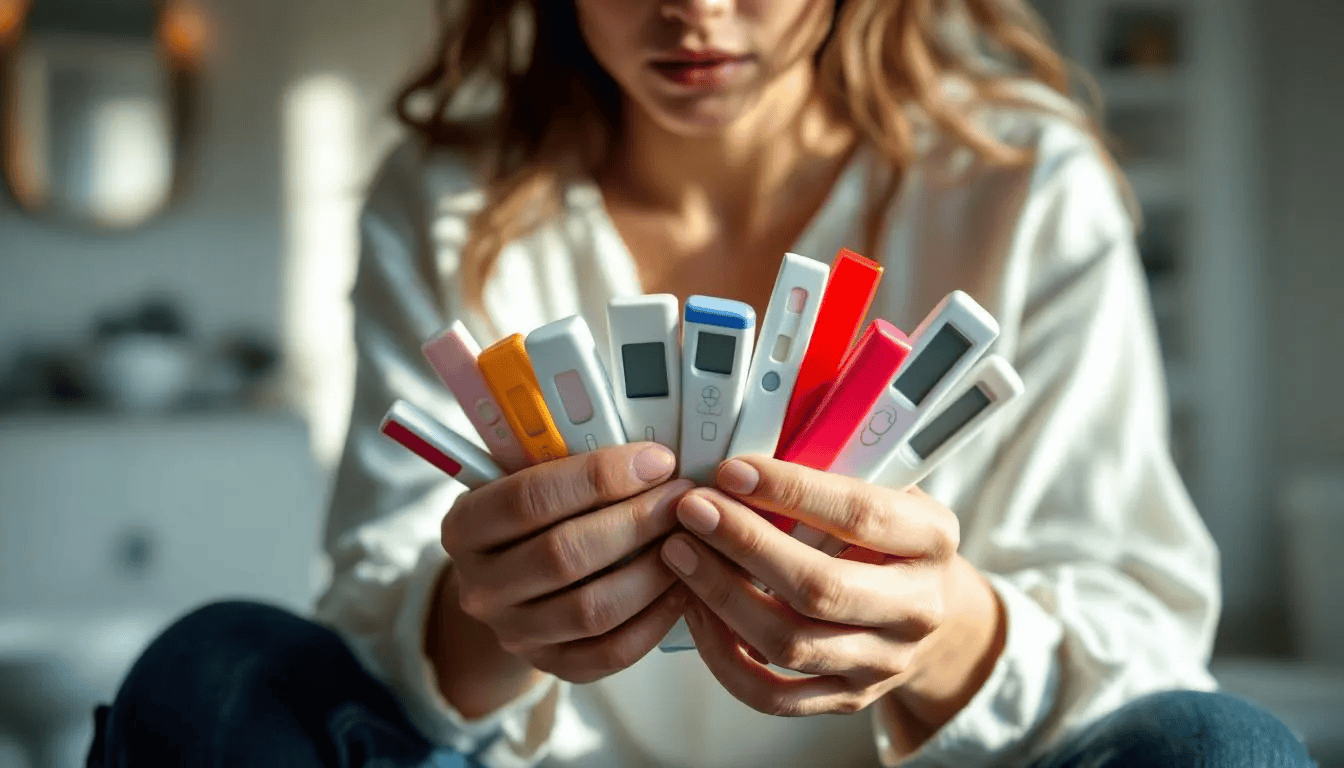
At home pregnancy tests come in several formats. Traditional line tests display results through colored lines or symbols, while digital tests show clear “Pregnant” or “Not Pregnant” messages, eliminating guesswork about faint lines or unclear results. Some advanced digital tests can even estimate how many weeks since conception occurred.
The most sensitive home tests can detect pregnancy as early as five days before your missed period, though accuracy at this early stage varies significantly. Popular brands like First Response Early Result and Clearblue claim 99% accuracy when used from the first day of your missed period, with some offering earlier detection capabilities for women eager to know as soon as possible.
Most tests require you to either hold the test stick directly in your urine stream for several seconds or dip it into a collected urine sample. The test strip contains reactive chemicals that change color when they encounter hCG, with results appearing in a designated window within the specified timeframe.
When selecting a home test, consider factors like sensitivity level, result display format, and whether you prefer testing directly in the urine stream or using a collection cup. Reading the instructions carefully before testing ensures you understand the specific requirements for your chosen test kit.
Clinical Blood Pregnancy Tests
Blood pregnancy tests offered by healthcare providers provide the most accurate and earliest detection of pregnancy available. These tests can detect much lower levels of hCG than urine tests, often confirming pregnancy 7-10 days after conception, well before home tests become reliable.
There are two types of clinical blood tests. A qualitative hcg test simply confirms whether hCG is present or absent, providing a straightforward positive or negative result similar to home tests. A quantitative hcg test, also called a beta hcg test, measures the exact amount of hCG in your blood, providing valuable information about pregnancy progression and health.
Blood tests cost significantly more than home options, typically ranging from $50-200 depending on your healthcare provider and insurance coverage. However, they offer unparalleled accuracy and the ability to detect pregnancy earlier than any at home tests.
Quantitative blood testing proves particularly valuable for women undergoing fertility treatments, those with a history of pregnancy complications, or situations where precise hCG monitoring is medically necessary. Healthcare providers can track how hcg levels change over time to assess pregnancy viability and identify potential issues like ectopic pregnancy or miscarriage risk.
The main disadvantages of blood testing include the need for a healthcare provider appointment, longer wait times for results compared to immediate home testing, and higher costs. However, for women who need the earliest possible detection or medical monitoring, blood pregnancy tests remain the gold standard.
When to Take a Pregnancy Test for Best Accuracy
Timing plays the most critical role in pregnancy test accuracy. Testing too early, before your body has produced sufficient levels of hCG, can result in false negative results even if you are pregnant. Understanding the optimal testing timeline can save you from confusion, disappointment, and the expense of repeated testing.
Optimal Testing Timeline
For women with regular periods, the best time to take a pregnancy test is on the first day of your missed period or later. At this point, if you’re pregnant, your hCG levels should be high enough for reliable detection by most home pregnancy tests. Testing at this time provides the most accurate results with the lowest chance of false negatives.
If you have irregular periods or aren’t sure when your last period occurred, wait at least 36 days from your last period or four weeks after unprotected sex before testing. This timeframe ensures adequate time for conception, implantation, and hCG production to reach detectable levels.
For the earliest possible detection, some sensitive tests claim to detect pregnancy up to five days before your missed period. However, accuracy at this early stage is significantly lower, with many tests detecting pregnancy in only 50-75% of pregnant women. If you choose to test early, be prepared for the possibility of false negatives and plan to retest if your period doesn’t arrive.
Using first morning pee provides the highest concentration of hCG, as overnight urine accumulation allows the hormone to concentrate without dilution from excessive fluid intake. If you can’t test with first morning urine, avoid drinking large amounts of fluids for several hours before testing to prevent diluting your urine.
If your initial test shows a faint line or unclear result, wait 2-3 days and test again. HCG levels double every 48-72 hours in early pregnancy, so a retest after this interval should provide a clearer result if you are indeed pregnant.
Early Pregnancy Symptoms to Watch For
While a missed period remains the most reliable early sign of pregnancy for women with regular cycles, many women experience additional symptoms that might prompt them to take a pregnancy test. Understanding these early signs can help you decide when testing might be appropriate.
Breast tenderness often occurs as one of the earliest pregnancy symptoms, typically beginning 1-2 weeks after conception. Many women describe their breasts feeling sore, heavy, or more sensitive than usual, often more pronounced than typical premenstrual breast tenderness.
Nausea, commonly called morning sickness, affects approximately 70% of pregnant women and can begin as early as two weeks after conception. Despite its name, nausea can occur at any time of day and may be accompanied by food aversions or heightened sensitivity to smells.
Fatigue represents another common early symptom, often described as overwhelming tiredness that doesn’t improve with rest. This occurs due to rapidly rising hormone levels and increased metabolic demands of early pregnancy.
Implantation bleeding affects about 25% of women and occurs 10-14 days after conception when the fertilized egg attaches to the uterine wall. This light spotting is typically much lighter than a normal period and lasts only 1-2 days.
Other symptoms may include frequent urination, mood changes, mild cramping, elevated basal body temperature, and changes in appetite. However, it’s important to remember that symptoms alone cannot confirm pregnancy, and many early pregnancy symptoms can be caused by other factors including stress, illness, or premenstrual syndrome.
How to Use Home Pregnancy Tests Correctly
Proper technique when using home pregnancy tests is essential for obtaining accurate results. Even the most sensitive and expensive tests can provide incorrect results if not used according to the manufacturer’s instructions. Following the correct procedure ensures you get reliable information when you need it most.
Testing Procedure Steps
Before opening your pregnancy test kit, carefully check the expiration date. Expired tests may not work properly and can give inaccurate results. If your test is expired, purchase a new one rather than risking unreliable results during such an important time.
Read all instructions thoroughly before beginning the test. Different brands have varying requirements for urine exposure time, waiting periods, and result interpretation. Even if you’ve used pregnancy tests before, instructions can vary between manufacturers and should always be reviewed.
Collect your urine sample in a clean container if your test requires dipping, or prepare to test directly in the urine stream if that’s the recommended method. If testing with first morning pee, begin the process as soon as you wake up for the highest hCG concentration.
Hold the test strip in your urine stream for exactly the time specified in the instructions, typically 3-5 seconds. If using the dipping method, submerge only the tip of the test strip to the specified depth and for the exact duration recommended. Too little or too much exposure can affect accuracy.
Place the test on a flat, clean surface immediately after urine exposure and wait for the full time specified before reading results. This waiting period, usually 2-5 minutes, allows the chemical reaction to complete properly. Avoid shaking or moving the test during this time.
Read your results within the specified time window, typically between 3-10 minutes after testing. Results read after this window may show evaporation lines or other artifacts that don’t indicate pregnancy but can be confusing.
Factors That Can Affect Test Accuracy
Several factors can interfere with pregnancy test accuracy, leading to false positive or false negative results. Understanding these variables can help you avoid common pitfalls and interpret your results correctly.
Testing too early before hCG levels are detectable represents the most common cause of false negative results. Even if conception has occurred, it takes time for the fertilized egg to implant and begin producing sufficient hCG for detection. Testing before this process completes will show negative results despite pregnancy.
Diluted urine from excessive fluid intake can reduce hCG concentration below detectable levels, particularly in early pregnancy when hormone levels are still rising. If you’ve consumed large amounts of water, coffee, or other fluids, wait several hours or test again with first morning pee for more concentrated urine.
Certain fertility medications containing hCG can cause false positive results. If you’re undergoing fertility treatments, consult your healthcare provider about when to test and how medications might affect your results. Some trigger shots used in fertility procedures contain hCG and can affect test results for up to two weeks.
Some medical conditions, including certain ovarian cysts, kidney disease, or rarely, certain cancers, can affect hCG levels and test results. If you have ongoing health conditions or take medications, discuss pregnancy testing with your healthcare provider for personalized guidance.
Using an expired pregnancy test kit can lead to unreliable results due to degraded chemicals. Always check expiration dates and store tests in cool, dry conditions as recommended by the manufacturer.
Understanding and Interpreting Test Results
Correctly interpreting pregnancy test results requires understanding what different visual indicators mean and how to distinguish between true results and artifacts that can appear on tests. Many women find this aspect of testing confusing, particularly when results appear ambiguous or unexpected.
Positive Test Results
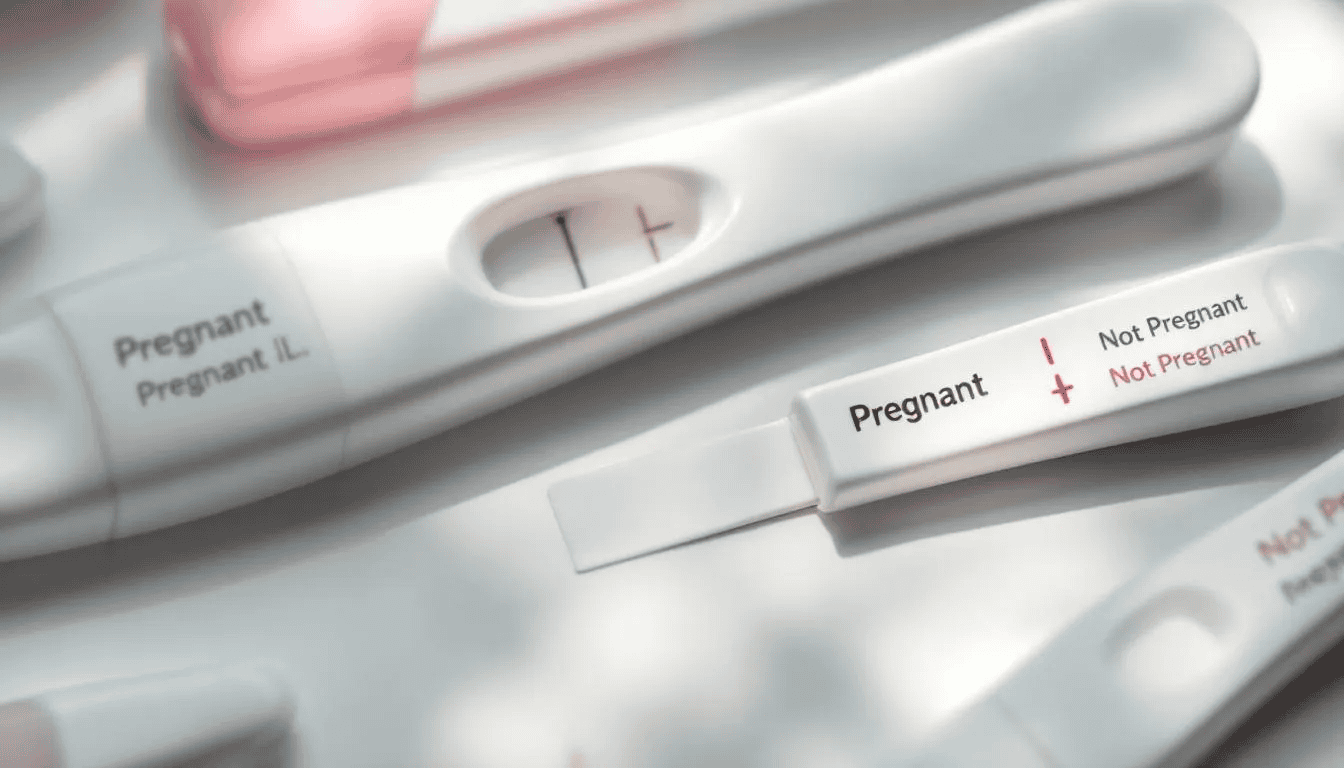
Digital tests provide the clearest positive results, displaying messages like “Pregnant,” “Yes,” or “+” symbols that eliminate ambiguity about interpretation. These tests use the same detection technology as line tests but include electronic components that interpret results for you, reducing user error in reading results.
Traditional line tests show positive results through the appearance of two lines, regardless of whether one line appears darker than the other. Even a faint line typically indicates pregnancy because the test has detected hCG in your urine. The intensity of the line doesn’t necessarily correlate with how far along you are in pregnancy or indicate pregnancy health.
Some tests use plus signs, double lines, or other symbols to indicate positive results. Familiarize yourself with your specific test’s positive result indicator before testing to avoid confusion when interpreting results.
Evaporation lines can appear on tests after the recommended reading time and don’t indicate pregnancy. These lines typically appear gray or colorless and develop when urine evaporates from the test strip. Always read results within the specified timeframe to avoid mistaking evaporation lines for positive results.
Positive pregnancy test results are correct approximately 99% of the time when tests are used properly. False positives are rare and usually result from fertility medications containing hCG, certain medical conditions, or very recent pregnancy loss where hCG levels haven’t yet returned to zero.
Negative Test Results
Negative results appear as single lines, “Not Pregnant” messages, or minus signs, depending on your test format. The control line must appear to confirm that the test worked properly, regardless of whether the result is positive or negative. If no control line appears, the test is invalid and should be repeated with a new kit.
False negative results occur more frequently than false positives and usually result from testing too early before hCG levels are detectable. If you get a negative test result but your period doesn’t arrive within a week, consider retesting or consulting your healthcare provider for a blood test.
Some women experience negative test results even when pregnant due to variations in hCG production, implantation timing, or individual hormone levels. If you continue experiencing pregnancy symptoms with negative home tests, request a blood pregnancy test from your healthcare provider for definitive results.
Reading results outside the specified time window can lead to misinterpretation. After the recommended reading period, chemical changes in the test can create lines or changes that don’t reflect actual hCG presence. Always discard tests after reading to avoid confusion later.
If you receive conflicting results from multiple tests, consult your healthcare provider for professional evaluation. Variations between test brands, user technique, or individual factors can sometimes create confusing results that require medical assessment.
Test Accuracy Rates and Reliability
Understanding pregnancy test accuracy helps set realistic expectations and know when additional testing might be necessary. While manufacturers often claim 99% accuracy, real-world performance depends heavily on timing, technique, and individual factors that affect hCG levels and detection.
Home Test Accuracy Statistics
Most pregnancy tests claim 99% accuracy when used from the first day of a missed period, and this figure is generally accurate for quality home tests when used correctly. However, accuracy decreases significantly when testing before this optimal timing, with many tests detecting only 75-85% of pregnancies when used before a missed period.
Early detection tests vary considerably in their ability to detect pregnancy before a missed period. First Response Early Result claims to detect pregnancy in 76% of women five days before their expected period, while other brands may have lower sensitivity at this early timeframe. These statistics highlight why timing is crucial for reliable results.
The false positive rate for quality home pregnancy tests is less than 1%, meaning positive results are almost always correct. When false positives do occur, they’re typically due to fertility medications containing hCG, certain medical conditions, or very recent pregnancy loss.
False negative rates depend heavily on timing, ranging from 5-10% when used after a missed period to 25-50% when used too early in the cycle. This higher false negative rate explains why many healthcare providers recommend waiting until after a missed period for the most reliable home testing results.
Test sensitivity varies between brands, with some detecting hCG levels as low as 25 mIU/mL while others require 50 mIU/mL or higher. More sensitive tests can detect pregnancy earlier but may also be more prone to false positives from very low hCG levels that don’t result in viable pregnancies.
Blood Test Accuracy Comparison
Blood pregnancy tests offer 99.9% accuracy and can detect much lower hCG levels than urine tests, typically identifying pregnancy 7-10 days after conception. This earlier detection window makes blood tests the gold standard for confirming pregnancy when timing is critical.
Quantitative blood tests provide exact hCG measurements, allowing healthcare providers to track hormone levels over time and assess pregnancy progression. Normal hCG doubling patterns help identify healthy pregnancies, while abnormal patterns may indicate ectopic pregnancy, miscarriage risk, or other complications.
Blood tests are rarely affected by medications, medical conditions, or user error that can influence home test results. The laboratory environment and professional processing ensure consistent, reliable results across different patients and circumstances.
Clinical blood testing proves particularly valuable for women with irregular cycles, those undergoing fertility treatments, or anyone with a history of pregnancy complications requiring close monitoring. The precise measurements possible with quantitative testing enable healthcare providers to make informed decisions about pregnancy management and care.
While blood tests offer superior accuracy and earlier detection, they require healthcare provider visits, take longer to process than instant home tests, and cost significantly more. For routine pregnancy detection in healthy women, home urine tests provide adequate accuracy with much greater convenience and lower cost.
What to Do After Getting Test Results
The period immediately following a pregnancy test can feel overwhelming, regardless of whether your result matches your expectations. Understanding the appropriate next steps helps ensure you receive proper care and make informed decisions about your health and future plans.
After a Positive Test
Schedule an appointment with your healthcare provider within 6-8 weeks of your last menstrual period for confirmation and early prenatal care. While home pregnancy tests are highly accurate, professional confirmation ensures proper documentation and begins the process of prenatal monitoring and care.
Start taking prenatal vitamins containing 400-800 mcg of folic acid immediately, even before your first prenatal appointment. Folic acid helps prevent neural tube defects and should be taken throughout early pregnancy when these critical developmental processes occur. Many healthcare providers recommend beginning folic acid supplementation when trying to conceive.
Make immediate lifestyle changes to support healthy pregnancy development. This includes avoiding alcohol and smoking entirely, limiting caffeine intake to under 200mg daily (about one cup of coffee), and reviewing any medications with your healthcare provider to ensure they’re safe during pregnancy.
Calculate your estimated due date using the first day of your last menstrual period to help plan for prenatal care and prepare for pregnancy milestones. Many online calculators and mobile apps can help track pregnancy progress and important developmental stages.
Consider discussing your pregnancy plans, including work accommodations, insurance coverage, and support systems with your partner or trusted family members. Early planning helps reduce stress and ensures you have adequate support throughout your pregnancy journey.

After a Negative Test
If your period doesn’t arrive within one week of your negative test result, consider retesting with a new pregnancy test kit. HCG levels continue rising in early pregnancy, so a test that was negative due to early timing may become positive a few days later.
Track your menstrual cycle length and symptoms for future reference, particularly if you’re trying to conceive or want to better understand your reproductive patterns. This information helps healthcare providers assess your reproductive health and can be valuable for family planning.
Consider underlying causes of missed periods if you’re not pregnant, including stress, significant weight changes, excessive exercise, hormonal imbalances, or medical conditions affecting your menstrual cycle. Persistent irregular periods warrant evaluation by a healthcare provider.
Continue using contraception if pregnancy is not desired, even after a negative test result. Negative results don’t prevent future pregnancy, and consistent contraceptive use remains important for family planning goals.
Consult your healthcare provider if periods remain irregular, if you experience persistent pregnancy symptoms despite negative tests, or if you have concerns about your reproductive health. Professional evaluation can identify treatable conditions affecting your menstrual cycle.
Common Questions and Concerns
Many women have specific questions about pregnancy testing related to their unique circumstances, medical history, or life situations. Understanding how various factors affect testing helps you make informed decisions and know when to seek professional guidance.
Special Situations and Considerations
Women who are breastfeeding can still detect new pregnancies with standard pregnancy tests, as nursing doesn’t interfere with hCG detection. However, breastfeeding can affect menstrual cycle regularity, making it more difficult to determine optimal testing timing. If you’re breastfeeding and suspect pregnancy, test after any missed periods or if you experience pregnancy symptoms.
Women undergoing fertility treatments should follow their clinic’s specific guidelines for pregnancy testing timing. Some fertility medications and procedures can affect hCG levels, and trigger shots used before ovulation can cause false positive results for up to 10-14 days. Your fertility specialist will provide precise instructions about when to test for accurate results.
Age-related factors can affect pregnancy testing, particularly for women over 40 who may have different hCG production patterns or irregular menstrual cycles. While pregnancy tests work the same way regardless of age, older women may benefit from earlier professional confirmation and monitoring due to increased risks associated with pregnancy after 35.
Previous miscarriage history doesn’t affect future pregnancy test accuracy, but women with pregnancy loss experience may feel more anxious about testing and results. Consider discussing your concerns with a healthcare provider who can provide appropriate support and monitoring based on your individual medical history.
Birth control pills and most other hormonal contraceptives don’t interfere with pregnancy test results or hCG detection. However, if you become pregnant while using contraception, it’s important to discuss this with your healthcare provider to ensure appropriate prenatal care and assess any potential risks.
When to Seek Professional Testing
Conflicting results from multiple home pregnancy tests warrant professional evaluation through blood testing. If you receive both positive and negative results, or if results don’t align with your symptoms, consult your healthcare provider for definitive testing and evaluation.
Women experiencing clear pregnancy symptoms like missed periods, nausea, and breast tenderness but consistently negative home tests should request professional blood testing. While rare, some women have hCG levels that home tests can’t detect, or medical conditions that affect urine testing accuracy.
Any history of ectopic pregnancy requires early professional monitoring with quantitative blood testing to track hCG levels appropriately. Ectopic pregnancies can be life-threatening and require immediate medical attention, making professional testing crucial for women with this risk factor.
Irregular menstrual cycles make timing home pregnancy tests difficult and can lead to frustrating false negative results. Women with unpredictable cycles benefit from professional guidance about testing timing and may need blood tests for reliable results.
High-risk pregnancies due to medical conditions, advanced maternal age, or pregnancy complications benefit from early professional confirmation and monitoring. Healthcare providers can assess individual risk factors and develop appropriate care plans based on professional testing results and medical history.
Consider professional testing if you’re taking new medications that might affect pregnancy test results, have been trying to conceive for an extended period without success, or have any concerns about your reproductive health that home testing can’t address adequately.
Conclusion
Understanding how pregnancy tests work, when to use them, and how to interpret results empowers you to make informed decisions about your reproductive health. Whether you’re hoping for a positive result or seeking peace of mind, accurate testing depends on proper timing, correct technique, and realistic expectations about test limitations.
Remember that while home pregnancy tests offer remarkable convenience and accuracy, they’re just the first step in confirming pregnancy. Professional medical confirmation provides the foundation for proper prenatal care and ensures the best possible outcomes for both mother and baby. If you have any concerns about your test results or reproductive health, don’t hesitate to consult with your healthcare provider for personalized guidance and support.
The key to successful pregnancy testing lies in patience, proper timing, and understanding that early detection isn’t always necessary or advisable. By following the guidelines outlined in this comprehensive guide, you can navigate pregnancy testing with confidence and get the accurate results you need during this important time in your life.