

Noticing changes in vaginal discharge during pregnancy can be concerning, especially for first-time mothers. The good news is that increased vaginal discharge is one of the most common early pregnancy symptoms and is typically completely normal. Understanding what constitutes healthy vaginal discharge versus signs that require medical attention can provide peace of mind during this transformative time.
Pregnancy brings numerous bodily changes as hormone levels fluctuate dramatically to support your growing baby. Among these changes, many women notice more vaginal discharge beginning as early as the first few weeks of pregnancy. While this can feel alarming initially, learning to distinguish between normal discharge and potential warning signs empowers you to make informed decisions about your healthcare during pregnancy.
This comprehensive guide will help you understand what pregnancy discharge is, when it’s normal, and when to contact your healthcare provider for further guidance. We’ll explore the biological mechanisms behind these changes, common infections that can affect vaginal discharge, and practical prevention methods to maintain optimal vaginal health throughout your healthy pregnancy.
What is Pregnancy Discharge?
Pregnancy discharge, medically known as leukorrhea, refers to the increased vaginal discharge that most pregnant women experience throughout their pregnancy journey. This discharge typically appears as thin, clear, or milky white secretions with a mild odor or no smell at all. The increase in discharge represents your body’s natural response to hormonal shifts that begin almost immediately after a fertilized egg attaches to the uterine wall.

The medical term leukorrhea describes the normal, non-pathological vaginal discharge that increases significantly during pregnancy. This discharge serves several important protective functions, including maintaining the vaginal environment’s delicate balance and creating a barrier against harmful bacteria that could potentially threaten your developing baby.
Most women first notice changes in their vaginal discharge starting approximately 6-12 days after conception, though this timing can vary. Early pregnancy discharge often coincides with other early pregnancy symptoms like missed period, breast tenderness, and frequent urination. For many women, increased discharge becomes one of the first indicators that prompts them to take a home pregnancy test.
The increase in vaginal discharge during pregnancy is completely normal and expected. Your body produces more cervical mucus and vaginal secretions to support the changing needs of pregnancy. This natural process helps keep the vagina clean and maintains an environment that protects both you and your developing baby from potential infections.
Understanding that increased vaginal discharge represents a normal part of pregnancy can help alleviate anxiety many women experience when they notice these changes. However, knowing the difference between normal discharge and signs of potential problems remains crucial for maintaining your health throughout pregnancy.
Characteristics and Types of Pregnancy Discharge
Normal pregnancy discharge exhibits specific characteristics that distinguish it from concerning symptoms. Healthy vaginal discharge during pregnancy typically appears thin and milky, similar in consistency to skim milk. The color ranges from clear to white or pale yellow, and the discharge should have either no odor or only a very mild scent.
The volume of discharge increases progressively throughout pregnancy, with many women noticing the most significant changes during the early stages when hormonal fluctuations are most dramatic. Early pregnancy discharge tends to be more abundant than your regular discharge during a typical menstrual cycle, reflecting the body’s heightened hormonal activity.
Normal Discharge | Concerning Discharge |
|---|---|
Clear, white, or pale yellow | Green, bright yellow, or gray |
Thin, milky consistency | Thick and clumpy or frothy |
Mild or no odor | Strong, fishy, or foul smell |
No itching or burning | Accompanied by itching or pain |
Gradual volume increase | Sudden dramatic changes |
First Trimester Discharge
During the first trimester of pregnancy, hormonal changes create the most noticeable alterations in vaginal discharge. Rising hormone levels, particularly estrogen and progesterone, stimulate the cervical glands to produce increased amounts of mucus. This early pregnancy discharge helps establish the protective environment necessary for healthy fetal development.
Women typically notice that their discharge becomes more abundant within the first few weeks after their last menstrual period. The discharge during early pregnancy often appears slightly thicker than pre-pregnancy discharge but maintains its clear or milky white appearance. Some women describe early pregnancy discharge as having a slightly sticky texture compared to their normal vaginal discharge.
Implantation bleeding represents another type of discharge that can occur during the early stages of pregnancy. This light spotting appears as pink or brown discharge and occurs when the fertilized egg implants into the uterine wall, typically 6-12 days after conception. Implantation bleeding differs significantly from a regular menstrual period, appearing much lighter and lasting only 1-2 days.
Second and Third Trimester Changes
As pregnancy progresses into the second and third trimesters, discharge characteristics continue to evolve. The volume of discharge typically increases further, and many women notice that the consistency becomes somewhat thicker. These changes reflect the ongoing hormonal fluctuations and the body’s continued preparation for delivery.
During the third trimester, particularly in the weeks leading up to delivery, you may notice changes related to the mucus plug. The mucus plug forms early in pregnancy to seal the cervical opening and protect your baby from bacteria. As your body prepares for labor, this plug may be discharged as thick, sticky, jelly-like mucus that can appear clear, pink, or slightly blood-tinged.
The “bloody show” represents the loss of the mucus plug and typically occurs in the days or weeks before labor begins. This discharge appears as thick, sticky mucus with pink or brown streaks from small amounts of blood. While losing the mucus plug indicates that your body is preparing for delivery, it doesn’t necessarily mean labor will begin immediately.
Hormonal Changes During Pregnancy
The dramatic hormonal shifts that occur during pregnancy directly cause the increase in vaginal discharge that most women experience. Understanding these hormonal changes helps explain why more vaginal discharge is not only normal but necessary for maintaining a healthy pregnancy.
Progesterone levels increase substantially during early pregnancy, and this hormone serves as the primary driver behind increased cervical mucus production. Progesterone stimulates the cervical glands to produce larger quantities of protective mucus, creating the characteristic increase in discharge volume that many women notice as one of their first pregnancy symptoms.
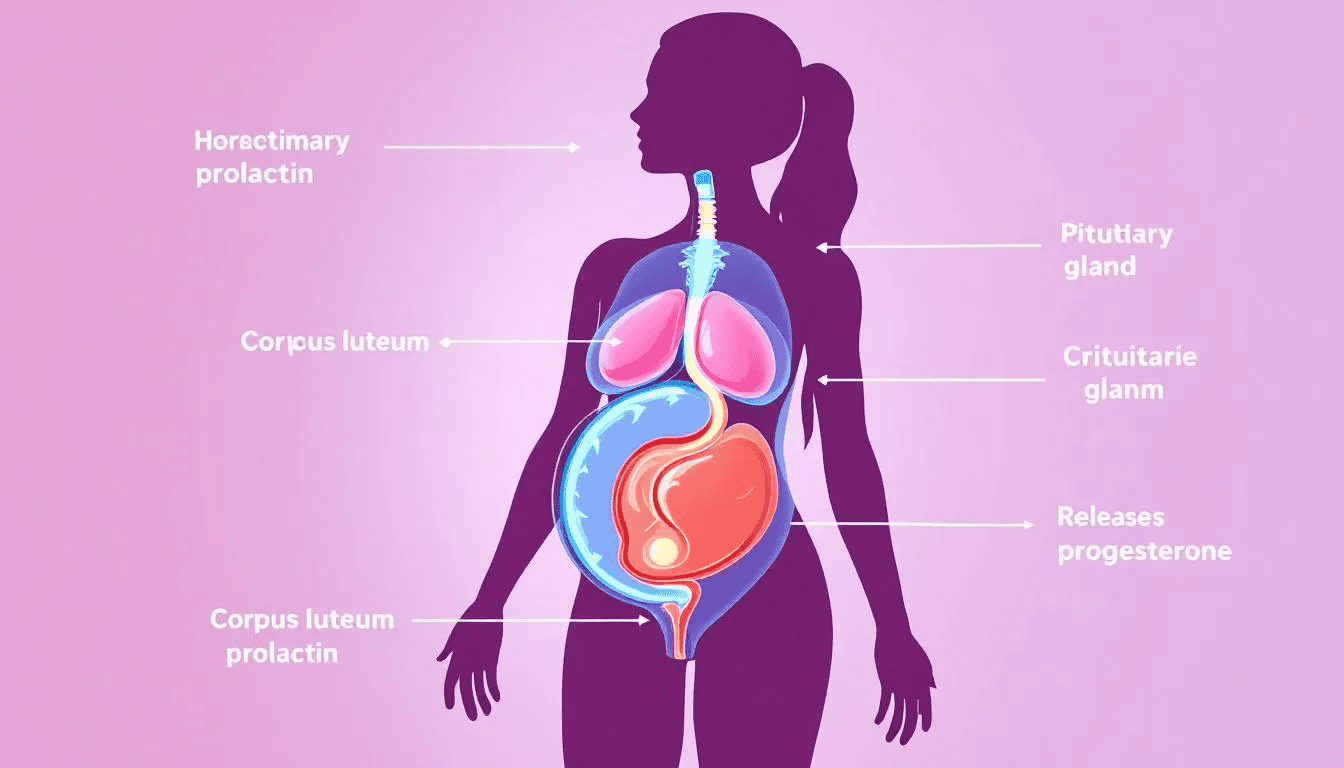
Estrogen also plays a crucial role in affecting vaginal discharge during pregnancy. Rising estrogen levels increase blood flow to the pelvic area and stimulate additional vaginal secretions. The combination of increased progesterone and estrogen creates the perfect environment for enhanced discharge production throughout pregnancy.
These hormonal fluctuations begin almost immediately after conception when the fertilized egg begins producing human chorionic gonadotropin (hCG). This hormone signals the ovaries to continue producing progesterone and estrogen at levels much higher than during a normal menstrual cycle. The sustained elevation of these hormones maintains the pregnancy and continues to affect discharge production throughout all three trimesters.
The increased cervical mucus serves important protective functions during pregnancy. The abundant mucus helps prevent harmful bacteria from ascending through the cervix into the uterus, where they could potentially cause infections that might affect your baby’s development. This natural barrier represents one of your body’s many adaptations to support a healthy pregnancy.
Blood flow increases significantly to the vaginal tissues during pregnancy, contributing to the enhanced production of vaginal secretions. This increased circulation supports the changing needs of your reproductive system and helps maintain the optimal environment for fetal development.
Common Vaginal Infections During Pregnancy
While increased vaginal discharge is normal during pregnancy, certain changes in discharge characteristics can indicate vaginal infections that require medical treatment. Pregnancy can increase susceptibility to certain infections due to hormonal changes that affect the vaginal environment’s natural balance.
Bacterial vaginosis represents one of the most common vaginal infections during pregnancy. This condition manifests as thin, gray or grayish-white vaginal discharge accompanied by a distinctive fishy odor that becomes more pronounced after intercourse. Bacterial vaginosis results from an imbalance in the naturally occurring bacteria in the vagina, where harmful bacteria multiply and overwhelm the protective lactobacilli.
Untreated bacterial vaginosis during pregnancy can lead to serious pregnancy complications, including preterm labor and delivery. The infection can also increase the risk of developing other complications that may affect both maternal and fetal health. Healthcare providers can effectively treat bacterial vaginosis with pregnancy-safe antibiotics.
Yeast infections also occur frequently during pregnancy due to hormonal changes that can disrupt the vaginal environment. A vaginal yeast infection typically presents as thick, white discharge resembling cottage cheese, accompanied by intense itching and burning sensations around the vaginal area. The discharge from a yeast infection often lacks the typical odor associated with other infections.
Sexually transmitted infections can significantly affect vaginal discharge during pregnancy and require immediate medical attention. Green or bright yellow vaginal discharge often indicates STIs such as chlamydia or trichomoniasis. These infections may cause additional symptoms including pelvic pain, burning during urination, and unusual vaginal discharge that smells unpleasant.
Urinary Tract Infections and Discharge
Urinary tract infections occur more frequently during pregnancy due to anatomical changes that affect normal urine flow. While UTIs primarily affect the urinary system, they can sometimes influence vaginal discharge characteristics. Women with UTIs may notice changes in their normal discharge patterns, particularly if the infection spreads or causes inflammation in surrounding tissues.
UTI symptoms during pregnancy include frequent urination, burning sensation during urination, cloudy or strong-smelling urine, and sometimes changes to vaginal discharge. Pregnant women should seek medical attention promptly for suspected UTIs, as these infections can lead to kidney infections or other pregnancy complications if left untreated.
Group B Streptococcus (GBS) Screening
Group B Streptococcus screening represents a routine but crucial part of prenatal care that typically occurs between 35-37 weeks of pregnancy. This screening involves collecting vaginal and rectal cultures to determine whether you carry GBS bacteria, which affects approximately 10-30% of pregnant women.
GBS colonization doesn’t usually cause symptoms or affect the characteristics of your normal vaginal discharge. Most women who test positive for GBS feel completely normal and experience no changes to their regular discharge patterns. The bacteria can come and go naturally, which is why testing occurs close to your delivery date.

The screening procedure involves your healthcare professional collecting samples from your vagina and rectum using sterile swabs. The process is quick and typically causes minimal discomfort. Laboratory analysis of these samples determines whether GBS bacteria are present in detectable quantities.
If your GBS screening is positive, your healthcare provider will recommend intravenous antibiotics during labor to prevent transmission of the bacteria to your baby during delivery. GBS can cause serious infections in newborns, including pneumonia, sepsis, and meningitis, making prevention through maternal treatment essential.
Understanding GBS screening helps you prepare for this routine test and reinforces that carrying GBS bacteria doesn’t indicate a problem with your vaginal health or hygiene. Many healthy women carry GBS bacteria without any symptoms or complications, and proper treatment during delivery effectively prevents transmission to babies.
Warning Signs of Abnormal Discharge
Recognizing the warning signs of abnormal vaginal discharge during pregnancy empowers you to seek medical attention when necessary. While increased discharge volume is normal, certain characteristics indicate potential infections or complications requiring professional evaluation.
Unusual vaginal discharge colors serve as important warning signs. Green discharge typically indicates bacterial infections or sexually transmitted infections requiring immediate treatment. Bright yellow discharge, particularly when accompanied by other symptoms, may signal STIs or other infections. Gray discharge, especially with a fishy smell, strongly suggests bacterial vaginosis.
Strong or unusual odors represent another critical warning sign. While normal pregnancy discharge should have little to no odor, a fishy smell often indicates bacterial vaginosis. Foul-smelling discharge can suggest various infections that need medical treatment to prevent pregnancy complications.
Discharge accompanied by itching, burning, or pain indicates potential vaginal infections rather than normal pregnancy changes. A yeast infection commonly causes intense itching along with thick, white discharge. STIs may cause burning sensations, particularly during urination, along with abnormal discharge colors.
Here’s a checklist of concerning symptoms that require medical attention:
- Green, bright yellow, or gray discharge
- Strong fishy, metallic, or foul odors
- Thick, clumpy discharge resembling cottage cheese
- Itching, burning, or pain in the vaginal area
- Discharge accompanied by fever or chills
- Heavy bleeding or continuous watery flow
- Severe pelvic pain or cramping with abnormal discharge
Bright red bleeding or continuous watery discharge requires immediate medical attention, as these symptoms can indicate serious complications like miscarriage, preterm labor, or rupture of membranes. Any discharge changes accompanied by severe abdominal pain, fever, or other concerning symptoms warrant urgent evaluation.
Trust your instincts about changes in your body. If something feels different or concerning about your vaginal discharge, contact your healthcare provider for guidance. Many women experience anxiety about discharge changes during pregnancy, and healthcare providers expect and welcome questions about these symptoms.
Hygiene and Prevention Methods
Maintaining proper hygiene during pregnancy supports vaginal health and can help prevent infections that affect vaginal discharge. Simple daily practices can significantly reduce your risk of developing bacterial vaginosis, yeast infections, and other conditions that cause abnormal discharge.
Proper genital hygiene involves gentle cleansing with warm water and mild, unscented soap. Avoid using douches, scented soaps, or harsh cleansers that can disrupt the natural bacterial balance in your vagina. The vaginal environment maintains its own delicate balance, and aggressive cleaning can actually increase infection risk rather than prevent it.
Cotton underwear provides the best choice for maintaining vaginal health during pregnancy. Cotton allows air circulation and absorbs moisture better than synthetic materials, helping to keep the vaginal area dry and reducing conditions that promote bacterial or fungal growth. Change underwear daily and consider changing more frequently if you experience heavy discharge.
Panty liners can help manage increased discharge during pregnancy, but choose unscented options and change them regularly throughout the day. Avoid using tampons during pregnancy, as they can increase infection risk and may interfere with normal vaginal discharge patterns.
Lifestyle Modifications
Staying well-hydrated supports overall health and helps maintain healthy vaginal secretions during pregnancy. Drinking plenty of water throughout the day supports your body’s natural cleansing processes and can help prevent urinary tract infections that sometimes affect vaginal discharge.
Wearing loose-fitting clothing, particularly around the pelvic area, helps prevent moisture buildup that can contribute to yeast infections and bacterial imbalances. Tight clothing can trap moisture and heat, creating conditions that promote harmful bacterial growth.
Dietary choices can also influence vaginal health during pregnancy. Consuming probiotics through yogurt or supplements may help maintain beneficial bacteria in the vaginal environment. Some healthcare providers recommend probiotic supplements specifically for preventing recurrent yeast infections, though you should discuss this with your doctor before starting any supplements.
Avoid products that can irritate the vaginal area or disrupt natural bacterial balance. This includes scented feminine hygiene products, bubble baths, perfumed laundry detergents on underwear, and fabric softeners. These products can cause irritation that makes you more susceptible to infections.
Medical Screening and Treatment Options
Regular prenatal visits include assessments of vaginal discharge as part of routine pregnancy monitoring. Your healthcare provider will ask about changes in discharge patterns and may perform examinations to ensure your vaginal health remains optimal throughout pregnancy.
Healthcare providers can perform various diagnostic tests when abnormal discharge occurs during pregnancy. Vaginal swab tests help identify specific bacteria, fungi, or other organisms causing infections. These tests are safe during pregnancy and provide essential information for selecting appropriate treatments.
Laboratory testing for vaginal infections during pregnancy may include microscopic examination of discharge samples, bacterial cultures, or DNA-based tests for specific pathogens. Results typically become available within a few days, allowing for prompt treatment initiation when infections are identified.

Pregnancy-safe treatment options exist for most vaginal infections. Topical antifungal medications effectively treat yeast infections during pregnancy, while specific antibiotics can address bacterial vaginosis and other bacterial infections. Your healthcare provider will select medications that are safe for use during your specific trimester of pregnancy.
Treatment Timing and Safety
Different trimesters of pregnancy have varying considerations for medication safety. First trimester treatment requires extra caution, as this period represents critical organ development for your baby. Your healthcare provider will weigh the risks and benefits of treatment options during early pregnancy.
Oral medications may be preferred over topical treatments in some cases, or vice versa, depending on the specific infection and trimester. Your healthcare provider will explain the reasoning behind treatment recommendations and address any concerns you may have about medication safety during pregnancy.
Follow-up care after infection treatment typically involves repeat testing to confirm that the infection has been successfully eliminated. Some infections require ongoing monitoring or repeat treatments if initial therapy proves insufficient. Completing the full course of prescribed medications is essential, even if symptoms improve quickly.
Untreated vaginal infections during pregnancy can lead to serious pregnancy complications, making prompt treatment crucial for both maternal and fetal health. Healthcare providers prioritize treating infections during pregnancy to prevent complications like preterm labor, low birth weight, and neonatal infections.
When to Contact Your Healthcare Provider
Knowing when to contact your healthcare provider about discharge changes helps ensure you receive timely care when needed while avoiding unnecessary anxiety about normal pregnancy symptoms. Understanding the difference between routine concerns and urgent situations empowers you to make appropriate decisions about seeking medical care.
Contact your healthcare provider promptly if you experience green, yellow, or gray vaginal discharge, as these colors typically indicate infections requiring treatment. Similarly, any discharge with a strong, fishy, or foul smell warrants medical evaluation, even if you feel otherwise well.
Discharge accompanied by itching, burning, or pain should be evaluated by a healthcare professional. These symptoms often indicate yeast infections or other treatable conditions that can worsen without appropriate care. Don’t attempt to self-diagnose or treat these symptoms with over-the-counter medications without first consulting your doctor.
Urgent medical attention is necessary for bright red bleeding, especially when accompanied by cramping or pelvic pain. Continuous watery discharge that soaks through pads may indicate rupture of membranes and requires immediate evaluation. Any discharge changes accompanied by fever, severe abdominal pain, or feeling generally unwell should prompt immediate contact with your healthcare provider.
When calling your healthcare provider about discharge concerns, be prepared to describe the color, consistency, odor, and any accompanying symptoms. Note when the changes began and whether they seem to be worsening or improving. This information helps your provider assess the urgency of your situation and provide appropriate guidance.
Many healthcare providers have nurse hotlines or after-hours services for pregnancy-related concerns. Don’t hesitate to use these resources if you’re worried about discharge changes, especially outside of normal office hours. Healthcare providers expect questions about pregnancy symptoms and would rather evaluate you unnecessarily than miss a potentially serious condition.
Remember that most changes in vaginal discharge during pregnancy represent normal physiological adaptations rather than serious problems. However, staying vigilant about warning signs and maintaining open communication with your healthcare provider ensures that any issues are identified and treated promptly.
Understanding pregnancy discharge and its normal variations helps you navigate this aspect of pregnancy with confidence. While increased vaginal discharge is one of the most common pregnancy symptoms, recognizing when changes warrant medical attention protects both your health and your baby’s wellbeing. Trust your instincts, maintain good hygiene practices, and don’t hesitate to seek professional guidance when you have concerns about any aspect of your pregnancy journey.