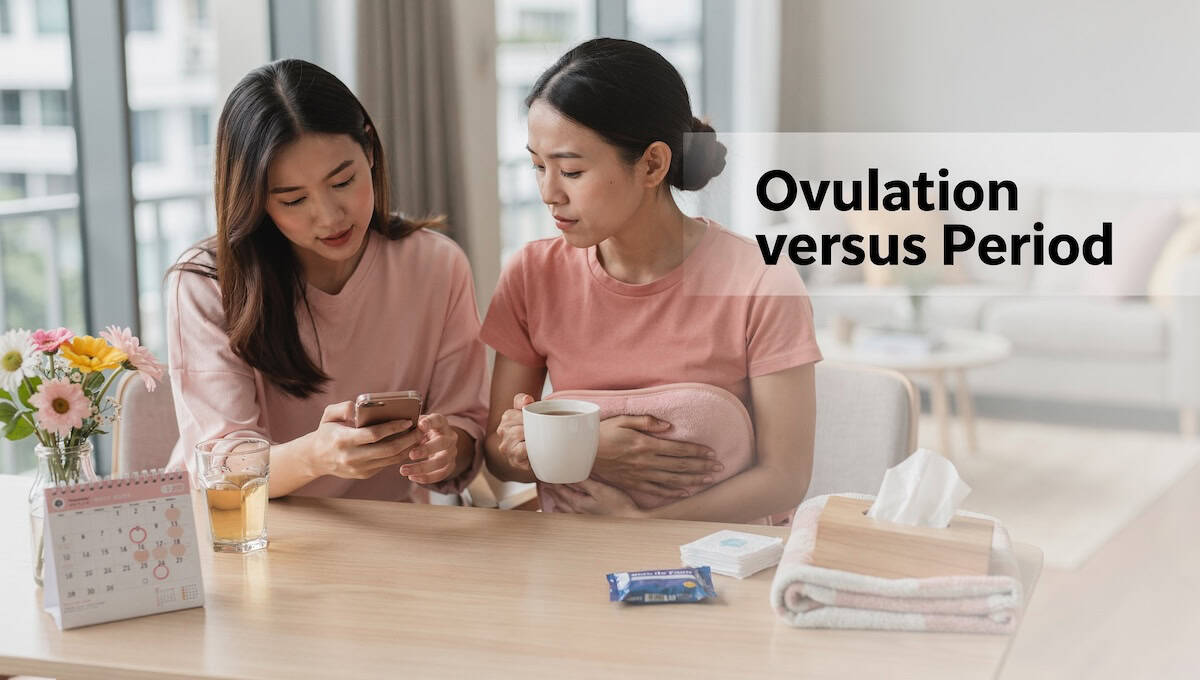
Many women find themselves confused about whether they’re experiencing ovulation or period symptoms, often wondering if these are interchangeable terms. While both are essential parts of your reproductive health, ovulation and your menstrual period represent distinctly different phases of your normal menstrual cycle. Understanding these differences is crucial for fertility tracking, family planning, and overall women’s health.
Whether you’re trying to get pregnant, avoid pregnancy, or simply want to better understand your body, knowing how to distinguish between ovulation and your period can empower you to make informed decisions about your reproductive health. In this comprehensive guide, we’ll explore the core biological differences, help you identify specific symptoms, and provide practical tracking methods to monitor both phases of your cycle.

What is Ovulation vs What is a Period?
Ovulation occurs when a mature egg is released from the dominant follicle in your ovary, typically happening 12-16 days before your next period begins. During this process, the pituitary gland releases a surge of luteinizing hormone, triggering the follicle to rupture and release the egg into the fallopian tube. This represents your most fertile window when you’re most likely to get pregnant if you have unprotected sex.
Your menstrual period, on the other hand, marks the beginning of each new cycle when your body sheds the thickened womb lining that developed in preparation for a potential pregnancy. The menstrual flow typically lasts 3-7 days and occurs when estrogen and progesterone levels drop significantly, signaling that pregnancy hasn’t occurred.
Both ovulation and your period are integral components of the 21-35 day menstrual cycle, with the average being a 28 day menstrual cycle. It’s important to understand that ovulation or period represents different phases of the same reproductive process, not alternative options. The menstrual cycle length varies among individuals, but the relationship between these two events remains consistent.
The female reproductive tract undergoes remarkable changes throughout this cycle. During the follicular phase, fsh stimulates multiple follicles to develop, though only one follicle typically becomes dominant and releases a mature egg during ovulation. After the egg is released, it travels through the fallopian tube while progesterone levels rise during the luteal phase, preparing the uterine lining for potential implantation.
Core Biological Differences Between Ovulation and Periods
The timing differences between ovulation and menstruation are fundamental to understanding your cycle. Ovulation occurs mid-cycle, typically around day 14 in a 28 day menstrual cycle, while your period begins the cycle at day 1. This timing relationship helps you predict ovulation by counting backward from your expected next period.
Hormonal triggers represent another key distinction. The lh surge, which increases luteinizing hormone levels by up to 10-fold, triggers ovulation approximately 36-44 hours after it begins. Conversely, your menstrual period results from the withdrawal of progesterone and estrogen when a fertilised egg doesn’t implant in the uterine lining.
The physical processes involved are completely different. During ovulation, the dominant follicle develops a hole called the stigma through which the secondary oocyte exits into the abdominal cavity. Your period involves the coordinated shedding of the endometrial lining that has thickened throughout the cycle under the influence of hormones estrogen and progesterone.
Duration varies significantly between these two events. Ovulation occurs over approximately 12-24 hours, representing the exact timing when the egg is released and available for fertilization. Your menstrual period lasts much longer, typically 3-7 days, as the body gradually sheds the endometrial tissue through menstrual flow.
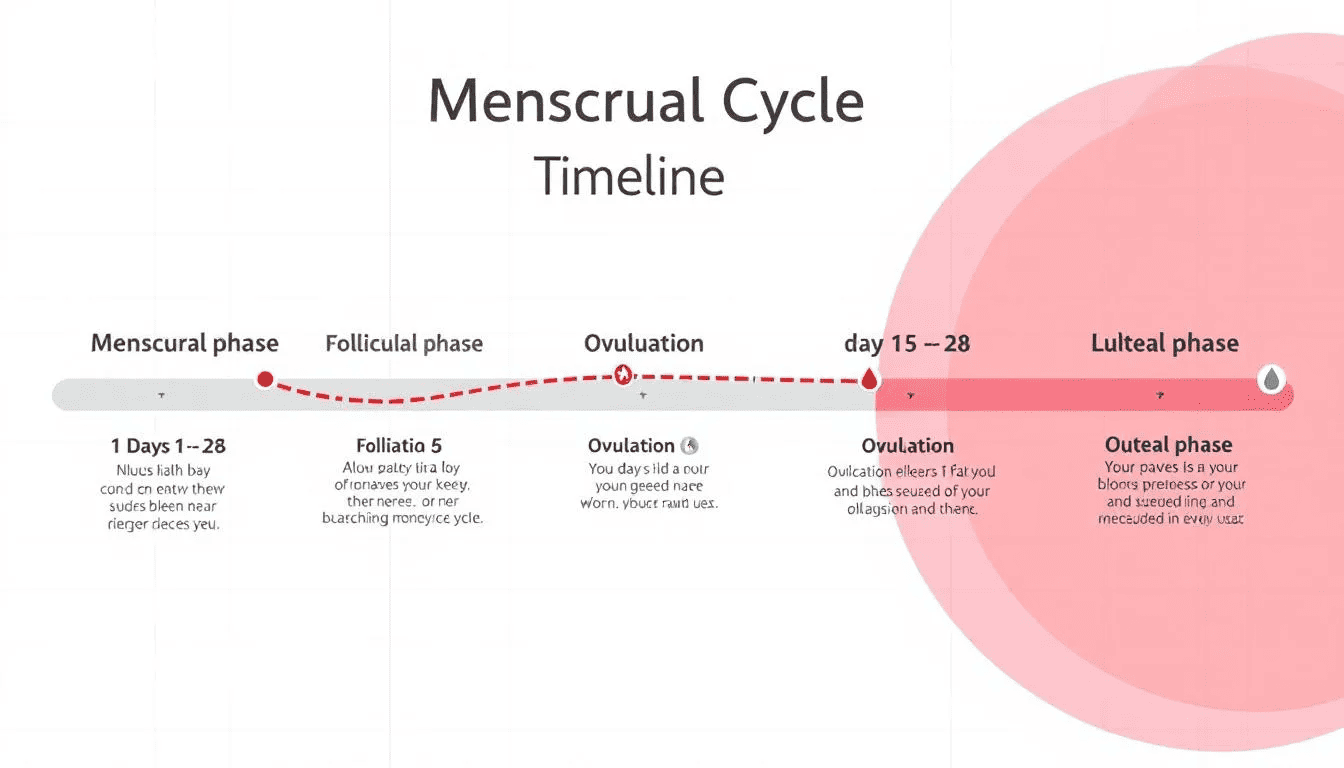
Understanding ovulation requires recognizing that this brief window determines your fertile window. The egg travels down the fallopian tube for about 12-24 hours after release, while sperm can survive in the female reproductive tract for up to 5 days. This creates a fertile window of approximately 6 days during each cycle.
How to Tell if You’re Ovulating or Having Your Period
Recognizing whether you’re experiencing ovulation or your period involves understanding distinct symptom patterns and timing indicators. Your menstrual period presents unmistakable signs including menstrual blood flow, which can range from light spotting to heavy bleeding requiring frequent pad or tampon changes. Period symptoms typically include uterine cramping in the lower abdomen, bloating, mood changes, and breast tenderness that many women experience consistently each cycle.
Ovulation signs are more subtle but equally important to recognize. The most reliable indicator is changes in cervical mucus, which becomes clear, stretchy, and resembles raw egg whites when you’re most fertile. This fertile cervical mucus helps sperm travel through the cervix and survive in the female reproductive tract. Many women also experience mittelschmerz, a mild pain in the lower abdomen on one side that occurs when the follicle releases the egg.
Timing provides crucial clues for distinguishing between these phases. Your period occurs every 21-35 days depending on your individual cycle length, marking the beginning of a new cycle. Ovulation typically happens 12-16 days before your next period, regardless of your overall menstrual cycle length. This consistent timing helps you track ovulation even with irregular cycles.
Ovulation Symptoms in Detail
The most notable ovulation sign is the dramatic change in cervical mucus consistency. As you approach ovulation, cervical mucus transforms from thick and sticky to clear and stretchy, often described as having an egg-white consistency. This fertile cervical mucus can stretch between your fingers without breaking and indicates peak fertility.
Basal body temperature provides another reliable indicator when you track it consistently. Your basal temperature increases by 0.5-1°F after ovulation occurs due to rising progesterone levels. Taking your temperature every morning before you get out of bed helps identify this temperature shift, confirming that ovulation has occurred.
Many women notice increased libido and energy levels around ovulation, which represents your body’s natural response to peak fertility. Some experience breast tenderness during this time, though this can also occur before your period begins. Additionally, light spotting may occur during ovulation in some women, caused by the hormonal fluctuations surrounding the egg’s release.
Ovulation pain, or mittelschmerz, affects approximately 20% of women and typically manifests as a sharp or cramping sensation on one side of the lower abdomen. This ovulation pain usually lasts from a few minutes to a few hours and alternates sides depending on which ovary releases the egg during that particular cycle.
Period Symptoms in Detail
Your menstrual period brings distinctive symptoms that are usually impossible to mistake for other cycle phases. Menstrual flow represents the primary indicator, ranging from light spotting that requires only panty liners to heavy bleeding that necessitates changing protection every hour. The color and consistency of menstrual blood can vary from bright red to dark brown, depending on the flow rate and how long the blood has been in the uterus.
Uterine cramping typically begins just before or during your period begins, caused by uterine contractions that help expel the endometrial lining. These cramps usually center in the lower abdomen but may radiate to the lower back and thighs. The intensity varies significantly among women, from mild discomfort to severe pain that interferes with daily activities.
Mood swings and irritability commonly accompany menstruation due to fluctuating hormone levels. Many women experience heightened emotional sensitivity, anxiety, or sadness during their period. Physical symptoms like bloating, water retention, fatigue, and food cravings are also typical during menstruation.
Breast tenderness often intensifies just before your period begins and may continue throughout menstruation. This symptom results from hormonal changes and typically resolves as your period ends and hormone levels stabilize for the new cycle.
Tracking Methods for Both Ovulation and Periods
The calendar method represents the simplest approach to track menstrual cycles and predict ovulation timing. By marking your period start dates for several months, you can calculate your average cycle length and estimate when ovulation occurs. For a 28-day cycle, ovulation typically happens around day 14, but this calculation becomes more complex with irregular cycles.
Basal body temperature charting provides more accurate ovulation confirmation but requires consistent daily monitoring. You must take your basal temperature at the same time each morning before getting out of bed or engaging in any activity. Recording these temperatures on a chart helps identify the characteristic temperature rise that confirms ovulation has occurred.
Ovulation predictor kit testing offers convenient and relatively accurate detection of your lh surge, which precedes ovulation by 24-36 hours. These kits work similarly to pregnancy tests, detecting increased luteinizing hormone levels in your urine. Most women find OPKs helpful for timing sexual intercourse when trying to get pregnant.
Cervical mucus monitoring throughout your cycle provides valuable fertility information without requiring special equipment. By checking and recording cervical mucus changes daily, you can identify your fertile window and confirm ovulation timing. This method works particularly well when combined with other tracking approaches.
Period tracking apps have gained popularity for their convenience and ability to predict ovulation based on your individual cycle patterns. These apps analyze your cycle data to estimate fertile windows and help you track ovulation alongside period timing. However, their accuracy depends on the consistency of your cycle and the quality of data you input.
Tracking Method | Accuracy Rate | Best For | Time Investment |
|---|---|---|---|
Calendar Method | 65-70% | Regular cycles | 5 minutes/month |
Basal Body Temperature | 85-90% | Confirming ovulation | 5 minutes/day |
Ovulation Predictor Kits | 80-85% | Predicting ovulation | 5 minutes/day during fertile window |
Cervical Mucus Monitoring | 75-80% | Natural family planning | 2 minutes/day |
Period Tracking Apps | 70-85% | Convenience and trends | 2-5 minutes/day |
Related Health Conditions and Concerns
Irregular ovulation affects many women and can result from various conditions including polycystic ovary syndrome (PCOS), thyroid disorders, excessive stress, or significant weight changes. When you’re not ovulating regularly, your cycles may become unpredictable, making it difficult to predict ovulation or achieve pregnancy. PCOS, in particular, affects 8-15% of reproductive-age women and can cause infrequent or absent ovulation.
Period problems encompass a range of conditions that can significantly impact quality of life. Heavy bleeding, medically known as menorrhagia, occurs when menstrual flow soaks through a pad or tampon every hour for several consecutive hours or when periods last longer than seven days. Painful periods, or dysmenorrhea, can range from mild cramping to debilitating pain that interferes with work, school, or daily activities.
Anovulation refers to menstrual cycles where ovulation doesn’t occur, even though you may still experience regular bleeding. This condition has serious fertility implications since pregnancy cannot occur without ovulation. Women with anovulatory cycles may notice absent ovulation signs like cervical mucus changes or basal temperature shifts, despite having what appears to be a normal menstrual cycle.
Ovulation pain management becomes necessary for women who experience significant discomfort during their fertile window. While mild mittelschmerz is normal, severe ovulation pain may indicate underlying conditions like ovarian cysts or endometriosis. Consulting a fertility specialist can help determine if investigation or treatment is needed.
The impact on fertility planning and birth control choices varies depending on whether you’re trying to conceive or prevent pregnancy. Understanding your ovulation timing helps optimize conception attempts when trying to get pregnant, while also informing natural family planning methods for those avoiding hormonal birth control. However, natural methods require consistent tracking and aren’t suitable for everyone.
Menstrual Health Statistics and Trends in Asia
The average age of menarche in Asian countries ranges from 12.5 to 13.5 years, with variations observed across different regions and socioeconomic groups. Countries like Japan and South Korea report slightly later menarche ages compared to Southeast Asian nations, potentially influenced by nutritional factors, environmental conditions, and genetic variations.
Menstrual cycle length variations among Asian populations generally follow global patterns, with most women experiencing cycles between 21-35 days. However, research indicates that Asian women may experience slightly shorter cycles on average, with 27-day cycles being common in some populations. This variation affects ovulation timing and fertility window calculations.
PCOS prevalence rates in East Asia range from 8-15% of reproductive-age women, with some studies suggesting higher rates in urban areas compared to rural populations. This condition significantly impacts ovulation patterns and requires specialized medical management to optimize fertility outcomes and long-term health.
Cultural attitudes significantly affect menstrual health reporting and healthcare-seeking behavior across Asia. Many women experience shame or embarrassment discussing menstrual issues, leading to underreporting of problems and delayed medical treatment. This cultural context influences how women track ovulation and manage period-related concerns.
Recent surveys from Singapore, Hong Kong, Japan, and South Korea reveal improving awareness about menstrual health, particularly among younger generations. Urban, educated women show higher rates of cycle tracking and ovulation monitoring compared to rural populations, though access to healthcare and education varies significantly within the region.
Fertility Tracking App Usage in Asia
Fertility app downloads across Asia increased by 45% between 2020-2023, reflecting growing interest in reproductive health management and family planning. This surge corresponds with increased smartphone penetration, improved internet access, and changing attitudes toward women’s health technology.
Popular apps in Asian markets include international platforms like Flo, Clue, and Ovia, alongside local alternatives that cater to cultural preferences and language needs. These apps help women track ovulation, predict their next period, and monitor fertility signs using sophisticated algorithms that learn from individual cycle patterns.
User demographics reveal that women aged 25-35 represent approximately 60% of fertility app users in Asia, with highest adoption rates in developed countries like Singapore, Japan, and South Korea. Professional, educated women show the strongest engagement with cycle tracking technology, often using multiple methods to track menstrual cycles and ovulation.
Accuracy concerns persist regarding fertility app predictions, with medical professionals emphasizing that apps should supplement, not replace, healthcare provider guidance. While convenient for tracking trends, apps may not account for individual health conditions that affect ovulation or provide medical-grade accuracy for fertility timing.
Data privacy considerations have become increasingly important for Asian users, particularly regarding sensitive reproductive health information. Women express concerns about how apps use their cycle data, leading to demand for transparent privacy policies and secure data handling practices.

Menstrual Health Education Challenges in Asian Schools
Limited comprehensive education about ovulation and menstrual cycles remains prevalent in many East Asian countries, where reproductive health curricula often focus on basic anatomy rather than functional understanding. Students may learn about the menstrual cycle without fully understanding ovulation timing, fertile windows, or the relationship between hormones and cycle phases.
Cultural taboos significantly affect open discussion about menstruation in educational settings across much of Asia. Teachers may feel uncomfortable addressing questions about ovulation or period symptoms, leading to gaps in student understanding. This reluctance extends to discussing fertility tracking methods or explaining why women might want to track ovulation.
Lack of ovulation education in standard curricula means many young women enter adulthood without understanding their fertile window or how to predict ovulation. This knowledge gap affects their ability to make informed decisions about family planning, whether they’re trying to conceive or avoid pregnancy through natural methods.
Teacher training gaps in reproductive health topics create barriers to effective menstrual health education. Many educators lack the knowledge or confidence to explain complex topics like luteinizing hormone surges, cervical mucus changes, or the relationship between ovulation and pregnancy.
Progressive countries like Singapore and South Korea have made significant strides in comprehensive menstrual health education, incorporating age-appropriate information about cycle tracking and ovulation into their curricula. These programs serve as models for other Asian nations seeking to improve reproductive health literacy.
Menstrual Health Challenges in East Asia & Pacific Region
Access to menstrual products remains problematic in rural areas across the East Asia & Pacific region, where women may lack reliable access to pads, tampons, or menstrual cups. This challenge affects their ability to manage periods comfortably and may impact their participation in school, work, or community activities.
Workplace policies addressing menstrual health have begun emerging in countries like Japan and South Korea, with some companies offering menstrual leave or flexible scheduling during periods. However, implementation varies widely, and many women remain reluctant to discuss period-related needs with employers due to cultural stigma.
Period poverty affects an estimated 500 million women and girls globally, with significant representation in developing areas of the East Asia & Pacific region. Limited access to affordable menstrual products and inadequate sanitation facilities create barriers to maintaining menstrual hygiene and dignity.
Environmental concerns regarding disposable menstrual products have gained attention across the region, leading to increased interest in reusable options like menstrual cups and cloth pads. However, cultural acceptance and education about alternative products remain limited in many areas.
Healthcare access for menstrual disorders varies dramatically across the region, with urban areas typically offering specialized gynecological services while rural areas may lack basic reproductive healthcare. This disparity affects women’s ability to seek treatment for ovulation problems, irregular periods, or fertility concerns.
Singapore-Specific Context and Healthcare
The Singapore Ministry of Health (MOH) has established comprehensive guidelines for menstrual health education in schools, ensuring age-appropriate information about ovulation, fertility, and cycle tracking reaches students through structured curricula. These guidelines emphasize evidence-based education and encourage open discussion about reproductive health.
Singapore offers numerous fertility clinics and ovulation monitoring services through both public and private healthcare systems. Women can access specialized services including ovulation tracking through ultrasound scan monitoring, hormone testing to confirm ovulation, and fertility treatments when needed. The healthcare system supports comprehensive reproductive health management.
Public hospital services in Singapore provide accessible treatment for menstrual disorders, including irregular ovulation, heavy bleeding, and painful periods. The integrated healthcare approach ensures women can receive care from general practitioners through to specialized fertility specialists as needed.
Insurance coverage in Singapore typically includes fertility tracking services, ovulation monitoring, and treatment for menstrual disorders under various schemes. This coverage makes reproductive healthcare more accessible and encourages women to seek timely treatment for cycle-related concerns.
Cultural diversity within Singapore’s population influences menstrual health practices, with Chinese, Malay, Indian, and other communities bringing different traditions and beliefs about reproduction and fertility. Healthcare providers receive training to provide culturally sensitive care while maintaining medical standards.
Government initiatives supporting women’s reproductive health include workplace policies that accommodate menstrual needs, public health campaigns promoting cycle awareness, and research into reproductive health trends among Singapore’s diverse population. These efforts contribute to improved menstrual health outcomes and reduced stigma.

When to Consult Healthcare Providers
Irregular periods warrant medical consultation when cycles consistently fall outside the normal 21-35 day range, particularly if cycles are shorter than 21 days or longer than 35 days. These patterns may indicate hormonal imbalances, thyroid disorders, or other conditions affecting your reproductive health and require professional evaluation.
Missed ovulation signs, such as absent cervical mucus changes, lack of basal temperature increases, or negative ovulation predictor kit results despite regular cycles, may indicate anovulatory cycles. If you suspect you’re not ovulating regularly, especially when trying to get pregnant, consulting a healthcare provider can help identify underlying causes.
Severe period pain that interferes with daily activities, requires prescription pain medication, or progressively worsens over time may indicate conditions like endometriosis or fibroids. Healthcare providers can evaluate symptoms and recommend appropriate diagnostic tests or treatments.
Heavy bleeding requiring frequent changes of protection, bleeding lasting more than seven days, or bleeding between periods should prompt medical consultation. These symptoms may indicate hormonal imbalances, structural abnormalities, or other conditions requiring treatment.
Fertility concerns typically warrant consultation after 6 months of trying to conceive if you’re over 35, or after 12 months if you’re under 35. Healthcare providers can evaluate your ovulation patterns, cycle regularity, and overall reproductive health to identify potential issues and recommend appropriate interventions.
Singapore offers extensive healthcare options through public hospitals like KK Women’s and Children’s Hospital, private clinics specializing in reproductive health, and international medical centers. Regional centers across Southeast Asia provide varying levels of reproductive healthcare, with major cities typically offering comprehensive services including fertility treatments and specialized gynecological care.
Early pregnancy symptoms can sometimes be confused with period symptoms or ovulation signs, making it important to seek confirmation if you suspect pregnancy. Breast tenderness, fatigue, vaginal discharge changes, or missed periods may indicate early pregnancy and warrant evaluation.
Understanding when to track ovulation versus when to seek medical advice helps optimize your reproductive health management. While cycle tracking provides valuable information about your patterns, persistent irregularities or concerning symptoms require professional evaluation to ensure optimal health outcomes.
Your reproductive health journey involves understanding both normal cycle variations and when changes indicate potential problems. By combining self-monitoring techniques with appropriate medical care, you can maintain optimal menstrual health and make informed decisions about your fertility and family planning goals.
Remember that keeping track of your ovulation and period patterns provides valuable information for healthcare providers when problems arise. Consistent cycle tracking creates a detailed record that helps medical professionals assess your reproductive health and recommend appropriate interventions when needed.
Whether you’re trying to conceive, manage irregular cycles, or simply understand your body better, recognizing the difference between ovulation or period symptoms empowers you to take control of your reproductive health. Start tracking your cycle today to develop a deeper understanding of your body’s unique patterns and optimize your overall well-being.