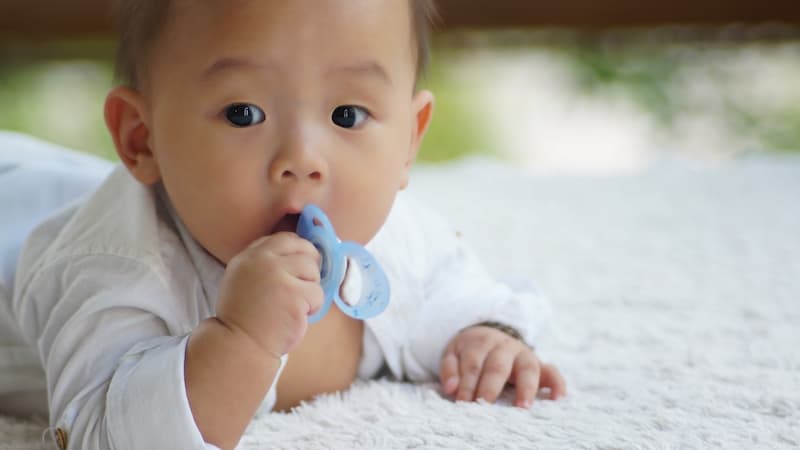
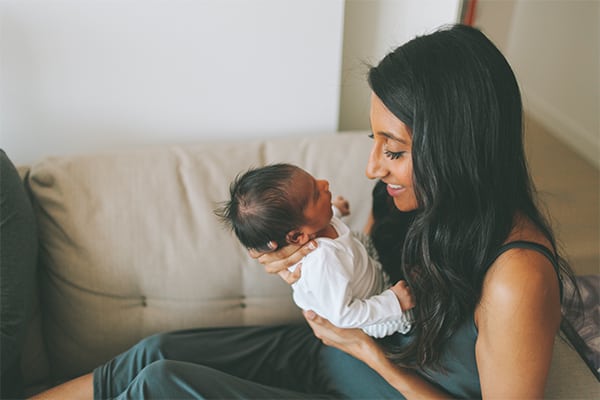
Postpartum confinement for both mother and baby in the majority of Asian countries happens right after the mother gives birth. During this confinement, both you and your newborn are encouraged to stay indoors to prevent any illnesses or infections. The postnatal period is a critical phase following childbirth, requiring special care and attention for both mother and baby.
Different cultures vary on the amount of time confinement is encouraged. The Chinese recommend 30 days, Indians 40, and Malays 44. Though the time of confinement varies per culture, the ultimate rationale behind it is to allow mothers to heal after their baby is born. After childbirth, women experience significant physiological changes that can make them more susceptible to external influences, and traditional practices aim to address these changes. It is also intended for mother and baby to raise the immune system before being exposed to outside elements.
In Chinese society, postpartum tradition is deeply influenced by cultural norms and family structures, shaping the way confinement is practiced and valued. Across different regions, these postpartum traditions reflect the unique customs and beliefs of each community.
Overall, traditional postpartum practice during the postpartum period is considered essential for maternal recovery and long-term well-being.
What is Postpartum Confinement?
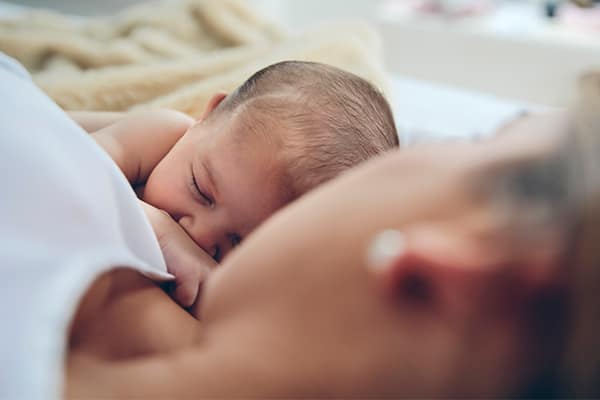
What is Postpartum Confinement?
Confinement after childbirth is a traditional postnatal practice geared towards helping new moms recover from the experiences of pregnancy, labour, and birth. Both mother and baby are encouraged to confine themselves indoors for a variable length depending on cultural practices. Typically, the confinement lasts for a period of 30 days to 100 days, depending on culture and tradition. Traditional confinement practices play a significant role in supporting recovery by emphasizing rest, special diets, and protective routines rooted in cultural beliefs.
During the confinement period, mother and baby are quarantined. They are not allowed visitors except for close family members. Aside from that, some certain restrictions and practices help promote a speedy and restful recovery. These traditional practices are believed to support postpartum recovery and women’s health by providing structured care and nourishment during this critical period. Each culture has its take on these confinement practices.
Chinese practices and Traditional Chinese Medicine
Traditional Chinese Medicine (TCM) sees women’s bodies as being open and fragile after birth. The free space left by the baby leaves room for “yin” to enter the body. When this happens, the mother is prone to improper healing, causing both short term and long term illness. Chinese postpartum confinement, also known as the Chinese confinement period, is a traditional practice rooted in TCM that prescribes a period of rest and specific care for new mothers after childbirth. During this time, women are instructed to avoid yin for the duration of 26 to 30 days. This period is also referred to as “Sitting the Month”. Chinese believe “sitting the month” allows the body to heal properly and return to balance.
Chinese postpartum traditions are widely followed by many Chinese women and are believed to protect mothers and support baby’s health during recovery.
As the practice goes, women are to refrain from the following activities to ensure a healthy and speedy recovery.
- Drinking or washing hands with cold water
- Bathing (unless the water is appropriately warm and prepared with ginger and other herbs)
- Eating salt or spicy foods
- Washing or rinsing one’s hair
- Conducting household chores
- Going outside
- Having intercourse
- Walking with bare feet
A key aspect of these restrictions is to keep the body warm, as maintaining warmth is believed to promote healing and prevent illness.
The mother-in-law and other family members play a significant role in providing family support, guidance, and care to help new mothers during this period.
Diet is also a major focus, with confinement food and specific dietary practices recommended to ensure a nutritious diet. These foods are chosen to replenish the body, address blood loss, and help prevent excessive bleeding, supporting overall recovery.
Malay practices
Malay practices also restrict bathing during confinement unless adequately prepared and heated. The same goes for avoiding cold elements. Malay ways forbid mothers from having intercourse for the duration of the confinement.
Additionally, a traditional masseuse massages the abdomen and binds it with a distinct postnatal corset to promote quicker healing. Hot stones are also placed on the stomach to “cleanse” the womb after birth.
Indian practices
Indian practices discourage bathing unless prepared with specific herbs and turmeric powder. Even so, bathing is only allowed from 11 AM to 2 PM when the temperature is at its warmest. Daily abdomen massages are done with natural oils to help with healing. Some also opt to bind their abdomen with a cloth.
The common thread among all three cultures is the restriction from partaking in household chores or any strenuous physical exercise. Since the confinement period should be used for recovery, doing so would defeat its purpose. Getting plenty of bed rest and focusing on taking care of your baby should be all that is on your to-do list.
Some new mothers opt to seek the help of a confinement nanny during this period to keep the house clean and help with newborn care when necessary. Traditionally, confinement nannies are there to help with daily tasks and ensure the health of both mother and baby. With that said, they are usually well-trained caregivers with expertise in postpartum care.
How Long Does the Confinement Period Last in Singapore?
In the case of Singapore, confinement after giving birth lasts for 30 to 40 days. The length of confinement may vary depending on the type of delivery and if there are any outstanding complications present. If you deliver your baby through C-section, doctors may recommend a more extended period for healing.
If you experienced a vaginal delivery, the typical healing period from soreness, swelling, and any stitches required is about 12 weeks. Stitches from an episiotomy generally takes about one to two weeks to heal. During this time, you should prevent infection by keeping the area clean, especially after using the toilet. The best way to do so is by gently washing with warm water or antiseptic. Toilet paper may cause irritation and further discomfort.
If you gave birth via C-section, the recovery is longer. Surface stitches tend to heal within one week. Still, the stitches along the muscle layer take about three months to recover fully.
You should not rush your healing period but rather something you should take in stride. Every mother is different in their needs after birth, so make sure to pay attention to your body. Getting plenty of rest will allow for quicker healing and fewer complications. Maintaining adequate caloric intake is also important during postnatal confinement to support your recovery and energy needs.
Aim to stay away from stress and intense exercise or activity. During this time, it is also a good idea to seek help from a confinement nanny or family members. Additionally, consider consulting healthcare providers and lactation consultants for professional guidance and support during postnatal confinement.
Preparing for Confinement
Preparing for the confinement period is a vital step in ensuring a smooth and healthy postpartum recovery. In many Asian cultures, especially those influenced by traditional Chinese medicine, the confinement period is seen as a time for new mothers to rest, heal, and regain strength after giving birth. Planning ahead can make a significant difference in your postpartum journey.
Start by arranging for adequate support at home. Many new mothers choose to hire a confinement nanny or rely on family members to help with household chores and newborn care, including seeking out parenting tips for first-time fathers. This support allows you to focus on your own recovery and bonding with your baby, rather than worrying about daily tasks.
Next, consider your confinement diet. Work with your family or a professional to plan a balanced diet that supports milk production and physical recovery. Stock up on nutritious ingredients and healing foods recommended in traditional Chinese medicine, and avoid foods that may hinder your recovery.
It’s also important to prepare your living space for comfort and convenience. Set up a cozy area where you can rest, feed your baby, and have everything you need within reach. By preparing for the confinement period in advance, you can reduce stress, lower the risk of postpartum depression, and create a supportive environment that promotes both your well-being and your baby’s health.
Confinement Diet and Nutrition
A well-balanced confinement diet is at the heart of traditional postpartum care and plays a crucial role in supporting postpartum recovery. According to traditional Chinese medicine, the foods you eat during the confinement period can help restore your body’s balance, replenish nutrients lost during childbirth, and boost milk production for your newborn baby.
Focus on consuming warm, nourishing foods such as soups, stews, and herbal broths, which are believed to promote blood circulation and healing. Protein-rich foods like lean meats, fish, and eggs, as well as iron-rich vegetables and whole grains, are essential for rebuilding strength and supporting milk supply. Calcium-rich foods, such as dairy or lactose-free alternatives for those who are lactose intolerant, also help with bone health and recovery.
It’s best to avoid cold foods and drinks during the confinement period, as traditional beliefs suggest they can slow down the healing process and disrupt the body’s balance. Instead, opt for warming spices and ingredients that support your body’s recovery.
Supplements like vitamin D and omega-3 fatty acids can further support your overall well-being, especially if recommended by your healthcare provider. By following a carefully planned confinement diet, new mothers can enhance their physical recovery, support milk production, and lay the foundation for a healthy postpartum journey.
Benefits of Postpartum Confinement for Postpartum Recovery According to The Chinese
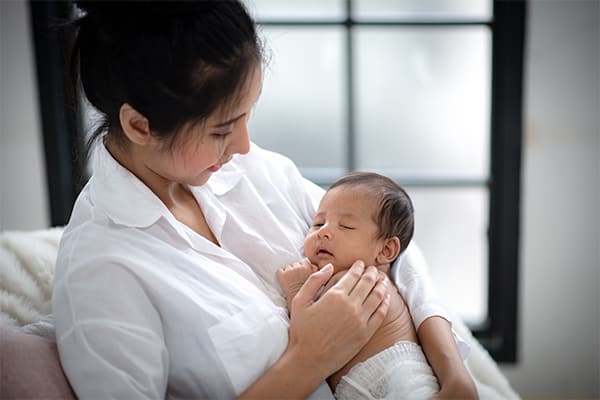
Benefits of Postpartum Confinement According to The Chinese
Traditional Chinese confinement guidelines; also known as “Sitting the Month” is aimed to prevent both mother and child from exposure to unwanted illnesses. Additionally, it also aims to help new moms focus on taking care of their newborn without the additional stress of everyday chores.
While most of these traditions were widespread in earlier times, modern moms do not take them verbatim these days. The conditions of the world were very different back then as compared to now. The chances of falling ill from outside exposure were much higher, and sanitary measures were not as reasonable as they are now.
A systematic review of postpartum confinement practices has examined both the benefits and potential risks, providing a comprehensive analysis of their effects on maternal health.
While Chinese tradition boasts many benefits, today’s society is much safer, making it optional to abide by these rules. Some of the significant benefits of confinement in modern times include.
- Faster healing periods
- Relief of stress from performing daily tasks
- Being able to focus on baby
- A healthy diet that promotes breast milk production
These benefits can also contribute to improved public health by supporting maternal recovery and reducing the risk of postpartum complications in the community.
Recent views of “sitting the month” have evolved to suit modern times. However, basic rules such as remaining indoors and limiting visitors to immediate family still stick around. There is an increasing emphasis on the need for scientific evidence to support the effectiveness and safety of traditional postpartum practices.
Is Confinement Necessary These Days?
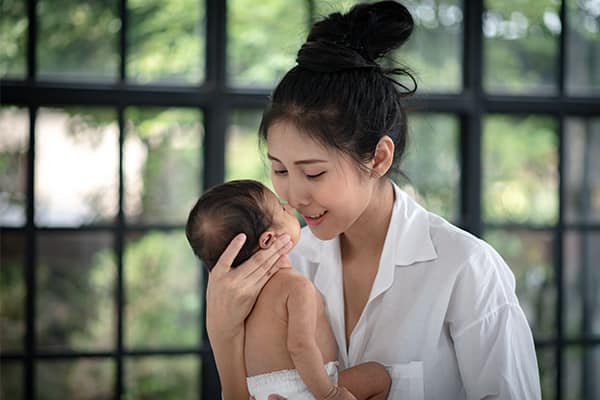
Confinement after birth is a personal choice that moms can decide to make. While giving yourself time to recover after birth is necessary, the length of time staying indoors is a personal choice.
Even if you decide to confine yourself, following strict guidelines such as no showering are optional. Anything goes; if your doctor confirms there are no complications that could arise.
More traditional family members may insist on practising this tradition. Taking the time to discuss your situation and point of view with them could change their attitude towards it.
If the process does not make you uncomfortable, there is no harm in it. But if it brings unnecessary stress, you may want to take into account the pros and cons before making the final decision.
Pros
- Allows for plenty of rest to promote a speedy healing
- Lessens any stress when it comes to daily tasks
- Lets you focus on child care.
- Promotes a healthy lifestyle with proper foods in your diet
- Prevents exposure to possible illness
Cons
- Long periods of isolation can cause some to experience postpartum depression. There is also a risk of postnatal depression, so monitoring postpartum mental health is important during this period.
- It can be uncomfortable and inconvenient for some because of the “no shower rule.”
- First-time moms may feel restless due to a lack of activity. Engaging in appropriate physical activities can help support emotional well-being during confinement.
- Following strict confinement guidelines can cause emotional strain.
As you can see, the cons focus more on your emotional capabilities. Emotional adjustments are often needed during the confinement period to cope with new responsibilities and changes. Some first-time mothers may experience postpartum depression. This disorder can occur because of the overwhelming feeling that comes about with having to take care of a newborn.
While many moms go through this period, confinement can lead to feeling more isolated, making it harder to bear. On the other hand, if you can handle extended periods on your own, then you may consider the physical benefits of confinement.
Western’s Take on Postpartum Confinement Period
Eastern and Western practices differ on many fronts regarding childbirth. For one, Western women generally do not confine themselves after birth. After leaving the hospital, they like to get back to life as soon as possible. In high income countries, postpartum care often emphasizes early mobilization, patient-centered care, and evidence-based medicine, which contrasts with the traditional confinement customs seen in the East. And even if they do, they do not follow the same strict guidelines as women from the East.
In the West, this period is called a “recuperation period” and focuses more on the mother’s physical healing time. Because of this, the recuperation period varies from person to person, depending on their healing.
Western mothers are usually back on their feet in as little as one week. The Western’s take says that if you listen to your body’s needs for healing and feel well enough, you are okay to practice post-childbirth guidelines at your discretion. Across cultures, postpartum practices can differ greatly, with some traditions emphasizing rituals like Zuo Yuezi and specific dietary guidelines, while others prioritize individualized recovery.
Emotional Support and Conclusion
Emotional support is just as important as physical care during the confinement period. The postpartum journey can be filled with both joy and challenges, and having a strong support system can make all the difference in your recovery. Surround yourself with caring family members, friends, or a trusted confinement nanny who can provide encouragement, help with newborn care, and offer a listening ear when you need it most.
Don’t hesitate to seek professional help if you experience signs of postpartum depression or feel overwhelmed. Prioritizing your mental health is essential for both you and your baby’s well-being. Incorporate self-care practices into your daily routine, such as gentle stretching, meditation, or simply taking time to rest and recharge.
In conclusion, the confinement period is a unique and valuable time for postpartum recovery. By preparing in advance, following a nourishing confinement diet, and ensuring you have emotional and practical support, you can create a positive and healthy environment for both you and your newborn. Remember, every mother’s postpartum journey is different—listen to your body, seek help when needed, and focus on your well-being as you embrace this new chapter.