
Nearly 8 out of 10 pregnant women experience that familiar burning sensation rising from the stomach to the throat at some point during their pregnancy journey. If you’re expecting and dealing with heartburn during pregnancy, you’re certainly not alone. This comprehensive guide addresses everything Singapore parents need to know about pregnancy heartburn, from understanding what causes stomach acid to reflux into your throat to finding safe, effective relief methods available locally.
Heartburn symptoms during pregnancy can significantly impact your quality of life, making it difficult to enjoy meals or get comfortable sleep. The good news is that most pregnant women find effective ways to treat heartburn safely, and the condition typically resolves within days after delivery. Understanding your options for heartburn relief and knowing when to contact your healthcare provider can help you manage this common pregnancy discomfort with confidence.
What is Heartburn During Pregnancy?
Pregnancy heartburn refers to a burning sensation in the chest and throat that occurs when stomach acid flows backward into the esophagus. This condition, medically known as gastroesophageal reflux disease when chronic, affects between 17-45% of pregnant women according to medical research. The burning pain typically occurs behind the breastbone and may extend up into the throat, often accompanied by a bitter taste in the mouth.

Most pregnant women begin experiencing heartburn symptoms during the first trimester, though the condition commonly worsens as pregnancy progresses. The third trimester sees the highest frequency of heartburn episodes due to peak pregnancy hormones and maximum pressure from the growing uterus puts pressure on the stomach. Some women may not experience acid reflux until the final trimester, while others deal with symptoms from early pregnancy onward.
The burning sensation occurs because the esophagus lacks the protective lining that the stomach possesses, making it particularly vulnerable when stomach acid enters this area. Unlike general stomach pain or indigestion, heartburn specifically involves acid moving upward through the digestive tract, creating the characteristic burning feeling in the chest and throat.
Fortunately, heartburn during pregnancy typically resolves within a few days after delivery as hormone levels normalize and the growing baby no longer compresses internal organs. However, during pregnancy, active management becomes important to maintain comfortable eating and drinking habits and ensure proper nutrition for both mother and unborn baby.
Common Symptoms and Warning Signs
The primary heartburn symptoms include a burning sensation behind the breastbone that may extend into the throat, creating a burning pain that worsens after eating large meals or when lying down. Many women also experience a sour or bitter taste in their mouth, which results from stomach acid reaching the throat and mouth area. Some pregnant women report trouble swallowing or a feeling that food is stuck in their throat when heartburn episodes are particularly severe.
Secondary symptoms often accompany the burning feeling, including bloating, frequent burping, nausea that may worsen existing morning sickness, and throat irritation that can make swallowing uncomfortable. These symptoms typically intensify after eating fatty foods, spicy foods, or when lying down immediately after meals. The digestive process slows during pregnancy due to hormonal changes, which can prolong discomfort and make heartburn worse throughout the day.
However, certain symptoms require immediate medical attention and should prompt you to contact your healthcare provider or visit the nearest hospital. Severe chest pain that differs from typical heartburn, persistent vomiting that prevents keeping food or fluids down, difficulty breathing, or signs of dehydration warrant immediate evaluation. If you experience severe upper abdominal pain alongside heartburn, this could indicate complications like preeclampsia and requires urgent medical assessment.
In Singapore, you should contact your gynecologist, family doctor, or visit your nearest polyclinic if heartburn symptoms don’t respond to safe treatments within 1-2 weeks, if you’re losing weight due to eating difficulties, or if symptoms significantly interfere with your ability to maintain proper nutrition. KK Women’s and Children’s Hospital and other major hospitals provide 24-hour emergency services for pregnancy-related concerns that require immediate attention.
Why Pregnancy Causes Heartburn
Hormonal Changes
Pregnancy hormones, particularly progesterone, play a primary role in causing heartburn during pregnancy. Progesterone levels rise significantly throughout pregnancy, reaching their peak during the third trimester. This hormone directly affects the lower esophageal sphincter, the muscular valve that normally prevents stomach acid from flowing backward into the esophagus. When progesterone causes this sphincter to relax, it creates an opportunity for stomach acid to escape upward, causing stomach acid to travel into areas where it doesn’t belong.
Additionally, hormonal changes slow down the entire digestive process, meaning food remains in the stomach longer than usual. This extended retention increases acid production and provides more time for stomach acid to potentially reflux into the esophagus. The combination of a relaxed esophageal sphincter and slower digestion creates ideal conditions for experiencing acid reflux episodes throughout pregnancy.
These hormonal effects explain why many women experience their first heartburn episodes during pregnancy, even if they never had digestive issues before. The progressive nature of hormone increases also explains why heartburn symptoms often worsen as pregnancy progresses, particularly during the second trimester and final trimester when progesterone reaches its highest levels.
Physical Changes
As pregnancy progresses, the growing uterus increasingly pushes against the stomach and other organs in the digestive tract. This physical pressure literally displaces the stomach from its normal position, pushing it upward and reducing its capacity to hold food comfortably. When the stomach is compressed and displaced, even small meals can create pressure that encourages stomach acid to flow backward into the esophagus.
The growing baby contributes to this pressure, especially during the third trimester when space becomes increasingly limited. Baby movements, particularly kicks or stretches, can compress the stomach suddenly and trigger heartburn episodes. This mechanical pressure is most noticeable when lying down, which is why many pregnant women find heartburn symptoms worsen at bedtime or during rest.
The combination of reduced stomach capacity and increased pressure means that eating habits must often change during pregnancy. Eating large meals becomes increasingly uncomfortable and more likely to causing heartburn, while certain positions like bending over or lying flat can immediately trigger symptoms by further compressing the already-pressurized stomach area.
Safe Treatment Options in Singapore
Over-the-Counter Medications
Several over the counter antacids available at Singapore pharmacies provide safe and effective heartburn relief during pregnancy. Calcium carbonate-based antacids like Tums offer quick relief by neutralizing stomach acid on contact. Aluminum and magnesium hydroxide combinations, such as Mylanta, work similarly and are considered safe for pregnant women when used as directed.
When selecting heartburn medicines, it’s crucial to read labels carefully and avoid certain ingredients. Sodium bicarbonate-based antacids can cause fluid retention, which is particularly problematic during pregnancy. Aspirin-containing antacids should be completely avoided, as aspirin poses risks to developing babies. Always consult with your gynecologist or family doctor before starting any medication, even those available over-the-counter.
For timing, antacids work best when taken 1-3 hours after meals and before bedtime. However, avoid taking them with other medications, as antacids can interfere with absorption of other important supplements like iron or prenatal vitamins. Your healthcare provider can advise on proper spacing between antacids and other medications to ensure optimal effectiveness of all treatments.
Some pregnant women may benefit from H2 blockers or proton pump inhibitors for severe symptoms, but these require medical supervision. Many of these prescription options are considered safe during pregnancy when medically necessary, but they should only be used under professional guidance to ensure appropriate dosing and monitoring.
Natural Remedies
Several natural approaches can help prevent stomach acid from causing discomfort without relying on medications. Chewing sugar-free gum for 30 minutes after meals increases saliva production, which naturally neutralizes acid and helps wash it back down to the stomach. This simple technique has been shown in research studies to reduce acid reflux episodes effectively.

Drinking warm milk or fresh coconut water provides immediate soothing relief for heartburn symptoms. A mixture of one tablespoon of honey in warm milk has been recommended by medical authorities as a safe and effective home remedy. The calcium in milk helps neutralize acid, while the liquid helps wash acid back down to where it belongs.
Elevating your upper body while sleeping using extra pillows can significantly reduce nighttime heartburn episodes. The elevation uses gravity to prevent stomach acid from flowing upward while you rest. Sleeping on your left side also helps, as this position reduces pressure on the stomach and promotes better digestion.
Gentle prenatal yoga poses that aid digestion can help prevent heartburn episodes by promoting healthy digestive function. However, avoid poses that involve lying flat or bending over immediately after eating, as these positions can encourage acid reflux.
Dietary Management for Singapore Mums
Foods to Avoid
Singapore’s diverse food culture includes many dishes that can trigger heartburn symptoms in pregnant women. Spicy local favorites like curry, sambal-based dishes, chili crab, and laksa often contain high levels of chili and spices that stimulate acid production and can make heartburn worse. While these foods are cultural staples, temporarily reducing portion sizes or frequency can help manage symptoms.
Acidic foods commonly found in local cuisine pose particular challenges. Tomato-based dishes, including many pasta preparations and Western-Asian fusion foods, can trigger heartburn episodes. Citrus fruits like oranges, pineapple, and lime used in local desserts and drinks may also cause problems for some pregnant women, though individual tolerance varies.
Fried foods represent another major category to limit. Popular local dishes like char kway teow, fried rice, roti prata, and fried chicken are high in fats that slow down the digestive process, keeping food in the stomach longer and increasing the likelihood of acid reflux. The high fat content also stimulates acid production, creating a double challenge for heartburn management.
Caffeinated beverages including traditional kopi, teh, and soft drinks can relax the esophageal sphincter and increase stomach acid production. While completely eliminating caffeine isn’t necessary for most pregnant women, reducing caffeine intake and avoiding these drinks with meals can help prevent heartburn episodes.
Heartburn-Friendly Local Foods
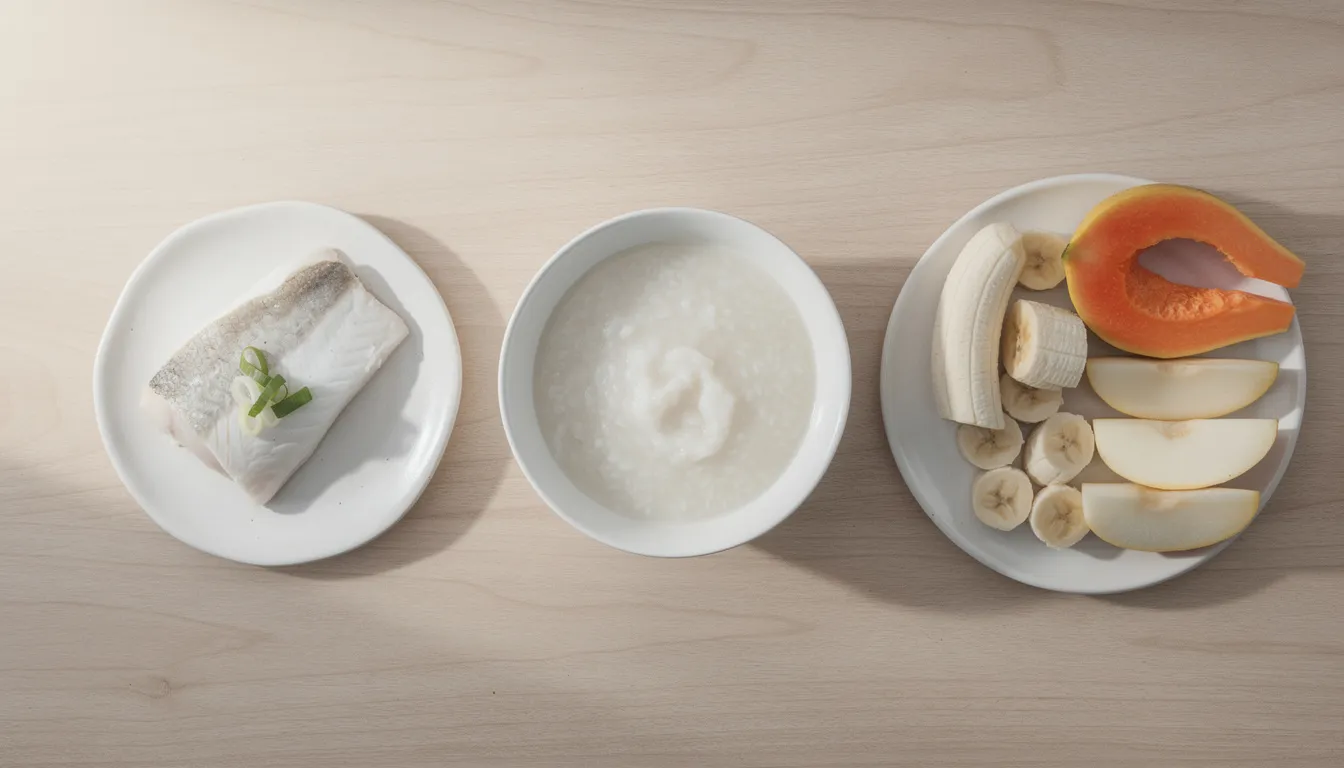
Many traditional Singapore foods naturally support digestive comfort during pregnancy. Steamed fish preparations, plain rice porridge (congee), and steamed vegetables provide nutrition without triggering heartburn symptoms. These cooking methods preserve nutrients while avoiding the fats and spices that often cause digestive discomfort.
Herbal teas can offer both comfort and mild digestive support. Chamomile tea provides gentle relaxation that may help with heartburn symptoms, while ginger tea can aid digestion when used in moderation. However, limit ginger intake to small amounts, as excessive consumption isn’t recommended during pregnancy.
Fresh fruits like bananas, papaya, and watermelon tend to be well-tolerated and provide essential nutrients. Bananas, in particular, have natural acid-neutralizing properties and can help coat the stomach lining. Papaya contains natural enzymes that aid the digestive process, potentially reducing the likelihood of acid reflux.
Lean proteins such as steamed chicken and soft tofu dishes provide essential nutrition without the high fat content that can trigger heartburn. These proteins are easier to digest and less likely to cause stomach acid production compared to fatty or heavily spiced alternatives.
Eating Habits
Transforming your eating habits represents one of the most effective ways to prevent heartburn during pregnancy. Instead of eating three large meals, transition to eating several small meals throughout the day. This approach prevents the stomach from becoming overly full, which reduces pressure and makes acid reflux less likely. Small meals spread throughout the day also help maintain steady blood sugar levels, supporting both maternal and fetal health.
Timing becomes crucial for heartburn prevention. Avoid eating within 2-3 hours before bedtime to allow sufficient time for digestion before lying down. When you eat close to bedtime, gravity can’t help keep stomach contents down, making nighttime heartburn more likely. This timing adjustment often provides significant relief from nighttime symptoms.
The pace of eating significantly impacts digestion and heartburn risk. Eat slowly and chew thoroughly to aid digestion and reduce the burden on your stomach. When you eat too quickly, you’re more likely to swallow air, which can increase bloating and pressure in the stomach area. Taking time to chew properly also starts the digestive process in your mouth, making the stomach’s job easier.
While staying hydrated remains important during pregnancy, limit fluid intake during meals to avoid overfilling the stomach. Instead, drink plenty of water between meals to maintain proper hydration without interfering with the digestive process. This strategy helps prevent the stomach from becoming overly distended, which can trigger heartburn episodes.
Lifestyle Modifications
Simple lifestyle adjustments can significantly reduce heartburn frequency and severity throughout pregnancy. Wearing loose-fitting clothing, particularly around the waist and chest area, prevents additional pressure on the already-compressed stomach. Tight clothing can push against the stomach and encourage acid reflux, especially as the pregnancy progresses and space becomes more limited.
Maintaining good posture while sitting and standing helps optimize digestion and reduces pressure on the stomach. Slouching compresses the abdominal area and can encourage stomach acid to move upward. When sitting, use supportive cushions to maintain proper posture, and avoid hunching over, especially after meals.
Taking short, gentle walks after meals aids the digestive process and can help prevent heartburn episodes. Light movement encourages food to move through the digestive system more efficiently, reducing the time that food and acid remain in the stomach. However, avoid vigorous exercise immediately after eating, as this can actually worsen symptoms.

Managing stress through prenatal meditation, gentle exercise, or relaxation techniques can indirectly help with heartburn symptoms. Stress can increase stomach acid production and affect digestion, so finding healthy stress management strategies supports overall digestive health. Many prenatal classes in Singapore offer stress reduction techniques specifically designed for expecting mothers.
Most importantly, avoid lying down immediately after eating. Remain upright for at least 2-3 hours after meals to allow gravity to help keep stomach contents down. If you must rest after eating, prop yourself up in a reclined position rather than lying completely flat.
When to Seek Medical Help in Singapore
While heartburn during pregnancy is common, certain situations require professional medical evaluation. If heartburn symptoms don’t respond to safe treatments and dietary modifications within 1-2 weeks, consult your healthcare provider for additional options. Persistent, severe symptoms may require prescription medications that are safe during pregnancy but need medical supervision.
Contact your doctor immediately if heartburn is accompanied by severe upper abdominal pain, as this could indicate serious complications like preeclampsia. Other warning signs include persistent vomiting that prevents keeping food or fluids down, trouble swallowing that worsens over time, or any symptoms that significantly interfere with your ability to maintain proper nutrition and weight gain.
If you experience difficulty breathing, chest pain that feels different from typical heartburn, or vomiting blood, seek immediate emergency care. These symptoms could indicate more serious conditions requiring urgent medical attention. Don’t hesitate to visit your nearest emergency department or contact emergency services if you’re concerned about severe symptoms.
Singapore’s healthcare system offers multiple access points for pregnancy-related concerns. Your primary gynecologist or family doctor can provide ongoing management and prescription options when needed. Polyclinics offer accessible care for non-urgent concerns, while KK Women’s and Children’s Hospital and other major hospitals provide specialized pregnancy care and 24-hour emergency services for urgent situations.
For non-urgent questions or guidance, many healthcare providers in Singapore offer phone consultations or advice lines. Keep your healthcare provider’s contact information readily available, and don’t hesitate to reach out if you’re concerned about symptom changes or treatment effectiveness.
Impact on Baby and Pregnancy
One of the most reassuring aspects of pregnancy heartburn is that it typically does not harm your unborn baby. The condition affects the mother’s digestive system but doesn’t directly impact fetal development or health. However, severe heartburn that interferes with eating balanced meals could potentially affect maternal nutrition, which is why effective management remains important.
Maintaining proper nutrition despite heartburn discomfort requires strategic meal planning and timing. Focus on nutrient-dense foods that are less likely to trigger symptoms, and work with your healthcare provider to ensure you’re meeting nutritional needs for both you and your growing baby. Prenatal vitamins become especially important if heartburn limits your ability to eat certain food groups.
Some women worry that medications for heartburn might affect their baby, but many safe options exist for pregnancy use. The key is using appropriate medications under medical guidance rather than suffering through severe symptoms that could impact your overall health and wellbeing. Your healthcare provider can help balance symptom relief with medication safety.
If heartburn significantly impacts your weight gain or ability to maintain proper nutrition, discuss this with your healthcare provider promptly. They may recommend specific dietary strategies, safe medications, or referral to a nutritionist who specializes in pregnancy nutrition to ensure both maternal and fetal health needs are met.
Prevention Strategies
Preventing heartburn episodes often proves more effective than treating them after they occur. Maintaining healthy weight gain according to Singapore health guidelines helps reduce pressure on the stomach and digestive organs. Excessive weight gain can increase abdominal pressure and worsen heartburn symptoms, while inadequate weight gain can affect both maternal and fetal health.
Keeping a food diary can help identify your personal trigger foods and patterns. Note what you eat, when symptoms occur, and their severity to identify connections between specific foods or eating patterns and heartburn episodes. This personalized approach allows you to modify your diet based on your individual responses rather than following generic restrictions.
Planning meals ahead helps avoid rushed eating and poor food choices that often trigger heartburn symptoms. When you’re prepared with appropriate foods and proper timing, you’re less likely to eat large meals quickly or choose foods that cause discomfort. Meal planning also ensures you maintain balanced nutrition throughout pregnancy.
Creating a comfortable sleep environment with proper elevation can prevent nighttime heartburn episodes. Use additional pillows to raise your upper body, and consider investing in a pregnancy wedge pillow designed to maintain proper positioning throughout the night. Good sleep quality supports overall health and can indirectly help with stress management and digestive function.
Regular prenatal check-ups provide opportunities to monitor heartburn symptoms and adjust treatment strategies as pregnancy progresses. Your healthcare provider can track symptom patterns, evaluate treatment effectiveness, and make recommendations for managing symptoms as your body changes throughout pregnancy. Don’t hesitate to bring up digestive concerns during routine appointments, as effective heartburn management contributes to overall pregnancy wellness and quality of life.
The temporary nature of pregnancy heartburn provides hope for expecting mothers dealing with this uncomfortable condition. While symptoms may worsen as pregnancy progresses, particularly during the third trimester, most women experience significant relief within days after delivery as hormone levels normalize and physical pressure on the stomach resolves. With proper management strategies, safe treatment options, and appropriate medical guidance when needed, you can effectively manage heartburn symptoms while maintaining the nutrition and comfort necessary for a healthy pregnancy journey.