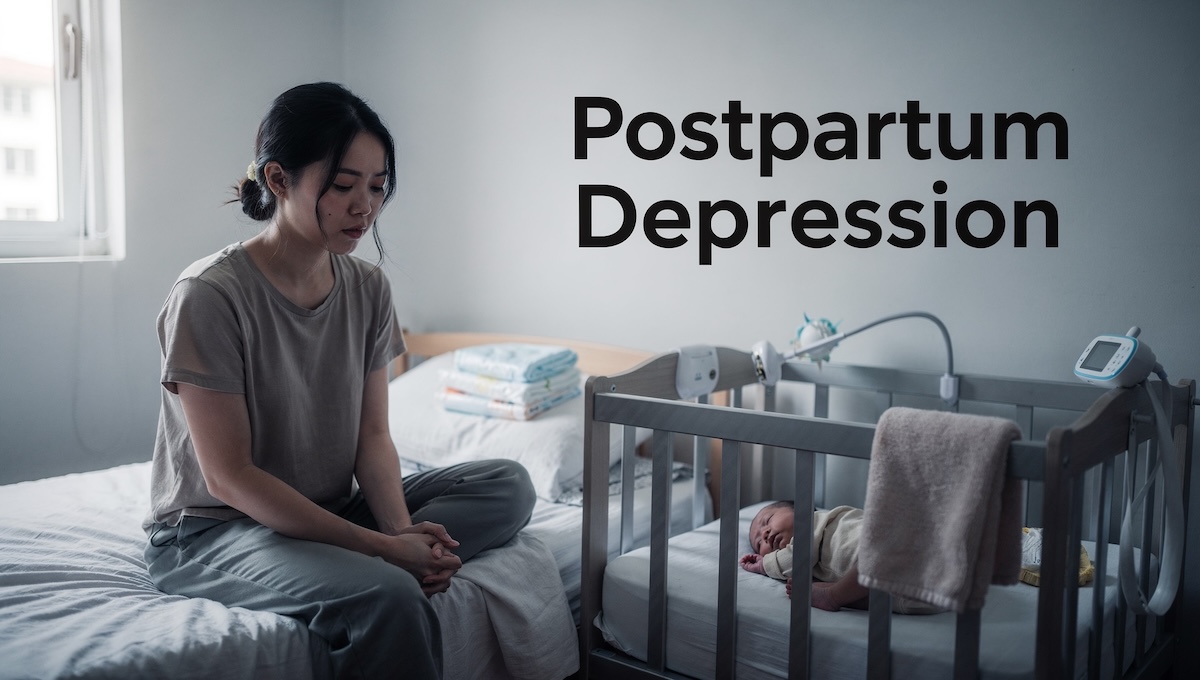
Bringing new life into the world should be one of life’s most joyful experiences, yet for many women in Singapore, the postpartum period becomes overshadowed by overwhelming sadness, anxiety, and despair. postpartum depression affects approximately 10-20% of new mothers globally, representing one of the most common complications following childbirth. Unlike the temporary emotional fluctuations known as baby blues, this serious mental health condition requires professional intervention and comprehensive support.
Understanding the difference between normal postpartum adjustment and clinical depression can be life-changing for both mothers and their families. With Singapore’s multicultural healthcare system offering both Western medical treatments and traditional approaches, new mothers have access to comprehensive care that respects cultural values while providing evidence-based treatment. The encouraging news is that treatment success rates exceed 90% when appropriate intervention is provided, making recovery not just possible but highly probable.
This comprehensive guide addresses the unique challenges faced by mothers in Singapore’s diverse cultural landscape, providing practical information about screening tools, healthcare resources, and treatment options that honor both modern medical practices and traditional healing approaches.

What is Postpartum Depression?
postpartum depression represents a serious mood disorder that extends far beyond the emotional fluctuations many new mothers experience after giving birth. This condition affects approximately 10-20% of new mothers in Singapore, making it one of the most common complications following childbirth. Unlike temporary emotional adjustments, postpartum depression involves persistent symptoms that significantly interfere with daily functioning and the ability to care for oneself and one’s baby.
The condition develops when someone experiences a major depressive episode during pregnancy or within the first year following delivery. Many people mistakenly believe that developing postpartum depression indicates weakness or inadequate preparation for motherhood, but this mental health condition results from complex interactions between hormonal changes, genetic predisposition, and environmental stressors. Importantly, postpartum depression can affect any mother regardless of age, socioeconomic status, or previous mental health history.
Healthcare providers in Singapore recognize three distinct categories of postpartum mood disturbances, each requiring different levels of intervention and support. Understanding these distinctions helps families recognize when professional help becomes necessary and what type of treatment might be most appropriate.
The postpartum period, defined as the first year following childbirth, represents a vulnerable time for maternal mental health. During this period, dramatic hormonal shifts occur alongside significant life changes, sleep deprivation, and new responsibilities. These factors can trigger depression in susceptible individuals, though the exact mechanisms remain incompletely understood by medical professionals.
Singapore’s healthcare system has implemented comprehensive screening protocols to identify mothers at risk for developing postpartum depression. Early identification through tools like the edinburgh postnatal depression scale allows healthcare providers to intervene before symptoms become severe, significantly improving outcomes for both mothers and babies.
Baby Blues vs Postpartum Depression vs Postpartum Psychosis
Understanding the spectrum of postpartum mental health conditions helps families recognize when emotional difficulties require professional intervention. While emotional fluctuations following childbirth are common, the severity, duration, and functional impact distinguish normal adjustment from clinical conditions requiring treatment.
Condition | Prevalence | Duration | Key Symptoms | Treatment Needed |
|---|---|---|---|---|
Baby Blues | 80% of mothers | 2-14 days | Mood swings, crying spells, anxiety, difficulty sleeping | None – resolves naturally |
postpartum depression | 10-20% of mothers | Weeks to months | Persistent sadness, anxiety, fatigue, difficulty bonding | Yes – therapy and/or medication |
postpartum psychosis | 1-2 per 1,000 mothers | Variable | Hallucinations, delusions, severe confusion | Emergency hospitalization required |
Baby Blues affect approximately 80% of new mothers and represent a normal adjustment to the hormonal and lifestyle changes following delivery. symptoms of postpartum depression during this period include mood swings, frequent crying episodes, anxiety about baby care, and trouble sleeping even when the baby sleeps. These postpartum baby blues typically begin within the first few days after giving birth and resolve naturally within two weeks without requiring treatment. While distressing, baby blues do not significantly impair a mother’s ability to function or care for her baby.
postpartum depression involves more severe and persistent symptoms that interfere with daily functioning. Unlike baby blues, which improve spontaneously, postpartum depression symptoms persist beyond the first few weeks and often worsen without treatment. mothers experiencing postpartum depression may struggle with extreme sadness, overwhelming anxiety, difficulty bonding with their baby, and thoughts about harming themselves or their child. This condition requires professional intervention, including therapy and sometimes antidepressant medications.
postpartum psychosis represents a psychiatric emergency affecting 1-2 per 1,000 new mothers. This severe mental illness includes hallucinations, delusions, extreme confusion, and rapid mood changes between mania and depression. Mothers experiencing postpartum psychosis may hear voices commanding them to harm themselves or their baby, believe their baby is possessed or needs to be saved from evil forces, or experience complete disconnection from reality. immediate treatment including hospitalization becomes essential, as this condition carries significant risks for both mother and child.
The progression from baby blues to more serious mental health conditions is not inevitable, but families should monitor symptoms carefully. When symptoms persist beyond two weeks, worsen over time, or include thoughts of self-harm or harming the baby, immediate professional evaluation becomes necessary.
Recognizing the Symptoms
Identifying symptoms of postpartum depression requires understanding how this condition manifests differently from typical sadness or stress. While new mothers naturally experience fatigue, worry, and emotional fluctuations, postpartum depression involves persistent and severe symptoms that significantly impact daily functioning and relationships.
emotional symptoms include persistent feelings of sadness, emptiness, or hopelessness that continue throughout most days for weeks at a time. Unlike temporary mood fluctuations, these feelings don’t improve with rest, support from family, or positive experiences with the baby. Many mothers report feeling disconnected from their emotions, describing themselves as “numb” or “like watching their life from the outside.” severe mood swings between irritability, anger, and profound sadness occur without corresponding feelings of joy or satisfaction.
Physical symptoms often mirror those of major depression but may be complicated by normal postpartum recovery. extreme sadness and overwhelming fatigue persist despite adequate rest opportunities. sleep patterns become severely disrupted beyond typical newborn-related sleep deprivation, with some mothers unable to sleep even when their babies are sleeping, while others experience hypersomnia and difficulty staying awake during the day. eating difficulties manifest as complete loss of appetite or, conversely, compulsive overeating. Many mothers report persistent headaches, digestive problems, and generalized body aches that don’t respond to typical remedies.
behavioral problems include withdrawal from family members, friends, and previously enjoyed activities. mothers may avoid social situations, decline visitors, or isolate themselves even from their partners. difficulty bonding with the baby represents one of the most distressing symptoms, as mothers may feel little attachment to their child or worry constantly about their ability to provide adequate care. trouble sleeping extends beyond normal newborn-related sleep disruption, with mothers reporting insomnia even during opportunities to rest.
Cognitive symptoms involve persistent negative thoughts about oneself, the baby, or the future. Many mothers experience intense guilt about not feeling the joy they expected from motherhood or worry that their baby would be better off with someone else. anxiety disorders frequently co-occur with postpartum depression, manifesting as panic attacks, excessive worry about the baby’s health and safety, or fears about leaving the house. In severe cases, mothers may experience thoughts about harming themselves or their baby, which require immediate professional intervention.
Warning signs requiring immediate medical attention include any thoughts of suicide or harming the baby, hallucinations or delusions, inability to care for the baby or oneself, severe agitation or confusion, and complete withdrawal from all activities and relationships. These symptoms may indicate postpartum psychosis or severe depression requiring emergency intervention.
Cultural factors may influence how symptoms are expressed or perceived within Singapore’s diverse communities. Some mothers may interpret persistent sadness as personal weakness rather than a medical condition, while others may attribute symptoms to supernatural causes or family conflicts. Understanding that postpartum depression represents a treatable medical condition helps families recognize when professional support becomes necessary.

Edinburgh Postnatal Depression Scale (EPDS) Screening
The edinburgh postnatal depression scale serves as the primary screening tool used throughout Singapore’s healthcare system to identify mothers at risk for postpartum depression. This validated 10-question assessment was specifically designed for postpartum women and has been extensively tested across diverse cultural populations, making it particularly suitable for Singapore’s multicultural society.
Healthcare providers typically administer the EPDS during routine postpartum visits, with recommended screening at 6-8 weeks postpartum and again at 3-4 months. The questionnaire asks mothers to reflect on their feelings during the previous seven days, rating statements about mood, anxiety, sleep, and thoughts of self-harm. Each question offers multiple response options scored from 0-3, with higher scores indicating greater risk for depression.
The scoring system categorizes mothers into different risk levels requiring varying degrees of intervention:
- 0-9 points: Low risk for postpartum depression, routine follow-up appropriate
- 10-12 points: Moderate risk requiring clinical interview and closer monitoring
- 13+ points: High risk necessitating immediate comprehensive assessment and likely referral for treatment
Question 10 specifically addresses thoughts of self-harm and receives particular attention from healthcare providers. Any indication of suicidal ideation, regardless of total score, triggers immediate safety assessment and crisis intervention protocols.
The EPDS has been translated into Singapore’s official languages – English, Mandarin Chinese, Malay, and Tamil – ensuring accessibility across the nation’s diverse population. Cultural adaptations maintain the scale’s validity while ensuring questions are understood appropriately within different cultural contexts. Healthcare providers trained in cultural sensitivity can help interpret responses within relevant cultural frameworks.
depression screening using the EPDS represents just the first step in comprehensive postpartum mental health assessment. A positive screen leads to detailed clinical interviews where mental health providers explore symptoms in greater depth, assess functional impairment, and develop individualized treatment plans. The scale effectively identifies mothers who require further evaluation but cannot diagnose postpartum depression independently.
Singapore’s public hospitals have integrated EPDS screening into standard postpartum care protocols, with many private healthcare providers also adopting this approach. The systematic screening helps identify mothers who might not spontaneously report mental health concerns due to stigma, lack of awareness, or cultural factors that discourage discussing emotional difficulties.
Healthcare providers emphasize that EPDS screening creates an opportunity for open discussion about postpartum mental health. Many mothers feel relief when healthcare providers normalize discussion of postpartum emotional challenges and provide information about available support services. This process helps reduce stigma while ensuring mothers receive appropriate care when needed.
Support Services and Healthcare Providers in Singapore
Singapore offers comprehensive support services for mothers experiencing postpartum mental health challenges through both public and private healthcare systems. The integrated approach ensures that women have access to culturally sensitive care that respects traditional values while providing evidence-based treatment modalities.
KK Women’s and Children’s Hospital
KK Women’s and Children’s Hospital stands as Singapore’s premier institution for maternal and child health, offering specialized programs designed specifically for perinatal mental health support.
Contact Information:
- Main Hospital Line: +65 6225 5554
- Perinatal Mental Health Service: +65 6394 8888
- Emergency Department: Available 24 hours daily
- Appointment Booking: +65 6394 1081
The hospital’s Perinatal Mental Health Service provides comprehensive assessment and treatment for mothers experiencing mental health problems during pregnancy and the postpartum period. The multidisciplinary team includes psychiatrists, psychologists, social workers, and lactation consultants who work collaboratively to address both mental health needs and practical parenting concerns.
Specialized services include individual psychotherapy, group therapy sessions conducted in both English and Mandarin, medication management compatible with breastfeeding, and family counseling sessions that involve partners and extended family members when appropriate. The program recognizes the importance of family support within Asian cultural contexts and provides education to help family members understand postpartum depression as a medical condition rather than personal weakness.
Support groups meet weekly and provide mothers with opportunities to connect with others experiencing similar challenges. These groups are facilitated by mental health professionals and operate in multiple languages to ensure accessibility across Singapore’s diverse population. Cultural sensitivity training ensures that facilitators understand the unique pressures faced by mothers from different ethnic backgrounds.
National University Hospital (NUH)
National University Hospital offers comprehensive maternal mental health services through its Department of Psychological Medicine, with specialized programs addressing the unique needs of postpartum women.
Contact Information:
- Main Hospital Line: +65 6779 5555
- Department of Psychological Medicine: +65 6772 2273
- Maternal Mental Health Program: +65 6772 2088
- After-hours Crisis Line: +65 6772 2911
The Maternal Mental Health Program provides integrated care combining psychiatric evaluation, psychological therapy, and social support services. mental health providers within this program receive specialized training in perinatal mental health and understand the complex interplay between hormonal changes, cultural expectations, and mental health during the postpartum period.
Evening and weekend appointment slots accommodate mothers who face scheduling challenges due to infant care responsibilities or partner work schedules. The program also offers telephone consultations for mothers who have difficulty traveling to appointments, particularly during the early postpartum period when mobility may be limited.
Culturally sensitive therapy programs address the specific concerns faced by mothers from various Asian backgrounds, including discussions about traditional postpartum practices, family expectations, and the integration of cultural healing approaches with Western medical treatment. Bilingual therapists provide services in English, Mandarin, and other languages as needed.
Singapore General Hospital
Singapore General Hospital’s Department of Psychiatry provides comprehensive perinatal mental health services with particular expertise in complex cases and medication management for breastfeeding mothers.
Contact Information:
- Main Hospital Line: +65 6222 3322
- Department of Psychiatry: +65 6326 5000
- Perinatal Psychiatry Consultation: +65 6326 5775
- Emergency Psychiatric Services: Available 24/7
The perinatal psychiatry consultation service offers specialized expertise in managing mental health conditions during pregnancy and postpartum while considering the safety of both mother and baby. Psychiatrists within this service have extensive experience with antidepressant medications that are safe during breastfeeding and can provide guidance on managing treatment during the postpartum period.
Family counseling services recognize the importance of involving partners and extended family in the recovery process. These sessions help family members understand postpartum depression, learn supportive communication techniques, and address any cultural concerns about mental health treatment. The program particularly emphasizes the role of partners in providing support while managing their own stress and potential mental health concerns.
Medication management services provide careful monitoring of mothers receiving antidepressant treatment, ensuring optimal symptom control while minimizing any potential effects on breastfeeding. The psychiatrists work closely with obstetricians and pediatricians to coordinate comprehensive care that addresses all aspects of postpartum health.
Community Support Services
Beyond hospital-based services, Singapore offers various community organizations providing additional support for mothers experiencing postpartum mental health challenges.
Singapore Association for Mental Health (SAMH)
- Contact: +65 6389 2200
- Website: www.samhealth.org.sg
- Services: Counseling, support groups, educational programs
SAMH provides community-based mental health support including individual counseling, family therapy, and educational programs about postpartum mental health. Their services complement hospital-based treatment and provide ongoing support throughout the recovery process.
Shan You Counselling Centre
- Contact: +65 6741 7288
- Specialized services for Mandarin-speaking families
- Traditional and modern approaches to mental health support
This center provides culturally specific support for Chinese-speaking families, offering counseling services that integrate traditional Chinese perspectives on postpartum health with modern mental health practices. The center’s approach respects traditional postpartum practices while addressing mental health needs.
TOUCH Community Services Family Life Education
- Contact: +65 6804 6555
- Email: [email protected]
- Programs: Parenting support, family counseling, stress management
TOUCH Community Services offers family-centered programs addressing various aspects of postpartum adjustment, including parenting education, stress management techniques, and support for partners and extended family members.
Postpartum Support International Singapore Chapter
- Website: www.postpartum.net
- Online resources and peer support networks
- Trained volunteers provide telephone and online support
This international organization maintains a Singapore chapter offering online resources, peer support networks, and telephone support from trained volunteers who have personal experience with postpartum mental health challenges.

Cultural Stigma and Barriers in Asian Context
Understanding the cultural landscape surrounding maternal mental health in Singapore requires recognizing how traditional values and modern medical approaches intersect within diverse Asian communities. Cultural beliefs about motherhood, family honor, and mental health significantly influence how mothers perceive, experience, and seek treatment for postpartum depression.
Traditional Chinese culture emphasizes the practice of “zuoyuezi” or the confinement month, during which new mothers are expected to rest, recover, and follow specific dietary and behavioral guidelines. While this practice provides important support for physical recovery, it can also create pressure for mothers to appear grateful, content, and successful in their maternal role. When mothers experience postpartum depression during this period, they may feel ashamed about not embodying the expected joy and satisfaction of new motherhood.
The concept of “face” or maintaining family honor plays a crucial role in help-seeking behavior within many Asian communities. Mothers may worry that acknowledging mental health struggles reflects poorly on their character, their family’s reputation, or their worthiness as mothers. This concern becomes particularly acute when extended family members, especially mothers-in-law, hold traditional views about postpartum behavior and expectations.
Malay cultural traditions often emphasize gratitude and acceptance regarding childbirth outcomes, particularly when mothers and babies are physically healthy. The cultural value placed on being thankful for Allah’s blessings can create internal conflict when mothers experience depression despite having healthy babies. Some mothers report feeling guilty about experiencing sadness when they believe they should feel only gratitude and joy.
Indian cultural traditions frequently emphasize the role of extended family in postpartum support, with mothers-in-law often taking leadership roles in guiding postpartum care. While this support system provides valuable practical assistance, it can also create complex dynamics when mental health concerns arise. Mothers may feel unable to express emotional difficulties when family members emphasize traditional remedies or view depression as a sign of insufficient faith or gratitude.
Language barriers compound these cultural challenges, as many mothers may lack vocabulary to describe complex emotional experiences in English or may feel more comfortable discussing personal matters in their native languages. Healthcare providers who speak patients’ preferred languages can facilitate more open communication about mental health concerns.
The stigma surrounding mental illness within many Asian communities stems from historical perspectives that view psychological problems as personal weakness, spiritual inadequacy, or family shame. These beliefs can prevent mothers from recognizing postpartum depression as a legitimate medical condition requiring professional treatment rather than personal resilience or spiritual practice alone.
Economic concerns also influence help-seeking behavior, particularly among families where cultural traditions discourage wives from making independent healthcare decisions without spousal or family approval. Some mothers may avoid seeking mental health treatment due to costs or concerns about missing work, especially in families with traditional gender role expectations.
Breaking Down Cultural Barriers
Addressing cultural barriers requires a multifaceted approach that honors traditional values while promoting understanding of postpartum depression as a medical condition. Education campaigns specifically designed for diverse cultural communities help normalize discussions about maternal mental health and provide culturally appropriate information about available treatments.
Healthcare providers trained in cultural sensitivity can help bridge the gap between traditional beliefs and modern medical understanding. These professionals understand how to discuss mental health within cultural contexts that respect family hierarchies, traditional practices, and religious beliefs while still advocating for necessary treatment.
Involving respected community leaders, religious figures, and traditional healers in educational efforts helps legitimize mental health treatment within cultural communities. When trusted community members endorse the importance of seeking help for postpartum depression, families are more likely to overcome initial resistance to professional treatment.
Success stories from mothers within specific cultural communities provide powerful examples of recovery while maintaining cultural values and practices. These testimonials help other mothers understand that seeking treatment doesn’t require abandoning cultural traditions but rather integrating modern medical care with cultural support systems.
Family education programs help partners and extended family members understand their crucial role in supporting mothers experiencing postpartum depression. These programs address common misconceptions about mental illness while providing practical guidance on how to provide culturally appropriate support during recovery.
Statistics demonstrating that postpartum depression affects successful, loving mothers across all cultures help challenge stereotypes about mental illness reflecting personal failure. When families understand that postpartum depression results from medical factors rather than inadequate parenting or spiritual weakness, they become more supportive of treatment seeking.
Emphasizing that seeking help demonstrates strength and commitment to family wellbeing reframes mental health treatment within cultural values that prioritize family care. Rather than viewing treatment as admission of failure, families learn to understand professional help as responsible parenting that ensures the best outcomes for both mothers and babies.
Treatment Options: Western Medicine and Traditional Chinese Medicine
Singapore’s healthcare landscape offers an integrated approach to treating postpartum depression that honors both evidence-based Western medical practices and traditional healing philosophies. This comprehensive framework allows mothers to access treatments that align with their cultural values while ensuring they receive effective clinical care for their mental health condition.
The integration of Western and Traditional Chinese Medicine approaches recognizes that healing occurs within cultural contexts and that successful treatment often requires addressing both biological and spiritual aspects of wellbeing. Many mothers find that combining these approaches provides more complete support for recovery than relying on either system alone.
Western Medical Treatments
Western medical approaches to treating postpartum depression focus on evidence-based interventions that have demonstrated effectiveness through rigorous clinical research. These treatments address the neurobiological aspects of depression while providing practical strategies for managing symptoms and improving daily functioning.
Cognitive Behavioral Therapy (CBT) represents one of the most effective psychotherapy approaches for postpartum depression, with success rates of 70-80% when delivered by trained therapists. This therapy helps mothers identify and modify negative thought patterns that contribute to depressive symptoms. CBT specifically addresses common postpartum concerns such as self-doubt about parenting abilities, guilt about not experiencing expected maternal joy, and anxiety about baby care responsibilities.
therapy sessions typically occur weekly for 12-16 weeks, with mothers learning practical skills for managing depressive symptoms, improving mood regulation, and developing effective coping strategies. The structured approach provides mothers with tools they can use independently to manage ongoing challenges and prevent relapse. Many mothers appreciate CBT’s focus on practical problem-solving and skill development rather than extensive exploration of past experiences.
Interpersonal Therapy (IPT) proves particularly effective for addressing relationship issues that commonly arise during the postpartum period. This therapy focuses on improving communication with partners, managing role transitions associated with new parenthood, and addressing grief related to loss of previous identity or lifestyle. IPT typically requires 12-16 sessions and demonstrates effectiveness rates comparable to CBT for treating postpartum depression.
antidepressant medications provide essential treatment for moderate to severe postpartum depression, particularly when combined with psychotherapy. Selective serotonin reuptake inhibitors (SSRIs) such as sertraline and paroxetine are considered first-line treatments due to their safety profile during breastfeeding and effectiveness in treating depressive symptoms.
Newer medications offer additional options for mothers who don’t respond to traditional antidepressants. Zuranolone, an oral medication specifically approved for postpartum depression, provides rapid symptom relief within days rather than the weeks typically required for traditional antidepressants to take effect. Brexanolone, administered intravenously under medical supervision, offers another rapid-acting option for severe cases requiring immediate intervention.
mental health providers carefully monitor mothers receiving antidepressant treatment, adjusting dosages based on symptom response and any side effects. The goal is to achieve optimal symptom control while minimizing any potential effects on breastfeeding or infant development. Most antidepressant medications used for postpartum depression are compatible with breastfeeding, allowing mothers to continue nursing while receiving treatment.
support groups provide peer connections that reduce isolation and normalize the experience of postpartum depression. These groups, facilitated by mental health professionals, allow mothers to share experiences, learn coping strategies from others, and develop social connections that support ongoing recovery. Group participation often continues beyond acute treatment phases, providing long-term community support.
Combined treatment approaches involving both psychotherapy and medication typically demonstrate superior outcomes compared to either treatment alone, particularly for moderate to severe depression. The integrated approach addresses both the psychological and biological aspects of postpartum depression while providing mothers with comprehensive tools for recovery.
Traditional Chinese Medicine Perspectives
Traditional Chinese Medicine offers a complementary framework for understanding and treating postpartum mental health that emphasizes restoring balance and supporting the body’s natural healing processes. TCM perspectives view postpartum depression within the context of energy imbalances and constitutional weaknesses that become manifest during the vulnerable postpartum period.
From a TCM perspective, childbirth depletes fundamental energy (qi) and blood, leaving women vulnerable to emotional disturbances when these essential substances are insufficient to support optimal functioning. The dramatic physical and emotional changes associated with childbirth are understood as creating internal imbalances that affect mood regulation, sleep patterns, and overall vitality.
Acupuncture treatments target specific points known to regulate mood and emotional balance. Commonly used points include Shenmen (Spirit Gate) for calming anxiety and promoting emotional stability, Yintang (Extra Point) for reducing worry and improving mental clarity, and Baihui (Hundred Meetings) for lifting spirits and improving energy circulation. Treatment protocols typically involve weekly sessions for 8-12 weeks, with many mothers reporting gradual improvements in mood, sleep quality, and energy levels.
Research studies examining acupuncture for postpartum depression demonstrate promising results, with some studies showing effectiveness comparable to antidepressant medications for mild to moderate depression. The treatment is considered safe during breastfeeding and can be combined with Western medical approaches without adverse interactions.
Chinese herbal medicine offers formulations designed specifically to address postpartum energy depletion and emotional imbalance. Gan Mai Da Zao Tang (Licorice, Wheat, and Jujube Decoction) represents one of the most commonly prescribed formulas for postpartum emotional instability, particularly when depression is accompanied by frequent crying, irritability, and mood fluctuations.
Other herbal formulations focus on replenishing qi and blood depleted during childbirth and supporting the body’s recovery processes. An Shen Ding Zhi Wan (Calm the Spirit Pill) addresses sleep disturbances and anxiety that frequently accompany postpartum depression. These formulations are individually customized based on each mother’s specific symptom pattern and constitutional characteristics.
Dietary therapy emphasizes warm, nourishing foods that support recovery and energy restoration during the postpartum period. TCM dietary recommendations include bone broths for blood nourishment, warming spices like ginger and cinnamon for improving circulation, and easily digestible foods that support optimal nutrition without taxing the digestive system. Avoiding cold foods and raw vegetables during early postpartum recovery is believed to support the body’s healing processes.
Tuina massage and energy work provide gentle bodywork that promotes circulation, reduces tension, and supports emotional balance. These treatments can be particularly helpful for mothers experiencing physical symptoms of depression such as muscle tension, headaches, or general body discomfort. The hands-on approach also provides nurturing touch that can be emotionally supportive during recovery.
When integrating TCM approaches with Western medical treatment, coordination between practitioners becomes essential to ensure safety and optimize outcomes. Qualified TCM practitioners work alongside medical doctors to avoid potential interactions between herbal medicines and antidepressant medications while ensuring that all treatments support the overall recovery process.
Many mothers find that combining TCM approaches with Western medical treatment provides more comprehensive support for recovery than either system alone. The TCM emphasis on constitutional support and gentle healing complements the targeted symptom relief provided by Western psychiatric interventions, creating a holistic approach that addresses both immediate symptoms and long-term wellbeing.

Early Detection and Professional Intervention
Early identification of postpartum depression represents one of the most critical factors in ensuring successful treatment outcomes and preventing the progression of mild symptoms to severe depression. Healthcare providers, family members, and mothers themselves all play essential roles in recognizing when emotional difficulties exceed normal postpartum adjustment and require professional intervention.
The importance of early detection extends beyond symptom management to encompass broader implications for maternal-infant bonding, family relationships, and long-term mental health. Research consistently demonstrates that mothers who receive early intervention for postpartum depression experience shorter treatment duration, better response rates, and reduced risk of chronic depression compared to those whose treatment begins after symptoms have persisted for extended periods.
Screening during pregnancy helps identify women at increased risk for developing postpartum depression, allowing healthcare providers to implement preventive strategies and monitoring protocols. Risk factors include personal or family history of depression, anxiety disorders during pregnancy, relationship difficulties, financial stress, and lack of social support. Women identified as high-risk benefit from enhanced monitoring and early intervention protocols that can prevent the development of clinical depression.
The role of obstetricians and gynecologists in early detection cannot be overstated, as these providers often have the most consistent contact with mothers during the early postpartum period. Routine screening using validated tools like the edinburgh postnatal depression scale at postpartum visits ensures systematic assessment of maternal mental health. Many mothers may not spontaneously report emotional difficulties due to shame, stigma, or lack of awareness that their symptoms represent a treatable medical condition.
Pediatricians occupy a unique position for identifying postpartum depression, as mothers who may not attend their own postpartum appointments typically maintain regular contact with healthcare providers for infant care. Pediatric providers trained to recognize signs of maternal depression can identify concerning symptoms during routine infant visits and facilitate appropriate referrals. Warning signs include mothers who appear persistently sad or anxious, express excessive worry about infant health despite reassurance, seem disconnected from their babies, or voice concerns about their ability to care for their infants.
General practitioners and family physicians serve as important first points of contact for mothers experiencing postpartum mental health concerns. These providers often have established relationships with families and may be approached by concerned partners or family members who have noticed changes in the mother’s mood or behavior. Training primary care providers to recognize and initially assess postpartum depression ensures that mothers receive prompt evaluation and appropriate referrals when needed.
Family members, particularly partners and close relatives, frequently serve as the first line of identification for postpartum mental health concerns. Educating families about warning signs and normal vs. concerning postpartum emotional changes empowers them to recognize when professional help becomes necessary. Partners may notice changes in sleep patterns beyond typical newborn-related disruption, loss of interest in activities previously enjoyed, persistent sadness or anxiety, or expressions of hopelessness or self-doubt.
Workplace support systems increasingly recognize the importance of supporting employees returning from maternity leave who may be struggling with postpartum mental health concerns. Employers who provide information about mental health resources, flexible return-to-work arrangements, and supportive policies help create environments where mothers feel comfortable seeking help when needed.
Warning Signs Requiring Immediate Intervention
Certain symptoms require immediate professional evaluation due to safety concerns for both mother and baby. These warning signs indicate potential emergency situations that cannot wait for routine appointment scheduling and require same-day assessment or emergency department evaluation.
Thoughts of harming oneself or the baby represent the most urgent warning signs requiring immediate intervention. Any expression of suicidal ideation, regardless of how casual or hypothetical it may seem, warrants immediate safety assessment. Similarly, any thoughts about harming the baby, even if the mother recognizes these thoughts as disturbing or unwanted, require prompt psychiatric evaluation.
Inability to care for the baby or oneself indicates severe functional impairment that may require intensive intervention. Warning signs include inability to feed or change the baby, neglecting personal hygiene for extended periods, inability to make basic decisions about infant care, or expressing feeling completely overwhelmed by basic parenting tasks.
Hallucinations, delusions, or severe confusion suggest possible postpartum psychosis, a psychiatric emergency requiring immediate hospitalization. Mothers experiencing these symptoms may hear voices telling them to harm themselves or their baby, believe their baby has special powers or is in danger from supernatural forces, or experience complete disconnection from reality.
severe mood swings between extreme agitation and profound depression, particularly when accompanied by rapid speech, decreased need for sleep, or grandiose thoughts, may indicate bipolar disorder or postpartum psychosis. These presentations require urgent psychiatric evaluation to ensure appropriate diagnosis and treatment.
Complete withdrawal from all activities, including basic self-care and infant care, indicates severe depression that may require intensive intervention. Mothers who stop eating, sleeping, or communicating with family members need immediate professional assessment to determine appropriate level of care.
panic attacks that occur frequently or interfere significantly with daily functioning require prompt evaluation, particularly when accompanied by agoraphobia or fears of leaving the house. severe postpartum anxiety can be as debilitating as depression and may require similar levels of intervention.
Treatment Success Rates and Recovery Statistics
The prognosis for mothers receiving appropriate treatment for postpartum depression is remarkably positive, with comprehensive statistics demonstrating that recovery is not only possible but highly probable. Understanding these success rates helps families maintain hope during treatment while emphasizing the importance of seeking professional help when symptoms persist.
Overall treatment success rates for postpartum depression range from 90-95% when mothers receive appropriate intervention combining psychotherapy, medication when indicated, and adequate support systems. These statistics include mothers with varying severity levels, from mild depression responding to counseling alone to severe cases requiring intensive treatment with multiple modalities.
Combination therapy involving both psychotherapy and antidepressant medications demonstrates the highest success rates, with 85% of mothers showing significant improvement within 8-12 weeks of beginning treatment. This integrated approach addresses both the psychological and neurobiological aspects of depression while providing mothers with comprehensive tools for managing symptoms and preventing relapse.
Psychotherapy alone proves effective for 60-70% of mothers with mild to moderate postpartum depression. Cognitive Behavioral Therapy and Interpersonal Therapy show similar effectiveness rates, with most mothers experiencing significant symptom improvement within 12-16 weeks of beginning treatment. The choice between these approaches often depends on individual preferences and specific symptom patterns.
Medication treatment alone demonstrates effectiveness for approximately 65-75% of mothers with moderate to severe postpartum depression. antidepressant medications typically require 4-6 weeks for full therapeutic effects, though some mothers begin experiencing improvement within 2-3 weeks of starting treatment. Newer rapid-acting medications like zuranolone can provide symptom relief within days, offering hope for mothers requiring immediate symptom management.
Early intervention significantly improves treatment outcomes and reduces overall treatment duration. Mothers who begin treatment within the first 3-4 months postpartum typically achieve symptom remission in 3-6 months, while those whose treatment begins after symptoms have persisted for extended periods may require 12+ months for full recovery. This difference underscores the critical importance of early identification and prompt treatment initiation.
Singapore-specific data from major hospitals demonstrates outcomes consistent with international statistics. KK Women’s and Children’s Hospital reports that 92% of mothers participating in their comprehensive perinatal mental health program show significant improvement within six months of beginning treatment. National University Hospital’s Maternal Mental Health Program reports similar success rates, with 89% of participating mothers achieving symptom remission within their first year of treatment.
Long-term recovery statistics show that 85-90% of mothers who complete appropriate treatment maintain stable mood and functioning at one-year follow-up assessments. These positive long-term outcomes reflect both the effectiveness of treatment and the importance of completing full treatment courses rather than discontinuing intervention when initial improvement occurs.
Prevention of recurrence represents another important outcome measure, particularly relevant for mothers planning future pregnancies. Studies demonstrate that mothers who receive comprehensive treatment for postpartum depression have recurrence rates of only 20-30% in subsequent pregnancies, compared to 50-70% recurrence rates among mothers who didn’t receive adequate treatment for previous episodes.
Cultural factors appear to have minimal impact on treatment success rates when interventions are delivered in culturally sensitive ways. Studies examining outcomes across different ethnic groups in Singapore show comparable effectiveness rates when treatment approaches respect cultural values and include family support systems appropriately.
The integration of Western medical treatments with traditional approaches shows promising results, with some studies suggesting that mothers receiving combined Western-TCM treatment report higher satisfaction levels and may experience faster initial symptom improvement compared to those receiving Western treatment alone. However, more research is needed to definitively establish the effectiveness of integrated treatment approaches.
Recovery rates for mothers experiencing postpartum anxiety disorders are similarly encouraging, with 80-85% achieving significant improvement within 3-6 months of beginning appropriate treatment. treat depression and anxiety together often requires similar approaches, with many mothers experiencing both conditions simultaneously.
When to Seek Help
Understanding when normal postpartum adjustment transitions into a clinical condition requiring professional intervention helps families recognize appropriate timing for seeking help. While the postpartum period naturally involves emotional fluctuations, physical discomfort, and adjustment challenges, certain patterns indicate the need for professional assessment and treatment.
If baby blues persist beyond two weeks following delivery, professional evaluation becomes appropriate. While up to 80% of mothers experience some degree of emotional lability during the first two weeks postpartum, symptoms should gradually improve rather than persist or worsen. Mothers whose mood symptoms continue beyond this timeframe benefit from screening and assessment to determine whether clinical intervention is needed.
Any thoughts of self-harm or harming the baby require immediate professional attention regardless of how fleeting or disturbing the mother finds these thoughts. Many mothers experience brief, unwanted thoughts about harm coming to their babies, but persistent or detailed thoughts about causing harm represent warning signs requiring urgent evaluation. maternal mental health providers can help distinguish between normal anxious thoughts and concerning ideation requiring immediate intervention.
When symptoms interfere significantly with daily functioning, including ability to care for the baby, maintain relationships, or perform basic self-care activities, professional help becomes necessary. Functional impairment represents a key indicator distinguishing normal postpartum stress from clinical depression requiring treatment.
Persistent sleep disturbances beyond those expected with newborn care schedules warrant evaluation, particularly when mothers cannot sleep even during opportunities for rest. While all new mothers experience sleep disruption, inability to sleep when babies are sleeping or when other caregivers are available may indicate underlying depression or anxiety requiring treatment.
Family members or partners who notice significant changes in the mother’s personality, behavior, or emotional responsiveness should encourage professional consultation. Outside perspectives often identify concerning patterns that mothers themselves may not recognize, particularly when depression affects insight and self-awareness.
24-Hour Crisis Support:
- Samaritans of Singapore: 1800 221 4444
- Institute of Mental Health Emergency Services: +65 6389 2222
- Singapore General Hospital Emergency Department: +65 6321 4311
These crisis lines provide immediate support for mothers experiencing thoughts of self-harm or emergency mental health situations. Mental health services through these resources include safety assessment, crisis intervention, and connection to appropriate ongoing care. For additional community support and advice, parents can refer to the Best Parenting Blogs and Websites in Singapore.
Non-Emergency Professional Support:
- National Healthcare Group Polyclinics Mental Health Services: +65 6355 3000
- SingHealth Polyclinics Mental Health Services: +65 6643 6969
- Private mental health providers through referral from primary care physicians
routine mental health support becomes appropriate when symptoms persist, worsen over time, or interfere with daily functioning. Early intervention through these resources helps prevent symptom progression and supports faster recovery.
Mothers should seek help if they notice persistent feelings of sadness, anxiety, or emptiness lasting more than two weeks, significant changes in appetite or sleep patterns beyond normal postpartum adjustments, loss of interest in activities previously enjoyed, difficulty bonding with the baby, overwhelming feelings of guilt or inadequacy, or persistent worry about the baby’s health despite reassurance from medical providers.
Cultural concerns about seeking mental health treatment should not prevent mothers from accessing necessary care. Healthcare providers in Singapore are trained to provide culturally sensitive treatment that respects traditional values while addressing medical needs. Many mothers find that professional treatment enhances their ability to fulfill cultural and family expectations rather than conflicting with them.
Partners and family members play crucial roles in encouraging help-seeking and providing support during treatment. Understanding that postpartum depression represents a medical condition rather than personal weakness helps families approach treatment decisions with appropriate urgency and support.

Support for Partners and Families
The impact of postpartum depression extends beyond the mother to affect partners, children, and extended family members, making family-centered approaches to treatment essential for optimal outcomes. Understanding how postpartum depression affects family systems and providing appropriate support for all family members enhances recovery while strengthening relationships during this challenging period.
paternal postpartum depression affects approximately 8-10% of fathers during the first year following childbirth, often occurring alongside or following maternal depression. Partners may experience their own adjustment difficulties, including mood changes, anxiety about new responsibilities, financial stress, and concerns about their partner’s mental health. Recognizing that partners can also develop mental health problems during the postpartum period helps families address multiple needs simultaneously.
Signs of paternal depression include persistent sadness or irritability, withdrawal from family activities, increased alcohol use or other unhealthy coping mechanisms, difficulty sleeping beyond normal infant-related disruption, loss of interest in activities previously enjoyed, and feelings of inadequacy as a parent or partner. Partners experiencing these symptoms benefit from their own mental health evaluation and treatment.
The role of family support in maternal recovery cannot be overstated, with research demonstrating that mothers with strong family support systems experience faster recovery and better long-term outcomes compared to those with limited support. However, family members often feel uncertain about how to provide appropriate support while managing their own stress and concerns.
Communication strategies help family members provide effective support while maintaining healthy boundaries. Active listening without trying to “fix” problems allows mothers to express their feelings without feeling judged or pressured. Avoiding statements like “you should be grateful” or “think positive” acknowledges that depression is a medical condition rather than a choice or character flaw.
Practical support proves equally important as emotional support, with family members helping with household tasks, meal preparation, childcare for older children, and errands that may feel overwhelming for mothers experiencing depression. This practical assistance allows mothers to focus energy on recovery and bonding with their babies.
Extended family dynamics require particular attention in Singapore’s multicultural context, where grandparents and other relatives often play significant roles in postpartum care. Educational sessions for extended family members help them understand postpartum depression as a medical condition requiring professional treatment rather than just family support or traditional remedies alone.
Addressing potential conflicts between traditional postpartum practices and mental health treatment requires sensitive negotiation that honors cultural values while ensuring mothers receive necessary care. Many traditional practices, such as extended rest periods and nutritional support, complement mental health treatment rather than conflicting with it.
Support groups for partners and family members provide opportunities to learn from others facing similar challenges while developing practical skills for supporting their loved ones. These groups help family members understand their own emotional responses to their partner’s or daughter’s depression while learning effective ways to provide support without becoming overwhelmed.
Children in the family, particularly older siblings, may notice changes in their mother’s mood and behavior, leading to confusion or behavioral problems. Age-appropriate explanations help children understand that their mother has a medical condition that is being treated and that the family situation will improve. maintaining routines and ensuring children continue receiving attention and care supports their adjustment during this period.
Cultural sensitivity training for family members helps address potential stigma or misunderstanding about mental health treatment within specific cultural contexts. When respected family elders understand and support professional treatment, other family members are more likely to provide appropriate support throughout the recovery process.
family involvement in treatment planning, when appropriate and desired by the mother, enhances treatment effectiveness while building family capacity to provide ongoing support. Some therapy sessions may include partners or other family members to address relationship concerns, improve communication, or develop collaborative approaches to managing household and childcare responsibilities.
Workplace considerations affect both mothers and partners, with some employers offering family leave policies that allow partners to provide support during mental health treatment. Understanding available workplace resources and advocating for necessary accommodations helps families manage practical concerns while prioritizing mental health treatment.
Long-term family relationships often strengthen following successful treatment for postpartum depression, with many families reporting improved communication, deeper understanding, and enhanced appreciation for mental health as an important component of overall family wellbeing. This positive transformation helps families develop resilience that benefits them during future challenges and life transitions.
The recovery process provides opportunities for families to develop new patterns of communication and support that enhance relationships beyond the postpartum period. Many families find that navigating postpartum depression together builds confidence in their ability to handle other challenges while deepening their understanding of each other’s needs and strengths.
Prevention of future episodes benefits from ongoing family support and understanding, with partners and family members learning to recognize early warning signs and knowing how to access help quickly if concerns arise during subsequent pregnancies or other stressful life periods. This preparedness helps families feel more confident and secure in their ability to manage mental health challenges effectively.
Conclusion
postpartum depression represents a serious but highly treatable condition affecting thousands of mothers in Singapore each year. While the journey through postpartum mental health challenges can feel overwhelming, the comprehensive support systems available through Singapore’s healthcare infrastructure, combined with high treatment success rates exceeding 90%, offer genuine hope for recovery and renewed wellbeing.
Understanding the distinction between normal postpartum adjustment and clinical depression empowers families to seek appropriate help when needed while reducing unnecessary worry about typical emotional fluctuations. The integration of culturally sensitive Western medical treatments with traditional healing approaches respects Singapore’s diverse cultural landscape while ensuring mothers receive evidence-based care that honors their values and beliefs.
Early detection through systematic screening using tools like the edinburgh postnatal depression scale, combined with prompt professional intervention, significantly improves outcomes for both mothers and their families. The extensive network of healthcare providers, community support services, and crisis resources ensures that help remains accessible regardless of cultural background, economic circumstances, or severity of symptoms.
Breaking down cultural barriers requires ongoing education and support, but the growing recognition of postpartum depression as a medical condition rather than personal weakness helps reduce stigma and encourage help-seeking behavior. When families understand that seeking professional treatment demonstrates strength and commitment to family wellbeing, mothers feel more empowered to pursue necessary care.
For mothers currently experiencing symptoms of postpartum depression, remember that recovery is not only possible but highly probable with appropriate treatment. The combination of professional support, family involvement, and personal resilience creates a foundation for healing that extends beyond symptom relief to encompass renewed joy in motherhood and strengthened family relationships.
If you recognize symptoms of postpartum depression in yourself or a loved one, don’t wait for symptoms to resolve on their own. Contact your healthcare provider, reach out to one of Singapore’s specialized maternal mental health services, or call a crisis hotline if immediate support is needed. Every mother deserves to experience the joy and fulfillment of motherhood without the burden of untreated depression, and help is available to make that possible.
The path to recovery begins with a single step: acknowledging that professional help can make a difference and taking action to access the comprehensive support systems that Singapore offers for maternal mental health. Your journey toward healing starts today, and with appropriate treatment and support, you can look forward to brighter days ahead for both yourself and your family.