
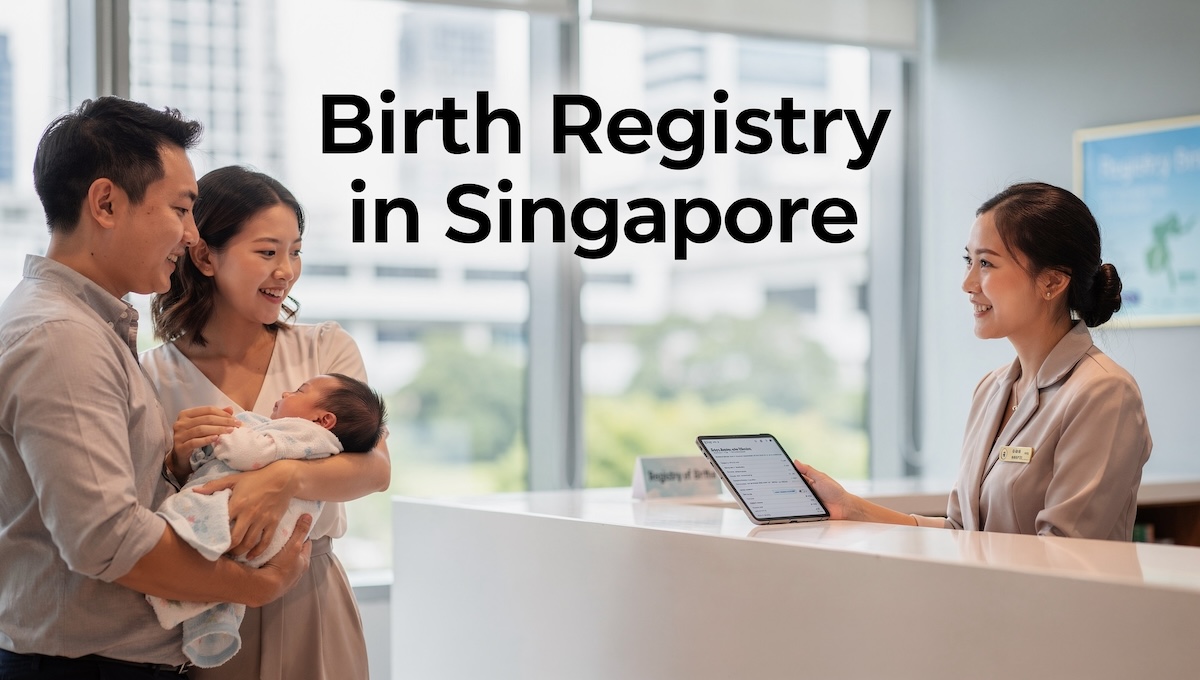
Every child born in Singapore must be registered within 42 days from the date of birth, making the birth registry system one of the most essential government services for new parents. Singapore’s birth registration process has undergone a revolutionary transformation, transitioning from traditional paper-based certificates to a fully digital system managed by the Immigration & Checkpoints Authority (ICA).
Whether you’re a Singapore citizen, permanent resident, or foreign national welcoming a baby in Singapore, understanding the birth registration process is crucial for securing your child’s legal status and accessing government benefits. This comprehensive guide covers everything you need to know about registering your child’s birth, obtaining digital birth certificates, and navigating the requirements for different scenarios.
Overview of Birth Registration in Singapore
The birth registry in Singapore serves as the official record-keeping system for all births occurring within the country. This system is fundamental to establishing your child’s legal identity, citizenship status, and eligibility for various government services and benefits.
Legal Importance and Mandatory Requirements
Birth registration is not optional in Singapore – it’s a legal requirement under the Registration of Births and Deaths Act. All births must be registered within 42 days from the date of birth, regardless of the parents’ immigration status or marital situation. This timeline represents a significant improvement from the previous 14-day requirement, providing new parents with more flexibility during the critical early weeks with their newborn.
Failure to register your child’s birth within the specified timeframe constitutes an offense that can result in fines and potential imprisonment. The registration requirement applies to every baby born in Singapore, making it essential for all new parents to understand and complete this process promptly.
Role of Immigration & Checkpoints Authority (ICA)
The ICA manages Singapore’s birth registry through its Registry of Births and Deaths (RBD), which has been recording births since 1973. This comprehensive system maintains official records for all births, deaths, and adoptions, creating an integrated database that serves multiple governmental functions.
The ICA’s Registry of Births and Deaths operates as part of Singapore’s broader National Identification System, ensuring that birth registration seamlessly connects to other essential services like citizenship documentation, passport applications, and national registration identity cards.
Digital Transformation: May 29, 2022 Milestone
A watershed moment in Singapore’s birth registry occurred on May 29, 2022, when digital birth certificates completely replaced physical paper certificates. This transformation eliminated the need for parents to visit hospitals or the ICA Building to collect physical documents, streamlining the entire process through digital platforms.
The digital transformation has proven highly successful, with 80% of all eligible births now registered through the LifeSG platform. This adoption rate demonstrates the effectiveness of Singapore’s digital-first approach to government services and the convenience it provides to new parents during an already demanding time.
Legal Consequences of Non-Registration
Parents who fail to register their child’s birth within the 42-day window face serious legal consequences. Under the Registration of Births and Deaths Act, non-compliance can result in fines, legal proceedings, and complications in establishing the child’s official status for future documentation needs.
Beyond immediate penalties, delayed registration can create challenges when applying for passports, school enrollment, healthcare services, and other essential benefits that require proof of birth and citizenship status.

Digital Birth Certificate System
The digital birth certificate represents Singapore’s commitment to modernizing government services and improving citizen experience. Understanding how this system works is essential for all new parents navigating the registration process.
Understanding Digital Birth Certificates
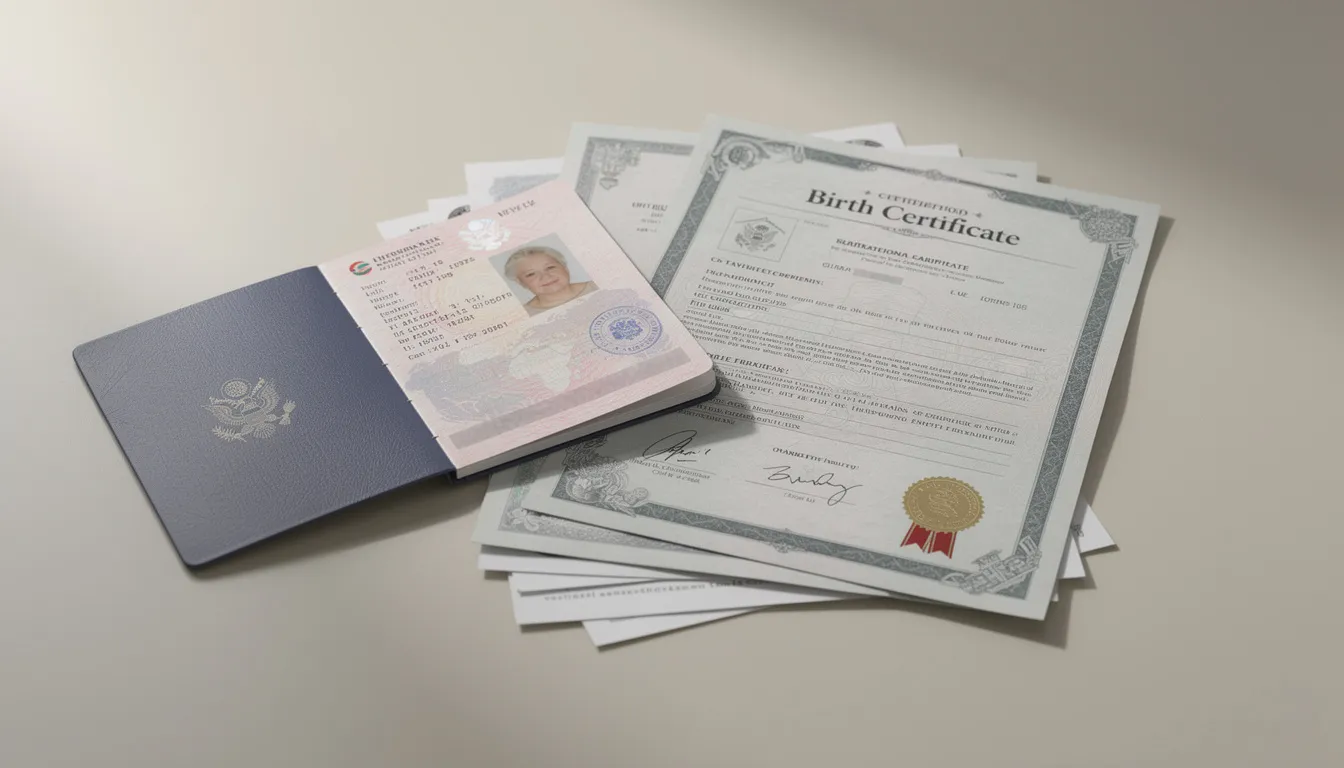
A digital birth certificate is an official electronic document that carries the same legal validity as traditional paper certificates. These certificates are securely stored in government databases and accessible through official ICA digital platforms, ensuring authenticity and preventing fraud.
Digital certificates offer superior security features compared to paper documents, including real-time verification capabilities that allow other government agencies and service providers to instantly confirm their authenticity. This eliminates the need for multiple physical copies and reduces the risk of document loss or damage.
Advantages Over Traditional Paper Documents
The transition to digital certificates provides numerous benefits for parents and government agencies alike. Parents can access their child’s birth certificate instantly once it becomes available, store multiple copies on personal devices, and upload certificates directly to online government services without scanning or photocopying.
Digital certificates eliminate the environmental impact of paper production and storage while reducing administrative costs for government agencies. The system also provides better data integrity and enables more efficient processing of applications that require birth certificate verification.
Download Process via ICA Services
After successful birth registration through LifeSG, parents receive notification when their child’s digital birth certificate becomes available for download. The certificate is accessible through the ICA e-Service called “electronic Retrieval of Certificates and Instant Verification,” which can be accessed via the ICA website or the MyICA Mobile app.
The download process requires proper authentication using SingPass credentials, ensuring only authorized individuals can access the certificate. Once downloaded, the certificate is immediately available for use in various applications and can be stored securely on personal devices.
90-Day Download Window
Parents have up to 90 days to download their child’s digital birth certificate once it becomes available. This generous timeframe accommodates the busy schedules of new parents and provides flexibility in accessing the document when needed.
It’s important to note that while the download window is 90 days, the certificate remains permanently accessible through ICA digital services even after the initial download period expires. Parents can retrieve additional copies whenever needed through the same online platforms.
Storage and Accessibility Features
Digital birth certificates can be saved on personal devices including smartphones, tablets, and computers, providing convenient access whenever documentation is required. The certificates are designed for easy sharing and uploading to online platforms while maintaining their official status and verification capabilities.
The digital format ensures certificates remain legible and intact over time, unlike physical documents that may fade, tear, or become damaged. Parents can maintain multiple backup copies across different devices and cloud storage services for added security.
Birth Registration Process and Requirements
Successfully registering your child’s birth requires understanding the step-by-step process and preparing the necessary documentation in advance. The requirements vary depending on your citizenship status and specific circumstances.
Step-by-Step Registration via LifeSG App
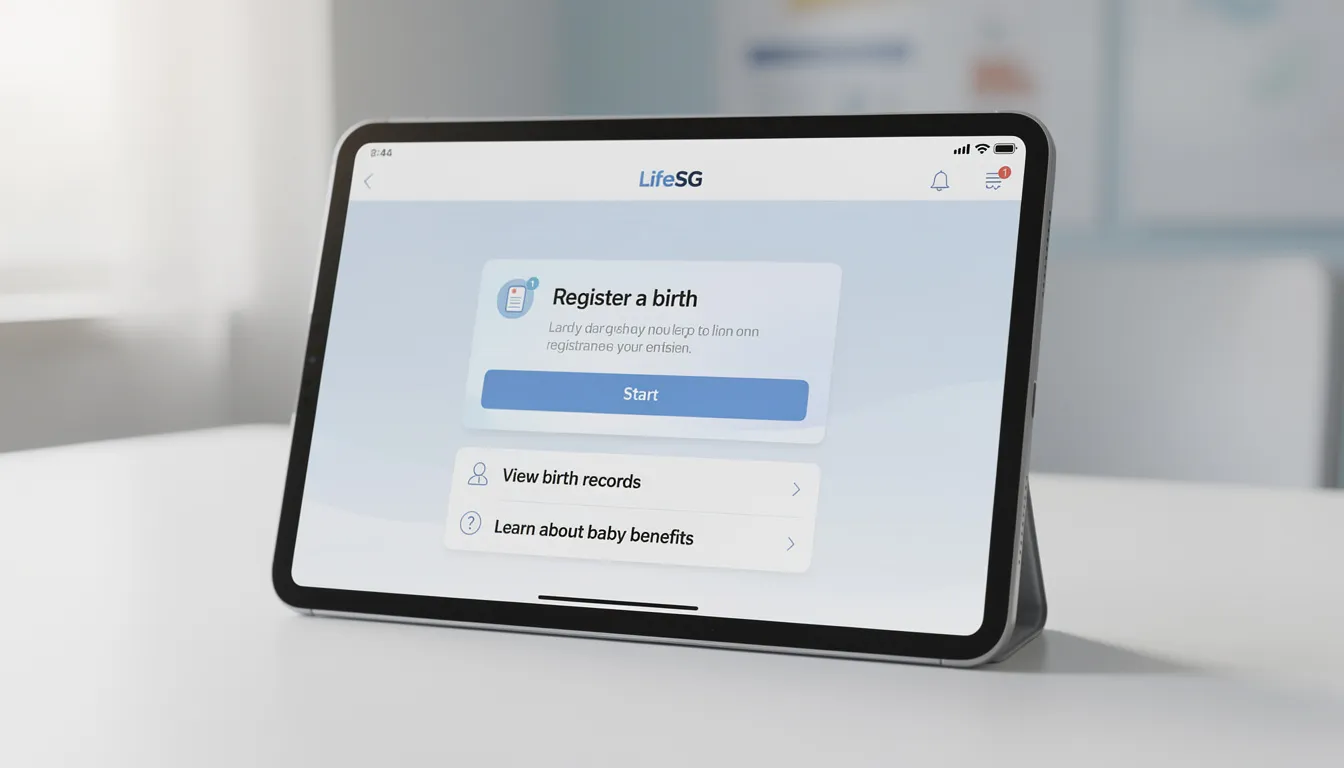
The primary method for birth registration is through the LifeSG app, available for download on mobile devices or accessible via the website at www.life.gov.sg. This platform provides a streamlined, user-friendly interface designed specifically for parents registering their child’s birth online.
After installing the LifeSG app or accessing the website, parents must log in using their SingPass credentials to begin the registration process. The system guides users through each step, clearly indicating required information and documents needed to complete the application.
The registration process includes entering the child’s birth particulars, uploading required supporting documents, and reviewing all information for accuracy before final submission. The system provides real-time validation to catch potential errors before they cause processing delays.
Required Documents and Upload Process
All supporting documents must be uploaded digitally during the registration process. The system accepts common image formats and PDF files, making it easy to photograph or scan required documents using mobile devices or computers.
Document uploads must be clear, complete, and legible to avoid processing delays. The LifeSG platform provides guidance on acceptable image quality and file formats to ensure successful submission of all required documentation.
SingPass Login Requirements
The main applicant for birth registration must have SingPass access to complete the registration through LifeSG. SingPass serves as Singapore’s national digital identity system, providing secure authentication for government services.
If the main applicant doesn’t have SingPass access, alternative registration methods are available through the ICA website, though these may involve additional steps and documentation requirements. It’s advisable to obtain SingPass access before the baby is born to streamline the registration process.
Processing Timeline and Notifications
After submitting the birth registration application, eligible cases processed through LifeSG typically receive confirmation within 3 working days. The system automatically sends notifications updating parents on the application status and when the digital birth certificate becomes available for download.
Cases that require additional review or verification may take longer to process, but parents receive regular updates throughout the review period. The notification system ensures parents stay informed about their application progress without needing to contact ICA directly.
Registration by Singapore Citizens and Permanent Residents
Singapore citizens and permanent residents enjoy streamlined registration processes through the LifeSG platform, designed to accommodate the specific documentation requirements for different family situations.
Eligibility Criteria for Main Applicant
The main applicant for birth registration must be either a Singapore citizen, permanent resident, or FIN (Foreign Identification Number) holder with valid SingPass access. This person typically serves as the primary contact for the registration process and receives all official communications regarding the application.
While either parent can serve as the main applicant, it’s important to ensure the chosen applicant has immediate access to all required documents and can complete the registration process without delays.
Required Documentation
Singapore citizens and permanent residents must provide specific documents depending on their marriage status and the circumstances of the child’s birth. For married couples, both parents’ passport biodata pages and the official marriage certificate are typically required.
The marriage certificate must be recognized by Singapore authorities. If the marriage occurred overseas, the certificate may require official translation into English by certified translation services before upload to the LifeSG system.
Official Translation Requirements
All foreign documents submitted as part of the birth registration must be translated into English by recognized translation services. This requirement ensures accuracy and consistency in official records while meeting Singapore’s administrative standards.
Translated documents must include certification from qualified translators, and both the original foreign document and certified English translation must be uploaded during the registration process.
SingPass Authentication Process
The SingPass authentication process provides secure access to the LifeSG platform and ensures only authorized individuals can register births. The system uses multi-factor authentication to verify the applicant’s identity before allowing access to registration functions.
Parents should ensure their SingPass accounts are active and updated before beginning the registration process, as technical issues with SingPass can delay the birth registration timeline.
Registration by Non-Citizens
Non-citizen parents face additional requirements and alternative registration methods when registering their child’s birth in Singapore. Understanding these specific procedures ensures successful completion of the registration process.
Alternative Registration Methods
Non-citizens who cannot access LifeSG due to SingPass restrictions must use alternative registration methods through the ICA website. This process involves additional steps and documentation requirements compared to the streamlined LifeSG approach.
The main applicant must provide a valid email address to receive communications and updates about the registration status. This email serves as the primary communication channel throughout the processing period.
Additional Documentation Requirements
Non-citizen families typically must provide more extensive documentation covering both parents’ identity, immigration status, and relationship to the child. This includes passport biodata pages, immigration passes, and marriage certificates where applicable.
All documentation must be current and valid at the time of application submission. Expired documents or incomplete submissions will result in processing delays or rejection of the registration application.
42-Day Special Pass and Extensions
Children of non-citizen parents receive a 42-day special pass upon birth, providing temporary legal status while the birth registration process is completed. This pass ensures the child’s legal presence in Singapore during the registration period.
If additional time is needed beyond the 42-day period, parents must apply for immigration pass extensions or visit pass applications through the appropriate ICA channels. These extensions require separate applications and documentation.
Visit Pass Applications
For families requiring extended stay in Singapore beyond the initial 42-day period, visit pass applications become necessary to maintain legal status. These applications require demonstration of legitimate reasons for extended stay and proper documentation of the family’s circumstances.
Visit pass applications should be initiated well before the 42-day special pass expires to avoid any gaps in legal status that could complicate the birth registration or create immigration issues.
Naming Requirements and Options
Choosing your child’s official name involves understanding Singapore’s specific requirements and options for different cultural and linguistic preferences.
Official Name Requirements in English
All children born in Singapore must have an official name recorded in English characters, regardless of the parents’ cultural background or preferred naming conventions. This English name serves as the primary identifier in all official documents and government records.
The English name must follow standard naming conventions and cannot include numbers, symbols, or characters from other languages. Parents should carefully consider the English name choice, as changes after registration require formal amendment procedures.
Optional Ethnic Names
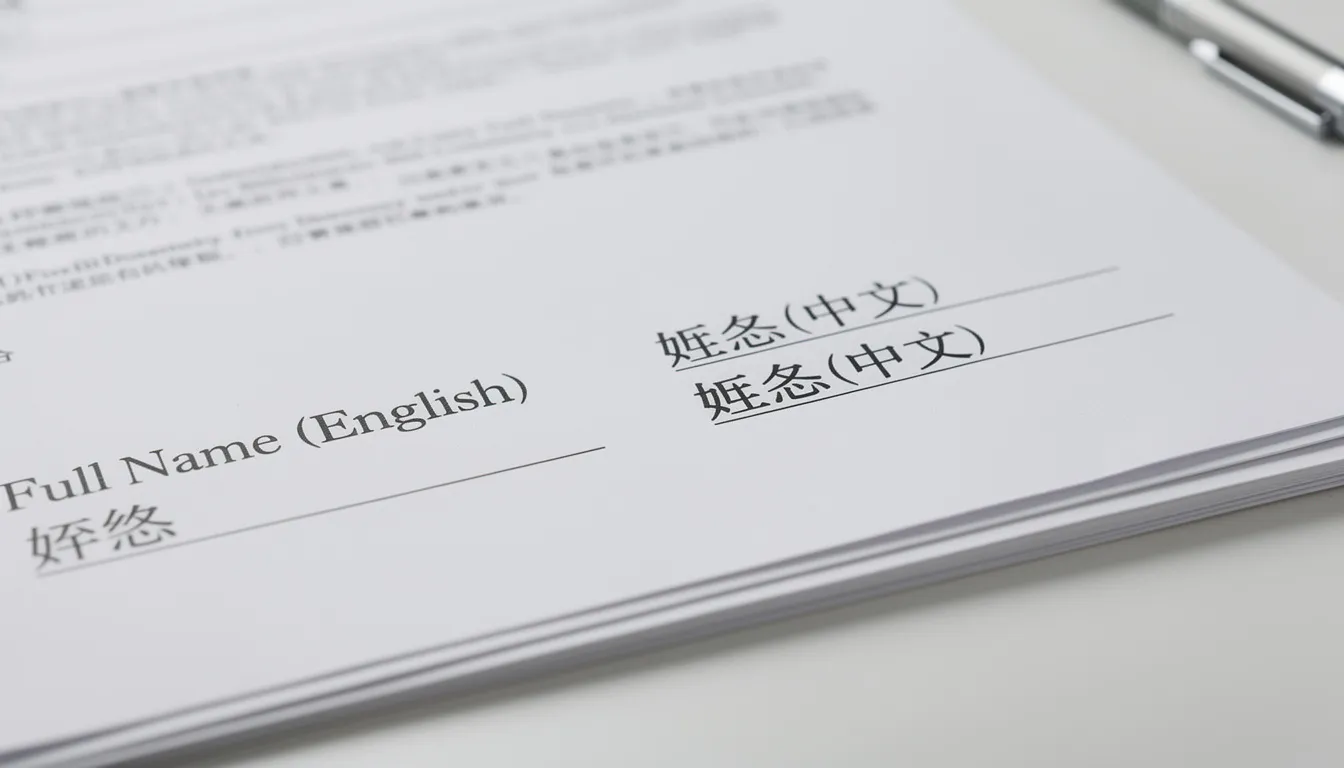
Parents have the option to include ethnic names in Chinese, Jawi, or Tamil characters in addition to the official English name. These ethnic names appear on the birth certificate alongside the English name, providing cultural recognition while maintaining official documentation standards.
Ethnic names must follow recognized character sets and naming conventions for the specific language chosen. The ethnic name selection does not replace the English name requirement but serves as an additional cultural identifier.
Hanyu Pinyin Conventions
For families choosing Chinese ethnic names, Hanyu pinyin notation may be included in brackets following the Chinese characters. This pinyin representation helps with pronunciation and provides additional clarity for official purposes.
The pinyin notation must follow standard Hanyu pinyin conventions and accurately represent the pronunciation of the chosen Chinese characters. Incorrect pinyin notation can lead to confusion in official documents and future identification processes.
Recognised Dictionary Requirements
Ethnic names must be found in recognised dictionaries or authoritative sources for the specific language chosen. This requirement ensures cultural authenticity and prevents the use of non-standard or inappropriate character combinations.
Parents should verify that their chosen ethnic name characters are properly documented in recognised sources before submission to avoid delays or rejection during the registration process.
Name Amendment Procedures
Changes to a child’s name after birth registration require formal amendment procedures through the ICA. These amendments involve additional documentation, fees, and processing time, making careful initial name selection important.
Name amendments are generally permitted for legitimate reasons such as religious conversions, cultural considerations, or correction of errors made during the initial registration process.
Race Designation and Mixed Heritage
Understanding Singapore’s race designation system helps parents make informed decisions about their child’s official racial classification, which appears on various identity documents throughout life.
Race Designation Following Parents
Children can be designated with the race of either parent, providing flexibility for families to choose the most appropriate racial classification. This choice reflects Singapore’s multicultural society and recognition of diverse family backgrounds.
The race designation decision should consider the family’s cultural identity, community connections, and the child’s future sense of belonging within Singapore’s multicultural framework.
Mixed Race Designation Options
Children with parents of different races can be designated as mixed race, acknowledging their multicultural heritage. This option provides recognition for families where neither parent’s single racial classification adequately represents the child’s background.
Mixed race designation appears on official documents and provides a more accurate representation of the child’s heritage in Singapore’s diverse society.
Double-Barrelled Race Classifications
For children who are Singapore citizens, double-barrelled race options are available, combining both parents’ racial classifications with a hyphen. This option provides the most comprehensive representation of the child’s multicultural background.
Double-barrelled race designations appear on passports and identity documents, providing official recognition of the child’s complex cultural heritage throughout their life in Singapore.
Impact on Official Documents
Race designation affects various official documents including passports, identity cards, and school enrollment records. Parents should consider the long-term implications of their choice and how it aligns with the family’s cultural identity and community connections.
Once established, race designation changes require formal procedures and may not be easily modified, making the initial decision particularly important for the child’s future documentation needs.
Overseas Births and Citizenship Applications
Singapore citizens who have children born overseas face specific procedures for establishing their child’s Singapore citizenship and obtaining proper documentation.
Singapore’s Overseas Birth Policy
Singapore does not maintain overseas birth registries, meaning children born outside Singapore to Singapore citizen parents must obtain birth certificates from the foreign authorities in their country of birth. These foreign birth certificates serve as the primary birth documentation.
Parents must then apply separately for Singapore citizenship for their overseas-born children through the Immigration & Checkpoints Authority’s citizenship application process.
Foreign Authority Requirements
The birth certificate from foreign authorities must be official, properly authenticated, and translated into English if originally issued in another language. This documentation serves as the foundation for all subsequent Singapore citizenship applications.
Parents should ensure the foreign birth certificate includes all necessary details about the child and parents, as incomplete documentation can delay citizenship applications significantly.
Singapore Citizenship Application Process
Citizenship applications for overseas-born children require comprehensive documentation including the foreign birth certificate, parents’ Singapore citizenship documents, marriage certificates, and other supporting materials.
The application process involves detailed review of the family’s circumstances, documentation verification, and assessment of the child’s eligibility for Singapore citizenship under current immigration laws.
Required Documentation for Citizenship
The citizenship application requires extensive documentation covering the parents’ citizenship status, the circumstances of the overseas birth, and proof of the family’s connection to Singapore. This includes employment records, residential history, and other evidence of Singapore ties.
All foreign documents must be properly authenticated and translated, often requiring apostille certification or embassy authentication depending on the country of birth.
Processing Timeline and Approval
Citizenship applications for overseas-born children typically require several months for processing, depending on the complexity of the case and the completeness of submitted documentation. Parents receive regular updates on application status throughout the review period.
Approved citizenship applications result in the issuance of Singapore citizenship certificates, which then enable applications for Singapore passports and other identity documents.
Birth Certificate Amendments and Updates
Life circumstances sometimes require changes to birth certificates, and understanding the amendment process helps families navigate these situations effectively.
Legal Grounds for Amendments
Birth certificate amendments are permitted for specific legal reasons including correction of errors made during initial registration, addition of biological parents after marriage, or changes resulting from legal adoption procedures.
Each type of amendment requires specific documentation and follows distinct procedures, with some amendments having time restrictions that must be carefully observed.
Adding Biological Parents After Marriage
Parents who marry within three months after their child’s birth can add the biological parent’s name to the birth certificate through a simplified amendment process. This provision acknowledges family circumstances where marriage occurs shortly after the child is born.
The three-month window is strictly enforced, and requests submitted after this period require more complex legal procedures with additional documentation requirements.
Adoption Procedures and Parental Rights Transfer
Legal adoption involves formal transfer of parental rights and requires court approval before birth certificate amendments can be processed. The adoption process must be completed through Singapore’s family court system.
Once adoption is legally finalized, the birth certificate is amended to reflect the adoptive parents as the child’s legal parents, with the original birth details sealed according to Singapore adoption laws. For expectant mothers, it’s important to choose from reputable hospitals and clinics for pregnant women in Singapore to ensure proper prenatal care.
Removing Ex-Spouse Names After Divorce
Divorced parents may request removal of an ex-spouse’s name from the child’s birth certificate under specific circumstances and legal grounds. This process requires court documentation and evidence supporting the name removal request.
The amendment process considers the child’s best interests and legal rights, with court approval typically required before processing such changes to official birth records.
ICA Interview Requirements
Certain birth certificate amendments require in-person interviews at ICA offices to verify the authenticity of requests and ensure proper documentation. These interviews help prevent fraudulent amendments and protect the integrity of birth records.
Parents should prepare thoroughly for ICA interviews by organizing all required documentation and understanding the specific reasons for their amendment request.
Proxy Registration and Authorization
Circumstances sometimes prevent parents from personally completing birth registration, making proxy registration an important option for families facing challenging situations.
When Proxy Registration is Permitted
Proxy registration is allowed when the parents cannot personally complete the registration due to medical emergencies, hospitalization, travel restrictions, or other extenuating circumstances that prevent direct participation.
The proxy must be authorized in writing and must be someone with a legitimate relationship to the family, such as a close relative or legal representative with proper documentation.
Letter of Authorization Requirements
Proxy registration requires a formal letter of authorization signed by the parents and properly witnessed. This letter must clearly specify the proxy’s identity, relationship to the family, and scope of authority to act on the parents’ behalf.
The authorization letter becomes part of the official registration documentation and must meet specific format and content requirements established by the ICA. For parents, ensuring all aspects of a child’s safety—including during travel—is crucial; you can find recommendations for child car seats that meet Singapore’s safety standards.
Acceptable Proxy Relationships
Acceptable proxy relationships typically include grandparents, siblings, or other close family members with documented relationships to the parents. Professional representatives such as lawyers may also serve as proxies with proper legal documentation.
The proxy must provide identification and proof of their relationship to the family, along with the signed authorization letter from the parents.
Document Verification for Proxy Applications
Proxy applications undergo additional verification procedures to ensure authenticity and prevent unauthorized registration attempts. This includes verification of the proxy’s identity, the authorization letter, and the relationship between the proxy and the family.
The verification process may require additional time compared to standard registration procedures, so families should plan accordingly when using proxy registration services.

Legal Implications and Parental Rights
Understanding the legal implications of birth registration helps parents make informed decisions about their child’s official documentation and future rights.
Legitimacy Status and Children’s Rights
While Singapore law does not distinguish between legitimate and illegitimate children for most purposes, having both biological parents named on the birth certificate provides the strongest legal foundation for the child’s rights and status.
Children with both parents named on birth certificates have clearer inheritance rights, easier access to family benefits, and stronger legal connections to both sides of their family heritage.
Benefits of Complete Parental Documentation
Having both parents named on the birth certificate simplifies many future processes including passport applications, school enrollment, medical decisions, and inheritance matters. Complete parental documentation eliminates ambiguity about parental rights and responsibilities.
The birth certificate serves as foundational documentation for many legal and administrative processes throughout the child’s life, making complete and accurate initial registration particularly important.
Consequences of Unnamed Biological Parents
When a biological parent is not named on the birth certificate, it can create complications for future legal processes including custody disputes, inheritance claims, and access to family benefits or citizenship rights.
Unnamed parents may face challenges establishing legal relationships with their children and may need court proceedings to formalize parental rights and responsibilities.
Access and Visitation Rights
Parental rights to access and visitation are typically stronger when parents are properly documented on the child’s birth certificate. Unnamed parents may need to pursue legal proceedings to establish these rights formally.
The birth certificate serves as important evidence in family court proceedings related to custody, access, and parental responsibility determinations.
Court Procedures for Establishing Rights
Parents not named on birth certificates may need to pursue court proceedings to establish legal parental rights and responsibilities. These proceedings require legal representation and can be time-consuming and expensive.
Early completion of proper birth registration procedures helps avoid these complex legal processes and ensures clear parental rights from the beginning.
Child Maintenance and Support
Understanding child maintenance obligations helps parents navigate their financial responsibilities regardless of marital status or birth certificate documentation.
Women’s Charter Provisions
Singapore’s Women’s Charter provides comprehensive legal framework for child maintenance obligations, establishing that both parents have financial responsibility for their children regardless of marital status or legitimacy.
The Women’s Charter enables court orders for child maintenance and provides enforcement mechanisms to ensure children receive appropriate financial support from both parents.
Maintenance Claims from Unnamed Parents
Even when a biological parent is not named on the birth certificate, they may still be legally obligated to provide child maintenance if paternity can be established through legal proceedings.
Courts can order paternity testing and establish maintenance obligations based on biological relationships, regardless of the initial birth registration documentation.
Legal Obligations Regardless of Status
Parental financial obligations exist independently of marriage status or birth certificate documentation. Both biological parents typically have legal responsibility to contribute to their child’s financial support and welfare. For more resources, discover parenting blogs and websites in Singapore that offer valuable tips and community support.
These obligations cannot be avoided simply by not being named on the birth certificate, as courts have authority to establish parental responsibility through various legal mechanisms.
Court Procedures for Maintenance Applications
Maintenance applications require filing with Singapore’s family courts and providing evidence of the parent-child relationship, financial circumstances, and the child’s needs. Legal representation is advisable for complex maintenance cases.
The court considers both parents’ financial capabilities and the child’s reasonable needs when determining maintenance amounts and payment schedules.

Common Scenarios and Special Cases
Real-life family situations often involve complex circumstances that require understanding special registration procedures and requirements.
Unmarried Parents Registration
Unmarried parents can register their child’s birth with both parents named on the certificate by providing proper documentation of their relationship and the child’s parentage. This requires both parents’ cooperation and documentation.
The registration process for unmarried parents involves additional verification steps to ensure accurate recording of parental relationships and prevent fraudulent claims.
Single Parent Registration Options
Single parents can register their child’s birth with only one parent named on the certificate when the other biological parent is unknown, unavailable, or unwilling to participate in the registration process.
Single parent registration provides legal documentation for the child while acknowledging the family’s specific circumstances and the available parental relationships.
International Marriages and Documentation
Parents married in other countries must provide properly authenticated and translated marriage certificates for birth registration purposes. This ensures recognition of the marriage under Singapore law.
International marriage documentation requirements vary by country and may require embassy authentication or apostille certification to meet Singapore’s administrative standards.
Blended Families and Stepparent Considerations
Blended families involving stepparents and children from previous relationships face specific considerations when registering new children, particularly regarding parental rights and family documentation.
Birth registration focuses on biological parents, but blended family situations may require additional legal documentation for complete family recognition and rights establishment.
Emergency Registration Procedures
Medical emergencies or other urgent circumstances may require expedited registration procedures to ensure proper documentation for medical treatment or other immediate needs.
Emergency registration typically requires additional documentation of the urgent circumstances and may involve direct contact with ICA offices for special processing arrangements.
Frequently Asked Questions
Registration Deadlines and Penalties
Q: What happens if I miss the 42-day registration deadline? A: Missing the registration deadline is a legal offense under the Registration of Births and Deaths Act, potentially resulting in fines or other legal consequences. Contact ICA immediately to discuss your situation and complete the registration as soon as possible.
Q: Can I register my child after the 42-day deadline? A: Late registration is still required and possible, but may involve additional procedures, documentation, and potential penalties. The registration must still be completed to establish your child’s legal status.
Document Issues and Replacement
Q: What if I lose my child’s digital birth certificate? A: Digital birth certificates can be re-downloaded through ICA’s digital services using your SingPass credentials. The certificate remains permanently accessible through official ICA platforms.
Q: How much does a digital birth certificate cost? A: The fee for digital birth certificate issuance is S$18, covering the registration process, system development, and maintenance costs.
Application Problems and Appeals
Q: What if my birth registration application is rejected? A: Rejected applications typically indicate missing documentation or eligibility issues. Review the rejection notice carefully, provide additional required documents, and resubmit the application. Contact ICA for specific guidance if needed.
Q: Can I appeal a registration decision? A: Yes, appeals are possible through formal procedures with ICA. Appeals require additional documentation supporting your case and may involve review meetings with ICA officials.
Contact Information and Resources
Q: How do I contact ICA birth registry services? A: Contact ICA through their official website at ica.gov.sg, the ICA hotline, or by visiting ICA offices during business hours. The LifeSG app also provides support features for registration-related questions.
Q: Where can I access LifeSG for birth registration? A: Download the LifeSG mobile app from official app stores or access the service online at www.life.gov.sg using your SingPass credentials.
Conclusion
Singapore’s digital birth registry system represents a significant advancement in government services, providing new parents with convenient, secure, and efficient birth registration processes. The transition to digital birth certificates has eliminated many traditional barriers while maintaining the highest standards of security and legal validity.
Understanding the registration requirements, timelines, and procedures ensures your child receives proper legal documentation without delays or complications. Whether you’re a Singapore citizen, permanent resident, or foreign national, the birth registration process provides essential documentation that serves your child throughout their life.
The 42-day registration timeline provides ample opportunity for new parents to complete the process while caring for their newborn. With proper preparation and understanding of the requirements, birth registration through LifeSG becomes a straightforward process that establishes your child’s legal foundation in Singapore.
Take advantage of Singapore’s modern digital infrastructure by downloading the LifeSG app and familiarizing yourself with the registration process before your baby is born. This preparation ensures you’re ready to complete the registration promptly and efficiently when the time comes.
For the most current information and assistance with your specific situation, visit the ICA website or contact their services directly. Singapore’s birth registry system is designed to serve families efficiently while maintaining the security and accuracy essential for lifelong legal documentation.